Podcast Episode #30: ADHD and Neuroplasticity

Listen or Watch this episode on:

About This Episode

Your ADHD is in charge of your entire life. And here’s some good news: it can change and improve!

Episode Transcript

This episode is sponsored by Cure Hydration. All right, I’m going to be real with you. Drinking water is boring. My ADHD brain is like, wait, we have to do this again? Like every day, multiple times. What in the world? And because I’m running from meetings to coaching calls to kid chaos, staying hydrated is not something I’m naturally good at. It’s not something I naturally think about. That’s why I’ve been obsessed with Cure hydration packs lately. Cure is a plant based hydrating electrolyte mix with no added sugar, only 25 calories, and it actually tastes good. The watermelon and berry pomegranate have been on repeat for me. I’m actually like really running low on those flavors, which is so sad. They’re refreshing without being too sweet or artificial. It feels like my water finally has a little bit of personality, which I enjoy. I really do. What I love most is that CURE uses a science backed formula that hydrates as effectively as an IV drip. So when I’m scrambling through my day forgetting my water again, CURE helps me to catch up fast. I throw a few packs in my bag and it makes drinking enough water simple. Which for my ADHD brain is basically a miracle. So staying hydrated isn’t just about water. You also need electrolytes. And that’s why I love cure. It’s clean, tastes great, and it actually works. And bonus, CURE is FSA HSA approved so you can use those funds to stay hydrated. The smart way for I have ADHD Podcast listeners. You can get 20% off your first order@curehydration.com ihaveadhd with the code ihaveadhd and if you get a post purchase survey make sure to tell them that you heard about Cure right here on the podcast. It really does help to support the show. Don’t just drink more water. Also Upgrade it with Cure. Save over $200 when you book weekly stays with Vrbo this winter. If you need to work, why not work from a chalet? If you haven’t seen your college besties since, well, college, you need a week to fully catch up in a snowy cabin. And if you have to stay in a remote place with your in laws, you should save over $200 a week. That’s the least we can do. So you might as well start digging out the long johns because saving over $200 on a week long snowcation rental is in the cards book now@verbo.com. Welcome to the I have ADHD podcast where it’s all about education, encouragement and coaching for adults with adhd. I’m your host, Kristin Carter and I have adhd. Let’s chat about the frustrations, humor and challenges of adulting relationships, working and achieving with this neurodevelopmental disorder. I’ll help you understand your unique brain, unlock your potential and move from point A to point B. Hey, what’s up my friends? This is Kristin Carter and you are listening to the I have ADHD podcast. I am so happy to be with you today. Oh my gosh, I’m so happy. I tried to record this yesterday, but I was in such a brain fog that I seriously could not even formulate thoughts or words. It was really annoying. And you know what? Sometimes that happens. So I brought my microphone into work with me today. It’s a Friday afternoon. I just finished up a couple adult ADHD coaching calls. It was fun. Now I’m sneaking snuggled in blankets cause my office is freezing and I am here to say hi. So hello, how are you? If you’re listening in real time, you know that I’ve cut back on doing podcasts every week. I’m now doing it every other week. You know what, I’m just trying to figure it out because I have a company that I’m running and I have 11 one on one clients, adult ADHD coaching clients that I’m working with. And in addition to that, I have a bunch of people on a waiting list. Last time I checked it was 29 people on a waiting list. It’s like so shocking to me. So I’m trying to figure out how to make all of it work. And I am kind of reevaluating and coming up with some really fun ideas. So I hope to be getting back to podcasts every week really soon. But right now I’m just trying to do a good job of showing up even when it’s not perfect. And I think this is something that we ADHDers struggle with a lot is when we can’t do things perfectly or the way that we think they should be done, then we just throw in the towel and we say forget it, I’m just not going to do it. And I have not let myself off the hook with the this. I’m not going to do that. Because what I have learned is that feeling uncomfortable, it not being perfect and doing it anyway is totally doable and it is helpful. So like something my coach has said that really helped me is that B minus work can change the world, but work that never gets done doesn’t help anyone. B Minus work can change the world, but work that never gets done never helps anyone. That changed my life because at this point, I would say every time I put out a podcast, it’s fantastically wonderful, full of value, whatever. But the fact that I’m not able to do it every week has made me feel like, yes, it’s kind of like B minus work. You know what I’m saying? Like, it would be very ideal if you could count on me every week and if you knew exactly when it was going to be published and it would just feel so good, you know, it would feel good for you and it would feel good for me. And so it’s very easy for me to go to this, like, dark place where I’m like, maybe I should just stop. Maybe it’s not even worth it. But the thing is, I wouldn’t help anybody if that was the case, right? Like, it wouldn’t be helpful. And I want to show up as a human who is changing the world. And so right now, I’m going to do what I can to change the world with my B minus work. And I hope that you will appreciate that. As someone with adhd, I assume that either you have ADHD or you love someone with adhd. This is a pitfall for us because when we feel like we can’t do something perfectly or we can’t measure up, we often throw in the towel. And I just want to show up here as an example of what’s possible and say that you don’t have to do that. You don’t have to throw in the towel. You can just decide to show up imperfectly in your life as well. Decide to show up in the things that are really important to you and know that it’s not going to be perfect, but it is, is going to be worth it. I get messages almost every day from people who say that this podcast has changed their lives or that this podcast has helped them to understand their ADHD diagnosis or has inspired them to go get an ADHD diagnosis. People say that they feel seen and understood and known. And I just want you to know that, first of all, that changes me. That has a huge impact on me when you tell me that. But also, this is me showing up imperfectly and still making a difference. And if I can do that, you can do that. What ways in your life can you show up imperfectly and still make a difference? I think that’s a really amazing question to ask ourselves, because we think we have to do it perfectly, but we don’t. And that’s Just like my little initial inspiration. Before we even get started, guys, that was like a little nugget. Before we even get started, you can show up imperfectly and still make a difference in the lives of the people around you, still make a difference in your family, still make a difference in your work or in whatever it is that’s important to you. So make sure that you’re willing to. To show up, however imperfectly that might be. Okay, so today we’re gonna get started, and we’re going to be talking about the brain. I love talking about the brain. You’ve heard me talk about it before. I love it. I love it. I love it. We are going to talk about the concept of neuroplasticity. Now, before you shut me off because you think this is going to be super boring. I promise it won’t be boring. This topic gets me excited, gets me fired up, and I can’t wait to chat with you about it. Okay? And here’s why. We often think that we’re just stuck. We think that we are victims of our brain and our adhd. We think that we can’t make changes and make a difference. But I want to tell you, this is so far from the truth. So often we believe that our lives can’t change, our situations can’t change, our mental health can’t change. We will never reach our goals. We’re doomed to make the same mistakes over and over. But I’m here to tell you that’s just not true. You can totally change. I’ve changed. I’ve seen other people change. I’ve seen it over and over. Change is possible. If you change your brain, you can change your life. Now, I’ve discussed this concept in detail in a few of our other previous podcasts, especially episode 19. That one is called your most valuable resource. And it’s all about your brain. It’s all about honoring the brain that you have and taking care of it and investing in it. Because your brain is in charge of everything. It’s in charge of what you think, how you feel, what you say, and what you do. Your brain is in charge of all of your results. So look around your life right now. Your brain is the reason for the results that you have. It was once thought by everyone, including the medical community, that by the time a person reached adulthood, their brain function was completely established. Meaning that if they didn’t make improvements by the time that they were 25, they were never going to make improvements. Nothing could be changed. Everything was static. Everything was fixed. However, with the Introduction of technology, FMRI imaging, all of the science and amazing things that we have at our fingertips today. We now know that the brain is willing and able to make changes. The scientific term for this is neuroplasticity. And neuroplasticity refers to the brain’s ability to create new neural pathways, transfer function from one area to another, grow, develop, change and improve. Now I am a total nerd in this area. I love reading books on neuroscience. I think neuroscience is absolutely fascinating. I love how it relates to all, all of us. And my favorite neuroscientist, his name is Dr. Norman Doidge and he I think writes very reader friendly, accessible books on neuroplasticity. His two books that I adore are called the Brain that Changes Itself. That was released in 2007. It was fantastic. And then his most recent book I believe was released in 2006. And that is the brain’s way of healing. And really what he talks about is that research in the latter half of the 20th century shows that many aspects of the brain can be altered. Another word for this is plastic. They’re bendable, moldable, even through adulthood. Dr. Norman Doidge says, from the cradle to the grave, the brain can make changes. From the cradle to the grave. I love that concept. From the cradle to the grave. No matter how old you are, your brain can change. Neuroplasticity can be observed at multiple scales. From microscopic changes in individual neurons to larger scale changes such as cortical remapping in response to injury. Behavior, environmental stimuli, thought and emotions may also cause neuroplastic change through activity dependent plasticity, which has significant implications for healthy development, learning, memory and recovery from brain damage. Now listen, this is absolutely fascinating because what it means is that even our thoughts and things in our environment can lead to changes in our brain. We can create new neural pathways just by the thoughts that we think. Is your mind exploding? Like I just get so excited. I am tripping over my words because I am so pumped up about this. Okay, if you are also totally geeking out on it, I highly recommend Dr. Deutsch’s most recent book, the Brain’s Way of Healing. It is so fun. If you’re a nerd like me in this area, you’re going to absolutely love it. I listened to it on audiobook and I was completely enthralled because our brains are amazing. And you know, talking, thinking through how people who have major injuries, chronic pain, severe learning disabilities can make significant changes in their brain. Do you know what that tells me? If it’s Possible for them. It’s possible for me. If somebody who has experienced chronic pain for years and years and years can use their thought patterns and their visualization skills to literally change the way that their brain functions so that they experience less and less pain in real time, in real life. That’s fascinating. That directly affects me because I am someone who struggles with adhd. I am someone who wants to continue to evolve and grow and develop and overcome this obnoxiousness neurodevelopmental disorder. I want to be the highest functioning version possible. And in order to do that, I need to really access my brain’s capability to change. And I want to offer that you can access this as well. It is so fun. So in my day job company, I own a learning center and we work with students who chronically struggle in school. And a ton of what we do is taking them through a brain training curriculum to improve their underlying learning skills. So memory processing, attention, phonological processing, reading, reasoning, decoding, all of those key learning skills. We are not just tutoring them, we are literally changing the way that their brain responds to the difficulty of the work and increasing their brain’s capacity to handle difficult information. And we are literally able to help their brains improve. It is absolutely fascinating. A lot of our students are typical kids. Okay, so a lot of our students are not diagnosed with anything, but they do struggle with, with like anxiety. They have maybe some low memory skills, so they have to work a lot harder with, with their homework than their peers do. We also have a lot of kids with adhd and we have kids who struggle with reading. And then we also have some students that struggle with everything. Every once in a while we welcome a student who has some very specific learning disabilities. And right now we’re working with a 16 year old who has an intellectual disability. And honestly, I was very upfront with his parents when we initially met together and said, listen, there’s no one else in our area who does cognitive training like we do. I highly recommend our program for your son, but I cannot guarantee huge changes because, you know, he’s not our typical student. He’s kind of outside of the box. But if you’re willing to take a chance on us, I would love to work with him. And I will tell you that this student has made so much progress, it is absolutely astonishing because what happens is he comes in four days a week. We work him out so hard. We use, you know, various methods and various curriculums. And what is happening is his brain is literally changing. His parents say that he’s learning to read in ways that he’s never been able to read. He has confidence that he’s never had before. He has the ability to sit and work like he never has before, and he is able to focus way better than he ever has. The reason why I’m telling you this is because if it’s possible for him, it’s possible for you. Do you see how we can use other people as our example of what’s possible in our own lives? So, just a side note here, if you are interested in brain training and you think that sounds amazing, do some Googling. I know that LearningRx is a great company. It’s a franchise. I would highly recommend checking to see if there’s a LearningRx in your area. Another option is a psychologist who’s offering cog med working memory training. But both of those are great curriculums for improving the brain’s ability to function. Another thing is that coaching also helps our ability to function because our thoughts create our feelings, our feelings drive our actions, and our actions produce our results. And so a coach is a great resource for you to work on the thoughts that are limiting you. I was just working with a client this morning who was saying that she’s not even sure that she has adhd. Like, the symptoms are not appearing as acutely as they had been before because of all of the work that she’s been doing in coaching. She’s like, I’m not even seeing the symptoms show up in the same way. And it makes me wonder if I have adhd. That’s mind blowing to me. That’s only because of the work she’s doing on her thoughts. The ability to experience negative emotion and feel it all the way through and still do the things that she wants to do. It’s incredible. It’s absolutely amazing. And so I am just so thankful that our brains are willing to change. What it means is that as an ADHD adult, with the right tools, with the right exercises, with the right coaching, with the right medication, determination, effort, exertion, guidance, your brain can change and improve. You can learn new things. We can teach an old dog new tricks. It’s so fun. Is it easier for someone who’s younger? Maybe, maybe. But, you know, somebody who is older also has a lot of times more drive because they feel like more is at stake. And so, you know, it’s not always easier for people who are younger to make changes. It can also be that, you know, people who are in their 40s and 50s and 60s are like, okay, I have so Much motivation to make changes because I’m sick of living like this for so long. Neuroplasticity gives me the hope and excitement and encouragement that it’s worth continuing to try. It’s worth changing the things in my life and really changing my thoughts and changing the way that I approach things. It’s worth working at it. It’s worth hiring a coach or a therapist to help me manage my thoughts and emotions. It’s worth it to read and learn new things and practice putting those things into action. It’s totally worth it. I can tell you in a lot of ways that I show up completely differently today than I did five years ago and for sure, like a totally different human than I was 10 years ago. Why is that? It’s not just because of maturity. It’s because my brain has changed. I’m hardly ever late. I’m rarely impulsive. My memory has improved so much that I rarely lose things. I still lose things. I totally still lose things, but it’s very rare. I used to lose my keys so often that I would, like, scream and cry and throw a temper tantrum because it was just so frustrating. I did it all the time. It would make me late for appointments. It would increase my anxiety. And yet I never had the thought that maybe I should do something about it, like, put them in the same place every time I got home. So once I had someone in my life speaking into that for that example, it was my husband who was like, how about we create a space where you always put your keys? And, like, why had that never occurred to me? It had never occurred to me. And then I had to practice it and really make sure that I did it. And nine times out of 10, now I know exactly where my keys are. It’s super easy. I know if it’s possible for me, that it’s possible for you. There’s nothing special about me. There’s nothing, like, I don’t have an advantage that you have. Is that. Did I say that correctly? I don’t have an advantage? Yeah. I don’t have an advantage that you don’t have. There’s nothing that, you know, is, like, remarkable about me other than I want to change and I’m committed to it. I’m also totally willing to show up imperfectly. And I want to offer that even while we’re changing. That concept of showing up imperfectly, like, being willing to accept B minus work from myself as I am changing, that’s also really important because so often we fall off the horse and then we never get back on because we just beat ourselves up. So we set a goal, and then we try for three days, and then we, of course fail. And then we’re like, well, there you go. There’s more proof that I’m a failure. There’s more proof that I’m not measuring up. And so screw it, I’m just gonna stop instead of approaching it like, of course I failed. This is how we get things done. We try and fail until we do it. Of course failure is a part of it. Of course I’m not gonna show up perfectly. Of course. Course it’s not going to be pretty all of the time. I honestly rarely struggle with that anymore. Like, I just totally welcome failure as a part of the journey. There is no way that I can accomplish anything in my life without failure. There’s just no way. Like, I. I have not been able to do anything in my life without failing. First you have to try and fail and try and fail and try and fail until you get there. And so being willing to show up imperfectly to do the B minus work until the B minus work produces the result that you want. For example, having your keys in the same spot every day so you know exactly where they are, that is huge. And so if I lose my keys or put them in the wrong spot, I don’t beat myself up and say, well, forget it. Which I used to do. Instead, I say like, okay, whatever, let’s just carry on. I don’t know. It’s not even a thought in my mind anymore. And I know that if that’s possible for me, it’s possible for you. Because honestly, I used to be so destructive to myself. Every time I would have a perceived failure, I would beat myself up, I would lose sleep, I would talk about it all the time. Or I would either talk about it all the time or resist the emotion. You know, resist the negativity and be like, it’s fine. I don’t even care. It’s totally fine. And then, of course, I would be buffering with something like Netflix or food or time with my friends instead of actually doing the work of like, okay, let’s figure this out. Let’s figure how I can try and fail and try and fail until I get the result that I want. So what I would love for you to take away from this podcast is that your brain, it is scientifically proven that your brain can change. Just because you have ADHD does not disqualify you from the concept of neuroplasticity. Even with adhd, your brain can Change and improve. You are not exempt from this. It is absolutely applies to you. It might look different from someone who is neurotypical. It might be a little bit harder. I want you to embrace that. It’s totally fine that it’s harder. Of course it’s harder. It should be harder. Welcome it. It’s totally fine. Your brain 100% can change and improve. Now my question to you is what is it that you want to accomplish? What changes do you want to make? Are you willing to try and fail your way to getting that result? Are you willing to believe that your brain can change and improve and believe that hard enough that you are committed to trying and failing until you see it happen? This should perhaps include someone who is a medical professional or or a therapist or a psychologist or a psychiatrist or a coach. Doing big goals, especially if you haven’t had support, can be really daunting. And I would say that including a professional in that would be amazing. This obviously does not take the place of your treatment options, but what it does mean is that you have the ability to be the person that you want to be. Even though you have adhd, it does not disqualify you. You can totally do it. I know that if I can do it, you can do it. And I’m here with you. I’m so glad to be a part of your life. Thank you for welcoming me in. And if you ever feel like you just need a little bit of help, I would love for you to go to ihaveadhd.com coaching to check out the waiting list. That’s what it is right now, but hopefully it’ll be something much bigger soon. So if you’re not listening to this in real time, then future me will be there to welcome you into my new brainchild. And I cannot wait to connect with you. Go to ihaveadhd.com coaching get on the waiting list. You’ll be the first to know when my new brainchild is up and running. I would love to help you to reach your potential and become the person that you want to be. Can’t wait. Have an awesome week. See ya.

Related Episodes

Kristen Carder

Episode #392: The Weekend Trap: Why Free Time Sends ADHD Brains into a Spiral

Kristen Carder

Episode #390: Two Steps Forward, Three Steps Back (Why You Keep Self-Sabotaging and How to Finally Stop)

Kristen Carder

Episode #388: Money. Let’s Finally Deal With It.

Stop Struggling Alone.
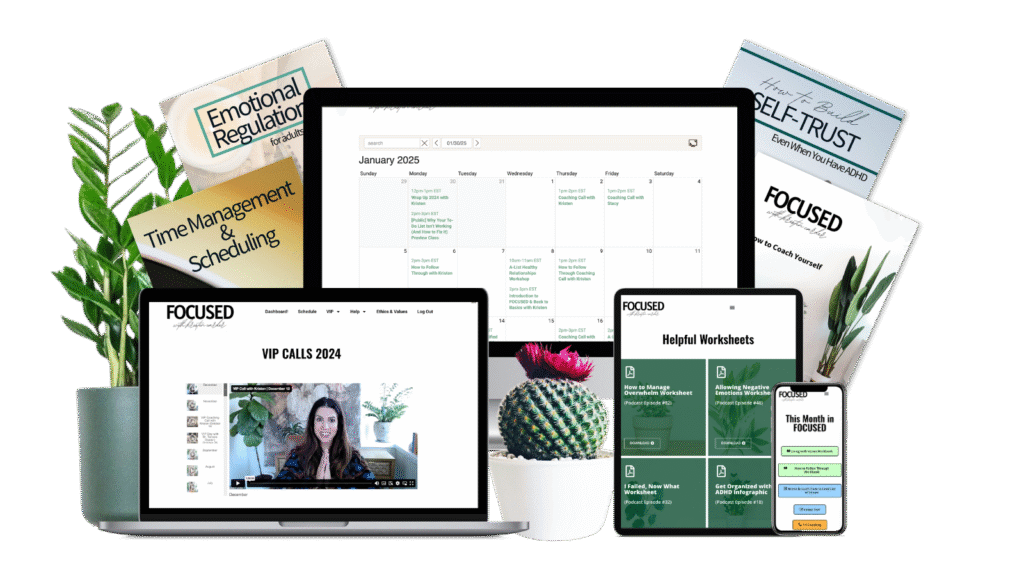
Start Thriving With FOCUSED.

A proven coaching program designed specifically for adults with ADHD who want to gain clarity, build confidence, and take control of their lives.

Join a community of hundreds of ADHDers

Learning About My Brain...

Changed Everything

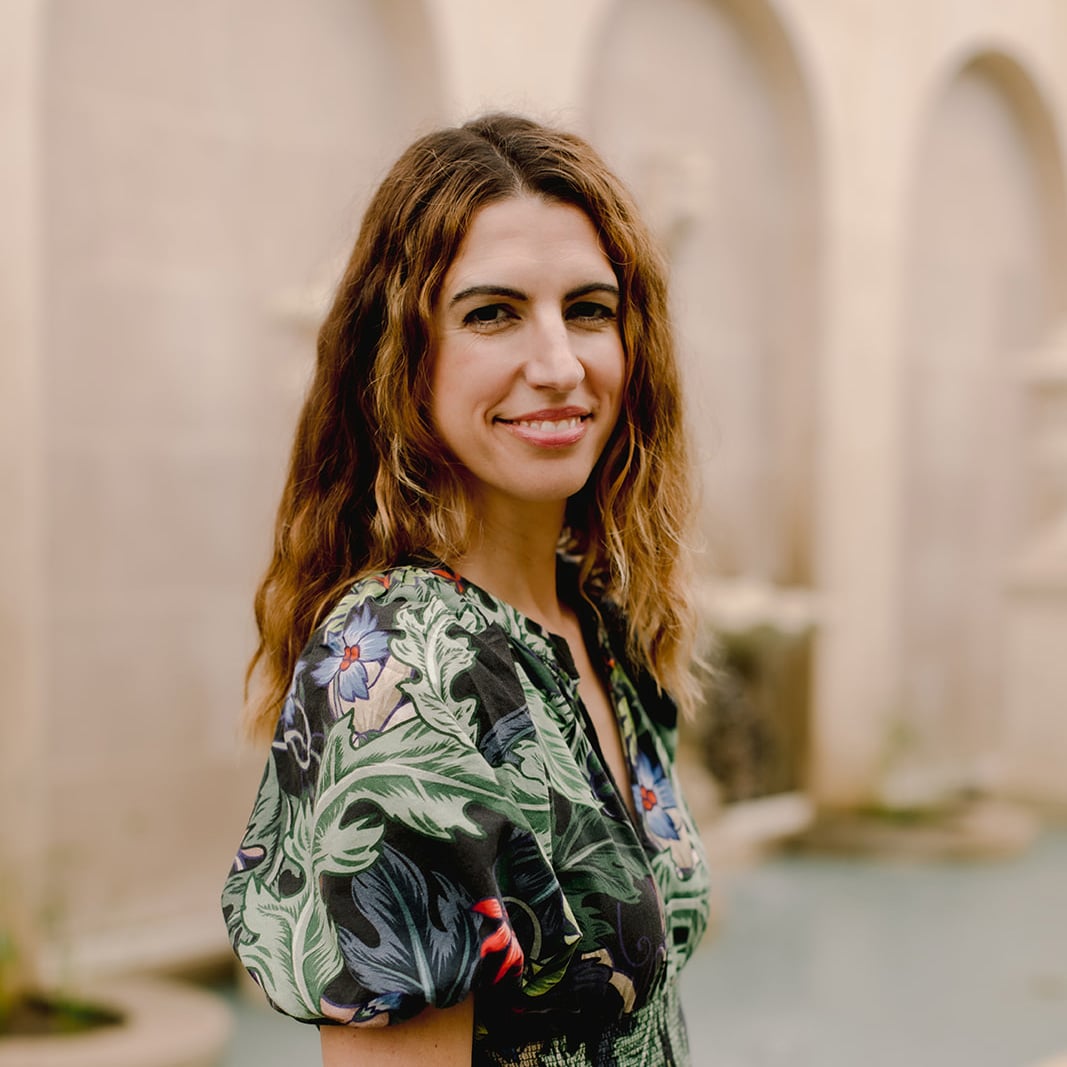
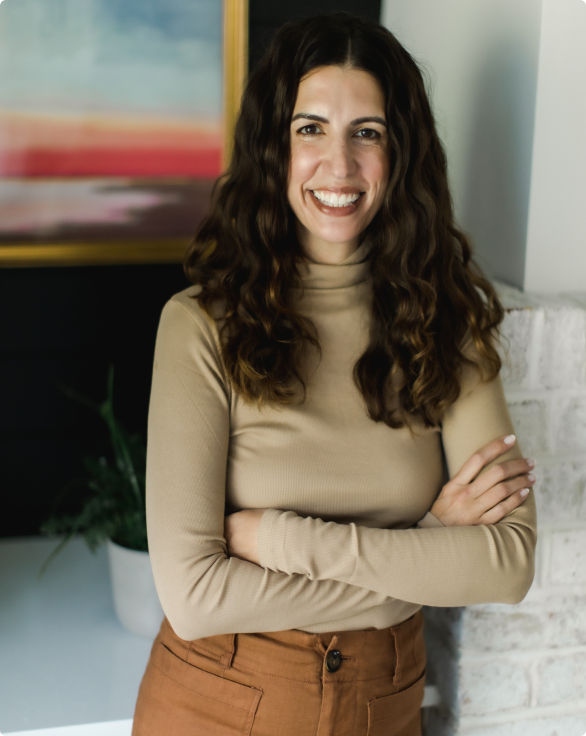
Hi, I’m Kristen Carder—ADHD expert, podcast host, and certified coach who’s been exactly where you are. Diagnosed at 21, I spent years cycling through planners, courses, and systems that never quite worked. Everything changed when I discovered the power of understanding my ADHD brain and the transformative impact of community support.

Now, after 15+ years of research and experience, I’ve helped thousands of adults with ADHD thrive. I’m here to show you how understanding your brain can transform your life, just like it did for mine.


ADHD Tips That Actually Make Sense

Follow @i.have.adhd.podcast and join our Instagram community for daily strategies, relatable content, and real talk about ADHD