

Podcast Episode #145: ADHD’s Impact on Sex

Listen or Watch this episode on:

About This Episode

Certified sex educator Cate Osborn is with us today to talk about all things sex as it relates to ADHD. Get ready for a fun and enlightening episode about how ADHD affects sex and intimacy, and how you can begin to overcome these challenges so that you can reach your potential …even in the bedroom (too far? Sorry). 

Learn more about Catie:

[Website](https://catieosaurus.com/) 

[Instagram](https://www.instagram.com/catieosaurus/) 

[Tiktok](https://www.tiktok.com/@catieosaurus) 

[Youtube](https://www.youtube.com/catieosaurus) 

[Podcast – Catie and Erik’s Infinite Quest](https://open.spotify.com/show/5J6cPDiY6tacgMijAjUoKS)

Visit [www.ihaveadhd.com](https://ihaveadhd.com) for more resources

Hang out with me on [Instagram](http://www.instagram.com/i.have.adhd.podcast)

See Privacy Policy at [https://art19.com/privacy](https://art19.com/privacy) and California Privacy Notice at [https://art19.com/privacy#do-not-sell-my-info](https://art19.com/privacy#do-not-sell-my-info).
Episode Transcript

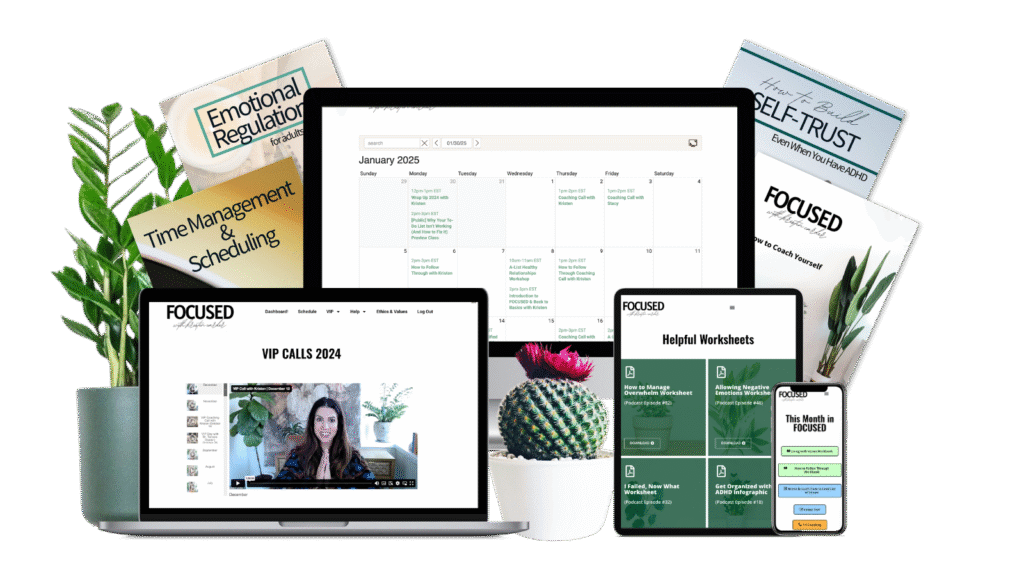
This episode is sponsored by CURE Hydration. All right, I’m going to be real with you. Drinking water is boring. My ADHD brain is like, wait, we have to do this again? Like every day, multiple times. What in the world? And because I’m running from meetings to coaching calls to kid chaos, staying hydrated is not something I’m naturally good at. It’s not something I naturally think about. That’s why I’ve been obsessed with Cure hydration packs lately. Cure is a plant based hydrating electrolyte mix with no added sugar, only 25 calories, and it actually tastes good. The watermelon and berry pomegranate have been on repeat for me. I’m actually like really running low on those flavors, which is so sad. They’re refreshing without being too sweet or artificial. It feels like my water finally has a little bit of personality, which I enjoy. I really do. What I love most is that CURE uses a science backed formula that hydrates as effectively as an IV drip. So when I’m scrambling through my day forgetting my water again, CURE helps me to catch up fast. I throw a few packs in my bag and it makes drinking enough water simple, which for my ADHD brain is basically a miracle. So staying hydrated isn’t just about water. You also need electrolytes. And that’s why I love Cure. It’s clean, tastes great, and it actually works. And bonus, CURE is FSA HSA approved so you can use those funds to stay hydrated. The smart way for I have ADHD Podcast listeners, you can get 20% off your first order@curehydration.com I have ADHD with the code I have ADHD. And if you get a post purchase survey, make sure to tell them that you heard about Cure right here on the podcast. It really does help to support the show. Don’t just drink more water, upgrade it with cure. Did you know you can opt out of winter with VRBO? Save up to $1,500 for booking a month long stay. When thousands of sunny homes are waiting for you, why subject yourself to the cold? Put the snow shovel down, put the parka back in the closet and don’t you dare scrape another windshield, Slip into some flip flops, consider a sunless tan and use the monthly stays filter to save up to $1,500. Book your warm getaway at vrbo.com. Welcome to the I have ADHD podcast where it’s all about education, encouragement and coaching for adults with adhd. I’m your host Kristen Carter and I have ADHD let’s chat about the frustrations, humor and challenges of adulting relationships with, working and achieving with this neurodevelopmental disorder. I’ll help you understand your unique brain, unlock your potential and move from point A to point B. Hey, what’s up? This is Kristen Carter and you’re listening to The I have ADHD podcast, episode number 145. I am medicated, I am heavily caffeinated and I am ready roll. Today on the podcast I have Kate Osborne or Katiosaurus who is a certified ADHD sex educator and we are going to be talking about all things sex as it relates to ADHDers. So I mean, obviously you probably gathered it from the title of this episode, but I did want to give you just a gentle heads up that if you’re listening around kiddos and feel like this content might be a little bit too adult for them, you just go ahead and pop in in some earbuds. So in addition to being an ADHD sex educator, Kate is a mental health advocate and a full time content creator. She also hosts her own podcast called Katie and Eric’s Infinite Quest. As a professional streamer and TTRPG influencer, she is passionate about opening up conversations about neurodiversity and accessibility into the gaming community. Katie, Kate, welcome. Thank you for being here. Hello, I’m. This is, this is like surreal for me. This is like, this is so, so fancy. Hello, thanks for having me. So fancy as you’re like walking me through using ZenCastr. Listen, we all have certain skills. I know how to work zencastr. You were the first ADHD podcast I ever listened to. It’s fine. So here we are. I love it. That’s so great. It’s so good to have you. But first, the, the first thing I need to know is what in the world is a TTRPG influencer? What is that? So TTRPG stands for Tabletop Role Playing Game. And TTRPG Influencer is a very fancy way of saying that I play Dungeons and Dragons for my job. So that’s what that is. I love it. Do you enjoy it so much? I do. My background is in performance and in theater and I really have always just loved solving puzzles, solving mysteries, like going to escape rooms and that kind thing. And so I realized that Dungeons and Dragons, especially with like my background is like this perfect sort of like microcosm of like performing and improv, but also like storytelling and puzzles solving and you know, problem solving with your friends. And so yeah, so I started doing it. I started Talking about the challenges that I have playing D and D as a person with ADHD and depression. And now I play D and D for my job. It’s. It’s been a weird year, man. Wow, what a year. So has it only been a year since you’ve kind of stepped into this identity? Yeah, it’s been, I think, honestly, next in March will be sort of like the, the anniversary of everything sort of kicking off because that was when I lost my job with the pandemic and all that kind of stuff. And so, yeah, like, the pandemic was really the thing that kicked off my starting on TikTok and, you know, making TikToks and talking about my experience with ADHD and it’s just kind of kept snowballing and kept growing from there. And this has been just the biggest honor and strangest, strangest time of my entire life. I love that so much. So what does it mean to be a certified ADHD sex educator? What is that exactly? And who is the certifying body? So I think it’s hilarious. Oh, yeah. So, so basically I think a better way of saying it is that I’m a certified sex educator with adhd. But the, but my website had character, but I, I earned my certification through an organization called the American College of Sexologists International. And they are an organization that works to sort of train and teach and support sex educators who are doing it more in a educational, community based environment. There’s another certifying organization called, I believe it’s ascii, something like that. And they are, they’re the very fancy one. They’re the one who are, who are certifying, you know, like psychologists and, and doctors and people with like master’s degrees. But I have enough master’s degrees. And so I decided that I was like, I was like, why not just add it to the edits of the wall? But I decided that like, with, with the training and the stuff that I was passionate about, I like, my thing is I’ve always been very honest about the fact, like, I’m not a doctor, I’m not a psychiatrist, I’m not a counselor. Like, I’m just a nerd who got mad about not knowing enough about my own brain. And so, yeah, I’ve been really fortunate. I took, I think it was something like 400 some hours of classes and certifications and specialist interest topics and all of that kind of stuff. And then, yeah, they granted me my certification. There’s an application process. You have to like, apply for it and all this different Stuff I had to, like, send in letters of recommendation and all these different things. And yeah, so I was. It was really cool because I was doing it kind of in secret because I’ve always done. I don’t know if you have this, but I always have this thing where if I tell somebody I’m going to do something, then it always winds up, like, fizzling out, and then I’m, like, embarrassed. And so I was secretly. I was, like, secretly getting accredited for, like, months, and then it finally happened, and it was just, like, a really rewarding day. Oh, that is so, so cool. So why do you feel like there is a need for sex education in the ADHD community? Why was this, like, a passion for you? Well, I come from kind of a unique background in that I was raised in a very conservative and very religious household. And I went to private school for most of my youth. And my sex education story that I always tell, and this is a true thing that happened to me, was that my sex education went like this. A nun. And it was a nun. It was a real nun. A habit now came into our classroom with those little miniature bags of, like, snacks, you know, like Cheetos, Fritos, whatever. And we all got to choose snacks. We were all really excited because it was snack time. And this was, like, I want to say seventh grade. Seventh or eighth grade. So, like, old enough to, like. A lot of us were starting puberty. We were, like, you know, having questions about sex and sexuality. So we all got snacks. And so then she gave us all a Dixie cup. And she said that we. She had us eat a mouthful of the snacks and then spit the snacks into the Dixie cup. So you had, like, mushed up Cheetos in the Dixie cup. And then we had to walk around. We had to find somebody. Like, a boy and girl had to pair up together, and the girls had to take the boys, like, spitty, you know, Dorito cup and mix it in with hers. And then the nun told us, and that’s what having sex before marriage is like, because you’re contaminated and nobody wants your chewed up mouthful of snacks. You see this lesson? And so that was. That was my sex ed. That was like. That was it. That was like. That was. All. That was. All we got was, was Dorito mouth, right? And so growing up, I had a lot of questions about sexuality, and I had a lot of concerns about sexuality and my body and what was right and what was normal and what wasn’t normal and what was, you know, what was wrong. And, like, all of these different things. And for me, in my experience, that really internalized with this idea that I grew up with a lot of shame around my body and a lot of shame around sexuality. And as I learned more about ADHD and the profound connection that ADHD has to sex and even sort of more specifically relationships and intimacy and that kind of thing, I started just going, oh my gosh, like, this isn’t in the brochure. This is not something that they talk about. This is not something that comes up, you know, when you get your little pamphlet at your diagnosis, you know, appointment. And so I just kind of decided like, well, if nobody else is talking about it, might as well be me. Love. Love that so much. What do you feel like is, or maybe are. What do you feel like are some of the most profound impacts that ADHD has on, you know, relationships into. Well, not necessarily relationships, but intimacy and. Yeah, absolutely. I mean, I think the biggest thing is that because of the way that our brains are built and because of the way that our brains process information, we are always looking for stimulation of some kind. And it’s always really easy to make like the haha stimulation joke, but it actually works really well here because the, the thing with adhd, especially in conversation with sexual, is that there tend to be sort of two sides of the same coin. On one side, you have hypersexuality where people with ADHD will often act very impulsively and sometimes it can even look like making really risky decisions, making maybe less than risk informed decisions, STIs, you know, pregnancies, that kind of thing, because of that sort of like dopamine seeking of like, I want sex, I want that stimulation. This is an activity that I enjoy. On the other side of the coin is hypo sexuality, which affects a large portion of the ADHD population. And what that looks like is that looks like struggling to focus during sex, struggling to, to get in the right headspace for intimacy, struggle with arousal, struggle with orgasm. For men, a lot of times it can look like erectile dysfunction. For women especially, they tend to struggle with like orgasm and that kind of thing. And so there’s like, there’s this very broad range of issues that affect ADHD folks. But even more than that, and I think interestingly, is that a lot of times ADHD people will experience both because the same way that, like, sexual desire is not like a fixed point, right? There’s no like one right way to experience desire. There’s no one right way to experience, you know, love or lust or whatever it may be. And so that looks different on everybody. Also, at any point, if I’ve been going on for too long, please just let me know. I get like, super excited talking about this. So I’m always just like, and here’s an info dump for you. It’s exactly what I’m looking for. You’re absolutely perfect. But so, so because of that, because desire, there’s no such thing as like a fixed desire point. There are peaks and valleys to everybody’s arousal. This isn’t just an ADHD thing. It is perfectly normal, perfectly natural to, you know, sometimes really want to have sex and sometimes have absolutely no interest in it. But because of the combination of, you know, that sort of like, lack of stimulation, executive dysfunction, even to some, like, certain extent, like object par. Permanence, you know, object constancy, remembering that people exist, it can really pose a challenge to the ADHD person when they are looking for that intimacy. And that is not even that. And then that all of that is sort of like bookended by like. And also rejection sensitivity, which is like, I don’t even have, like, if you have nine more episodes of the podcast you would like to devote to how that affects relationships, but it’s a whole thing. 100%. 100%. Okay, so you said a couple really interesting things. So first of all, I think, at least for myself, when most of us think of adhd, impulsivity, lack of focus, poor executive functioning, what I usually think of is risky sexual behavior. Like, kind of almost like the like you were describing, looking for stimulation everywhere. And so my stereotype of someone with ADHD would be someone who is kind of like, not over sexualized, but like, more apt to be. What’s the word? Creative and risky and all that stuff. But I love this talking about hyposexuality because I think the struggling to focus and the, the difficulty that that poses can be really interesting. Can you talk more about that? So it’s really interesting the way that like, hypo and hypersexuality sort of work or like, not work, but are represented in the ADHD community. Because there’s been a handful, and I really do mean a handful. Like, we are just now really starting to like, delve into what adult ADHD means and what it looks like and what it signifies for people living with it. But particularly they found that around 40% of both men and women with ADHD struggle with some sort of what they call sexual dysfunction. Now, I promise I will answer the question, but I have to like, sort of like pave the way A little bit. But the thing is, with sexual dysfunction, sexual dysfunction is kind of a misnomer because sexual dysfunction exists. There are some times where there is something physically or mentally not working in the way that it should that disallows for sexual. But a lot of times what we’re actually talking about in conversation with sexual dysfunction is more of what you could safely call sexual disappointment, where it’s not that they’re, you’re broken, it’s not that there’s something wrong with you. It’s just that you’re not getting what you want in those moments and those moments of not getting what you want, not being able to sort of, you know, you know, whether it’s orgasm or even, you know, experience arousal, be interested in sex at all. A lot of that has to, has to do with, with that sort of disappointment. And those disappointments sort of like grow and grow and grow and they become larger wholesale relationship issues, you know. And so because of that, hyposexuality is often, I think, the one that is far more insidious and far more. And the damage can be, I think, far longer lasting, especially to long term relationships. A really great example is just sort of like, think of just, you know, dear listener, whoever may be listening to this right now, think of the relationship that you were in. You know, where it was new and it was exciting and you were getting that new relationship energy that like dopamine and, you know, the like, oh my gosh, this is amazing. This is wonderful. But over time, that starts to dissipate because that is how, you know, relationships evolve and change over time. Unfortunately for many people with adhd, that is the moment where things start to fall apart because our brain is saying, no, no, no, no, no. Like, we’re not getting stimulation anymore. We’re not. We’re not getting the same sort of like, you know, immediate dopamine that we were getting before. There must be something wrong. This must not be true love. This must be, we must not be right together. And that can be really, really frustrating because a lot of times, you know, you deeply love and you deeply care about somebody, but, you know, not wanting to have sex for six months at a time because it’s not an idea that occurs to you, that’s a reality for a lot of people with adhd. Right? I think I answered that question. You did. And I’m just like sitting with that because I’m finding it to be so fascinating. And when you mentioned like, object permanence, it’s almost like this is going to sound so weird. But like, an object is something that you see in front of you and it’s something that you can touch it, you can feel it, whatever. But sex is this thing that’s not right in front of you necessarily. And you, like, it’s sometimes hard to remember that it exists. Like, oh, it’s a thing I forgot, and. And on. And even more than that too. I mean, you’re exactly correct. But even more than that is the fact that our brain doesn’t necessarily distinguish between the stimulation of sex and the stimulation of like, a really good sandwich. And so there is this sort of like the immediacy of sex. Like, if sex is like immediately, you know, an option to be had, then like, oh, yeah, that’s the thing that I’m thinking about. But, you know, if you’re going through your day, if you’re focused, if you’re hyper fixated, like, whatever you might be doing, and then all of a sudden, you know, it’s like, now we have to like, right, you know, turn the bus to the right, and all of a sudden we’re talking about sex. They can be really disconcerting. It can be really difficult to get in the right headspace. It can be really difficult to switch between those sort of like, very different tasks. Because sex is a task, you know, and that’s something that we don’t. I don’t think we talk about nearly enough. Like, sex is a thing to do. You can have sex or you can do your dishes. They are tasks with steps and processes and sometimes like, certain accoutrement that you may need. You know, sometimes you need a dishes, brush, sometimes you need a riding crop. I’m not here to judge. But because of that, like, sex can also start to feel like a choreography. Sex can also start to feel like just another thing. And especially when you’re struggling with that, like, lack of, you know, stimulation, lack of serotonin, lack of dopamine, that kind of thing. It can be really hard to sort of parse through that and say, okay, now I am in the mood for sex. And that is something that took me years to really unpack the impact that that was having on my life. How do you think that executive functioning plays a role or our lack of or struggle with executive functioning plays a role in this? In your perspective of like, kind of looking at sex as a task with certain steps? Like when as soon as you started to say that, like, my anxiety went up a little bit because any task that has more than one step, I’m like, I’m out like that’s, it’s very difficult for ADHDers to even agree to that sort of thing. So how, how do you see executive functioning impacting people’s sex life? Oh, man. In so many different ways. I mean, talking, you know, just very specifically talking about what I, you know, was just saying, you know, in terms of, like, sometimes you have to prepare or prep or whatever for sex, and that is totally okay. But even like when you get into more established, you know, long term couples partnerships, especially where there’s kids involved, you know, a big one that I hear about a lot in the work that I do is scheduling sex. Because a lot of, you know, sex and relationship experts will always say, oh, schedule sex, you know, you know, Tuesday nights, it’s, it’s getting business time, you know, and that’s great advice if that works. But I’m going to circle back on myself and tell the story, but I promise it has a point. So in conversation with executive dysfunction, like everybody’s executive dysfunction looks different. We all have things that we are very, very good at and we also have things that we are, we really struggle with, you know. And so when I was, when I was going through training, I was in this class with this guy who was, did not have ADHD and had clearly never been depressed today in his life. And he was talking about how, you know, sometimes sex gets interrupted. You know, you might have to pee or somebody falls off the bed or, you know, like whatever, just funny, weird stuff that happens during sex. And he said, don’t worry about it, it’s not a big deal. And then he said this, he said, the moment isn’t fragile. You can always just come back, you know, go to the bathroom, you know, like, whatever, laugh it off, whatever. And as much as I’m wholeheartedly in support of like being able to laugh and have fun during sex, I had this moment where I was like, that is the exact opposite thing of true for me. Every moment is fragile. Every moment that I live is fragile. It’s will I get distracted? Am I going to be able to hold on to my thought? Am I going to be able to hold on to my goal or, you know, whatever task, you know, finding the dishes, brush, you know, whatever that may be before that next thing occurs to me and I go, oh, actually I need to go over here. Oh, actually I need to go over here. And so in conversation with executive dysfunction, I think the, the place that it shows up the most and the place that it really winds up happening sort of across the board is in Whatever your fragility, that, that moment of fragility is for you, whether it be moving from task to task, whether it be, you know, really dealing with, you know, scheduling and having to be in the right headspace, whether it be task management, like just sex feeling like this monumental task, overstimulation under stimulation, like I could go on and on and on and on because it’s so much and it’s so big and it’s so broad. But yeah, that, that’s kind of. My answer is that executive dysfunction makes our moments fragile. And when the bulk of sex education and the bulk of, of conversations around sex and good and healthy and productive conversations about sex, like, I do not mean to say that these are faulty or bad conversations, but they’re not representing us, they’re not representing me, they’re not representing ADHD and neurodiversity in the way that like, paves our way for to success. It’s another way of just saying if you don’t do it this way, then you’re wrong. And it’s so frustrating. Wow. I mean, even to think of the drama that would come with telling somebody with adhd, just put it on your calendar. It’s like, I never follow my calendar. Like, I have so much shame around my calendar. I don’t want to add this to my calendar. I don’t want to make it just another thing that I’m failing at. And it can be really hard to find a balance because, you know, for some people, like, it’s funny that you said that because I live and die by my calendar, like, God forbid, the day I lose my phone because I will not know where I live. But like, you know, some people scheduling is super effective and that’s great because now, like, they know that like, like 6pm you know, here comes my partner and it’s going to be great. But for other people, you know, if their schedule is very changing or they struggle with calendars or, you know, whatever it may be, it’s completely counterintuitive. And so it’s like, it’s really about, I think not ever. It’s so weird because I’m like here painting these like, broad, you know, sort of generalizations, but at the same time, like, my whole thing and the thing that I always really try to stress is like, you have to make it about you and your, your partner. What is right for you, what is right for your partner. You know, that is what matters. It doesn’t matter what anybody else does. It doesn’t matter what everybody else says, you know, Makes sense or doesn’t. It’s. If it works for you, that is. That’s enough. Hmm. How does someone with ADHD express these differences in how they approach sex and intimacy? How. How do you recommend that we talk to our partners about this? Gosh. I mean, the. I think, really simplistic answer is just with honesty and vulnerability. You know, one of the things that I think is really interesting about conversations about ADHD or mental health in general is that I think that there’s this idea that there’s, like, the perfect speech. You know, there’s like the. The speech that you give, and all of a sudden, you know, all of your. Your issues and your problems are laid bare, and you’re crying and they’re crying, and there’s, like, doves flying out behind you and music plays, and you’re on a beach and there’s two bathtubs for some reason, you know, and it’s like, life doesn’ work like that. Like, life is clunky and weird and awkward, and you have different inside jokes than I do, you know, and, like, this is a true story. 90% of the time that I talk to my husband, I talk to him in this voice. I’m like, this is just how to have a talk. It’s like a weird thing that happened, and, like, now that’s how we communicate. It’s embarrassing, but that’s the reality of my life, and so I love it. My. My honest advice is do it in the way again. That makes sense to you? Some people need to start with just saying, acknowledge. Just acknowledging the fact that, like, sometimes I get bored and distracted during sex, but without judgment, without shame, without guilt. Just saying factually, sometimes I get distracted during sex. And then, you know, that can sort of, like, generate into a very productive conversation about, okay, well, what does that look like then? How do we keep you in the moment? How do we work together to share. Share this intimacy with each other without your getting distracted? Now, in my case, one of my sort of, like, if my special interest is ADHD and sex, my special special interest is ADHD and kink in the. And in the kink community and, like, neurodiversity in the kink community. And so for some people. Wait, wait, wait, wait. There’s a kink community? Oh, there’s a huge kink community. There’s a. There’s a. There’s a vast and vibrant and. And glorious kink community. Educators, you know, advocates, teachers, all sorts. There is. There’s a wide, wide world, and I am privileged and lucky enough That I get to educate about neurodiversity and making kink more accessible for neurodivergent and disabled people. So pretty awesome. That is cool. Sorry, dude. I love talking about kink. You’re fine. But so, like, so going back to that conversation, like, so. So for some people, it might just be that acknowledgment of, like, here is the issue. And then out of that, you can say, okay, well, what if we put on, you know, really good classical music for some people. Great. Cool. I’ve got a little background noise. Like, my brain is, you know, happy I got this going on. Awesome. Now, some people might say music would make me even more distracted because then I’m paying attention to the music, or, you know, oh, I really like this song, or, oh, that reminds me of a time, you know, that can happen. Right, Right. You know, so then it might be, okay, well, what if we did earplugs? You know, like, what if we removed some additional stimulation so you could be more in your head and focus on, you know, what’s going on? For some people, that might be the solution, you know, but for other people, oh, my God, I can’t do silence. That would put me even more in my head, and I would be alone with my thoughts, and it would be really hard for me to focus, you know, so different people, different couples, different situations require different sort of problem solving skills. But the only way to get to it, the only way to, like, open up those conversations is simply, I think, by really and truly just removing the shame. Like, it can take a lot of courage, and it can be really, really hard to look at somebody who you love and you care about, and you’re like, you are, you know, the person that I love more than anything in the entire world, and I want us to be together forever. Also, when our neighbor is mowing the lawn, I don’t want to have sex with you. Like, it can be so weird to have those conversations. And so I never want to pretend like, those conversations are easy or that they. They. They should. Oh, it’s just so easy. Just go talk to your partner. Because a lot of people don’t have that tool in their toolbox yet because they’ve. Because they’ve never had to, you know? And so, yeah, I guess my very, very, very, very, very roundabout answer is talk. Wow. Wow. Okay. So this is so beautiful because I have this question. I’ve had it since you mentioned your. Your own sex education story. I’m curious. What steps did you go through in order to peel off the layers of shame. So as someone who was also raised in a conservative religious community, like, I can attest to the shame around intimacy, sexuality, all of that. So I’m interested to hear what your journey has been like in removing that shame and becoming more honest and vulnerable with your partner. Oh, gosh. I mean, I think I just have to be really honest and transparent. Is like, it’s an ongoing process. Like, I’m not a hero, you know, but really and truly, like, that’s it. It is an ongoing process. And it’s so interesting to me because I mean it like, I’m a certified sex educator. I go literally around the country, the world, talking about sex and healthy communication and, you know, representing neurodivergence in. In these spaces. And it’s still hard for me to ask for what I want. You know, it’s still hard for me to. To sometimes articulate a need or a want for intimacy. Because for years and years and years, I had it drilled into my head that, like, asking for intimacy somehow makes it count less. You know, asking for words of affirmation somehow make them count less. And, like, I think that’s such a toxic mindset to have to work yourself out of. But it. But it’s. I hear it so often, you know, and so, like, the real truth is, like, I think in those moments where I’m experiencing shame, I’m experiencing guilt. I’m. I’m. I’m, you know, I’m embarrassed. I just. I really have to have that moment of, like, look at how far you’ve come. Like, you have gone from being, you know, deeply ashamed of your queer identity. You’ve been deeply ashamed of, like, you know, just very normal, natural things like masturbation, you know, like, oh, my God, it’s so dirty and shameful and gross. And it’s like, no, it’s one of the best tools that you have to learn how to, like, understand your body and what works and doesn’t work for you. And so a lot of times, I think it’s a combination of really examining those moments, really, like, leaning into those moments, but also just unpacking and saying, well, why do I think this? Why do I. Why. Why do I get embarrassed when I talk about masturbation? Oh, it’s because I went to a school for 12 years. They told us that we were going to burn in hell if we ever touched ourselves, you know, okay, the problem solved, you know, and so, like, taking that sort of, like, additional breath, that additional moment to. To think about it, I think. But it’s also really hard because I have adhd. And so sometimes I get halfway to that moment of thinking about then something, you know, I remember that I have to take out the garbage and then the process starts all over. So it’s, it’s ongoing. I think it’s so important to understand and to really keep at the forefront of our minds that when we feel shame, the only thing that we want to do is hide and avoid. Yes. And so that shame is so important to recognize and deal with because if we don’t, we will just continue to hide and avoid. So whether it’s hide and avoid from a conversation, from a topic, maybe even from just like the actual act of sex itself, like we’re going to avoid, hide, procrastinate, delay, those are the only actions that come from shame. Yeah, absolutely. And so if what we’re looking for is honesty and vulnerability, we need a different fuel source because shame is not going to be the one. Like, we’re going to need to do some digging. And I’m curious, I know vulnerability is an emotion, but I think it can also be like an action, like the act of being vulnerable. Yeah. I’m curious, what emotions do you find to be very useful when you are wanting to be honest and vulnerable? Oh, my God. That’s such a good question. Oh, my gosh. I feel like this is going to be a cop out. I feel like I’m cheating. But I feel like any emotion for me, anything other than shame. Well, and here’s why, though, is because. And this again, goes. It’s really tight. I mean, this is not about sex at all. This is just like, here’s some trauma for you, but like, for me, part of my very conservative upbringing, part of that sort of like religious indoctrination that I went through, also involved a lot of denying my own feelings, a lot of my own emotions, you know, just like, oh, it’s not okay to get mad, it’s not okay to feel anger, it’s not okay to feel whatever, you know, you’re too much. You’re, you’re, you’re, you’re be, you’re making, you’re being overdramatic, you know, like that. Then how many people with ADHD have heard, you know, you’re being too much, you’re being too loud, you need to calm down. I heard that my entire life. And so now, like, I think, like, literally I have therapy in an hour, you know, to like, work through some of that. Girl, I know, right? We love, we love a therapy moment at 3pm Like I know, 3pm therapy club, let’s go. But like, that. So for me, like, all of it, all of it ties into that because, like, I spent so long actively avoiding my emotions, actively avoiding just feeling in general because it was safe and not dangerous and not okay. And so. Yeah, so like, my. My personal answer. And again, this is. I think this has a lot more to do with, like, you know, background than anything else. But it’s just all of that is helpful me, because any, you know, if I get mad about something. Okay, well, why are you getting mad? You know, if I’m. If I’m feeling, you know, happy, like, why, why. Why are you happy? What is this moment? Like, let’s. Let’s dive into this. What does this feel like? And the more that I’ve sort of like learned to. To feel my emotions, which is weird, by the way. Did you know that you can just feel emotions and not them? Like, it’s not. There’s like a whole secondary process that nobody ever talked to me about. Totally. So, yeah. So, I mean, I think maybe a very. I don’t want to say corny, but very, like, wholesome answer is like learning to trust myself, learning to experience my own experience in that moment that has been the most useful. You know? Does that make any sense at all? It does. It really does. And what I think is like, the biggest. Maybe not the biggest, but a very big takeaway here is like, if we’re judging our emotional experience, that judgment is just going to then likely cause some shame, and that shame is then going to shut us up and make us hide and not really tell the truth. Absolutely. And so it’s really so much about dropping the judgment of whatever we’re experiencing emotionally. So if I am mad, that can prompt me to be honest. It can prompt me to be vulnerable as long as I’m not judging myself for being mad. Right. Like, I shouldn’t be mad right now. Which is the kind of mental jujitsu that I have to go through every time I experience a big emotion is I want to first tell myself I shouldn’t be feeling this way. Because that’s so often what I was told, you know, growing up was like, you shouldn’t be feeling this way. Everything’s fine. I’m like, wait, what? Everything doesn’t feel fine. So now as an adult, when I am feeling a very big emotion, I often tell myself, you shouldn’t be feeling this way. And I have to kind of go through that, peeling away the self judgment. So I do agree that like any. Any Emotion, besides shame can really yield the results of being honest and vulnerable. Asking for what you want and need. And. And that always creates more intimacy. Yeah, absolutely. That is. That is. No notes on that one. I love it so much. So, as we kind of, like, wrap up here, I would love to know what are kind of like the top things that you find yourself saying to adults with ADHD when it comes to intimacy and sex? What are the things that you. You find we need to hear kind of over and over? I mean, do you want to know? The biggest one is that you’re not broken. You’re. You’re not. You’re not broken. You’re not alone. You are not the only person struggling and dealing with whatever the thing is that you are struggling and dealing with. And the more and more that I’ve done this work and the more that I continue to. By the way, thank you again for having me on. But to do stuff like this and interact with the, you know, ADHD and neurodivergent community as a whole, the more that I realize, like, so much of this, this is just. It’s. It’s everywhere. You know, ADHD affects every part of our lives. And so especially if you are an adult living with adhd, it absolutely makes sense that your executive dysfunction is going to affect your relationships. And. And the way that you look at sex and intimacy and the way that you move through the world, and there’s nothing wrong with that. You are not broken. It’s just the trick is to figure out the systems and the things that work for you in order to have the relationship and the intimacy that is right for you. Oh, so beautiful. That’s so beautiful. And what that makes me think of is scaffolding. Like, scaffolding needs to be implemented in every area of our lives so that we can grow into being, like, the very most us version of us. Wow. That was really not a pretty way to say it, but you know what I’m saying? And I have never thought about that as it relates to sex and intimacy. Like, what is the scaffolding? What is the support? What do you need to put into place so that you can reach your potential in the bedroom? That’s so funny to even think about it that way, but I love it for some people, it’s actual scaffolding. Oh, my God. I’m really proud of that joke. Sorry, I thought of that, like, five minutes ago. I’ve been sitting on it. It’s fine. Oh, my gosh. That was really good. Very funny. You can take that to Your next like kink talk or whatever. Like actual scaffolding, guys. Actual scaffolding. You heard it here first. Hilarious. Now I’m good, thanks. Okay, first of all, how can people find you? How can they get in touch? How can they connect with you? And, and do you, how do you work with adults with adhd? Or do you, is it more speaking? Are you working in a service based way? Like what? Tell me the things. So first off, you can find me across all social media as Katiasaurus, Katie with A C. Also katiasaurus.com if you want to check it out. If you liked listening to me talk and you would like to listen to me talk more about sex and intimacy and living life with ADHD and also sometimes playing Dungeons and Dragons. I have a podcast, it’s called Katie and Eric’s Infinite Quest. You can go to infinitequestpodcast.com and we’re on all the platforms. We finally made it to Amazon. Very fancy now. So you can check us out wherever you listen to podcasts where I think we’re, I think we might have dipped a little, but at one point we were a top 50 mental health. Not, not, not coming close to you, Kristen. But like one of these days, one of these days maybe we’ll, that’s, maybe we’ll, maybe we can like high five in the ranking chart. But to answer the second part of your question, primarily I do a lot of speaking, I do a lot of content creation surrounding ADHD and just general ADHD education. I also talk a lot about ADHD and kink. I do take on, you know, some clients on a very limited basis. A lot of times it’s honestly just like a one off meeting where I answer questions, we delve a little bit into, you know, ADHD and intimacy and I provide support that way. But again, I’m not a doctor, I’m not a counselor, certainly not a psychologist. I am just a nerd who knows a lot about sex. So yeah, if you want to hit me up, I’m sure Kristin will have that information somewhere. You know it. It’ll be right there in the show. Notes. That’s amazing. Thank you so much. This has been on my mind, on my heart to have an episode about it and I didn’t feel equipped to host it on my own. So I’m so glad to have connected with you. I’m so glad that you’re willing to come on and share some of your story and also just give us insight into the very normal struggle that adults with ADHD experience as it relates to sex and intimacy. So I think you are a gem. I think you’re doing amazing work in the world and I appreciate you. Thank you so much. That really means a lot to me coming from you. Just so you know. And that’s for real. So I’m gonna be all awkward and vulnerable. It’s fine. That’s so sweet. Hey adhder, I see you. I know exactly what it’s like to feel lost, confused, frustrated and like no one out there really understands the way that your brain works. That’s why I created Focused. Focused is my monthly coaching program where I lead you through a step by step process of understanding yourself, feeling better and creating the life that you know you’re meant for. You’ll study, be coached, grow and make amazing changes alongside of other educated professional adults with ADHD from all over the world. Visit ihaveadhd.com focused to learn more.

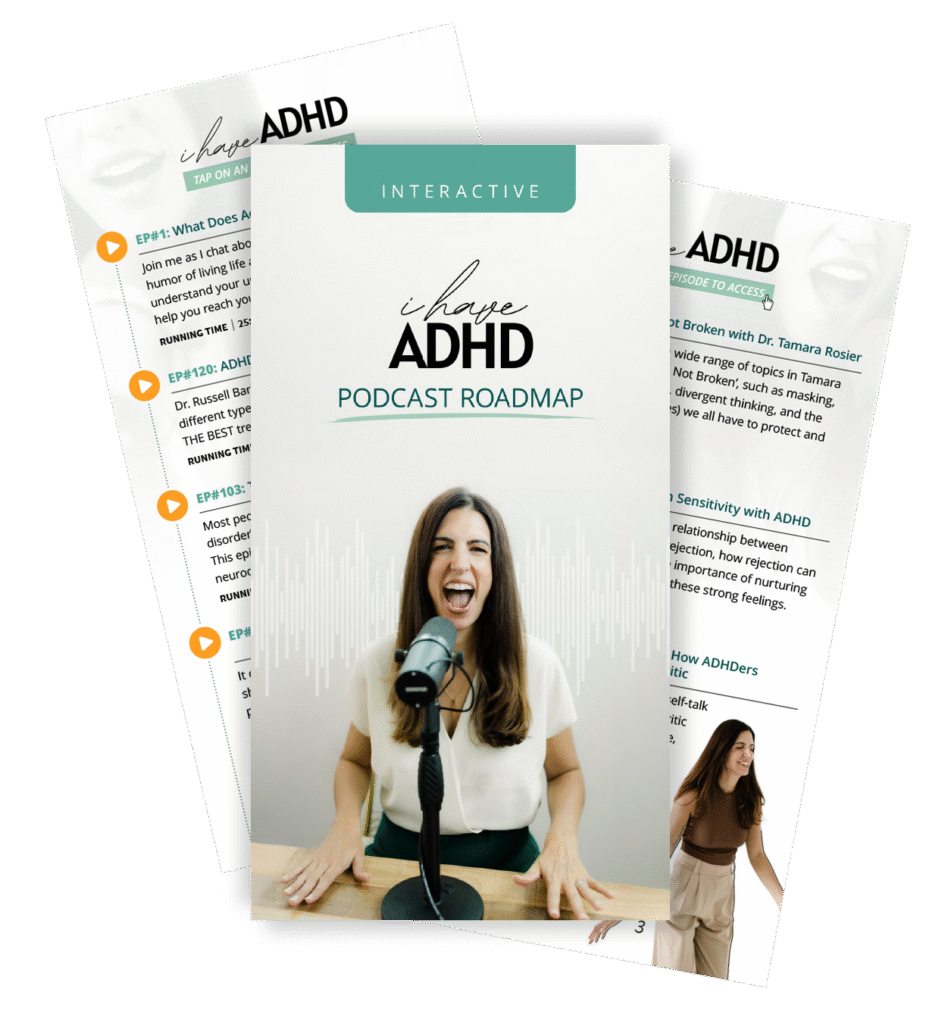
Get The Best of the podcast now with our Podcast Roadmap.

This is a clear and easy podcast roadmap so that you can know for SURE that you’re hearing the very best of the I Have ADHD podcast.

Related Episodes

Kristen Carder

Episode #390: Two Steps Forward, Three Steps Back (Why You Keep Self-Sabotaging and How to Finally Stop)

Kristen Carder

Episode #388: Money. Let’s Finally Deal With It.

Kristen Carder

Episode #386: A Very ADHD Episode: Deep Feelings and Random Reels

Stop Struggling Alone.
Start Thriving With FOCUSED.

A proven coaching program designed specifically for adults with ADHD who want to gain clarity, build confidence, and take control of their lives.

Join a community of hundreds of ADHDers

Learning About My Brain...

Changed Everything

Hi, I’m Kristen Carder—ADHD expert, podcast host, and certified coach who’s been exactly where you are. Diagnosed at 21, I spent years cycling through planners, courses, and systems that never quite worked. Everything changed when I discovered the power of understanding my ADHD brain and the transformative impact of community support.

Now, after 15+ years of research and experience, I’ve helped thousands of adults with ADHD thrive. I’m here to show you how understanding your brain can transform your life, just like it did for mine.

ADHD Tips That Actually Make Sense

Follow @i.have.adhd.podcast and join our Instagram community for daily strategies, relatable content, and real talk about ADHD

Click here to sign up for the FREE Class with Kristen on Wednesday, 4/1: Too Much & Not Enough: Why ADHD Adults Feel “In Trouble” in Relationships

  • 00Days
  • 00Hrs
  • 00Min
  • 00Sec