


Kristen Carder 0:05
Welcome to the I have ADHD podcast where it’s all about education, encouragement and coaching for adults. With ADHD, I’m your host, Kristen Carter and I have ADHD, let’s chat about the frustrations, humor and challenges of adulting, relationships, working and achieving with this neurodevelopmental disorder, I’ll help you understand your unique brain, unlock your potential and move from point A to point B.
Hey, what’s up? This is Kristen Carter, and you’ve tuned into the I have ADHD podcast. I am medicated, caffeinated, regulated and ready to roll. How are you how are you happy March? Are you getting more sunshine in your life? Are you getting more sunshine in your life? I think by the time this episode drops, we will have completed daylight savings, or saved the daylight, or gotten the daylight, whatever it is, we’ve sprung ahead. We have sprung ahead. The birds are chirping, hopefully the sun is shining in your area and you are able to get more sunshine. If you remember, from a couple of months ago, I did an episode all about sleep and wellness and how important the sun is in our circadian rhythm, which actually really helps us to sleep and be well rested. And oh my goodness, I hope that you are soaking it up. We are so close to spring. We are so close to warm weather and longer days and like evenings on the back porch, like we’re so close everyone I’m getting very, very, very excited. The word that I’m looking for is like, I’m anticipating it. I’m like, it’s coming. I can feel it. I can feel it, even though currently there is snow on the ground. But let us not mention that small, small fact that does not need to be it does not need to be mentioned. I am so glad to be here with you today. Today is a solo episode. We’re going all over the place. Today. We’re gonna listen to some of your voicemails, and gosh, I just love your voicemails. I love when you call in, even if we don’t feature you on the show. I love to listen to you, to hear your stories.
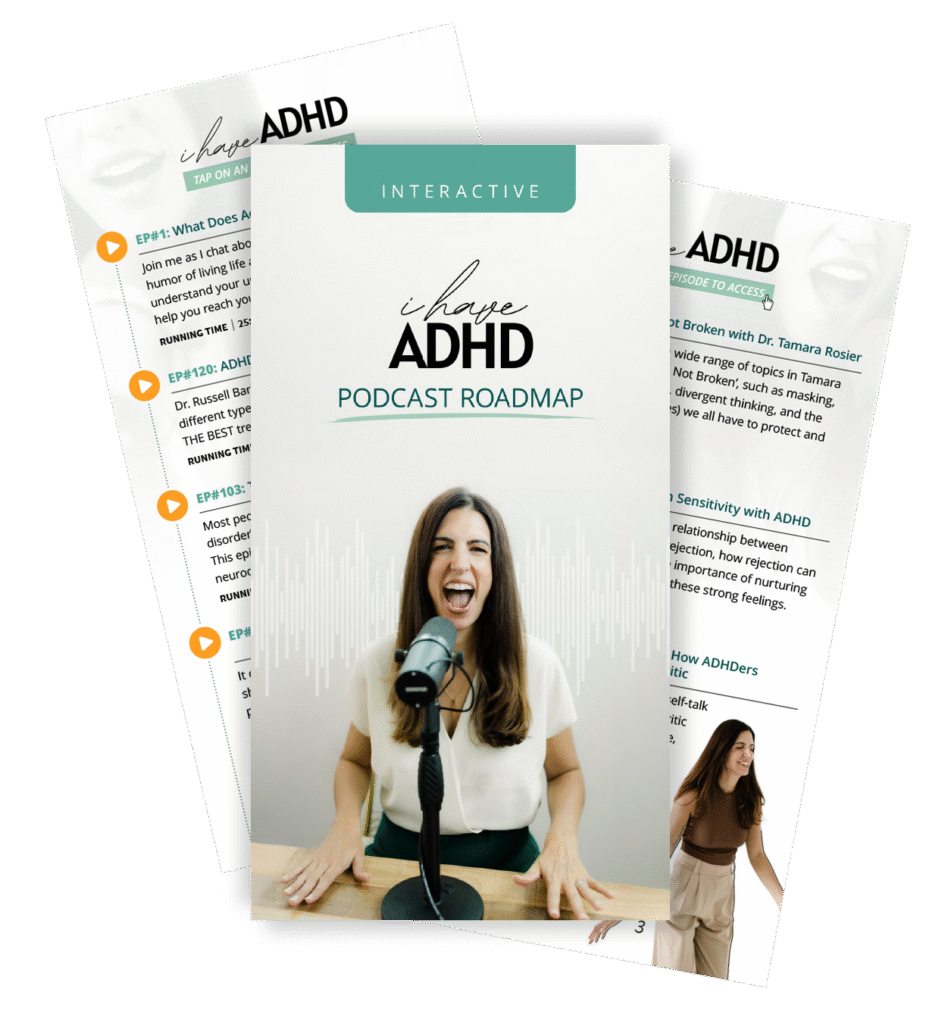
Some of you are just being so kind to me, and like telling me that you love me and I just that makes my heart so happy. Thank you so much. It’s it’s so great to hear from you. So we’re gonna listen to a couple of your voicemails. We’re gonna talk a little bit more about arfid, which is avoidant, restrictive food intake disorder. I did an episode on that a couple weeks ago, I’m still in the midst of the deep dive and helping the person that I love heal from arfid. And so I have some more information to talk about today, and I got an amazing comment on YouTube that I actually want to read for you all, because this person just shared her story so beautifully. And I thought it would be amazing to highlight. And then we’re going to get around the internet. We’re going to see what the ADHD ers are doing on Instagram, and they’re probably on Tiktok too, but I am too old for that, so you’re going to we’re going to get around the internet and see what’s up. Okay, so that’s where we’re going today. Let’s first start by me telling you that if you are new to this podcast and you’re like, OMG, there are 386 episodes I have. ADHD, what do you expect me to do? Kristen, I don’t have 386 hours to give to you. No problem at all. I created a resource for you called the podcast roadmap to just help you to understand where kind of like, the most downloaded episodes are, the ones that are that are the most popular, the ones that touch on the most like ADHD specific topics that you might be interested in. You can find that at, I have adhd.com/roadmap so if you’re new to the pod, or you’re maybe just like you’ve been here for a couple weeks, but you’re feeling overwhelmed by all of the episodes that we have. You can go to. I have adhd.com/roadmap, to get, like, a very handy, easy guide to some of our like, most popular, most well listened to episodes. I’m currently peeling my nail polish off of my nails as I sit here and talk to you, I’m gonna hide the pile. Is that one of the most ADHD things you’ve ever heard? I’m not gonna stop doing it. It’s gonna be a nice little fidget while, while we chat together today, the first person that we’re gonna hear from on the voicemail wants to remain anonymous, and I just want to let you know y’all that’s totally that’s totally fine if you want to call in, but you don’t want to, like, self disclose or say your name. Absolutely no problem at all. And just a reminder our voicemail number. Of course, we have this in the show notes for you, but if you want to know it right now, it’s 833, 280, 123, Four, three, that’s 833-281-2343, okay, and it’s in the show notes. You can just head there to grab it all right, let’s first hear from our anonymous caller.
Caller 5:11
Hi, I am gonna keep this anonymous. I hope you don’t mind. I am out on the East Coast, though. I just want to say thank you for all of your work that you do. First of all, I guess, and just state that you are truly changing my life and hopefully my family’s life. I unfortunately resonate and also ace to the dysfunctional families test. And there’s a lot of times in my parenting that I see my family coming through me in the worst of ways. So my question is, you say that it’s never too late to change, but how much damage have I done to especially my oldest, who is now six, in those early years, and how do I remedy it? So how can we move forward or break bad habits? For example, I have said to my children, I love you, but I don’t like you right now, and that was normal to me, and I’m so sorry to them that I have said that, and I thought that, I thought that was healthy, I won’t lie. So anyways, how can we remedy that? How can I fix the damage I’ve possibly done with my kids? But there’s a lot of personal work to do. I would absolutely join focus, if I could looking at, or I’m going to be looking at the resources that you’ve posted in the last few episodes about the dysfunctional and get enough families. So again, thank you for doing this work, and you are changing lives.
Kristen Carder 6:59
Sweetheart. Oh man, get over here and let me give you a big, big, big hug like I just I resonate so much, and I can hear the emotion in your voice like I can hear the sorrow and the grief in your voice when you talk about, like, saying to your to your kiddos, like, I love you, but I don’t like you right now. And I just want to sit with that for a second, like that grief, that pain, it’s so valid, and it’s actually a really beautiful thing. It’s so beautiful that you’re able to recognize I am identifying areas in which I’m causing some harm, and I want to make a change. That’s so good, so many parents are not willing to feel that pain that you are feeling right now, which is why they’re deflecting, they’re dismissing. They’re saying, you’re remembering it wrong. You’re being too sensitive. I did the best I could, et cetera, et cetera, right? And that’s that is a protection so that they don’t have to feel any pain. But what you’re doing is you’re opening yourself up to the pain. And I’m so impressed and so proud of you for doing that. I noticed you said you aced the toxic family test. Congrats. Congrats. Look at us getting A’s on tests. You know what I’m saying, like from one to another, congratulations. It’s a real bummer, though it like, in all seriousness, it is such, such a big bummer. So the first thing that I want to do is acknowledge that when dysfunction is all you know, it seems so normal. And we did talk about this in the episode a couple of weeks ago about family dysfunction. How when, when it when it’s all you know, when it’s the lens that you’re looking through.
Of course, it seems so normal. Of course, you said to your children, I love you, but I don’t like you, because that was normal to you, that was normalized in your family, and you felt like that was being healthy. You felt like that was like holding them accountable, and still showing love, but also having accountability. Of course, you did that. I just want to normalize that before we realize and like really recognize dysfunction. We’re going to naturally operate in it, because that’s all we knew. That’s what seemed normal and healthy to us at the time. So right now, you’re in this transition phase where you’ve got one foot in the dysfunction, one foot in, like, the ideal of what you want, and you’re kind of like bridging the gap between the two. And that’s okay. I just want to normalize that, like transition, that that bridge moment, which, when I say moment, it’s probably going to be a couple years, that’s that is the work, that’s the journey, that that is the great work of your life. And I am so impressed that you’re willing to do it. Yeah, I do want to say something, which is, I’m kind of jealous that your oldest is only six, and you are realizing this, my oldest was twice as old as your oldest when I began to discover how dysfunctional I was. And so while you are feeling like, oh my gosh, like, I’ve already caused so much damage, and is it too late? Question Mark, are we going to be okay? Question Mark, is my kiddo gonna be okay? Question Mark, I want you to know it’s gonna be okay. You’re gonna be fine. Your kid is going to be okay. And there is so much opportunity for connection and growth and healing. Your baby is only six, just like I feel this way with my sister, and I say it to her all the time, and I don’t mean it in a bad way. I’m not like I wish you know that your kids were older, so that you could suffer like I suffered, or they could suffer like my kids suffered. I don’t mean it in a bad way. I just mean like, gosh, I’m so jealous.
I’m so envious that you’re learning this while your kids are so little. I’m so jealous. So I do want to say that like acknowledging and taking accountability for the ways in which you kind of naturally operate is important, and that’s a good thing. And the sorrow and the grief that you feel like really let yourself feel that, and that is good. That’s going to move you toward health. But I have so much hope to give you. It is never too late to make a change in your relationship, especially as your child is is young, okay? And so I want to just give you hope and and let you know that the act of repair is what is going to bring so much health and connection to your relationship with with your kids. And so what that looks like is maybe apologizing, even saying like, Hey, do you remember when I told you that I love you, but I don’t like you? And they, they might say, Yes, I remember. Or they might be like, No, either way, you can you can take accountability. You can say, Well, I remember saying that to you, and Mommy was wrong to say that that’s not kind. I want you to know that even when you’re acting in a way that’s upsetting to me, I love you and I like you, and I’m going to work really, really hard to stay regulated in my body so that I can always be kind to you even when you’re breaking rules, even when you’re acting in a way that’s disruptive to the family. I still love you and I like you in those moments too, and I’m going to be working on that. I just want you to know, and your kid will probably be like, Okay, can I play Roblox now? Like they’re not going to connect with it, and that’s okay. But I want you to know that you can take those moments of repair. You can use opportunities of dysregulation, and as you’re saying, like you’re still kind of functioning in this like unhealthy way. That’s okay. You’re learning. You’re in the process of learning. So holding yourself to a standard of perfection, no, thank you. That’s not going to work. But saying I’m going to notice when I’m when I’m stepping outside of healthy behavior, and I’m always going to come back and repair and connect with my kids, and I want you to know, my anonymous friend, that the relationship that I’ve been able to build with my kids in the last 6,7,8 years has been so much deeper and more connected than I ever, ever, ever thought it could be.
My oldest is now almost 18 years old. He’s going to be 18 in May, and we’ve never had a closer relationship than we do now. And I was just actually thanking God for this the other day, because so many parents say that like you know, in the teenage years, they’re disconnected from their kids, or they have bad relationships with their kids, and it’s been the opposite for me, because of the changes, the therapy, the coaching, the repair, the grief, all of the horrible feelings that I’ve allowed myself to feel in in grieving, you know, kind of how I operated and How I showed up in the past, has allowed our relationship with my like my oldest, to be the most connected, fun, easy, wonderful relationship that it’s ever, ever, ever been. So yes, there is hope for you. Did you cause some damage? I mean, maybe all of us do No. No, no child like no child gets to have perfect parents. None of us get to and our kids don’t either. They actually don’t need perfect parents. They need parents who are willing to take accountability, repair and evolve. And that’s what you’re doing. That’s what you’re doing, and that’s a beautiful thing. So what I want to say to you, and anyone who’s resonating with this, is focus on changing. You focus on your own self work. You can’t join focus. That’s that’s okay. See if you can get therapy covered by your insurance and do some significant work in trauma, informed therapy. Take advantage of the resources that I put into those episodes on family dysfunction. Really do your work, because this is about you. Yes, it’s about your kids, but the relationship and the connection with your kids is going to naturally repair as you repair the relationship that you have with yourself as you continue to identify dysfunction in your family and kind of decide how you want to operate within that, as you are taking accountability, as you are continually willing to see the truth about who you are, the good and the bad. You’re not just bad, the good and the bad. What do you bring to the table? Naturally? Let’s capitalize on that. What is difficult for you? Okay, what? How can we support that? How can we make that better and easier?
Taking a compassionate lens for yourself and really moving forward with your own self growth is the way that you and your kiddos are going to have a great relationship. I promise, I promise, I promise. Take it to the bank. I promise you okay. And again, your kids are little, and even if your kids are going in flow, and if you’re listening to this and like, Well, my kids are in their 40s, like, it’s probably too late for me, it’s not too late, at least for you to improve the relationship that you have again, it’s it. It starts with accountability and repair and owning your mistakes, not groveling in them, not being filled with shame, but just telling yourself and your kids the truth about your mistakes. Hey, I want to own this. I know that there were times that I acted in ways that probably hurt you. I invite you to come to me and tell me, I’m never going to get tired of apologizing to you. Ever, ever, ever, ever, I will do it a million times. I’m never going to tell you, Oh, that’s in the past. Oh my gosh. Why are you bringing that up? Oh my god. We’ve already been over this. Why can’t you just get over it? I’m never going to treat you that way. I want to hear your hurt. I want to hear what you loved and didn’t love about your childhood. I want to hear the parts that I that I did well, but that also like that that were difficult, because I I want connection, and connection happens through repair girl, you got this. You got this. You’re a good mama. You can do this. Your relationship is going to improve. I know it will proud of you. All right, let’s hear from Dalia. She’s our next caller.
Caller 18:15
Hi, my name is Dahlia. I’ve been studying for a while. I got diagnosed in my late 30s, so something that I discovered the other day in therapy is that my ability to get closure for things is very hard because I have a very out of sight, out of mind mentality, and that includes memories and moments of big emotion until a similar thing happens. So say my spouse decides that he they want to do a project, and they don’t talk to me about it first. And I come home and, surprise, there’s a new thing in my house. And I’m like, oh my god, I can’t handle this, because I don’t do change. Well, my brain pulls out every other time that that has happened, and so it compounds my emotions like crazy. And then the second my kid comes around, we don’t fight in front of my kid. So that angry moment gets put on top of the Doom pile of other angry moments, and then my brain forgets it exists. And my therapist is always like, Well, have you talked about I’m like, I can’t even remember that I was mad about it in the first place. So I don’t know if it’s a concept you’ve talked about or anything in focus, because I’m not in focus yet. Instead of doom piles in our houses, it’s the Doom piles in our brain that seems, at least for me, to really mess my life up. So that’s the thing.
Kristen Carder 19:36
Girl, yes, this is so good. Okay, so we’re talking about a couple things here. First of all, because our emotional regulation and like emotional processing, is usually a little deficient, we can struggle with something that’s called Emotional impermanence, meaning we feel something really big when it’s happening, but then our ADH. Brain distracts us from it and and it’s as if it goes away, but it doesn’t go away, like spoiler, and you’re already saying this, it doesn’t go away because it wasn’t actually dealt with, right? So it gets thrown on the pile, like you said, like an emotional Doom pile. I absolutely love that term, like we are we’re coining that I’m stealing, that that’s so good and emotional Doom pile. So what happens is, you feel the big emotion, then there’s a distraction. The emotion dissipates, and our working memory, combined with our deficient emotional regulation, kind of like works against us to forget that the emotion was even a thing, and it goes kind of like tucked away, right? It’s tucked away. We forget to circle back about it, because our memory sucks. I’m sorry to tell you. So now we’ve got this like thing that we are upset about. We have forgotten about it. It’s kind of tucked away, but it’s still there. Okay? It hasn’t been repaired. It hasn’t been repaired, it hasn’t been processed, it hasn’t been dealt with. And what’s happening when like, something kind of triggers that emotion to come back is that now your body is not just responding to that one thing happening in real time. It’s bringing in that entire Doom pile, as you described, and it’s saying and remember this time and this time and this time and this time and this time. And so instead of dealing with just one emotion about one specific, you know, fight that’s happening. We’re bringing in all of the emotion from the past, unrepaired, unprocessed fights. Okay, yes, question mark that. What’s going on? I wish you were sitting in front of me. I wish I was coaching you, because I would love to actually have a face to face about this. So this is what I’m assuming. The issue here is that we need to figure out a way to deal with the emotions in real time and or set a very clear breadcrumb pathway to come back to it so that we deal with it.
Okay, it sounds like things like your kids distracting you is a very sneaky way that we are. I’m going to say allowing, I hope you don’t take offense to that. I’m going to say allowing things to kind of get swept under the rug. The problem is the pile under the rug is growing and growing and growing, right? So what we need to do is a couple things. I want you to start to journal or voice note into your notes app and start to just dump out, like, as much as you can of like, what you’re pissed about, and it’s gonna feel maybe a little bit wrong at first, because you’re like, I love my spouse, like, I don’t want to have this, like, running list of things that I’m pissed about. The problem is, you already do? You already do you already have this emotional Doom pile of stuff that has not been resolved? Okay? So maybe it’s actually at one of these trigger points when you’re realizing, like when you do get angry, and then you, you’re, you’re bringing in all of these other emotions. Maybe that is the time to say, I need a minute and we just go into the other room and we start writing down all those things that haven’t been repaired, because what’s happening. Instead of having a doom pile, I want us to have a repair pile. I want us to have a pile of things that need to be repaired. And this is not about beating your spouse up. It’s not about nagging them. It’s not about bringing up the past so that we can, just like, annihilate them with our emotions. That’s not what it’s about. It’s about Listen, I want to be connected to you, and I want to have a great relationship with you, and when we’re mad at each other in a moment, I don’t want to bring in all this other stuff. I really don’t. But in order for that to happen, it needs to be repaired. I can’t just keep moving on and throwing things onto the pile that have not been repaired. So it sounds to me like you actually need to make a list of things that you’re pissed about, and you need to bring that to your spouse and say, We need to talk about these like, this is going to be really uncomfortable, and I’m not doing it to shame you, and I’m not doing it to quote, unquote, dig up the past. I want to have this conversation, because these things are kind of hanging over my head. Emotionally, I’m able to be distracted by the kids and by life and like we’re just like we’re doing. Our jobs and we’re doing our things, but when we have a conflict, I bring all of this into the conflict, and I don’t want to do that anymore. Actually need some repair here. I’m curious what you think your spouse is going to think about this.
This might actually be a great opportunity for couples therapy and and what I mean by that is, babe, I love you so much and like we have this great life, but when we fight, I’ve I’ve got a whole pile of things that I’m angry about, and I don’t want to do that too, because it’s not fair to you, it’s not fair to me, and it’s not fair to you, and I don’t know if we really have the skills to navigate all of this without a third party. Would you be willing to go to therapy with me for a couple weeks, just a couple weeks to kind of like, dig through this, this pile, so that when we’re fighting, we’re actually fighting about the thing that’s in front of us? Because Every couple fights, Every couple fights is normal. That’s not abnormal Every couple fights. But the abnormal part is you’re you’ve got a U haul. You’ve got a U haul full of other unrepaired things that you’re bringing into today’s fight. That’s the part that needs some help. So I would highly, highly, highly recommend that you, that you get some outside support if possible, if that’s not possible, like, if he’s not willing, or if you’re like, we just can’t do that right now, whatever, then at least start with a very frank conversation when you’re not triggered, when you’re not upset. This is, like, this is a conversation to have when you’re super Lovey Dovey, okay, when you’re in a really good place or a decent place or a neutral place, whatever. Okay, you’re like, hey, I want to let you know that I’m discovering, I discovered in therapy that I, when we have a fight, I bring all of this past stuff into it. I know that’s not fair to you, and I think the reason why it happens is because that that stuff has never been repaired. We’ve never really talked it through. We’ve never had an opportunity for accountability or apology or, like, making it right. I have not really processed it, and I know this is like, not sexy, but I’m gonna need some time for us to talk through this so that I don’t keep bringing it into every fight. Okay, so that’s the first thing. The second thing is, why don’t you want to fight in front of your kids?
I’m really curious about that.
Why does a conversation need to stop when the kids come in the room? Is there a way to continue the conversation without attacking, without yelling, but with still communicating? Hey, we’re not on the same page, and I’m not okay. Because, in my opinion, and maybe this is something you want to run by your therapist. I think that’s highly appropriate. I think it’s completely, completely appropriate to have, I like to call them discussions in front of the children. So that looks like, Hey, this is making me upset. I don’t understand why you’re doing this. I’m feeling angry right now, like having that kind of conversation in front of a child, in my opinion, is completely fine. It’s okay for your kids to see you having discussions and not being on the same page, because what you’re doing is you’re working toward repair. So I’m just wondering if the kids are kind of like a convenient out, like an escape hatch, and then we’re just moving on without repairing like, what if we don’t do that? What if we don’t use the kids as an escape hatch? Now, I don’t know anything about your life. I don’t know how old your kids are.
I don’t know what they’re requiring of you. If they’re like, you know, I don’t know, I don’t know how many you have. I don’t know anything. But just kind of as a blanket statement, in my opinion, it is completely fine for couples to have discussions like this in front of the kids, and it’s normal like this is modeling for children that couples have discussions that couples work to get on the same page that that you’re not always going to be in a perfect place with your spouse. That’s totally, totally fine. Greg and I have had times where we’ve, like, said to the kids, like, hey, we can’t be interrupted right now. We’re we’re having a discussion. We’re okay, but we need to get on the same page before you interrupt us. So go do your go jump on the trampoline, go play whatever. But we need some time to talk and and I just want to encourage you to maybe set some boundaries around that discussion time, because what you’re doing.
Doing isn’t working. Okay, what you’re doing isn’t working. We don’t want to have an emotional Doom pile that we’re bringing into every single argument that’s not fair to you and it’s not fair to your spouse, so things need to get resolved. I’m glad you’re in therapy. This is a great thing to continue talking to your therapist about. You’re gonna be okay. You’re gonna be okay. I’m really glad you brought this up, because the emotional Doom pile, I think, is something that people really, really resonate with. So thank you so much for calling in. Just a reminder that if you want your question answered on the pod, the number is 833-281-2343, okay, a couple weeks ago, we talked about the eating disorder arfid, and I just keep learning more and more and more about it. And I found this graphic, we’re going to put it up on the screen here, if you’re watching on YouTube, that I thought was so like clarifying, because it marks off the three types of arfid and like, kind of like the basis of them. So if you remember, or if you don’t remember, whatever, arfid is an eating disorder, and it stands for avoidant, restrictive food intake disorder. It’s an eating disorder that a lot of neurodivergent people struggle with, and it is not based on how your body looks so and I shared this in the episode about arfid. So much of what I thought about eating disorders was body related. You know, I want I want to be thinner or whatever, I want to look a certain way. And so there’s anorexia, there’s bulimia, and that was my like lens of eating disorders. What I didn’t realize is that arfid is not body related, and so people who struggle with arfid are not doing it to look a certain way. There are three types of arfid, and I already went over this, but I just, I thought this graphic was so good, so like accessible, I just wanted to touch on it really quick. So there’s avoidant arfid, okay, that’s type number one. It’s characterized by strong aversions to certain foods, textures, tastes, colors or smell. So this is sensory based arfid, and it leads to a limited diet due to sensory sensitivity. So that’s avoidant.
Then there’s aversive arfid, which is fear based arfid, significant fear of negative consequences associated with eating, such as choking, vomiting or experiencing gastrointestinal discomfort. This fear can lead to avoidance of certain foods or food groups. And then there is restrictive arfid, which is lack of interest. And this one is just like again. It has just blown my mind as I’ve gone down this arfid Rabbit Hole. How many people, first of all, in my life, but then also that I’ve talked to in my focused membership, that actually I think are struggling with a lack of interest of like, restrictive arfid. So this is characterized by a general disinterest or lack of motivation towards eating, potentially leading to insufficient food intake and nutritional deficiencies. And I, as I said earlier on, the YouTube video of the arfid episode, I got this just beautiful story from a user named Maria Kay, and she was so vulnerable and she was so articulate in the way that she expressed what arfid may look like for her. She’s not sure that she has it, but I wanted to read it for you, because I wanted to have an example of what it might look like in an adult so this is, again, a YouTube comment I’m going to read. It’s kind of long, but I think it’s worthwhile. It’s from Maria Kay, 4317, she says, Thank you so much. This came at the right time. I’m 29 and I’m becoming more aware of how my ADHD, diagnosed in childhood affects me, and only today I am realizing my struggle with food and eating can be this. She is referring to arfid. I feel so seen watching this video from the eggs are eggy and the My only breakfast option tastes bad to me now to the social anxiety about not eating for as long as I can remember in my childhood, the pressure to eat until I’m full, while I loathed that feeling, or the pressure by concerned relatives to eat the carrot stew or the boiled chicken or other stuff that I hated the texture of later on, not going out with my peers to eat at fast food places because I hated the feeling of greasy fingers and the taste of fast food that was supposed to be like tasty for teens, or the experience of burping after COLA that made me unable to share in the joy of cola and Fanta drinking at teen parties. Oh gosh, like this is so descriptive. I’m so great. Full to Maria for sharing this. She says, I only had a few such parties I can remember attending. I was and still am pretty isolated socially. When I started to live alone, I could finally choose what to eat, but that meant largely limiting my food choices. It’s almost like all food is comfort food. I could eat the same thing, like plain oatmeal or pasta every day when I lived alone, I still hate the tech the taste of many common foods and textures, such as something acidic, even cherry tomatoes or eating juicy fruit when the juice flows down my hands and face and she’s going arg such as ripe peaches or melons, if I have to eat them, that’s only with a fork and knife, and so as not to offend people who brought it most mush, sorry, Dan, gosh, most muscle tissue, fat skin, animal insides are out of the question as uneatable for Me, I choke on plain rice and potatoes a lot. Feeding myself feels like a never ending chore. I totally relate to the social anxiety people are happy to share food, and I just go I’m not hungry in some homes, risking to offend in others, raising concern or weird glances or suspicions that I was trying to stay thin. But even knowing the social risks, the risk of having to try or eat something that I don’t eat seems worse. I also feel full very quickly. Get bored while eating and chewing, especially drier chunks of meat and potatoes in anything but mashed form. Naturally, I’ll feel hungry quite often, along with Dizzy and extremely annoyed, yes, and that’s where my ADHD and ignoring the hunger, because I do something and I lose track of time, that’s where they come into the picture. It’s like feeling hungry and still not wanting to eat. The doctors in my childhood would nod their heads at me being thin and underweight, and they would tell me, you should eat more. So I don’t go to any doctors to avoid hearing that the only time that I went to the doctor was when I had some liver disease, and then I received diet recommendations that limited what I could eat even further. I’m aware that eating regularly might help, and so will eating more varieties of food, but most days, I can’t stand even the thought of it. I can’t join in the joy for like, Let’s cook. Let’s try something new. I’d rather take a pill to avoid eating. On most days if such a pill existed. I have literally had that thought that’s so interesting. I’ve literally had that thought, I wish it was just a pill I could take so I did not have to deal with this. It’s so fascinating. She continues. I feel like the intensity of this fluctuates. It gets worse during PMS and on busy days. Your story makes me feel more hopeful. To explore my condition, perhaps I can find a doctor who can understand and help me improve nutrition. Now, I know the name for my struggle, and that’s a lot. Oh gosh, All right, last paragraph here, it’s a topic that’s filled with shame and self loathing for me, not for the body image you are, right, but for why can’t I just eat normally and enjoy it. Why can’t I just enjoy cooking for me and my partner? So it’s a relief to hear the topic is more important and shared by many.
Thank you one more time, Maria, thank you. This was just I mean, I think your story actually is going to help so many people, and as I continue to explore this topic, I do want to make sure to have on an arfid expert and maybe some people who are willing to talk about their story, but to hear it expressed by you, Maria, so clearly, in so much detail, I appreciate you so much because I didn’t have the liberty to share as much as you have been willing to be vulnerable with us. And I just want to say thank you, because y’all this is a thing, and like I said a couple weeks ago in the episode, I truly can’t believe that we’re on episode 380 something, and this is the first time that we’re discussing arfid. And even though I wish the person in my life did not struggle with arfid, there is a part of me that’s grateful. There’s a part of me that’s Grateful, grateful for the knowledge, grateful to be able to share with you all, grateful to just have this understanding, even of myself. I don’t know that I would be diagnosable with arfid, but my goodness, do I see some tendencies that I am actually really working to overcome, and people like you, Maria, sharing your story is was really, really helpful as well. So I want to Rec. Recommend one more time. And like I said, they’re not a sponsor of the of the podcast, but it’s just the company that I know, the person that I love works with. It’s called equip health. I can’t recommend them enough. It’s a it’s a specific eating disorder therapy company. They are highly knowledgeable in arfid. They work with people who are neurodivergent all the time. I know the person that I love has been having a good, difficult, but good experience with the clinicians. And like I said, it’s therapists, medical provider, clinician, mentors, like there’s, there’s a whole comprehensive program, and it’s been incredible. So maybe someday they would sponsor the podcast. That would be great, but until then, it’s equip health, and I can’t recommend them enough. And Maria, I just wish you all the best. I really, really want to send you just a big hug and so much support and to anyone who is resonating with her story or with just arfid in general. It’s a thing. It’s a thing. Yeah, and I just wish you all the best with that. Okay, we’re gonna end on a hilarious note. We’re gonna get her on the internet. We’re gonna see what the ADHD ers are up to I thought this would be just like a fun little segment to to incorporate. And of course, we’re gonna play the reels on Instagram. My gosh. Of course, we’re gonna play the reels on YouTube, if you’re watching on YouTube, but if you’re listening, you don’t actually need to see anything. It’s just all basically talking. So let’s go ahead and watch the first one.
Video Clip 41:45
Want to know what it’s like living with ADHD. I’ve needed a car wash for two months. I’m about to miss my third extension on 2023 taxes, and I lost my belt six weeks ago, rendering most of my pants useless. So today I’m building a custom bookshelf for my living room.
Kristen Carder 42:02
I like, Why? Why is that the perfect example of what it’s like to live with ADG. I’ve got so much shit to do, but I’m gonna build this custom shelf real quick, and I bet the shelf turned out great too. Like I bet that he built an amazing shelf. I bet it’s so cute and so intricate, and it was great. But are those taxes done? Can he, can he maybe go on Amazon and buy a belt so his pants work? Could he maybe, like, get his car washed? I actually don’t think that’s really that important. I thought this was so funny and such a perfect example of what it’s like to live with ADHD. I loved it. Okay, last one, let’s let’s listen to the next one.
Video Clip 42:49
Wish how to unwind after work when you have ADHD first come home and sit down for a few minutes, let that few minutes turn into four hours being frozen, feeling terrible about everything you’re not doing. Go to bed and suddenly get lots of energy waste, the energy on researching ways to do the things that you want to do, go to sleep way too late. Repeat the next day. Don’t you feel relaxed now?
Kristen Carder 43:08
Don’t you feel relaxed now? Don’t you? Isn’t that so relaxing? Like, let’s just avoid everything she didn’t mention. But like, she probably didn’t eat. She probably forgot to, like, have any water. She’s definitely not, like, moving her body connecting with any No, she didn’t gonna sit on the couch and scroll. Then she’s gonna go to bed. Then the energy kicks in as soon as your head hits the pillow. How should I spend that energy? Oh, I’m gonna research. I’m gonna do my research. Then I’m gonna go to bed way too late, then we wake up the next morning hungover, and then we’re going to repeat. So good y’all, this brain is not for the faint of heart. It’s not and I just want to say, like if you were gifted an ADHD brain, welcome to The Club. There are so many others out there, just like you. We are all just trying to make a way for ourselves in the world. I love that we get to have shared experiences like for me, I don’t find it fun to have an ADHD brain, but what I do find fun is that we get to have these shared experiences, and we get to laugh at, like, the idiosyncrasies of the things that we have in common that, like, neurotypicals are like, wait, what? Why? What are you doing? It’s like, No, this is so relatable. I love it so much. Okay, I hope you have a great week. I can’t wait to see you back right here next week, bye, bye. A few years ago, I went looking for help. I wanted to find someone to teach me how to feel better about myself and to help me improve my organization, productivity, time management, emotional regulation, you know, all the things that we adults with, ADHD struggle with. I couldn’t I. Find anything. So I researched and I studied and I hired coaches, and I figured it out, and then I created focused for you. Focused is my monthly coaching membership where I teach educated professional adults how to accept their ADHD brain and hijack their ability to get stuff done. Hundreds of people from all over the world are already benefiting from this program, and I’m confident that you will too go to Ihaveadhd.com/focused for all details.