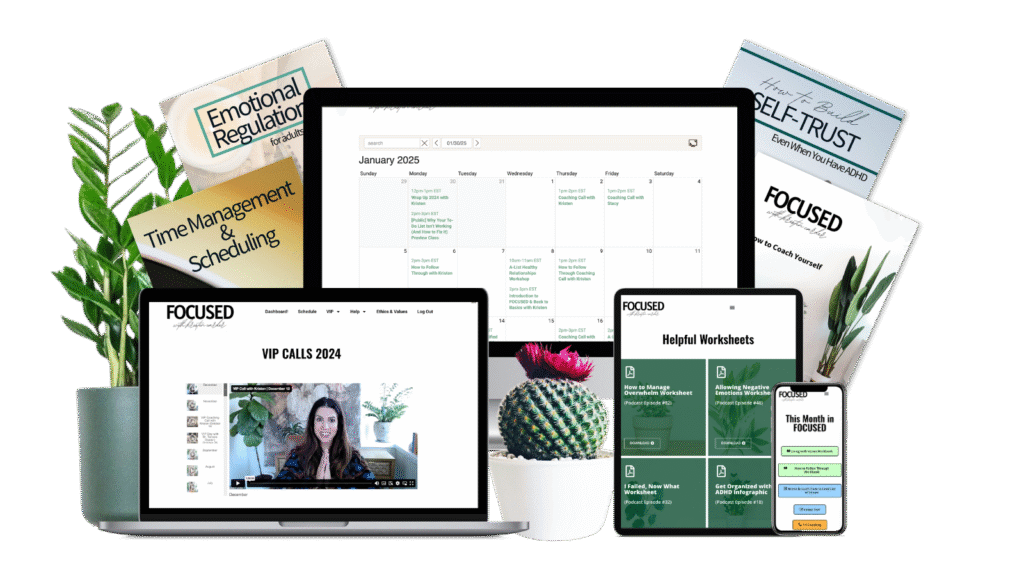


This episode is sponsored by Cure Hydration. You know that moment for me, it’s around like 2 or 3pm when my ADHD brain just decides we’re done for the day. We’re done here. The afternoon slump hits, the lights go off upstairs and suddenly answering an email or doing basically anything feels like climbing a mountain. That’s when I reach for Cure Energy. It’s a clean plant based energy drink mix made with 100 milligrams of natural caffeine and electrolytes so I get the focus and hydration boost I need without jitters, without a crash and without that like I drink battery acid vi that some of the energy drinks have. The peach tea and acai berry flavors are my current go tos. Crisp, refreshing and they don’t taste fake, y’. All. They don’t taste fake. I’ll drink one before recording a session or when I need to get help through like that afternoon drag. And honestly I I drink it anytime. My brain just needs to cooperate. What’s wild is that Cure Energy is only 25 calories and has zero added sugar. It actually helps me stay hydrated while giving me energy. Okay, I love coffee, but coffee could never Staying hydrated isn’t just about water. You also need electrolytes. And that’s why I love CUR Cure. It’s clean, it tastes great and it actually works. And remember, Cure is FSA HSA approved which is amazing. You can use that money to pay for cure and for I have ADHD listeners, you can get 20% off your first order@curehydration.com I have ADHD with the code I have ADHD and if you do get a post purchase survey, make sure to tell them that you heard about Cure right here on the podcast. It really helps to support the show. Don’t just drink more, upgrade it with Cure. VRBO Last minute deals make chasing fresh mountain powder incredibly easy. With thousands of homes close to the slopes, you can easily get epic Pow Freshies, first tracks and more. No need for months of planning. In fact, you can’t even plan. Pow Pow is on its own schedule. Thankfully somewhere in the world it’s always snowing. All you have to do is use the last minute filter on the app to book a last minute deal on a slope side private rental home book now@vervo.com. Welcome to the I have ADHD Podcast where it’s all about education, encouragement and coaching for adults with adhd. I’m your host Kristen Carter and I have adhd. Let’s chat about the Frustrations, humor, and challenges of adulting, relationships, working and achieving. With this neurodevelopmental disorder, I’ll help you understand your unique brain, unlock your potential, and move from point A to point B. What’s up? This is Kristin Carter, and you are listening to The I have ADHD podcast, episode number 70. I am medicated, I am caffeinated, and I am ready to roll you guys. 70 episodes. I’m stoked. Isn’t that so fun? I just got back from the most amazing family vacation we’ve ever taken. We were scheduled to go to Europe in September, but because of the coronavirus, we had to cancel that trip. The borders are closed. We are not able to fly out of the country. And so even though we’ve been saving for this trip for over a year, and we really looking forward to it, we were going to go with some of our best friends. We were not able to go. And so a couple weeks ago, Greg and I, after we finally, like, officially canceled that Europe trip, we were just like, okay, well, we can go anywhere in America. Why don’t we take the family somewhere on vacation? And we’ve always dreamed of taking our kids out west. It’s been something that we’ve talked about doing since before. Before we had kids. And it was an incredible process to in just a matter of a couple days or a couple weeks, go from like, not having a family vacation planned to all of a sudden like, hey, boys, want to go to the Grand Canyon next week? It was so much fun. And so we went to the Grand Canyon for a couple days. Then we headed to Sedona, Arizona. One of my dear friends and clients, Verity. Hi. Verity. Suggested that we check out Sedona, Arizona. And oh, my goodness, it did not disappoint. It is the most beautiful place I’ve ever been in my entire life. I highly, highly recommend you checking it out. And so the whole time, we were extremely distanced. We did not see any human beings. We were outside the whole time hiking and swimming. It was safe. It was fun. We had the best time ever. We got back two days ago, and now I’m trying to wrap my head around getting back into work because guess what? I did not work at all on this vacation. This is the first time in several years that I went away and did not work at all. And it’s because of my amazing assistant, Christina. I love her so much. She took care of absolutely everything. The business was well run without me. It was such a beautiful thing. And then, you know, our fellow coaches in focused were Just absolutely amazing. Taking care of our focused clients. It was just like so great to not work and to have time away with my family. I just am so recharged. So excited to be back in the saddle, so to speak. That was a really weird thing to say. I’m sorry. I’m sorry everyone. But back in the saddle, like here talking to you guys on episode 70. I’m glad to be with you. If this is your first episode or your first episode in a long time, welcome. I appreciate you listening. I’m so glad that you’re here. We are going to talk about how to be productive today. And the reason why we’re going to talk about it today is because that is what our focus is in focused next month. So next month we are going to be studying how to be productive. And so I want to give you guys a little taste of what’s coming in September, because I’m telling you, this month is everything. I have not met one adult with ADHD who has said to me, like, oh yeah, I’m exactly as productive as I want to be. I’ve never met one. If you are one, that’s incredible, send me an email, tell me how you do it. I want to incorporate some of that in my teaching because it is so just not a characteristic of anybody that I’ve ever met or worked with who has ADHD that says like, oh my gosh, yeah, I’m like totally super productive. I get exactly as much done as I want to get done. And so this month in September, we are going to be studying the art of getting shit done. And it is an art and it’s going to be an incredible month. But before we get started talking about productivity, I want to highlight one of my clients, Dylan, who has been blowing up the share your wins channel in Slack. So as you know, we have an exclusive community in Slack, all for our Focused members. And one of the very best channels in Slack is the Share your WINS channel. And it’s just so good for all of us to be sharing our wins and seeing other people’s wins, seeing that change is possible for all of us. So the share your WINS channel has been blowing up like crazy and Dylan has been a part of that. So I want to read for you some of what she wrote about how she is handling her productivity. And this plays directly into what we’re going to be talking about today. So Dylan posted last week, I have 4, 419 outstanding student projects that need feedback from me. I set a goal to have this completed by the End of September, old me would have procrastinated getting this work going and would wait until the last second to tackle all 419 at the expense of all of my other responsibilities. But New Dylan, while still uncomfortable about it, calculated that if I responded to 11 projects a day, weekdays only, I could easily knock out all of this by the end of September. And today I did the first 11. The whole time my brain was like, excuse me, 11, 11 doesn’t matter, do all 400 or get out of here. But I just nodded politely at what my brain was saying and then got on with providing the feedback. Okay, now what’s so awesome is like three days later she posts another update. I hit my daily goal of another 11, reviewed student projects, and guess what? When I’m only focusing on 11 a day instead of 419 a week, I’m able to provide warmer, more thorough feedback. And I feel good about doing it. Adding value for the win okay, Dylan, you are amazing and you are an example of what’s possible for adults with ADHD who who constrain that is going to be One of the main things that we talk about today is constraint. You are already doing it so beautifully. You guys. Listen, getting ahold of your ADHD and hacking your productivity is not all about the right medication or the right system or the right app. Those things do play a part, but I would say 80% of it is about learning to manage your mind, not believing the thoughts that take you off course. And that is what I am here for. Okay, I am going to assume that you’re already seeing medical professional, right? A doctor, a psychologist, a psychiatrist, and you’re getting good medical treatment for for your adhd. Once that is taken care of, the next step is learning to manage your thoughts. So many people just want the quick tips the systems give me the right app, maybe this is the right system. Let me tell you that shiz doesn’t work, okay? You don’t need another system. You don’t need me to tell you what actions to take. That is easily googleable. It is so easy. You can google that and I’m sure you have. And you’ve probably spent inordinate amounts of time researching and trying to figure out the right system, okay? If it was going to work, if that stuff worked, it would have worked for you a long time ago, okay? Telling you to change your behavior is like putting a band aid on a gaping, gushing wound. It’s pointless, it doesn’t help. You already know what to do, but you can’t figure out how to make yourself do it. You can’t figure out why you’re not doing what you want to do. That is what I am here for, okay? That’s what a good coach will help you do, is learn to manage your thoughts. Now, this is called causal coaching. We’re getting to the root of the problem and we’re solving for it. Okay? This is what I practice. Instead of treating the symptom, we’re going to treat the cause. Now, spoiler alert. The cause is always a thought. The cause of the problem is always a thought. And if you are sick of hearing me say this, go ahead and roll your eyes. I am fine with it. Okay? Behavior is the symptom of the problem. So when you observe your behavior and you’re like, I’m not doing the things I want to do, that’s just a symptom. It’s not the actual problem. The cause of the problem is a thought. Okay? So as your coach, I refuse to give you, like, an aspirin to treat a broken bone. That would be like treating the symptom of the problem. Okay? Aspirin makes you feel better for a few hours. It can be used over the course of a few days. But if you don’t solve the real problem of the broken bone, like, that’s. That’s not good, right? Aspirin doesn’t solve that problem. So instead, what I’m going to do is I’m going to go right to that broken bone. We’re going to X ray it, we’re going to save, set it, cast it. We’re going to let it heal over the course of time. Now listen, this takes longer. It hurts more. Okay? So I do not provide the quick and easy way to managing your mind and, like, becoming the person that you’ve always wanted to become. Right? Think about your body. True healing, it takes weeks, sometimes months or even years. And it’s the the same with your mind. So, like, let it take time. The beauty of this process is that it actually heals the issue. Like, imagine solving your productivity issues. Imagine not even having any issues with productivity ever again. I want to tell you that I do not have any issues with productivity ever. I get done exactly what I want to get done. I set goals and I reach them. Now, I’m not saying this to be obnoxious or like, brag. I’m saying it as an example of what is possible. It is possible for you to go from someone who was watching daytime TV for six hours a day because she didn’t know what else to do with her life, to being someone who is creating multiple six figures and helping hundreds of people have a better life. It’s totally possible. It’s possible for you. What if you can learn to be productive and apply your mind to whatever you want? Right. What if you could trust that you always do what you set out to do? Now, I have a question for you. Are you willing for that to take time? Like, if you knew that in a year you’d become a person who could accomplish any goal, would you be willing for it to take a year? A lot of people come to me and they want it to be solved in a month. I cannot make that happen for you. I couldn’t make it happen for me. I can’t make it happen for you. I can give you the tools. I can give you the teaching for it to happen over the course of time. And that’s what this podcast urges is all about. So here are the five steps to being productive. Number one, constrain to one, Goal. Number two, plan. Number three, schedule. Number four, take massive action. And number five, evaluate. So what we’re going to do in this podcast is we’re going to expand on all of these things. And what we’re going to be working on next month in Focused is applying this teaching to our everyday lives so you can become the person who can get whatever you want done. Done. Okay, so let’s talk about step number one, Constrain. Now, this one might be the hardest for you. The idea of practicing constraint does not come naturally or easily to any human, but especially humans with adhd. When we constrain, we intentionally put limits or restrictions on ourselves. Now, if that makes you upset, if it makes you sweat, if it makes you want to hit me, I understand completely. Your brain is probably unhappy with this idea, okay? It’s likely that you have a million things that you want to do, and the thought of picking one might make you upset. You might think that you’re super far behind, so you’ve got to catch up and do it all. Now, just like Dylan was tricking herself into thinking like 11. That’s stupid. You have to do all 419. Now, thinking about doing all 419 made her avoid constraining to 11, made it doable for her, right? So I really want you to keep that in the forefront of your mind. Picking just one idea is actually the pathway to being productive. Believing that you actually don’t have to catch up or you don’t have to accomplish everything at once or will allow you to produce more than you ever have in the past. The only way to be productive is to constrain, constrained to one goal at a time, or constrained to like a very doable amount that you know you can accomplish easily within a day. I wonder what your thoughts are about constraint. I want you to think about, what is that one thing that you can accomplish? What is the one thing that you can produce? What’s one result that you want to focus on right now? You’re not gonna wanna do it. Okay? And so you’re probably gonna wanna tell me like, well, actually there’s like 20 things I should do and I can’t possibly pick one. So I’m just gonna try to get all 20 done. But if you’re willing to trust me, I promise you I will not lead you astray. Give it a try, just for like a month. Constrain down to one goal. 1. This is the way to become productive. Start with one goal, focus on it, accomplish it, and then move on to the next goal. Your brain will probably protest. It’s just not used to constraint, and that’s totally fine. If you want to be a productive person, you’re gonna need to change your mind about the idea of constraint. Pick a goal, conquer it, see it through to the end, and then move on to the next goal. It’s really simple. It is definitely not rocket science. So as you are thinking about what goal you want to choose, I really want you to know that there’s no right or wrong decision here. There’s no such thing as a bad goal. Okay? Any goal that you accomplish is the right goal. It will build your confidence in yourself. It will build your self trust, and it will set you up to accomplish so much more in the future. But the trick is, once you pick, don’t change your mind. Okay? So give yourself some sort of deadline. So maybe you say, okay, in an hour I’m gonna have a goal that I’m going to accomplish in the next four weeks. Okay? And once you have something picked, there’s no changing it. All right, here’s a little side note. Make sure that you choose something that you can produce. A productive person produces things. Now this was such a novel concept to me when I learned it, it literally blew my mind. I used to sit down to work on my business and I would spend hours a day, quote unquote, working on my business. And then at the end of the day, I would have zero to show for it. I’d be tired. I’d feel like I worked hard all day, but I wouldn’t have anything to show for it. And so I never sit down to work on my business anymore. I sit down to produce. Today I’m going to produce a podcast and two emails. I’m going to produce a meeting with One of my BFFs, Nicole, who does my social media marketing, and I’m going to produce a coaching call with my dear client Sarah. That’s what I am producing. These things are happening. So I’m not going to just sit down and do busy work and feel accomplished, going instead to literally cross things off my list. Okay, Become a producer. You produce results. Okay? I want your goal here to be to create or produce something. So from now on, never sit down to work on something. Sit down to produce something. So even if you’re like, I’m going to clean the house, well, it’s probably not likely that you’re going to clean the whole house in the same, like, in one day. So, like, set out to have a result that you’re producing. For example, a clean bathroom and a clean bedroom. Like, those are two things that you could produce in a day. I’m going to produce a meal. That’s something that you could produce. I’m going to produce whatever a new client or a social media post like, set out to produce. Okay, so here are some examples of things that you can produce. A clean bedroom, $500 in side hustle money, three new customers, an organized pantry, a podcast, or a YouTube channel £5 down on the scale, a chapter in your book, a webpage, a party for your neighbors. Like, those are all things that by the end of four weeks, you can show results for. Right. The results are very measurable. You’ll know exactly when you’ve accomplished it. I think a lot of times our brains are just confused about production. We think that busy work is like being productive. It’s not a lot of the times. And we’re going to talk about this later in the podcast, our work is passive action. It’s not actually giving us a result. Okay, so here’s what we’re going to do. I want you to decide what one thing will you produce over the next four weeks? I want you to pause this podcast, think about it, decide, and then press play. Okay, so now that you’ve decided on the one thing that you’re going to produce, I want you to brainstorm every single thing that you need to do in order to produce. Wow. Produce that result. There’s always one word that I can’t say. Okay, so maybe you’re not sure, but here’s what you’re not going to do, you’re not going to go read a book. You’re not going to go ask the Google. You’re not going to go do research. Okay, stop. Stay focused. Ask yourself. You do not need to research. You probably have most of the answers in your own brain. Okay? Trust yourself, all right? Your brain has most of the answers. I promise you it’s far more productive to ask your brain and then take action than to spend hours researching, learning, and consuming other people’s stuff. All right? I promise you. So make a list. Pause the podcast, Write it down. What are the things that you need to do in order to produce your result? Now, here’s, like, a very important part. What are the obstacles that you’re going to face? Sometimes the obstacles are other people. Sometimes the obstacles are our own feelings or our own thoughts. Okay, but write down all of the obstacles. What is standing in the way of you getting this thing done? What’s going to be hard about it? What do you think is a barrier to producing the result? What are you going to need help with? What do you actually need to research? Okay, so I would just encourage you to do a huge thought download of all of your obstacles and list them as well. And then what you’re going to do is solve for each of those problems. Okay? So with each obstacle, you’re going to write next to it, the solution. Now, this part might seem kind of long, but the thing is, I bet you’ve never done it before, and I bet that this will make a big, big difference in your ability to actually produce, because what happens is your brain is like, we can’t do that because we don’t have time. And then you just solve for that. Okay, what’s the solution to me not having time? Once you solve that problem, that’s your strategy. So maybe the solution is you hire childcare for two more hours a week than you originally had, right? And so that becomes your solution. Maybe your problem is that you believe that you’re constantly interrupted in your home. And so the solution is to figure out how to create boundaries and communicate clearly with your family so that you can make sure to have alone time to complete your goal. There’s always going to be a solution to the problem, and that solution becomes your new strategy. Okay, step three, how to be productive. Number three, schedule. Now, this is the part where we take the brainstorm, like, the list of what we’re going to do and the solution strategies that you already listed, and you schedule them on your calendar. This is the proactive work that will make everything else so much easier. Now, you’re going to have to take every single item from the list that you wrote down and add it to your calendar. No exceptions. Okay? Now, I can already hear your objections. You’re like, oh, I don’t actually need to add this to my calendar. Or I have 12 calendars, so I’m not really sure which one to add it to or whatever. Listen, simplify it, constrain, plan it, schedule it. Right? You must follow at least some sort of step by step process so that you can be a productive person. Some items you’re going to want to schedule scheduled daily. Other tasks will be scheduled once or maybe a few times a week. As usual, you get to decide because you are the grownup here, right? So you might also need to schedule time for learning and for thinking. That is something that I do. I go on walks, I make sure that I schedule time for thinking because my brain is what produces results for me. Okay? So here’s what I want you to do, and we’ve talked about this in previous episodes. I want you to schedule on your calendar, work, like your normal stuff work. Family time, daily requirements, and then make sure to schedule time for doing nothing. And then after all of that, you’re going to look for windows in your schedule where it makes sense to plan to do the things that you want to do. Your productive thing, like maybe it’s writing a chapter in your book or maybe it’s practicing the piano. Okay? So be realistic or always give yourself more time than you think you need. Of course. And you may want to eliminate something else from your schedule in order to make room for the time to accomplish your goal. Are you willing to do that? How important is this goal to you? Okay, now, this part might feel tedious, but it’s worth it. Don’t be dramatic about it. Be like Dylan, who just, like, notices the drama and you just smile and nod and then you move on, right? Drop the drama. Get it done. Now, another note about scheduling, and this applies to all scheduling. Remember that your future self will have to follow through on everything that you put on your schedule. So be kind and thoughtful. Be nice to yourself. All right? I used to use my schedule as a punishment. I bet a lot of you have done this as well, where you’re just like, you totally suck and you’re not getting enough done. And so now what you’re gonna have to do is this, this, this, this, this. And I would just beat myself up with my schedule. I don’t do that anymore. I’m really nice to myself when I schedule, and it works out really well for me. Okay, so remember, schedule work, family time and daily requirements. Then schedule time for fun and doing nothing. And then. And then from your lists that you already created, take each item and put it on your calendar. And once it’s on your calendar, cross off the list. You don’t need that to do list because it’s on your calendar. You can just go ahead and burn it, right? Well, double check to make sure you got everything scheduled, and then go ahead and burn it safely. Safely. Only you can prevent forest fires. Okay, good job. So you’ve scheduled everything. Now how are you feeling about it? And if you’re wanting to avoid it, just notice that that’s pretty normal. Why? Why do you want to avoid it? What feels uncomfortable for you? What part do you think is dumb? What part do you think doesn’t apply to you or won’t work? All of those are the thoughts that are keeping you from being productive. Okay, now here is the next step. How to be productive. Step four. Ready for it. Take massive action. This is the part finally. This is finally the part where you start producing. Now, notice how steps one through three were all about dealing with your thoughts. They were about constraining and planning and scheduling. It was a lot of thinking. Now, these steps and decisions ahead of time were likely not a part of your goal setting in the past. Okay. But now we’re finally to the action part. This is probably where you’ve tried to start in the past. And one of the main reasons why you haven’t been able to follow through is because you didn’t have the constraint, the planning and the scheduling. So now we’re here at the action part. This is the part where we follow our schedules and we do the things no matter what. And this will not come naturally to you. I have a lot of podcasts on feeling your emotions and being uncomfortable. Okay. But this is the part where we develop the ability to feel uncomfortable and do it anyway. Remember, as my beloved coach and mentor says, discomfort is the currency of our dreams. Attributed to Brooke Castillo. Love her. Discomfort is the currency of our dreams. It’s literally how we purchase our dreams. Being uncomfortable. Let me tell you what it feels like to be someone who’s very productive, because I do know I’m extremely productive. Let me tell you what it feels like. It feels super effing uncomfortable. Super uncomfortable. Okay? You want to get stuff done, you’ve got to be willing to feel bored, agitated, frustrated, defeated, confused, and tired. Right? Like Are you willing to feel those things? If not, that is where your work is, because that’s why you’re not productive. If you’re not willing to feel bored, agitated, frustrated, defeated, confused, tired, like a failure, then you’re not going to be productive. So work on tolerating that negative emotion. Remember, life is 50 50. And go back and listen to that podcast episode. Life is is 50 50. The negative emotion is going to be there anyway, so you might as well be productive while it’s there. You know what I’m saying? Another thing that I’ve really been working on is developing a joy in doing. Like, I have so much joy in my work. It is so rewarding to me. I love every second of it. Even when I’m uncomfortable, even when I, like, sit down to record this podcast and I’m like, I don’t want to do. I don’t want to do. I don’t want to do it. I. I’m just like, I know that it gives so much value to the world, and I know so many people are loving. It gives me so much joy. So I’m wondering, are you willing. Are you willing to feel negative emotion? Are you willing to develop a joy in actually doing the things so many people have so much joy in, like wasting life away on Netflix or wasting life away on their computer? I used to be one of those people. I thought it was, like, so great, but I was always agitated anyway. I was always uncomfortable in doing that because I never felt like I really deserved to rest. You hear my neighbor’s dog? Her name’s Stella. She’s very cute. All right, ADHD moment. Moving on. If you’re willing to feel uncomfortable, you’ll be able to produce anything. You’ll be able to create anything you want in this life. Imagine that. Imagine being able to do exactly what you want to do. Now I want to talk about the difference between massive action and passive action. In order to avoid discomfort, a lot of us spend tons of time in passive action. And this is what I was referring to before, when I was like, do not research, do not ask the Google, do not go read another book about the thing that you want to do. Okay? So passive action is when you research and learn from other people, but you’re not actually taking the steps to producing a result. It feels like you’re moving forward. It feels like you’re taking action, but all you’re really doing is consuming. Okay. It’s reading the how to books, but never actually implementing them. Okay. It’s listening to this podcast without Ever actually implementing the strategies. Okay, don’t just consume, create, produce. Remember, productive people produce. Productive people produce results. Okay, so ask yourself every day, like maybe multiple times a day, am I consuming or am I creating? Massive action is what you want to focus on. Take action, like do things, be willing to fail and then evaluate. Did this work? And then adjust and take more action and evaluate. Did it work? And then adjust and take more action and repeat until your goal is accomplished. When you understand that making your ideas a reality is simply about taking action without getting discouraged or, or without quitting. Until you get the result that you want, your life will be filled with creation, productivity and results. Okay, here’s the last step. And it’s so simple, it’s actually really, really short. The last step is evaluating how you’re doing. Okay, so as someone with adhd, you don’t naturally evaluate and learn from what’s working or what’s not working. And that’s actually something that Dr. Barkley talks about a lot. We don’t have the ability to evaluate our behavior across time in order to produce a long term result. That’s a skill that we have to learn. Okay? It’s a skill that we must develop. Learning to evaluate your process as you become a productive person, it’s going to be extremely helpful and it’s going to be something that you’re going to need to be super intentional about and it will definitely speed up your results. So once you’ve done the thing for the day, I want you to ask yourself, what’s working, what’s not working? What do you want to do differently? Okay. The secret to being someone who is massively productive is to just repeat steps four and five of this entire process without quitting or stopping. Step four is take massive action. Step five is evaluate. Okay, so you’re going to take massive action, you’re going to evaluate, you’ll adjust based on that evaluation, you’ll take more massive action. You’ll evaluate, you’ll adjust based on your evaluation, and so on and so on and so on. Okay? Once you’ve constrained, you’ve planned, you’ve scheduled, then you take action and evaluate until you get the results that you want. So if you’re the person who’s bouncing around from idea to idea, if you’re the person who’s not getting things done done, if you’re the person who like lays in bed at night and beats yourself up because of your lack of productivity, applying these five steps will change everything for you. I promise, I promise, promise, promise. Applying these five steps are going to change everything. But what is at the root of all of this is just managing your mind. Being willing to constrain, being willing to plan, being willing to schedule, take massive action and evaluate. If you can get your brain to do those five things, you will be able to produce and accomplish anything you want in this world. And I am cheering for you. I love it so much. If you want to take this work deeper, join us in Focus. The last day to register for September is August 2031. I hope you come. It’s gonna be the best month ever. I’ll see you inside and also see you next week. Bye, guys. A few years ago, I went looking for help. I wanted to find someone to teach me how to feel better about myself and to help me improve my organization. Productivity, time management, emotional regulation, you know, all the things that we adults would ADHD struggle with. I couldn’t find anything, so I researched and I studied and I hired coaches and I figured it out. Then I created Focused for you. Focused is my monthly coaching membership where I teach educated professional adults how to accept their ADHD brain and hijack their ability to get stuff done. Hundreds of people from all over the world are already benefiting from this program and I’m confident, confident that you will too. Go to ihaveadhd.com focused for all the details.