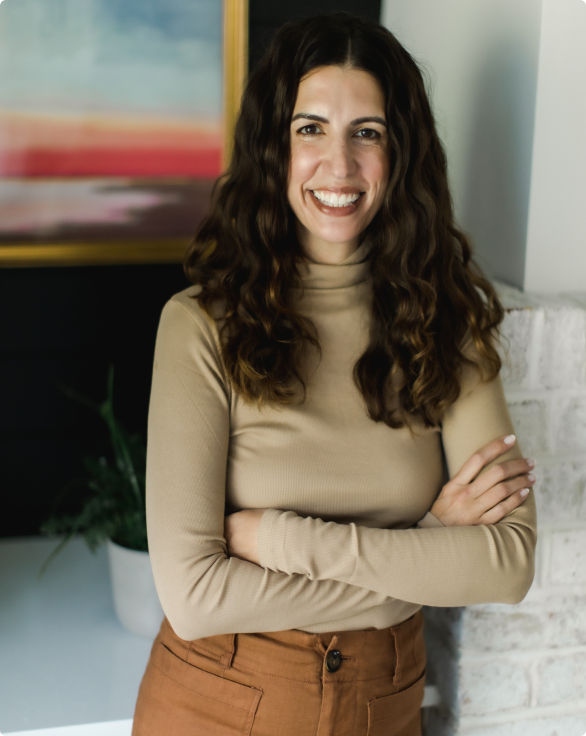


This episode is sponsored by Cure Hydration. You know that moment for me, it’s around like 2 or 3pm when my ADHD brain just decides we’re done for the day. We’re done here. The afternoon slump hits, the lights go off upstairs and suddenly answering an email or doing basically anything feels like climbing a mountain. That’s when I reach for Cure Energy. It’s a clean plant based energy drink mix made with 100 milligrams of natural caffeine and electrolytes so I get the focus and hydration boost I need without jitters, without a crash and without that like I drink battery acid vi that some of the energy drinks have. The peach tea and acai berry flavors are my current go tos. Crisp, refreshing and they don’t taste fake, y’. All. They don’t taste fake. I’ll drink one before recording a session or when I need to get help through like that afternoon drag. And honestly I. I drink it anytime. My brain just needs to cooperate. What’s wild is that Cure Energy is only 25 calories and has zero added sugar. It actually helps me stay hydrated while giving me energy. Okay, I love coffee, but coffee could never Staying hydrated isn’t just about water. You also need electrolytes. And that’s why I love CUR Cure. It’s clean, it tastes great and it actually works. And remember, Cure is FSA HSA approved which is amazing. You can use that money to pay for cure and for I have ADHD listeners, you can get 20% off your first order@curehydration.com I have ADHD with the code I have ADHD. And if you do get a post purchase survey, make sure to tell them that you heard about CURE right here on the podcast. It really helps to support the show. Don’t just drink more, upgrade it with cure. You care about your team and at Regents, so do we. That’s why our health plans include head to toe benefits that fit their lives at prices that fit your budget. Regents Blue Cross Blue Shield Together we Health. Welcome to the I have ADHD podcast where it’s all about education, encouragement and coaching for adults with adhd. I’m your host Kristin Carter and I have adhd. Let’s chat about the frustrations, humor and challenges of adulting relationships, working and achieving with this neurodevelopmental disorder. I’ll help you understand your unique brain, unlock your potential and move from point A to point B. Hey, what’s up? This is Kristen Carter and you are listening to The I have ADHD podcast, episode number 87. I am medicated, I am caffeinated, and I am ready to roll. I have a treat for you today. It is one of my favorite humans on the planet. My sister, Adrienne Himmelright is here. She’s my baby sister. She’s six years younger than me. She was diagnosed with ADHD in her early 20s and she is a doctor of physical therapy. So she has done the whole grad school thing and is now working in healthcare as a physical therapist. And I cannot wait for you to get to know her. You will love her. Everyone who knows Adriene loves her so much. Before we get started today, I want to invite you to attend an executive planning session with me on Wednesday, December 30th at 2pm Eastern. This is the time that you plan your 2021. Now, I saw all of the neurotypicals having their adorable planning sessions this month in December, but I know that my people have to get through the holidays. First. You have to finish up with the holidays and then you’re going to be able to think about 2021. And so this webinar is next week so that you can get through the holidays and then start thinking about 2021. Listen, it is as good as done whatever it is that you want to accomplish in 2021, let’s go. Let’s get it. Let’s plan it together. Okay? So you’re going to learn with me how to prioritize what you want, how to set ADHD friendly goals, how to let go of your ADHD past mistakes so that you can step into your future and move forward, and how to just enjoy success with confidence. So all of that is going to be offered to you. I want to hang out with you, so please sign up. Go to ihaveadhd.com webinar. Sign up has all the info and I will email you a response. And I now even have a special feature where if you’d like to sign up for a text reminder, I will do that for you too. Because listen, I know my people need the reminders. Okay? Best of intentions. Really bad working memory, Not a problem at all. I got you. So come. I want to hang out. I want to help you plan your 2021. It’s going to be incredible. So make sure to go to ihaveadhd.com webinar to sign up and I will see you there. I cannot wait. I’m really looking forward to introducing you to my sister Adrienne. You’re going to absolutely love her. Hi, Adrienne. Welcome to the podcast. Hi. Thanks for having me. Why don’t you just take a minute and tell the people a little bit about yourself? Who are you? All right. My name’s Adrienne. Like she said, I’m the youngest of the three girls, so we. I have two older sisters, Kristen and another sister, Karen. So I am the babe of the family. I am a physical therapist and I am married to my husband Kent, who is awesome and a woodland lover. And I have two kids. I have a four year old and a two year old and they are crazy. Two boys. Yep. Wild. I love those boys. Yeah, they are wonderful. And how far away from me do you live? One mile. If that. I don’t. I don’t even think it’s further than that. We can walk to each other’s houses. It’s the best ever. Yeah. It is so amazing. I’m so glad that you live so close. What is it like having Kristin Carter as your sister? It is glorious most days. Just glorious. No, she is so helpful. You just make me get my stuff done. It’s so great. She’s like, send this link. Click on it now. All right, then. That was a little. No. Hi. No, how are you? No, please. All right, we’re good. Got it. No, it’s so fun. I love it. I’m sure my clients who are listening are completely shocked to hear that that’s how I show up as a sister. I love it. So bossy. Was I a very bossy, like, older sister when we were kids? Like, what was that like? I don’t remember. I do distinctly remember you guys. She used to ask me, I don’t know if you would tell me or ask me to hold her feet up while she was sitting in a chair and I would do it. I can’t believe that. I think I saw it as, like, an opportunity to connect. So I would, like, hold her feet. Hold her feet and we would, like, chat. I’d like, get all the. Get all the dirt. I really. When I look back on me as a child and teen, I’m just like, I cannot believe that that was me. Like, I would be like 80 because come here, come hold my feet. And you’d be like, okay, sure. And you would just. I would sit on the couch and you would literally be my ottoman. Like, you would just hold them. You’re the perfect height. I know. My arms are, like the perfect length. Your legs were straight up. Yeah, exactly. Let’s tell the people. Who is stronger? Oh, definitely me. Absolutely. Hands down. I mean, I think I’m like, possibly stronger than our dad. We would. It would be a fierce arm wrestle competition if we arm wrestled. I mean, you are one of the strong. Like, you are so freakishly strong and you’re a small person. Yes. It’s not that you’re throwing a ton of weight behind it at all. You are. You have always been very strong. I remember, you know, we grew up in a family of three girls, but we were active and tomboys. And I don’t know if I really could be considered a tomboy. Actually. That was not exactly true, but I was definitely active and I got dirty and we fought and wrestled and played. And I remember when it, like, it switched. Now you’re six years younger than me and there was a little switch that happened where you became stronger than me. You were probably like 10 or 11. I remember that day. That was a great day. Oh, my word. So funny. It is really funny, the memories that I have of us wrestling. And you would take my socks off my feet. I don’t remember. And try to stuff them in my mouth. I do remember this. Yeah. So what was it like growing up in a family of adhders? Did you feel like we were different from the other people out there in the world? Yes, we were. I. I mean, we were so different. How so? How do you. I mean, we. 1. We grew up in Guam, so that just set us apart to begin with. And we moved a billion times. Cause our dad has serious ADHD and always switched jobs and needed to switch locations. We were always in a house that was under construction because our dad needed a new project all the time just to keep him busy. I love it. Yeah. I think our communication style was different because. And not like, not didn’t feel, like, bad, but we just had more like emotional outbursts, I think, because we just didn’t like, emotionally regulate well. So we’re just like, not. It would be like joyful and anger sometimes too. But like, that just was different than other families. Yeah. Schedules. Like we didn’t have schedules. Yeah. Follow through for discipline. I mean, I remember so inconsistent with like, I came home late, so surprise, surprise. Adhd, Right. Like five times in a row from a friend’s house. And on the sixth time, mom was like, you’re grounded. I was like, what does that even mean? I don’t even know. And took TV away. And then the next day I just watched TV and she didn’t care. I was like, I’m not sure what. So there was a lot of that, I think just inconsistency. It was funny. I love it. That is so good. I. With the emotional outbursts. Like when I got married and found out that that wasn’t a thing that you do, I was very surprised. Yeah. Apparently that’s not how people communicate. Who knew? Not me. Not me. Like, why is it not normal for me to like, scream and get angry and then forget that it even happened? Yeah. And be completely calm like a minute later. Like, what? What do you mean? Yeah, that’s so fascinating. So I would love to just hear a little bit about your experience as a mom with ADHD who has little kids. And we have so much more to talk about. But that always resonates with people when we talk about parenting as parents who have adhd. Tell me just a tiny bit about that. It can be very exhausting, just mentally. My 4 year old is into asking so many questions and I feel like my capacity now is getting greater for my ability to just hear and answer all the questions. But I remember, I don’t know, maybe last year when he was still asking a lot of questions, I would have to give him, like, okay, no more questions. I just couldn’t handle all the stimulation with a thousand thoughts of my own going through my brain and now his thoughts coming in and trying to care for two people at the same time. And that was really difficult. I think I was just like, oh, I remember going to the doctors. I wasn’t on ADHD medicine just while I was pregnant and stuff. And so I remember going to the doctors and being like, I used to be on Concerta and I would love to get back on there. And she’s like, tell me why. I’m like, I’m a. I’m a mom and I have two kids. And she’s like, say no more. I’m going to write you the script. I was like, thank you very much. That’d be great. Yeah. So I think just sometimes feeling overwhelmed or so many thoughts going on at one time can be difficult to manage. Was the medication helpful? Oh, my gosh, it was so helpful. It was so helpful. I would. And even my husband would say, like, my capacity, like, in general, my tolerance in general was much, much higher on medication than not. So. Whereas, like, maybe I would have an emotional outburst about just like a small thing because either I was feeling overwhelmed or just whatever, my capacity for that increased so, so much that he was like, wow, you really able to tolerate so much more. And I didn’t feel as scattered. I felt much more like, okay, I can handle this. This is fine. Yeah, we’ll just do this, you know, I’ll make sure that these three things happen before he goes down for his nap, and then we’ll be set, you know, so that. Yeah, it was really helpful. Do you have any drama about taking medication? No, I have drama filling the medication, but I don’t have trauma taking the medication. I’m like, oh, I have to set a reminder calendar. Tell my husband to remind me, like, go fill it. Make sure I get there before the pharmacy clean closes. I love my doctor who she always says, try to make sure you call, like, a week or two ahead of time so that you have extra pills. I’m like, that ain’t gonna happen. That ain’t gonna happen. I’m gonna be down to my last pill and be like, last. Most recent time, I scheduled a telehealth with all the COVID stuff going on, and I was literally jumping on the trampoline. And when she called for the telehealth visit, because I completely forgot. So I was out of breath when I answered the telehealth thing. My hair was, like, disheveled. I literally had sprinted inside and was like, hello, I would love to chat with you. I’m like, so embarrassing. But this is my life. Like, this off of medication. That is how I function, definitely. So I hear from a lot of people who, like, are considering taking medication, but they’re not sure because they don’t like the idea of taking medication, or they’re on medication, but they are hoping to get off sometime. So that’s why I asked you about, like, drama. Like, do you ever hope to go off of medication? No. I get anxiety when I think about not being on medication. Like, when I was pregnant and nursing, I remember being like, oh, gosh, I know this is going to be. It just felt a lot more difficult. And I could not wait to be like, I’m making the call to get, because it just. It helped me so, so much. Definitely much better on it. I remember when you made that call, you are like, it is the day today. So great. It was. It was so good, and I feel like it does it. I don’t know if this is for most people, and it might be different for every medication, but I feel like it helps pretty instantly. Like, tension. Like, avoid studying by just being really busy and very social and played a lot of sports. And when it would come to finals week, I would drive mom nuts. So I would be, like, physically running up and down the stairs to wear my body out so that I could sit in my bed and like most ADHDers, we don’t really have a good internal voice. So then I would close the door, sit on my bed, and talk out loud all of my notes until I had, like, memorized everything. It was so. It was rough. Wow. Late, late nights. But then I remember my freshman year of college, we were sitting around your dining room table. Mom and dad were there, and dad had some book that was written by a doctor or something, and it had all these questions for ADHD years. And every one of her family members was like, yes, she totally does that. They would ask a question, I’d be like, that is not me. And everyone’s like, you’re doing it right now. That is you. I’m like, what? So after that, I don’t know what my score was, but high enough to get tested or just to talk to the doctor about it. So then I went and talked to our physician and he set me up with some meds. And it wasn’t life changing right away. More so, I think, because I was inconsistent with taking my medication. So it’s not. It wasn’t like, fully effective. Yeah, I would say until I went to grad school. And then I was like, much more consistent because I really realized how much it was helping and was able to. And then I had a husband who does not have ADHD who was very helpful with reminding me, like, fill your medications, make sure you go to the doctors. Did you pick up your prescription? I don’t know why there’s 12 steps to get your medication, but I’m like, we need like a one stop shop for adhd. Yeah, I cannot. It’s very difficult to remember all the things, but it’s really frustrating to. To have so many steps to refill a medication that helps you to take the steps. It’s like, but I’m out of the medication that helps me to take the steps. So how in the world am I supposed to do this? Totally, totally, Very, very frustrating. Okay, so tell us about grad school, because I have a lot of listeners who either have gone to grad school or currently in grad school or are considering, like, could I handle grad school? What was your experience like? Well, one, you can totally handle it. If I can do it, you can do it. You guys can. Do was difficult, but it was completely worth it. So I think I worked really, really hard to stay and I found a really good group of, like, classmates that were so helpful with reminding me of tasks and group studying so that I had that social connection and also was, like, held accountable to not try to force myself alone to study. I think the other things that were really helpful is that especially for physical therapy is it’s like very kinematic, so you have to get up and move to study some of the things. And so that was helpful too. So I would, like, stand up and could act out the motions and could practice on other people, which just helped my engagement. So even if you’re not in a healthcare field, just like, getting. Figuring out a way to be physical with whatever you’re studying would most likely help draw you in and keep you, like, entertained with it. And I think I really didn’t learn how to study, like, how my brain works until I was in grad school. So I think my whole life, most of the systems were set up just for like, memorization. And that just isn’t. It’s like too much information for my ADHD brain that I just couldn’t hold it all in. And so I would as much study on my own. And then in the group setting figured out that I was more could figure out the information. I didn’t know if they asked me questions, so they would like, quiz me and go through that. But yeah, it was hard. It was so fun. I would never do it again. I told my husband, I was like, if I don’t pass this exam, I’m just gonna, like, I have to do something else. I just can’t. But it was totally worth it. It was very, very fun, and I’m glad it’s over. Totally. So did you tell your classmates that you had adhd? Was that something that you disclosed to them or were you just like, you kind of won them over with your charm and then as you do and then, you know, just asked for help in, like, in grad school, it’s like a small cohort that you go around with, so it’s easier to make connections, I think, just because you spend so much time with like 50 people or 30 people, whatever your grad size class is. And so for me, it was like, got to know people who I felt more comfortable with. And then, I mean, they could probably tell, but then disclose. Like, I have adhd. I struggle with all these things. And they were just like the most kind humans and were like, we’ll remind you of that. Don’t worry. Like, they would text me, they would send me, you know, call me. They would set up study times. They were like the most kind humans in the world and just were really patient with me too. Like, one of the things you guys know with ADHD is like, interruption Right. Like, it’s so hard to hold back, to, like, constrain when you want to jump in and say something. And so, like, even in our study groups, I would, like, grip the side of the chair to, like, hold in so I didn’t just, like, blow blurt out, you know, it’s, like, so unbelievable, but it works. They are so great. One of the things that I really love about you is that you show up as your full self at all times. At least that’s my perception of you. And you really do have this ability to win people over. And I just think that a lot can be learned from that because people are really attracted to you. But then also, you can just be yourself and say, like, hey, like, I really suck at this. Can you help me? And people are so willing to help you. I think that that is really admirable and also an amazing example of what’s possible for anybody else out there, like, showing up as the full you and really just being, like, sweet and kind and lovely, and then also saying, like. And also there’s this part of me that, like, I’m not really good at this. Can you help? People are very willing to help. They’re so willing, and they’re so kind. And I feel like they were just so understanding. I think sometimes it feels intimidating to, like, disclose that information or you. Like, for me, personally, I sort of pick and choose who I share that with. Right. And sometimes, you know, I love to, like, joke with people. So if I’m doing, like, crazy, whatever, I’m like, I’ll. My adhd. There you go. You know, but, like, typically on, like, a more serious setting, I usually, you know, like, make a comfortable friendship and then, like, ask for help with those things. But people are so helpful and so kind and very understanding. And I’m sure there’s people that you’ll get that are, like, not that way. But I would say 99% of people would be so willing and generous with their time just to, like, assist in what you needed. And I feel like a lot of my friends, too, have said many times, like, how helpful it was for them to even have the same study group or have the accountability. So I feel like even if you don’t have adhd, there’s still things that people struggle with or feel insecure about that, like, maybe you branching out and being open about your needs would actually assist other people. I love that. That’s really. That’s really cool. One of the things that you haven’t said about yourself is that you’re actually an amazing student and very brilliant. And so even with the adhd, which of course is a barrier, you totally killed it in grad school and graduated. Yeah. And you have had zero trouble finding any work. People are clamoring to have you work for them, which is so amazing. So how has it been for you working in the physical therapy field for the last six years? I love it. I love it. I have worked in probably like, multiple different settings. I’ve worked in, like, skilled nursing, acute care, outpatient. I love it. It is so fun. I think what I like, especially having adhd, that’s been really helpful for me is that it’s different every time. So, like, even if I have a consistent caseload, my day looks different every time. And that is super helpful for me. And just the variety of people. I love people. I love different personalities, and I really like building relationships with people. And so that is fun. Like, especially in the outpatient setting where you typically spend more time one on one with your patients. I love that. I really find. And I think this might just be with adhd. I’m not sure if this is consistent for all other pts, but I usually have to remind myself of the goals for each patient every single session. Like, every time a patient comes in, no matter if I’ve been working with them for like months or a day, I have to look up their plan of care, remind myself of their goals, or else I will just, like, go for it, you know, And I’m like, wait, wait, wait, wait. I usually have to hone myself in and constrain a lot more. Just being able to be like, okay, what is our focus? What’s our end game? Make sure that I’m working towards those goals. Because you’re, you know, our ADHD brains are super creative and they’re, like, difficult to hone in at times. And so sometimes I just want to, like, run wild. So got to bring that back sometimes. But I love that. What have you noticed has been different about you as a physical therapist with ADHD as compared to other pts? Is there anything that stands out that might be different or maybe something that’s harder for you or maybe something that’s easier because of adhd? I think the hardest stuff jumps off, like, more readily for me, and I think some of that is just keeping myself on task. So making sure that my hyper focus doesn’t just go into the, like, spending all the time with the patient and being, like, very detailed, oriented about their form and their positioning and making sure that I do spend some time on working on my documentation so that I don’t have two hours of work when I get home. But I think I look around the room and my other therapists are doing that and I’m like, oh yeah, yeah, yeah. Don’t forget to check in on your computer and like write this information down. You know, like the patient is fine doing five repetitions by themselves without me, like watching every single one or engaging them in conversation. Like I’m always like, I want them to have a great time, I don’t want them to be bored, you know, And I’m like, you also have to do your work. So. So that has been more difficult for me, which I’m definitely getting better. I remember when I started I would take hours of paperwork home because I just could not like separate myself and not do that hyper focus on the patient, which my patients loved for sure, right? Like having all my attention. But then it was brutal on my family, like home life. So I definitely have gotten much, much better at that. I hardly take any work home anymore. I think one of the things that I might do better, I feel like I’m pretty flexible like throughout the sessions and I don’t have a difficult time like rearranging things. It’s actually, it doesn’t like throw me for a loop where I feel like a lot of other clinicians have a difficult time with that transition or like, oh, they didn’t show up at 8 o’ clock. And I’m like, it’s 8 o’. Clock, I didn’t even know. That’s great. Come at 8:30, you know, and just being able to multitask and still engage people with like a lot of different activities going on. At the end of the day I might be tired, but it was like a very life giving tired. Like I’m running around, I’m really busy, but I’m enjoying that. I would much rather be busy than sitting bored trying to fill my time. I would not be like constructive with that time. I would waste. I would social media, I would, you know. Whereas when I’m busy and like have to stay on task, it’s very, very helpful for me to like be proactive and get things done. I love it. So it’s 2020, obviously we’re wrapping up the year and this has been a really difficult year for healthcare workers with the coronavirus. And I’m wondering as a physical therapist, how has it impacted your work? If you could just tell us a little bit about that, I think that would be really interesting. Yeah, definitely. I think one of the things that I’ve really noticed like with, you know, we have all the regulations for proper PPE and family members not being able to come in and spend time with their loved ones. And I think one of the things that’s really like impacted me or something that I’ve changed is really making sure that I am making like not only just taking care of the person’s physical needs, but also trying to meet like their emotional and their like mental well being. If I’m the only person that they’re going to have like a long term connection to over the next few months, I want to make sure that not in like an unhealthy way that I’m like pouring myself into them, but in a way that they just feel like human connection and feel cared for and that they’re not just like, oh, you’re a total knee, like I need to work on your knee. But like how’s your family? Are you doing okay? Do you need anything else? What’s, you know, and I can do all that while working towards their plan of care. You know, it doesn’t have to be like a sit down bedside but like while you’re, while you’re doing their manuals or while you’re working with them, just making sure that I’m, I would say much more intentional listening and trying to like make sure that their mental well being is taken care of and then working as like when I work in more of like a skilled setting or like an acute care setting, just making sure that my communication with the team is like on point, that like their nurse knows what’s going on, that their doctor knows what’s going on, that their CNAs are aware of like whatever their needs are and being really flexible with just like helping out. I mean there’s been times where I’m like changing bedding or getting meals to someone or like and I know that’s not like our normal job, but I feel like working as a team especially now if people are short staffed or just like everyone is giving as much as they can. And so making sure that you’re being just like a team player to help out so that people can get the best care that they need. I love that that’s such a beautiful example to everyone because I could see a lot of people thinking like, well these are the parameters of my job. I’m not going to go outside of that. And you mentioned like flexible thinking as one of your kind of superpowers and I definitely think that for sure it is. Yeah, you, you are always willing to be flexible and it’s interesting because I think a lot of ADHDers, like, were either one or the other a lot of ways. Like, a lot of ADHDers are very black and white and struggle with that flexibility. Have you always been flexible in that way or was that a change for you? I think that’s been more of a change, especially in, I would say, like, the last six months or so. I would say I’ve been trying to do a lot, a lot of thought management on that. And I think I would always be much more flexible with, like, my patients more than I would with, like, management. So I think that was always, like, one of the things is, like, of course I would do that for my patient. Like, even someone who, like a patient who maybe our personalities didn’t click as much, I would still be much more willing to be flexible with them than, like, if management didn’t communicate and, like, threw something in there. And I’m like, oh, you know, so that was, like, over the last, I would say, six months or so. That was a huge thing for me is, like, what is going on in my thoughts that, like, I would bend over backwards for a patient, but then when my, like, management boss, whoever, you know, superior, would ask for something or want to change something that I wanted that to be black and white, like, that was already set. Why are we changing that now? You know? And so I think my thought management on that changed drastically and has made my work life so much more enjoyable. Like, 180, much more enjoyable. I would say my relationships with my bosses in management are exponentially better and more healthy. And even if nothing changed on their end, I feel better, and I feel like I’m way, way better managing my thoughts about them and what’s creating my feelings for that. And then my results have changed completely. It has been so fun. So, I mean, it was really hard in the beginning, but it’s so fun now because it literally has changed my work environment completely. So that’s such a beautiful segue. So tell me, tell us all, like, how you even got started into thoughtwork and give us a little bit more detail of what’s changed for you. I think it was last year, so I think it was the winter last year, so I’m going to say a year ago, I started listening to Brooke Castillo’s podcast, and I listened to, like, one and a half episodes and was like, I have to change. Like, I just listened was like, something I know I had been craving for a long time and, like, felt that I, like, haven’t been authentic I haven’t been meeting my potential. I’ve always sort of felt like I was just watching my life go by. Like, I was sort of an active participant, but I wasn’t as active as I wanted to be. And so I was just listening to this podcast and I was like, oh, my gosh, yes. Like, these are things that I know I could change, that I want to, you know, would want to do better or would want to change. And you had been doing some stuff, I think you recommended her podcast to me, and I was like, I’m gonna listen for sure. I think the next week I signed up for, like, a thought management thing and started doing as much self coaching as I could. So would try to do it at least one a day. So I have two little guys and was working probably like 32 hours a week. And so would wake up real early in the morning, try to beat them up, which was intense. But would just spend like 10 or 15 minutes just working on my thoughts, trying to figure out what I was thinking, why I was thinking that, what actions am I taking? Am I getting the results that I want? And a lot of that was like, no, I am not. I’m not creating results that I want. Not in relationships, not at work, not, you know. And so, yeah, started doing a lot of work on that and just listening and trying to learn as much as possible. And it has been life changing. It’s been so fun. Totally, totally. That makes me so excited. So what’s so cool is that you went to high school, college, grad school, and have been a successful PT without the skill of managing your thoughts. And that was all great. It’s all fine, right? But then there’s this added layer of like, but am I creating the life that I want? Is this a result that I want? And are these relationships reflective of what I want in the world? And even though you had that success, to be able to say, like, no, I don’t feel like I’m creating the life that I want. And I don’t feel like these relationships are what I want them to be. And I’m not enjoying my experience at work. To add in the ability to manage your thoughts is just like the superpower that was missing, right? Yes. I feel like it just like it wasn’t that there wasn’t joy or fun or whatever, but I feel like it just exponentially, like, impacted my experience in the world. Like, I just felt like I was showing up more as who I wanted to, and it was changing relationships and it was changing my experience, and I Was like, man, I felt like I was just feeling much deeper than I ever had and I felt like I was able. I just felt like I had a lot more control than I ever had. I wasn’t just like a bystander anymore. And that feels really, really good. Totally agree. One thing that I noticed has changed a lot about you in, in the last six months is that you, I think, had always had a tendency to people, please because you are kind and you’re loving and you want people to be really, really happy. And so you’ve very naturally just kind of shown up in a way that’s like, let me lay down what I want so that you can be happy. And in the last couple months, I’ve seen a huge shift in this where you are making very intentional decisions with what you do and what you don’t do and how you choose to think about it. And it’s been so cool to watch that happen. It’s very fun. I feel like it’s, and maybe this is for most ADHD years is like I wasn’t even aware of the thoughts that were going on in my head and so I was just sort of like living life without even knowing that I had an option to think anything differently. Right. Like 10 billion thoughts would come in my head and I’d be like, I must believe all of them, they must all be true. And you know, I want what’s best for them, I do want what’s best for me, but I really want what’s best for them. And so I will, you know, make that happen instead of being like, wait, is this what I actually want? And is this what would be best for us or for them even sometimes giving the person everything that they want isn’t actually best for them and might not be best for you. So I think just being even aware of that was very huge. Absolutely. And now you have started coaching people in healthcare and helping them to create the results that they want and helping them to have experiences in their job and in their families and relationships that they want. So tell me about that. I love it. Yes. Yeah. So I have been coaching people in the healthcare field, really, really fun, helping them just manage their thoughts. I really, especially in 2020, have been working on just like self care and avoiding burnout. Because I feel like just right now we are working our tails off and it’s really easy not to sort of protect our well being so that we can enjoy what we do and so that we can still have good relationships in and outside of work. And so that has Been really, really enjoyable for me. It’s been great. That is so great. I am so proud of you. I am so proud of you. I really am. What made you decide to coach? Because you enjoy being a pt, right? So what? Yeah. What? What’s up with that? I mean, I love being a pt, but when I started coaching, I literally was like, we could transform, like, the work of PTs, OTs, PTs, speech therapists, nurses. I mean, if we were able to manage our minds, we would literally transform our professions. And I saw, like, a lot of physicians starting to do mind management stuff. And I was like, that is so, so smart. It’s so brilliant because it changes how you interact with your patients, how you interact with your superiors, how you interact with your team. It changes how you manage your own thoughts about your work. Like, am I overwhelmed? Well, maybe that’s just my thought. What if I could think something different and show up as a better clinician and give my patients exactly what they need or more of what they need because I’m able to manage my thoughts better, that I can show up exactly who I want to? And literally was like, we will transform our profession if we do this. Girl, go do it. I want every single healthcare worker listening to this to reach out to you. If people want to work with you, how should they get in touch with you? They can just email me@the empoweredptmail.com and my name is hard to spell, so you can also just look in the show notes and find me on Facebook. It’ll be down there because it’s a doozy. So her name is Adrienne Himmelright, and I will have all of her info in the show notes and listen, she is your person. If you are someone in health care who is not enjoying your experience, who’s not finding fulfillment or thinking that everyone else needs to change and is the problem. Adrienne is your person. Yeah. Yes. Love it. Thank you so much for being here. I feel like anytime that I can have an example of a successful person with ADHD on the podcast who is also learning to manage their mind and helping other people do the same, like, that is what we need to see, because there’s so much negativity and so much failure culture in the ADHD community, and I just want to always be pointing to people who are complete successes. You are such a. You’re such a success. I did. I mean, I didn’t talk about this, but I did fail courses in college, and there was so much shame around that and being able to learn from that. I feel like a lot of growth doesn’t come from the shame, but being able to recognize the patterns and my thought processes about that have been such a significant change. And walking away from the shame feeling and making sure that there’s growth in it and it’s almost like a helpful regret, right? Like, I don’t want to push that feeling away, but I want to remember that didn’t feel great. And I want to make sure that I learn from my experience so that when that happens, eight years, we fail, but we can do it. We get back up. We just keep going. So true. I love that so much. Thank you for coming on and thank you for being inspiring and thank you for helping me to be a better person. I love you. You are one of my favorite humans. And yeah, thanks for coming. Anytime. So fun. All right, my friends, I hope you enjoyed every single second of that conversation. I hope it left you feeling inspired and empowered. And if you are someone who wants to plan 2021 in a way that makes sense for your ADHD brain, please head over to my website, ihaveadhd.com webinar and sign up for the executive session with me. On Wednesday, December 30th at 22pm, I’m going to be meeting with all of you. I’m going to be helping you to plan 2021 and do it in a way that makes sense for your ADHD brain. I cannot wait. I will see you there. Have an awesome week. I will talk to you next time. Bye. Bye.