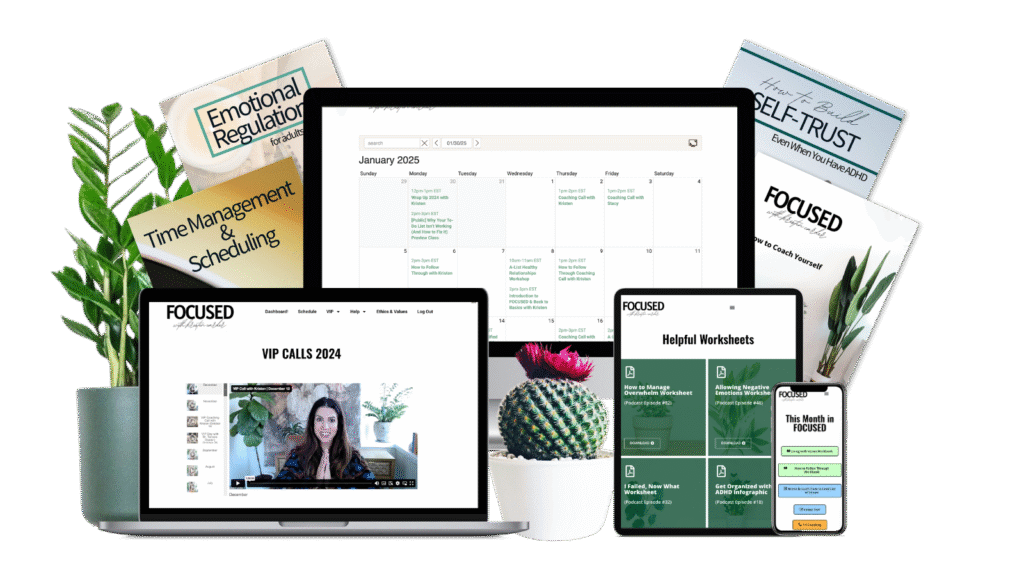
This episode is sponsored by Cure Hydration. You know that moment for me, it’s around like 2 or 3pm when my ADHD brain just decides, we’re done for the day. We’re done here. The afternoon slump hits, the lights go off upstairs and suddenly answering an email or doing basically anything feels like climbing a mountain. That’s when I reach for Cure Energy. It’s a clean plant based energy drink mix made with 100 milligrams of natural caffeine and electrolytes. So I get the focus and hydration boost I need without jitters, without a crash and without that like I drink battery acid vi that some of the energy drinks have. The peach tea and acai berry flavors are my current go tos. Crisp, refreshing, and they don’t taste fake, y’. All. They don’t taste fake. I’ll drink one before recording a session or when I need to get help through like that afternoon drag. And honestly, I. I drink it anytime. My brain just needs to cooperate. What’s wild is that Cure Energy is only 25 calories and has zero added sugar. It actually helps me stay hydrated while giving me energy. Okay, I love coffee, but coffee could never. Staying hydrated isn’t just about water. You also need electrolytes. And that’s why I love CUR Cure. It’s clean, it tastes great, and it actually works. And remember, Cure is FSA HSA approved, which is amazing. You can use that money to pay for cure and for I have ADHD listeners. You can get 20% off your first order@curehydration.com I have ADHD with the code. I have ADHD. And if you do get a post purchase survey, make sure to tell them that you heard about Cure right here on the podcast. It really helps to support the show. Don’t just drink more, upgrade it with Cure. Guys, thanks for helping me carry my Christmas tree. Zoe, this thing weighs a ton. Drewski, live with your legs, man. Santa. Santa, did you get my letter? He’s talking to you, Bridges. I’m not. Of course he did. Right, Santa, you know my elf Drew Ski here. He handles the nice list. And elf, I’m six’ three. What everyone wants is iPhone 17 and at T mobile, you can get it on them. That center stage front camera is amazing for group selfies. Right, Mrs. Claus? I’m Mrs. Claus much younger sister. And AT T mobile, there’s no trade in needed when you switch, so you can keep your old phone or give it as a gift. And the best part, you can make the switch to T Mobile from your phone in just 15 minutes. Nice. My side of the tree is slipping. Kimber the holidays are better. At T Mobile switch in just 15 minutes and get iPhone 17 on us with no trade in needed. And now T Mobile is available in U.S. cellular stores with sweet or monthly bill credits for well qualified customers plus tax and $35 vice connection charge credits and imbalance due if you pay off earlier. Cancel financing agreement 256 gigs $830 eligible for it in a new line $100 plus a month plan with auto to count 15 minutes or less per line. Visit t mobile.com. Welcome to the I have ADHD Podcast where it’s all about education, encouragement and coaching for adults with adhd. I’m your host Kristin Carter and I have adhd. Let’s chat about the frustrations, humor and challenges of adulting relationships with, working and achieving with this neurodevelopmental disorder. I’ll help you understand your unique brain, unlock your potential and move from point A to point B. Hey, what’s up? This is Kristen Carter and you are listening to the I have ADHD podcast, episode number 94. I am medicated, I am caffeinated and I am so ready to roll because today I have my client Malia Dicker to chat about the concept of pardoning our past selves and I can’t wait for you to hear from her because she is the one that originally came up with this concept and I love it so much. She’s done a lot of work around perfectionism and we’re going to chat about that a lot today. So Malia, hi. Thank you Christine, thanks so much for having me and thanks so much for the kind words on part one of the podcast. I listened to that. I was like, oh so validating. I was grinning ear to ear. So thank you. Yay. I’m so glad. Well, I definitely didn’t want to just steal it and claim it as my own, even though I mean it is such an amazing concept. When you first said it, I think I said like this is so important, it is so valuable and it gives language to something that I think like as a coach I have been trying to communicate and just didn’t have the words for. So I am really thankful for you for showing up and giving language to that. So thank you. Thank you. Glad to be here. Tell us a little bit about yourself. So I grew up in the San Francisco Bay area in Sonoma, California, small town and I moved to Jackson, Mississippi 12 years ago and the next question people ask Is like, how did you get to Mississippi? My husband is from here, and he went to college with my sister in New Orleans, so they were buddies. And she married his best friend from college, which is amazing. So we’re all buddies. That is so fun. So do you guys all still hang out? Yeah, well, they’re in Barcelona, Spain, and so we sometimes do zooms together. And Jill, my sister, and I have a podcast together. Sometimes we’ll have the guys on the dudes, as we call them, and that’s really fun. So, yeah, we have a. Like a WhatsApp thread, so we’re always talking every day. Oh, I love that. Yeah. Yeah. So tell me about, like, what you do and your family and all that. Yeah, so, yeah, my family’s still mostly out in California. My parents are out there, and Darren, my husband, and I have a marketing firm here in Jackson, and we mostly work with nonprofit clients. I mostly work with strategy and communications and writing, and we get to move the needle on a lot of great issues like children’s health and racial reconciliation through marketing communications, which is super rewarding. And working together, you know, is interesting, especially during quarantine. We love each other. We work in separate rooms, which is so we can actually, like, at the end of the day, not have, you know, what did you do all day? I know because I’ve seen you all day. Right. So I’m also working on earning a living at my creative work in personal development. That has been, you know, psychology and personal development is my passion. So, you know, a lot of the kind of thing that you do and focused. And I have a podcast with my sister called Semi Together. And so that’s about working on where we want to get it together while giving ourselves credit for where we’ve got it together. So we recognize ourselves. All those little, you know, we’re imperfect, but we have some things together if they change week to week. And we share tips and takeaways, you know, based on our experience and research for our listeners. So we want to expand that into courses and products to help people with their perfectionism and anxiety, the things that we struggle with and, you know, through self compassion and a sense of humor. That is very exciting. Yeah, we just. We love it. I mean, it fuels me, so I need to just make time for that among my still rewarding, you know, paid work. But my creative work is what really, truly fuels me. Tell me a little bit about your ADHD diagnosis. I actually don’t know any of this about you, so I’m really looking forward to hearing about it. Yeah, it was very recent. I am 40 years old. I turned 40 last summer. And it was shortly after that on September 1, 2020. Never forget the day, just over five months ago. And yeah, it was wild. I was totally surprised because I had been, you know, really high achieving student, a people pleasing kid rule follower. So it was not at all in my mind. And I had, you know, struggled some after I graduated. Because in school, you know, we have this roadmap, we have instructions, and then you graduate and you’re kind of at sea because, like, no one is setting your goals and giving you like, step by step, how to get there. And during the pandemic quarantine, I just was largely under functioning. I mean, you know, my kids were still dressed in clothes and all that and, you know, but like, my paid work, I just could not focus, I could not produce. I was like, really emotionally dysregulated. And so, you know, trying to homeschool and work full time. I mean, all of us were struggling. And so at one point, I was just sitting at the dining room table and my husband came in. I was like, do I have ADHD or something? I just blurted it out and it jogged his memory that probably four years ago, he had found an article on women with adhd, like a lost generation of women. And he had mentioned it to me and I had just bristled and like, oh, another thing that’s wrong with me. So he, like, as a wise husband, had backed off and not shown it to me or pursued it. I have zero recollection of this conversation, of course. And so I, you know, at that point I was like, wow. I started researching and, you know, as soon as I did, I was like, wow, you know, this fits. Like, this is exactly what I’m going through. And so I found your podcast. I was searching the Apple Podcast store and I started listening and I was like, this is amazing. Kristen’s amazing. And I, you know, at that time, it was like right before. This was in August, you know, before my diagnosis. And so August 31, you know, is when I signed up for Focus the day before my diagnosis. Because at that time, your courses were structured like it was wild. It was like, you know, the next day we’re starting a new session, so, you know, sign up now. And I was like, I’m going to do it. You know, I’m pretty confident. I do a vhd. And yeah, that was, it was really wonderful to join that community. And it has been so game changing already. I mean, your teachings, like, I have your Kristen voice In my head, like, it’s not a problem. Don’t make it a problem. And so it’s like, your modeling has taught me to be a lot kinder to myself, you know, on your calls, you know, if you lose your train of thought, you’ll just bring it back. Put your hands together, say, nope, Kirsten, start over. It’s not a problem. Have a sense of humor about it. We’re adults with adhd. It’s okay. Don’t make it a problem. Don’t make it mean something bad about you, you know, so, yeah, I hyper focused on research, you know, through your course and, like, reading books and articles and, you know, hyper focus is a superpower when it’s channeled the right way. Absolute. I have read a ton and researched a ton. So luckily, you know, when I saw the psychiatrist who diagnosed me, I had brought a lot of this research. And it turns out he had ADHD and had a son with adhd. So he was familiar, which was wonderful and validating. And he’s like, you asked me, he asked me questions and he said, you meet the criteria. And I just, like, sighed with relief and felt so validated just knowing what this is, this missing piece that I felt. You know, my whole life had been just sort of like there had been something missing and I hadn’t understood, you know, especially since I’ve graduated and kind of struggled. But I kind of think of it, that late diagnosis at age 40 as grief and relief. You know, just grief over all those years that I struggled not knowing what this is. And, you know, it would have been really nice to know, of course, you know, not blaming anyone because, God, I didn’t know. My husband didn’t know, my family didn’t know, my teachers didn’t. And then relief, you know, because now I know, and now I can do something about it and zero in on what I need to thrive. Absolutely. I coach a lot of clients who really feel that grief. And I just always love to remind all of us that it is always a privilege to be diagnosed. Even if you’re in your 60s, your 70s, it is always a privilege to figure it out and to be able to identify, like, oh, these are not moral failings. This is not a character flaw. This is something, you know, a function of my brain that is just wired differently. And I can implement these tools to help me be more successful, but it will be something that I always struggle with. And it is just a part of me, like, that seems to be such a. I just have so much compassion for people who never get the diagnosis. So I have this like suspicion that my paternal grandparents, maybe both of them had adhd. And I just have so much compassion for them. Like they, they will never know whether or not like they’ve both passed away and, and they, you know, like, what if they spent their whole lives thinking something was really wrong with them and, and now being able to know like at, at 40 or for me at 21, like that’s just such a privilege. It is, yeah. I think my maternal grandmother had it too. My mom thinks she did. You know, my mom would say that she had piles of laundry that was kind of unfolded or half folded and she, I rem 15. She came up to me, I was playing a song on the piano and she’s like, oh, I could never do that. It’s like, that’s so beautiful. And I was like heartbroken because I was like, yes, you could, you could just, you could learn it, you know. But she just had this self concept that was, you know, flawed and she felt like she couldn’t do things. So yeah, my heart goes out to her and to everyone who is undiagnosed. And I hope that in talking about this, especially about women, that more women will learn that and get treated because it presents differently in women a lot of the time. My gosh. Definitely. Yeah, I have. My son also was diagnosed like right after me. Often it’s the opposite. You know, the son gets diagnosed and then the mom. But my 7 year old son who has been spirited and he’s an 8 like yourself, right? An enneagram 8. So an ADHD 8, gifted, you know, intellectual. Oh, God bless you. Not an easy person to parent. No, he’s always, since he’s age 2, he’s been very challenging, creative, curious, and thinks he’s grown and thinks he knows what to do. But yeah. Do any of your sons have adhd? My son just got diagnosed as well, like two weeks ago. Oh my goodness. Wow. How old is he now? He’s 10. Oh my goodness. He is inattentive and we always suspected, but it never really mattered much. Like he was doing fine in school and it didn’t seem. When I say it never really mattered much, what I mean before you send me emails, everyone is that we didn’t see see it affecting him negatively in his life. He never said like he always made good connections in relationships, he was always doing well in school. But as he got older, the executive functioning component, when it was no longer appropriate for me to be his frontal lobe and start to hand off things to him like Remember to put your lunch in your backpack. Remember to bring your water bottle home. Remember to, like, not just do your homework, but hand it in. Like, those kinds of. That’s where we notice, like, okay, he could probably use some support, like, what’s going on here? And so we took him to a psychologist because he’s been such a great kid that I was a little bit leery of just saying it to. I don’t want to get myself in trouble here, but I’m just going to go ahead and say it. Okay. So I didn’t want to just say to a doctor or the teachers, like, hey, I really suspect this because he’s such a good kid. He. I really think he would have been overlooked. Like, he is not a problem. He’s not a squeaky wheel. He follows the rules, and he does well in school. So a lot of the things were things that we were seeing at home. And so the psychologist spent so much time with him and finally was like, we actually just got a med prescription yesterday, so. Oh, wow. Yeah, we just started. My son as well. Yeah. And so at home is when is where, you know, at school, he’s been fine. He’s like, forgetting things now. So, you know, as well, you know, the jacket, the water bottle that, you know, they’ll disappear. But yeah, at home, at the emotional dysregulation and, you know, he and I light each other’s fuses a lot because I’m an enneagram one and so perfectionist, you know, with the challenger, I’m like, you should follow the rules. And he’s like, I should do what I want. It’s volatile sometimes. So relate to that. Oh, my goodness. Okay, so, Malia, you were the first one to come up with the concept of pardoning your past self. Tell me everything. Like, how did that come to be? Yes. So pardons were in the news in January because of the change in the presidential administration. And so US Presidents can grant pardons at any time, but usually do that as they’re leaving office. It’s not, like, politically beneficial for them to do that often. So they usually grant them to people who’ve been convicted or charged with crimes. And sometimes those people are still in prison or serve their time, but can get their records expunged. Right. So people who’ve received pardons throughout history have committed some pretty serious crimes. And I thought, if these old, rich white guys who’ve committed tax evasion or perjury or even murder get to start over with a clean slate, and then, why can I not pardon Myself for, like, blurting out something awkward and making it weird or forgetting to send my son with money to school for the carnival. You know, most of the time, my intentions were good, even if the impact, that wasn’t what I wanted. I love the way that last sentence came out of your mouth. Most of the time, my intentions were good, even though the impact didn’t end up being, like, the outcome that I wanted. That I think describes so perfectly so many of the things that we beat ourselves up for over and over and over and over. That’s right, yeah. Intention and impact. I think about that a lot. And when my husband and I, you know, have a conflict or something, I’m just like, you know, I recognize that even though my intentions were to do this, the impact was this. And just separating those things out, that can help a lot. So what does it mean to you to be pardoned? Or when you say pardoned, like, what do you mean by that? Yeah, so I mean, when I start beating myself up over something that I did or I didn’t do and going into a shame spiral about that or ruminating on it, just thinking again and again about the same thing, I pause and I breathe and I intentionally practice self compassion. I like how you said on part one, just how it’s a concrete, like, way of describing it. Forgiveness to me is kind of abstract and it can be kind of an ongoing thing. But pardon is an action. It’s a conscious, immediate action. You know, you may need to do it again and again. But I think of the Maya Angelou quote, do the best you can until you know better. Then when you know better, do better. Because I truly believe we are all doing the best we can at our current level of consciousness. And we are all evolving all the time as we are gaining more knowledge and skills and experience. And I think of Michelle Obama’s memoir, becoming. I love Michelle Obama. And I’m like, if she is still becoming, then I think I can be too. Right? Yeah. It’s so fascinating how, at least for me, I’ll speak for myself. But maybe you can relate how I expected myself to show up so perfectly in so many situations that I had never even navigated before. Oh, my gosh. Yeah. Well. And I think of myself as a young soul, you know, you hear about old souls all the time. And I think when I’m a young soul, you know, like, I feel like I’m 15, even though I’m 40, and I think when I’m 60, I’ll feel 15, you know, and I think a lot of ADHDers feel like young souls, you know, trying to navigate the world and figure it out. And we just, like, aren’t equipped in a lot of ways, you know, and you have to learn those things. And it just gives me compassion for myself because I’m like, how am I supposed to know? I’m a young soul, you know, I haven’t come across this before. Yeah, my sister and I actually, you know, we talk about this in our podcast. We actually had an episode called the Shame file because my sister laughed, because I actually have a note on my phone that’s called the Shame file. Pre ADHD diagnosis. I started keeping track of these things because they would haunt me again and again. I’m like, look, I’m going to write these down so I can actually concretely look at them and see if I can do something about them so I can delete them from the same file. So it’s like this thing I said to this person that hurt their feelings. This thing, you know, back in elementary school, you know, so a running list. And so, you know, in talking about them on the podcast, it was so, like, confessional and, like, unburdening, you know, it’s just Brene Brown, who I probably will quote a lot because she’s amazing, and her research on shame and vulnerability is insane and amazing. But she says shame cannot survive being spoken. It cannot survive empathy. And that has been true every time for me. Like, I have been, you know, thinking people will think less of me if I say this, if I admit this, like, or this is a real downer, you know, but every single time I’ve said it on the podcast, I’ve written something about it. People have reached out to me and said, you know, me too, related to what I shared. It’s given voice to something that they have, like, felt but couldn’t express or just felt like they weren’t alone. So it’s really connecting. It is. I have experienced that so much as well. And it’s that moment when you are sitting at the podcast, Mike, and as a podcaster, I’m sure you can relate when you’re sitting there and you’re like, am I going to say it? Like, is it going to come out of my mouth? Am I going to leave it in? Like, am I actually going to be telling thousands of people this business, right? Like, my business, the tea about me? Like, am I really going to be saying this into the world? And when I do, first of all, I feel terrible afterwards because I’m like, now everybody knows. But inevitably, all the time people are reaching out, like, thank you. That resonated. I thought I was the only one. Me too. You know, like, sending Crosby to school. Like, his whole class is dressed up for Halloween, and he’s not. And I’m just like, I am the worst mom ever. But that resonated with so many moms. Oh, my gosh. Yeah. Yeah, we. The carnival thing, you know, my son, this is so. Last year, like, yeah, last year, there was a school carnival. I forgot to send money to school with my child, so he, you know, wasn’t able to do the games and stuff. His teacher, I think, gave him some money, so he was able to do that. So that was really kind. The following year, I put it on my calendar to send him with money, but I put it on the wrong day. So it was the day after, like, he went. And then I was planning to send him the next day. Day with my mom. I know. I’m just like. It’s just the universe being just like, I. You know, I give up, you know? And he was fine, you know? And, like, I think another kid gave him some money. So it was an opportunity, you know, for connection and for resilience. You know, it’s like. And I apologize to him, and now I know that was an ADHD moment, and then now we know. So I talked to him about those things, and I’m like, sometimes our brains, you know, we forget things, and it’s okay. It’s not a problem. You get to model that now for him. Yes. And that really helps him, you know, when he got his diagnosis, I said, you know, buddy, we have the same kind of brain, you know, and it has gifts and it has strengths, and we learn to manage it. And he turned to his dad, and he’s like, daddy, I’m sorry that you don’t have the same type of brain we do. I was like, this is. That’s so amazing. That is amazing. Oh, my gosh. What are some of, like, the craziest things that you’ve had to pardon yourself for? And what I mean by that is, like, the things that. Like, why am I actually beating myself up for this? Like, the things from maybe childhood or what are some of the things that you’ve kept in your shame file that you’re like, why is this thing even here? Like, do you have any examples of that? Well, the one I put. And you’ve read this on part one, but the board game, I remember, and I was probably 8 years old, so I’d gotten this Muppet game, babies board game. For which is still a thing. My daughter loves it. It’s rebooted. But, yeah, it was this board game I got for Christmas. And all my cousins came over. There were like 10 of us. And then they were like, hey, Malia, this looks really fun. Let’s play it. And I just was. I think now it was rsd, you know, the rejection, sensitive dysphoria I had. Someone had said something, or I just was on the mood, and I was like, no, this is my game. I am going to keep it in my room. And they kept insisting, and I was like, no. And so we didn’t play it. And I was like, later, even as a child, I was like, why did I do that? That was an opportunity for fun and for connection. And it’s like I had an ADHD moment back then. And I’ve said things like, okay, Darren was recording a call with a client. It was a video for one of our clients. And so I heard him recording. This was just this week. He was on Zoom here in the office. And I was just walking into the other room with my laptop, and I slammed the door. Like, I knew he was on the call, but then I just slammed the door out of habit, because I do that because I just moved through the house very quickly. Takes too much time to close it softly. Anyway, as soon as I did that, I’m like, oh, my gosh. That probably showed up on the call. And, yes, it did. It actually knocked the view off the speaker and onto him. He had to go and cover it up with other footage, because in the middle of this poor woman’s interview, it cuts to Darren looking startled. That’s amazing. So, yeah, I’m just like, you know what? I hate that he has to clean up my messes. And it. You know, sometimes I let it reinforce the narrative of failure, and then I make a mess of everything. And, you know, so I had to sit with that and just be like, you know what? I’m talking to Kristen about pardoning myself. I’ve got to practice what they preach, you know? And he ended up using, you know, a visual. You know, it was like a statewide map of where this client does. It’s working now. So it actually turned out better, I think, because it’s a little pattern interrupt. It’s a visual. So sometimes it can turn out better than you planned. Right. It’s a silver link. You’re welcome, Darren. So when you look back on the things that you’ve kind of held against yourself, why do you think that you didn’t pardon yourself? Earlier, like, those things, like, for. For example, like, for me with my wedding, it took me years to actually let myself off the hook for the way that I showed up. And I don’t think anybody at my wedding would have ever noticed probably anything, but I knew that it wasn’t the way that I wanted it to go. And it took me so long. For you. Why do you think that you didn’t pardon yourself earlier for those types of things? Yeah, and I so relate to that because my wedding, too, you know, the rehearsal dinner, the room was so small that when everyone showed up, it was like a private room at a restaurant. And we had looked at it in advance, but then the, like, 40 or so people who came in were, like, packed in like sardines, you know, and they were trying to, like, make their way to the buffet, and they just. It was awkward. And I was like, oh, my gosh. I, like, went in the bathroom and cried. Yes. We came back in. We, like, did it, you know, passing family style on the table. It was fine, you know, but, like, I still was like, why did I do that? But listen, I mean, arranging a wedding, planning a wedding with adhd, I mean, that is a miracle that that happened at all, you know, that is true. That is completely. And like, you know, people remember the music and the dancing and the food and being together and all of that, you know, they don’t. I can guarantee they do not remember those things that we do. So, yeah, I think for me, I have had a hard time pardoning myself because it comes from a deep perfectionism that if I’m not perfect, I’m worthless, and if I screw up, I’m a failure, and if I hurt someone, I should be punished. And so I’m just holding onto that. And I grew up with a fixed mindset, and I am still learning a growth mindset and trying to teach my kids that, too, that I can get smarter and more skilled and I can learn nearly anything through effort. And mistakes are an essential part of improving. Like, you will not learn and improve. You don’t make mistakes. And if you don’t fail, I mean, it’s so. Makes sense in my mind. But then when it happens, it feels, you know, with the rsd, I, like, have such. I’m so hard on myself that when something like that happens or if someone criticizes me even constructively, I just, like, feel it like a dagger, you know, and I go into a shame spiral. So, yeah, I don’t think it occurred to me to pardon myself in the past. I used to hold grudges against other people and myself. Like, if you wronged me, you’re on the blacklist, you know, And I can see that was the rsd, you know, it’s a part of my ADHD that made me extra sensitive to criticism and rejection and failure and personalizing that. So I would just, like, ruminate on the same mistakes again and again. That same script would run in my head at three in the morning, you know, and I would just. I created this own personal hell to torture myself. Like, why did I do that? Why do we do this? So I love that question. Why do we do this? Because my theory on that is that our brains actually think it’s useful. Like, our brains think if I don’t do this, I’ll never change. If I don’t beat myself up, I’ll never become the person that I want to be. So I have to, like, shame myself and judge myself for my flaws so that we can improve. And it’s so backwards, it does not work. Yeah, you’re just holding yourself stuck in that old self or those old selves. Because we are changing all the time. We have so many different versions of ourselves. And if we hold onto that, we’re just keeping ourselves stuck in who we used to be. You know, the person who didn’t have that knowledge, who didn’t have that skill. And now we can move forward because we do. We just have to let ourselves, like, release ourselves. Tell me about being stuck, because I think that that’s exactly right. Like when I would beat myself up, and I still fall into that. I mean, I was there the last couple weeks with a lot more compassion, but still noticing what I was doing. Tell me about any, like, results you think you may have created or even not created for yourself because of that constant, like, berating yourself or whole feeling like you need to hold yourself accountable for your wrongs. Yeah, I think I developed a warp self concept from all of that. Like, just layers and layers of maybe glasses that are sort of fogged, you know, and each mistake or misstep, I’ll just put on like, a new fogged layer on the glasses. So when I look in the mirror, it’s like, warped, you know, or you can think of it as a funhouse mirror where it’s just like, you see, you know, magnified all those flaws and all those past mistakes just immortalized in this mirror or in your lenses. And then you don’t see, you know, the gifts and the achievements and the contributions, those are minimized or invisible. You know, even if someone Says it to you. Like, sometimes I just don’t even hear it. Like, I’m just like, oh, thank you. And then it just floats away. So I’ve tried to, like, create a hype file for myself or a smile file where I just, like, write down those things. And when I need a boost, I go and look at that Google Doc. But, yeah, I’ve struggled with depression and anxiety, too, you know, since high school. And now I think ADHD was at the root of that. Um, I’m not sure if those are, you know, they kind of all run in my family. I found out, you know, after I had my diagnosis of adhd, I learned that a lot of my extended family has it. And. Yeah, I know. And I was like, how come you didn’t tell me? So they’re like, yep, me too. Me too. Yeah. And so. And depression and anxiety, and so they’re probably all related. But, you know, I have kept myself stuck in those past versions, you know, like, lost and unequipped to make my way in the world and wasted a lot of energy just beating myself up. And I think of that as sort of like burning myself up with these flames that I could be using as, like, fuel or like, lighting a fire under myself to propel myself forward, you know, because you have a limited amount of energy, and if you use it against yourself, then, you know, you can’t use it to move forward. And I’m, like, really trying to be on my own team, which is like, you know, a concept that, like, had not occurred to me until this year, you know, not to be my enemy, my worst enemy and critic. Like, to actually be on my own team and, like, like, support myself. But, yeah, I mean, the stuckness. I’ve gotten so behind on my paid work that I don’t have time for my creative work, which, you know, I want to become my paid work. Like, I have a book I want to write, I want courses to develop and products to launch and all of that. But I think the adhd, you know, has just like. I just. The perfectionism, you know, I just, like, overwork it and overthink it, and then I’m like, I’ve spent way too much time on this thing that I could just ship, you know, B minus work can change the world. Right? That’s another Christianism that I’m like, you do, like, emblazone. Yes, yes, yes, I love it. Yes. But that would serve me a lot better because it would leave a lot more time and energy to devote to things that really fuel me and move Me forward in my life. Yeah. I love how you said that. We have a limited amount of energy. And I do think that the shame spirals and the judgment and the getting stuck in the thought loop of beating ourselves up, it is one of the ways that our brains protect us from growth. Because growth is so dangerous. Growth and evolvement and becoming a new person means, like, vulnerability, and it means putting yourself out there. And our brains are like, you know, you could die. Right. Like, let’s not do that. That’s a terrible idea. And so instead, it’s like, keeping us in that thought loop of like, I did it wrong again. I did it wrong again. I did it, or I’m doing it wrong or I am wrong. Like one of those, you know, take your pick. One of the three keeps us the same so that we’re not making progress, so that we’re not evolving and potentially, you know, setting ourselves up for perceived danger, like failure or I mean, really like death, I think is what our brains are really afraid of. Yeah. Then not doing the thing just feels safer. And so you can just like, retreat into yourself. I mean, I remember I had this project called Reschool Yourself that I did, and I actually, you know, I felt with school, I told you, when I graduated, I felt so lost. And I was like, I feel like I need to go back and sort of, like, figure out what happened there. Like, I got permission to go back into my old classrooms and like, write about what it was like to go week by week from kindergarten, first grade, up through college in my old, you know, with my old teachers, if they were still there in my old schools. And. Yeah, and that was back in 2008, so, you know, 12 years ago. And I wrote a lot. I blogged. It’s like, still up on, you know, in the Internet. With this project. I had intentions, you know, writing a book. And also just like, I know that a lot of people struggle with school. So I wanted these ideas to be out there. And so I, like, wrote a press release. You know, I’m doing this project, and so I had it on my laptop. I was sitting on my parents deck because I had moved back home and lived in my childhood bedroom for, you know, six months. So. And I had, yes, my mom cooked me dinner, you know. Yeah, really, I have so much time to say, I still want to write this book, but, right. I had the press release, I had the computer open. And then in my mind, I was like, oh, my gosh, what if this succeeds? Like, what if this gets picked up? What if I’M on the national news. What if I’m interviewed on live TV and I stumble over my words and I lose my train of thought and what if, what if? And I closed the laptop and I did not send that press release. And it was like the sliding doors moment, you know, where I wonder now, if I had sent the release hit said, what would have happened? You know, how would my life be different now potentially? You know, and you know, I can and take that and say, you know, there’s lots of different paths, you know, to this same kind of destination, you know, abundance, all of that. But I’ve beat myself up for a long time over that and over, you know, not writing the book that I want to write. I have a manuscript, but it’s not exactly what I want to write, you know, all these things. So anyway, just beating myself over that keeps me stuck and keeps me not rewriting the book, you know, or doing something else with it all together or nothing. Just letting it go, you know? Yes. Because I think we are so programmed to feel comfortable with our failure because we have felt it our entire lives that when success is right there for us, it is actually scarier. Yes. Than failing. 100%. Yes. And it’s unpredictable. You don’t know what’s going to happen. It’s uncertain. Exactly. Exactly. Especially as an ADHDer, you don’t know what you’re going to say or do or if you can handle it. 1. 100%. 100%. I have experienced this myself and I also see it, you know, with my clients, like in focused. I’m. I am constantly trying to remind everyone, like, as you make progress, be on the lookout for self sabotage. Because we are so not used to the feeling of like, oh my gosh, I’m doing it right or whatever. Like I’m making air quotes you guys can’t see. But like doing it right, like doing it the way that I’ve always wanted to do it. And now the brain is like, wait a second, something has gone wrong. Like, I’m not used to this. This is not who we are. And so then we go into this sabotaging mode. Yeah. And it’s self reinforcing. You psych yourself out and you’re like, I’m going to say something wrong. I’m going to forget. And then you forget. Yes. That’s so true. Oh my God. Why do we do that? Oh my goodness. Well, and I can add a point to that. If we are okay with being imperfect, like if we think to ourselves, what if I lose my Train of thought on national tv, you know, you’re like, okay, just bring it back. Be Kristen Carter and just take a moment, bring your hands in front of your heart in prayer. Take a moment and start over. And no one cares. No one notices. I mean, you. I listen to Brene Brown’s podcast, and John Gottman and his wife were on there, and they. They are amazing researchers. His phone went off, or someone’s phone went off in the middle of the podcast. They didn’t edit it out. And I was like, if they can do that, so can I. Why am I spending hours editing the podcast? No one cares if the content is good. Just move on. Just move on. I love that so much. Okay, so with perfectionism, with the perfectionism that’s weaved into all of us as ADHDers, but especially my enneagram one, ADHDers, who are just such a walking contradiction. Am I right? Like, it’s just this constant feeling of contradicting yourself because you want everything to be perfect, but then, like, but you’re not perfect, right? I always said, even before I knew my diagnosis, I said, I am a perfectionist. Like, I strive for perfection, but I’m really not that good at it. I don’t even get close. Yeah. So what are your thoughts now as you process perfectionism? Like, what are your words of wisdom for. For those of us who are still in the daily struggle or maybe not even really ready to let go of perfectionism? Like, what are your thoughts on that? Yeah, I mean, just getting clear that perfection is a delusion. Like, it really is. It does not exist. It is made up. You can strive for excellence, but perfectionism, you will always fail at that, and you will always be unhappy with yourself. So you can strive for excellence and reach it in a number of different ways, including in imperfect ADHD stumbling ways. You know, you can get to excellence, you can get to be minus work, and it will be fine. It will have a great impact, you know, so just starting with that and then writing about it, like, writing about all your past, you know, misdeeds, or your perceived mistakes or failures, you know, it’s so powerful just to put those on paper, whether you have a shame file like I do, you know, or just like in your journal, write down an actual list of the list of grievances you have against yourself going back to elementary school, you know, and just write down what you can do about each one. You know, sometimes it’s just letting it go yourself, like I did during the Reschool Yourself project ritual bonfire in the Fireplace. Like, burning evidence of my past selves. Like, I had my report cards, my SAT scores. I was like, these do not sum up who I am. I had developed a complex around grades and scores. And, you know, this is. You know, they measure me. So I burned them, and I was, like. Felt so free, you know, just old love letters, old, you know, friend letters that, you know, we weren’t in touch anymore. It just, like, it’s starting over. I’m a new person now. That’s not me anymore, you know, so you can do something about each item on your list. Sometimes you’ll need to make amends with people. You know, a sincere apology. It could be a text, a phone call, an email. It’s amazing how you can reconnect with someone through one conversation. A lot of the time, you know, and just speaking, you know, just freeing yourself of those secrets and those shame. And you think that people will, like, abandon you or reject you, you know, often they will just love you through it, you know, like a trusted friend, a coach, you know, a therapist. I am a huge proponent of therapy. And you see that you didn’t die, you know, when the thing happened, you didn’t die. When you made a mistake. When you spoke about it, you didn’t die, you know, and you. That is huge, right? Like, it’s like, tell your brain that. Right? Yeah. I was trying to protect you, and, you know, you’re still here. So I love the idea of checking in and making sure. Like, I don’t want it to sound like, just say, who cares? And get over it and not. Not give a thought to anyone that may have been hurt or anyone that may have been involved. I love the ide of checking in with. Is this shame or judgment telling me something? Is it showing me that I. That I crossed a boundary with myself or with someone else or crossed, like, a value boundary? You know, like, my value is this, but I did this. And sometimes that guilt or shame can be useful in that way where it’s like this. This keeps coming back to me because I did cross a boundary, and do I want to do something about that? Do I want to make amends? And that’s so important. A lot of the times, though, the things on our lists are not those types of things. Right? They’re things that, like, I wish I had said this, but I didn’t. And it didn’t necessarily hurt anyone. But I just, like, I keep telling myself, like, you’re so stupid. Why didn’t you say it this way? Or, you know, you chose this wedding Color instead of this wedding color. And because you didn’t even take the time to think it through, and you just told your mom you didn’t care. Right. Like, that didn’t hurt anybody. But I still beat myself up for it, you know? Yeah. I mean, the other day on a staff call, you know, we have a lot of people on our team who are in their 20s, so like, pretty much half my age, you know, and they’re saying their tasks, like, very clearly and efficiently. And I was thinking about some other things. And so when it was my turn to go, I just was, like, stumbling over my words, and I just was, like, really embarrassed, you know? And so I got the call, and I cried. I was like, I get these, you know, bad brain days, and I get frustrated and sad about my ADHD brain, and I recognize that and validate that, and I’m like, you know what? Don’t let it mean something about yourself. You know, you just have an ADHD moment and, like, no one cares. You know, it doesn’t mean anything about you. You know, you just try again tomorrow. I love that what we do is we make things mean something. We give it meaning, and we don’t even realize that we are the ones giving it meaning. We think that’s just the truth. Like, everybody thinks I’m stupid, and, like, that was so embarrassing. As if it is a fact. Right? Like, that. That was embarrassing. Instead of, I’m giving this meaning, I am making it mean that I didn’t show up like a professional or I didn’t, you know, whatever. And I think that that is a really good question that you can ask yourself as you’re going through your list. What have I made this thing mean? And then, like, honoring that and acknowledging it, and then, like, moving forward, what do I want to make it mean? That’s awesome. Yeah. Validating those feelings makes such a difference, because, you know, just like it. You feel your feelings, and they’re real. You know, I feel embarrassed. Whether or not it’s, like, objectively embarrassing in a fact, or if anyone else was embarrassed for me, you know, it’s irrelevant. Like, I feel embarrassed, so. So I can be a comfort to myself. Like, I really am working on saying the things to myself that I say to my friends. You know, we’re so mean to ourselves. Well, if my friends talk to me like I talk to myself, I would not. They would not be my friends. They would not. Yeah. And it’s just how it’s. It’s so hard to do it to ourselves, and it’s so silly. But yes. And I honestly, as I’m getting older, I really don’t care as much what people think. You know, I have my loved ones, my, like, trusted network, and so I really value what they think. And then with the podcast and, you know, our audience there, I value what they think about that. But then other people, like, walking down the street or if someone sees my son has, you know, a dirty sweater or something, it’s like, I get to choose what that means about me, you know, it doesn’t mean I’m a bad parent. Like, even if they think it does. Like, so what? Like, how does that even. Most of the time I won’t even know that. And I probably don’t know you or don’t care. You know, one of the things that I have been practicing is allowing people to be wrong about me. Yes. And I think that ties in with what you’re saying. Just like, I want to make space for people to just be able to think what they want to think and not have to. First of all, I don’t have to know, right? I don’t have to, like, assume or wonder. That is not my business. That’s right. Yeah. It’s theirs. And a lot of the time it’s about, you know, their own stuff. Like, they’re seeing it through their own foggy lenses, you know, through all their stuff, and doesn’t have anything to do with us, you know, so for someone listening who’s like, I hear you, this is cute, adorable, adorable conversation. But, like, it’s just not possible. Like, I just can’t. There’s no way I would be able to pardon myself. Do you have any words for them? For someone like that who might, who might be thinking like, like, this just isn’t something that I would ever be able to do. I totally hear you because that is me. I am you. Because an enneagram one, you know, perfectionist with ADHD is just such a combination of, like, you are so hard on yourself. Like, every moment it can be a struggle. So I have a standard of perfection. And, you know, I’m not great at any, you know, getting anywhere close to that. So I make a mess of things all the time without meaning to. And, you know, I just see that I’m still alive. You know, I notice that, like, I’m still here. And, you know, Glennon Doyle is. I’m name checking all these amazing teachers. You really are. I just, I follow a lot of personal development content. But yes, Glennon Doyle, Renee Brown and Elizabeth Gilbert are some of my, you know, icons. And Glennon has a great story about a friend who, you know, because Glennon has had, you know, addiction issues. You know, she’s had lots of things in her life, and her friend said to her, you know, you’ve screwed up more than I have, which I think is funny. And she’s like, how do you let that go so well? You know? And Glennon posted a graphic that says, I have some issues with my past self, but she was young, and I forgive her. And then she wrote in her post, my secret is that I forgive myself relentlessly. Just relentlessly. It annoys people how freely and relentlessly I forgive myself. I was like, oh, my gosh, it’s so beautiful. And my husband does the same thing, by the way. And it does annoy me because he. He’s so easy on himself. You let yourself off the hook so easily, you know, but he’s. He’s. He operates with the assumption that he is always trying his best with the information and circumstances and consciousness that he has at the time, you know, and that is so true. Like, that’s why I don’t blame anybody, including myself, for not knowing that I had ADHD early on. And I’m learning not to punish myself for those past mistakes because we just didn’t know. We. We’re young souls. We’re always trying our best. So, you know, we’re just all humans. Even neurotypicals are still humans with lots of different kinds of baggage, just stumbling through life trying to figure it out. You know, there’s no rulebook, so we all deserve grace. You know, there’s no rulebook. Oh, my gosh, I love it. So what are the things that you’ve pardoned yourself for? Maybe some of even the hardest things that you’ve let yourself off the hook for. Yeah. I think there are three main categories of things I pardon myself for. And money is I love. First of all, I gotta stop you. Like, not just three things, three categories. Categories. Oh, Kristin. I have a long list. I have not counted how many grievances, but you can have like a drop of scroll, you know, like the medieval scrolls that, like, fall to the floor, you know, all of the items, you know, so the buckets of things, you know, I love it. So money, you know, money is something that I have not been great at, you know, I avoid money. And I think I do have some deep issues of worthiness to contend with, you know, about, like what I deserve, you know, that I deserve to earn a living, you know, a good living at the thing I Love to do and those kinds of things, you know. But anyway, I avoid money. And it’s expensive to have ADHD also because of the treatments and then because of all the inattention. You know, you forget things, you lose things, you break things. You know, I put, like, blankets in the dryer that weren’t supposed to go in the dryer and had, like, fluff all over the dryer and no more blanket. Yeah, I have, like, lost track of the late fees I’ve accrued and, you know, the parking tickets I would get in San Francisco. And so this is the big one. This is one of the worst mistakes that I have ever made, and it was really, really hard. It took me a little while to let go of this. This was pre ADHD diagnosis. But last spring, when Covid first hit, you know, our marketing firm, we lost some clients. It was, you know, a lot of people were. Because everything was slowing down. People were freaking out. So we applied for a forgivable loan for small businesses based on kind of the number of people we had on our staff and their salaries and everything. But I. You know, it’s a ton of paperwork. It was really confusing. The rules were being rolled out. Like, this was the ppp and, yeah, no one knew what was going on, so we just wanted to get in there because the pool of money was limited. Right. So I did apply quickly, but I ended up applying for much, much less than we could have gotten, like, tens of thousands of dollars, probably. I mean, we received enough, you know, so it was. First of all, Darren was very kind about it. You know, he’s my business partner and my husband, and he was always like, look, we got what we needed, and we got it quickly. And the fact is, you know, it was enough. And, you know, it was a limited pool of money. So I consoled myself by thinking we probably saved another business or two with that money that we could have claimed, but. But didn’t, you know, um, so that was hard, but that would help me pardon myself at the fact that he was kind about it, helped me be kind to myself. I wrote about it. You know, I posted a social media thing about it. And just like, if I can love myself through this, then I can, you know, love myself through this. The smaller mistakes, too. Um, and a lot of people related to, you know, those things that we just, like, hate ourselves for. And, like, we did. I didn’t know, like, totally. It was super confusing. So that’s money category one. Now, behind door number two. Behind door number two is hurting loved ones. So you know, I’ve impulsively lashed out or said hurtful things or just careless things, you know, to family members or co workers, and just immediately regretted it or regretted it later. And, you know, I have acknowledged that hurt and apologized. And often people don’t remember, like a lot of this time, I mean, half the time, more than half the time, they don’t remember, you know, and they’re like, what are you talking about? I have been thinking about this for years, you know, like, you don’t even remember. And then you’re like, what a waste of energy, you know, and then also you, you know, you have friends that apologize to you for the same thing over and over and you’re like, please let it go. And you see yourself in them. You’re just like, you know, it’s hard to forgive yourself, but I really want you to because we don’t need to have this conversation again. Right? Yeah. Yeah. And then the third main category is creative projects. So, you know, I talked about the things that I haven’t yet done with the Reschool Yourself project, you know, with my creative stuff in general. Like, I really do want to earn a living at this because I do feel like I have things to offer, you know, like insights about my own struggles with perfectionism and anxiety and depression and now adhd, you know, and self compassion. And I have read a lot, so I have a lot of research kind of just in my mind, you know, this database around personal development. So I know that if I can create the space and catch up on my paid work and build systems and bridges, you know, externally, I can, I know my goals are achievable. It’s just a matter of, you know, I’ve known about this for five months. You know, I’ve got to be patient with myself. Right. You’re such a new, new, new adhd. Er, you’re so new to this whole understanding of yourself, this whole new lens that you get to, to see yourself through. Yeah. And it takes so long, you know, 40 years to build up all these different, you know, negative self concepts and, you know, so undoing that’s going to take a little bit. Yeah. Again, therapy helps, you know. Yes, 100%. It’s like not only in the moment that you need to pardon yourself, but the foundational self concept work. And you have a course on self concept that I’m starting to work through. And just like every morning I’ll start out in my journal with like, you know, affirmations, like, I am insightful, I am loyal, I am a hard Worker. You know, there’s a book called what to say when you talk to yourself about this. And just all these scripts that are running that we don’t even notice but are programming us and determining our actions. You know, so it’s the foundational, ongoing work, and it’s in the. In the moment. Pardons. Yes. And then when the things come up at 3:00am yes. It’s the, like, ride that wave of emotion and intentionally feel it and just let yourself be free of it. Yes. Because it’s up to you to free yourself. It’s up to you not to compare yourself to people. It’s up to you. You get to decide. Yeah, My mantra. One of my new mantras is I get to decide. Yes. You are a grown woman, and you get to decide. That’s right. Stomping my foot on the ground. I’ll get to decide. Yes. I’m the boss of me. So good. So what have you seen, you know, recently in your results as you’ve implemented this practice of pardoning yourself? What has been better for you, whether it’s, like, emotionally or, like, your. Your productivity or your just experience of the world? How has that changed because of the. This practice of pardoning yourself? Yes. Well, when I. With mindfulness, I notice when I’m starting to beat myself up and go into that shame spiral. So if I pause and notice that and acknowledge that, like, how I’m feeling, name the feeling of, like, embarrassment or frustration, I can stop the spiral and shift to something, you know, more helpful. So, for example, I talked about modeling for my kids, what it is to be compassionate to myself, because all these things, a lot of the time when we’re hard on ourselves, our kids pick up on. On that, and they start doing it to themselves too. And, yeah, I worry especially about my daughter, you know, because she says, like, oh, that’s perfect. And I’m like, no, erase perfect from your vocabulary. Like, there’s nothing perfect. Anyway, but. So we were driving to her dance lesson. They moved the location, and so it was, like, very hard to find. I was starting to get stressed out because I was late, and she was in her little, you know, leotard and stuff in the backseat in her car seat. And then I was like, we’re going on an adventure. You know, we all make mistakes with mommy. Where are we? Construction site. We’re on an adventure. And I was like, we’re gonna find it eventually. We’ll get there when we get there, you know, so just saying this out loud to myself, you know, and then speaking out My frustrations, like mom is getting frustrated right now, can help me calm myself. And when I yell at them, I pardon myself because parenting is hard. It’s freaking hard. Especially during a pandemic when you’ve got children with adhd. I mean, just in general. And so I apologize and I tell them, you know, I’m sorry I hurt you for this reason. I will do better this way, you know, and modeling that, modeling conflict, modeling that we’re all imperfect. Like, I grew up thinking that as a kid. I thought, adults have it all figured out. I will have all the answers too, when I’m an adult. And it was a hard fall when I realized now I’m an adult. I do not have this figured out. And my parents didn’t either. So, like, I am lost in the world. Somebody give me the answers, you know? Yes. So, Malia, if somebody is really inspired by your words, your work, how can they reach out to you if they want to get in touch? Yeah, you can go to maliadicker.com so my name is spelled M E L I A D I C K E R. It’s an unusual one. And right now that redirects to the evolvingperfectionist.com, which was a project I did. Yeah. But all of my contact information is there, including the Semi Together podcast with you find, you know, wherever you listen to podcasts. And I’m also on Instagram @EvolvingPerfectionist and I will be posting more there soon. I did a project over the summer where I did 40 reflections leading up to my 40th birthday. You talk about hyper focus, like every night I read a reflection on, you know, a topic like clarity or curiosity or something that I’ve sort of shifted my thinking about since I was younger, you know, and how I’m, you know, how I have evolved and how I am evolving, you know, and that helps me practice that I’m still evolving with all these different things. So, yeah, anyway, that’s great. And we’ll link that in the show notes too, so people can easily find you. Yes. I’m just so thankful that you were willing, first of all, to share the concept in Slack. Be willing to let me like borrow it and be willing to come and chat about it on this podcast because I just want to co sign that thought that you have a lot to offer. You do. You have so much to offer. And I’m so glad that you were willing to come on and share this with my listeners because I know that this is going to be transformative for the people who really resonate and understand that deep seated perfectionism, it’s just very hard to navigate our way through it. And I think you’ve shed so much light on it. So thank you so much. Thank you. Yeah. And I, I mean, I thank you because you help us be kinder to ourselves and less perfect because you model that every day for us. You know, just like I am imperfect, I am playful about it. It’s okay. It’s not a problem. And I’m doing amazing work. Kristen, you’re doing amazing, transformative work for all of us. And so if we could all be kinder to ourselves and model that for other people, then they can be kinder to themselves and we can always, like, release ourselves to, like, do the work we’re supposed to do in this world and make our contributions that are, like, locked up within us. So beautiful. Because it is such a ripple effect, like you’re saying, is. It is. I mean, literally. I told my sister, you know, it’s not a problem. We said it on our podcast. You know, she says it to herself now. You know, we have an urge jar. You know that like, we put coins in when we surf the urges. My son has one now. My daughter wanted one. She doesn’t get the concept she’s for, but. But Evan does. And so when he can surf the urge and not like, jump on the bed when he walks by it, put a coin in the jar, you know. Oh, that’s so beautiful. Yes. So you are creating ripple effects through the world, and I am grateful to be here with you. If you’re being treated for your adhd. But you see, still don’t feel like you’re reaching your potential. You’ve got to join Focused. It’s my monthly coaching membership where I teach you how to tame your wild thoughts and create the life that you’ve always wanted. No matter what season of life you’re in or where you are in the world, Focused is for you. All materials and call recordings are stored in the site for you to access at your convenience. Go to ihaveadhd.com focused for all the info.