


Episode #340: Ready to Reclaim Your Attention? ADHD Professor Reveals Brand New ADHD Accountability Cycle

Listen or Watch this episode on:
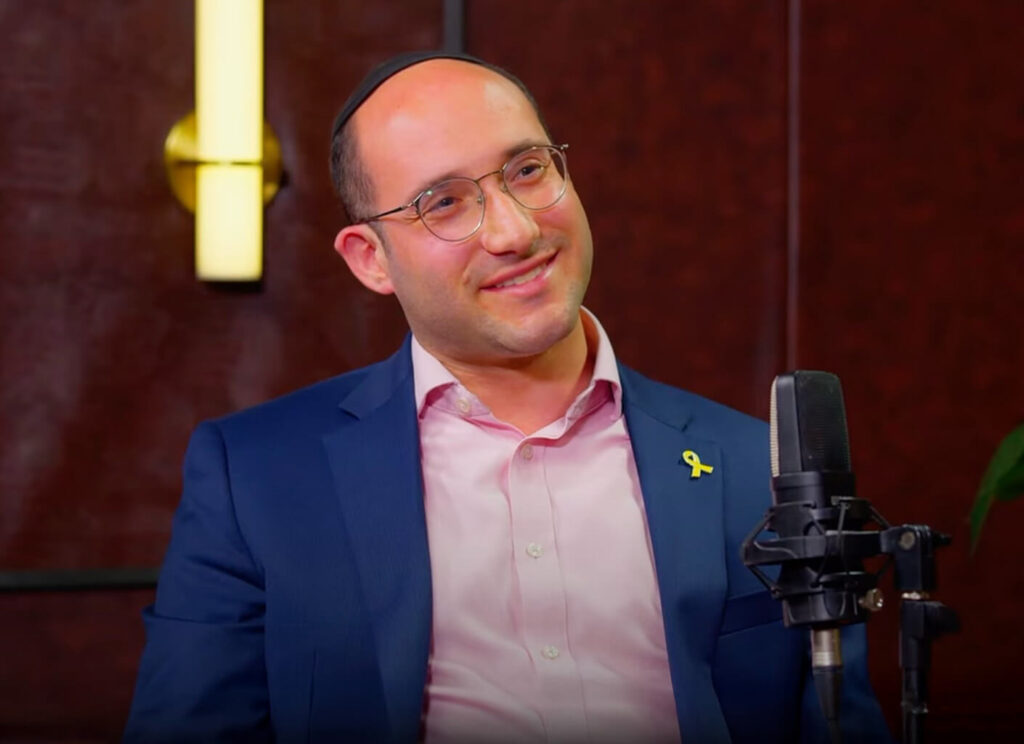
Dr. Felt

About This Episode

In this episode, our returning guest expert (and favorite friend of the podcast!) Dr. Nacchi Felt joins us to unveil the brand-new Cycle of Accountability—the life-direction loop that helps ADHD brains point their power at the right targets.

Inside the loop:

Alignment — Name your values (think truth, responsibility, gratitude) so decisions stop feeling random.

Accountability — Drop the “shoulds.” Hold yourself to what you care about.

Attention — Your attention is your presence. Reclaim it as your birthright.

Attachment — Safe relationships supercharge the loop and keep you present.

But here’s the deeper truth: safety and acceptance are the foundation that make this loop possible. Being “safe” means you can be fully seen and still contained—someone can sit with you in your hardest moments without pulling away. That’s a rare experience for many ADHDers, and therapy or coaching can provide a version of that safety while you learn to build it yourself. From playful co-regulation with a child to a friend’s honest reassurance, relationships that combine honesty and containment create fertile ground for growth. When you experience that kind of attachment, it not only soothes your nervous system—it also strengthens your alignment with your values and makes accountability feel natural, not forced. You’re not going to want to miss this episode!

More from Dr. Felt here!
Clearheaded: The ADHD Guide for Turning Overwhelm into Clarity, Calm, and Control
Episode Transcript

Kristen Carder 0:05
Chris, welcome to the I have ADHD podcast where it’s all about education, encouragement and coaching for adults. With ADHD, I’m your host, Kristen Carter and I have ADHD, let’s chat about the frustrations, humor and challenges of adulting, relationships, working and achieving with this neurodevelopmental disorder, I’ll help you understand your unique brain, unlock your potential and move from point A to point B. Hey, what’s up? This is Kristen Carter, and you’re listening to the I have ADHD podcast. I am medicated, caffeinated, regulated, and so ready to roll. I’m here today with friend of the podcast, Dr nahi felt, and I’m so glad to welcome him back into the studio, because the last episode that he was on got so much feedback from y’all. I was getting emails. We were getting comments on the pod. So listen, we love that. We love the feedback. Drop a comment. Ask us a question, ask. Dr felt a question. He is here to serve, and we have got a fire episode for you today. Dr felt is a Columbia professor, a loving husband and father of four, and an ADHD expert who has written a brand new book that he’s here to talk about today. Welcome to the show. Really great to be back. So glad to have you. I anticipate a very fiery, fast paced conversation today. I am on my toes. I am ready to go, ready to

Dr. Felt 1:36
go. So now that means people don’t have to to access Yes,

Kristen Carder 1:41
that’s so true. That is so true. So

Dr. Felt 1:43
how are you? Thank God, really, just happy, settled good.

Kristen Carder 1:48
I’m so glad. Congratulations on the new baby. Yeah, no, she’s delicious. She is delightful. Delicious. I was looking at pictures earlier. She’s walking already. Yeah, she’s so beautiful. The last time that you were here, we talked about the cycle of clarity and the cycle of ambiguity and or ambiguity first and then clarity. And it was so helpful to people. And I would just love to ask you to review those two cycles, because I think it’s I think it’s something that we need to keep in the forefront of our brain as we are moving forward, as people with ADHD who want to get shit done

Dr. Felt 2:26
1,000% Yeah, so the overall like cycles are called the cycles of clarity. It starts off with the problem, which is the cycle of ambiguity, where we often get stuck and can’t get our stuff done. Then there’s the cycle of agency, which kind of gives you that power to kind of get through, like, think of it as, like, special agent. And then the newest cycle is going to be the cycle of accountability, which we’ll get to, can’t wait. It’s going to be awesome. So I’m more than happy to start with the cycle of ambiguity, just because, again, like, I know it’s like we did this last time, but it’s like one of those oldie but goodies, yeah? Because it’s just our life every day. Like, where we start off with, like, our prefrontal cortex taking in, like, tons of data, right? Like, almost like, like, just anything, like the smell, sounds, sights, like, everything is just coming in there. Our brain is like the super computer that takes in, like, vacuums up data, and then, like, what do you do you do with it? Yeah, where does it go? And so that kind of leaves us, a lot of times, feeling a little bit overwhelmed with all this, like, incomplete information, because I didn’t get all the details. I just kind of scanned it, noticed a little bit kind of got it like a drop enough to kind of move. And so what ends up happening is that I have, like, all these, like, airplanes swirling around my air traffic control tower. If you view your brain as an air traffic control tower, and every piece of data as an airplane, there’s just a lot of stuff going on, and we know what’s been going on with those air traffic control towers. Not great. It’s not great. So that’s this, like the ambiguity part, where there’s just, like confusion and you’re not entirely clear. Of like, Wait, where’s that plane supposed to go and why is there a Black Hawk helicopter here? Like, I just don’t get it right. So, like, a lot of times it’s just like, wait, just trying to figure out our world. So that’s the first part of the cycle of ambiguity.

Kristen Carder 4:10
Can I pause you there? Why do you think ADHD ers live in such ambiguity? Like, why are we stuck there so often?

Dr. Felt 4:17
Tough question right out of the gate, really, really really, great question. I could give you like the like neurological answer, right, which is that our brain is pulling in data, scanning for threats. Would you like to ask me a follow up? Like, why?

Kristen Carder 4:34
Sure? Why? So,

Dr. Felt 4:38
that’s where it gets a drop more complicated. See, people are complicated. So the one thing that’s simple about us is that we’re all looking for the same stuff. We just want to feel safe, loved and accepted. So in a in a funny way, our brain is looking for that, right? Are signs, symbols, hints, that maybe here I could find safety, maybe here I could find love, maybe here I could find acceptance.

Kristen Carder 5:09
So that would be the neurological answer.

Dr. Felt 5:12
Well, then when you asked me the deeper question I got to, the more psychological, yes, yes, yes,

Kristen Carder 5:16
okay, yeah, okay, so we live in ambiguity. We’re scanning for threats. We’re taking in a lot of information our brain is not necessarily processing it systematically,

Dr. Felt 5:29
yeah, for sure, not in like, a linear right? And like, therefore there’s like, tons of which also makes us, like, super zany and awesome, yeah, we’re just kind of awesome because our brain is so non linear, because our brain kind of goes all over the place. We’re out of the box, we’re creative, we’re just fun,

Kristen Carder 5:44
yeah, yeah, yeah, yeah. Okay, great. So that’s ambiguity, yes. Take me to the next step.

Dr. Felt 5:50
Okay, so then ambiguity leads to, like, this internal tension. Because, like, no one likes that feeling of, like, wait, what’s going I’m just what, what’s happening here? So that, like, internal tension on calling anxiety. It’s not like a clinical anxiety, and I’m like, don’t have to get on Zoloft for that. I mean, it might help, but it definitely causes some sort of like internal tension. And the bigger issue is the discomfort. There’s a certain discomfort with uncertainty, like the fancy psychological term would be uncertainty intolerance, right? Not being able to handle uncertainty, and that’s like a yucky feeling. None of us like that feeling.

Kristen Carder 6:27
Can I add another a word that might also work frazzle our brains, but yeah, agitation, yes, I remember just feeling so agitated all the time, just not peaceful, not calm, not settled, not grounded, but just this, like internal restlessness, this agitation, and it was a little more on the anxious side, but that really resonates with me is this, just like internal upset, just this, like agitated mode,

Dr. Felt 7:00
And to suck all the life out of that, the DSM criterion of being driven by a motor right? This idea of like, oh yeah, he’s just, like, doesn’t stop, yeah, because our body’s not stopping, and our sensory input is going all over the place. It’s, yeah, it’s, it’s a lot. I like that word agitation. It is, yeah, we’re agitated a lot. And, and I think the anxiety also makes sense, because, again, that brain that’s constantly scanning for love, safety and acceptance is is really, like, kind of worried what happens if I don’t get it. I may not be used to getting it. So, like, I’m kind of scared. My default is I might not, I might not get

Kristen Carder 7:36
it. Is that a human brain thing, or is that specific to ADHD?

Dr. Felt 7:41
It’s a human brain thing. It’s even like a primate brain thing. Like studies on Attachment, like we’re done with monkeys, like this crazy, crazy study, which I got into, like the YouTube spiral of death last night, and was watching the studies by Dr Harlow. Harry Harlow from Stanford University had a primate lab at a different university, where he would have these little, tiny baby monkeys, so cute. And they had like this, like wire mom that had a milk like that, it would feed it, right? Remember that crazy study? And then they had like a right next to it, a cloth mother. So, like, they’re both like a figurine. It’s not an actual mom, but one had provided them with sustenance and the other provided them with comfort. And they found and like I watched it with my own eyes, right, these little, tiny, yummy babies would go running to, like the soft mama, and then, like, cuddle up with and then whenever they needed food, they would kind of get their fill and run back. And like they said, they would spend 17 of 18 awake hours with the cloth mother. So this isn’t even like a human thing. This is like a living thing. Like a living thing. We all want to feel taken care of. We all want to feel security. Want to feel secure.

Kristen Carder 8:55
Okay, so we’ve got ambiguity, anxiety.

Dr. Felt 8:58
There’s a last one, which is the way we, kind of most of us, I’ll talk for myself, right the way I most often deal with that internal tension, check out straight into avoidance, like it’s the sweet relief of like my phone, right, or like anything, but what I’m supposed to actually be doing or anything that would help me avoid something that’s judgment inducing.

Kristen Carder 9:25
Yes, I just did an episode with a client, and she talked a lot about buffering, and I think Tell me more. So buffering is a term that we use, at least in my coaching community, to describe Do you remember when, like, it doesn’t happen as much anymore, but like, oh, the spinning wheel of death. Spinning Wheel of death. What you know, you would just have to, kind of like, wait while the website buffered and, like, got there, like, loading line exactly, exactly. And I think a lot of us ADHD or spend a good amount of time. In that buffering zone. But what we use it to describe in my coaching community is more like anything that I do to take me out of the present moment and into like this holding pattern. It’s like the holding pattern is the buffering. So maybe it’s scrolling Instagram, maybe it’s eating or drinking or whatever the case may be. Mine’s a nap, a nap, exactly right? Like, if I can avoid and buffer for a little bit and and not have to engage with reality, not have to engage with those feelings. I have to engage with the tension. It is such a relief. It is such a relief. It doesn’t lead anywhere productive.

Dr. Felt 10:39
Yeah. Relief. By Dr Judd Brewer. I think he has a book called unraveling anxiety, and he has this really powerful line. He says, The Greatest addiction known to mankind is avoidance.

Kristen Carder 10:53
Oh, that is powerful. And also, I don’t like how much that is true for myself, I

Dr. Felt 11:00
don’t mind that. To me, it’s liberating. I’m like, Oh yeah, yeah, that’s, that’s me

Kristen Carder 11:05
before someone with ADHD really has, like, an awakening or an understanding. I see the cycle of ambiguity that that as being, at least for me personally, the way that I spent decades of my life.

Dr. Felt 11:19
That’s the way I still sometimes spend days of my Sure, sure, sure. I’ll be scrolling through, like, I don’t know, like, supposed to be writing my book, right? And I’ll be cleaning up, doing laundry, like, like, me, my wife’s really happy. Like, sweet, but like, this is not what I should be doing right now. This is not the best use of my time, and it’s, it’s really, yeah, that avoidance of of potential judgment, of like, even myself, judging myself, that like, I’m gonna be sitting there in front of the screen going, I don’t even know how to make this make sense. Oh my god, yep,

Kristen Carder 11:53
yep, yep, yep. So walk me through the next cycle.

Dr. Felt 11:59
Sure the next cycle is really kind of like the antidote, like the way to kind of like the solution, right? So if the cycle of ambiguities are problem cycle, right? So then the next cycle is the solution cycle.

Kristen Carder 12:13
You’re smiling. I just am excited to hear about it. It’s awesome.

Dr. Felt 12:16
So it starts with something really deep and not so sexy, acceptance, being able to accept yourself, the way I kind of define authentic acceptance, is being able to accept, see and accept all of our the good, because we have a lot of good, like, let’s not knock ourselves the bad. We’re very aware of that, and everything in between, like all of us, the entirety of us is, is really someone who’s still trying to show up, right? Even with all of our fears, even with all of our failures, we’re still trying to show up, and that person is worthy of being seen. Yeah? So that’s that first stage. It’s not so sexy, because it’s not a go get them kind of thing. It’s more of like a kind of internal chill. I usually recommend doing that with, like a three six breathing, like three seconds in through your nose. I’m gonna do one now, because last time, it really helped. And then six seconds out through my mouth. See, I already feel better. This idea of, like, kind of grounding ourselves in our own reality that like when you zoom out to see the bigger picture, which is what you’re gonna do in the next stage, right? Of acuity, right? You it’s like, it’s the real truth. People often say, Oh, you’re just like, you’re telling me to lie to myself. No, I would never tell you to do that. You can’t build a foundation on a lie. You just can’t. You can’t build a life on a lie. I mean, you could, but it unravels really fast, right? This is not a lie. This is the truth. It’s an uncomfortable truth, because with that truth comes responsibility. When you’re able to see yourself as someone who is capable, who is able to get stuff done, because you have done some things right, you’re still here, now, still alive, still fighting, you could do something. It’s an uncomfortable truth. Yeah, it is, and it’s not like this, like balm that’s going to be like, feel good, and then like, oh yeah. It doesn’t provide that instant relief of avoidance, but it does provide something deeper, like a real soothing and a real being seen.

Kristen Carder 14:15
I find that acceptance is one of the biggest barriers for my clients,

Dr. Felt 14:21
because they’ve never been accepted. It’s a language they don’t yet know. And like learning any new language, it takes time,

Kristen Carder 14:27
makes me so angry. I get angry when you say that, because I know it’s true, and it makes me so yeah, angry

Dr. Felt 14:33
that makes sense, because it’s unfair. Anger is our response to injustice, yeah, and it’s not fair. None of us did anything when we were so little to deserve feeling so unworthy and and like this, because it’s a new language, we don’t even know the words. We can say the words, but, like, with an accent, or, like, not even knowing what they mean. Like, it’s just it doesn’t, it doesn’t like fit. It’s like trying to speak a different language, but you’re saying the right thing on whatever Google App told you. But like, it’s just not, you’re not communicating. Thing in a way, like, Yeah, I agree with you. I would lean into that injustice because it really isn’t fair. It really isn’t I hate when patients tell me, yeah, yeah, my dad, you know, discipline, you would hit me, but like, only when I deserved it. What? What does that even mean when you deserved it? Which child deserves to be beaten? Which child? Tell me which child? Oh, they were really bad. They lit the school on fire. Yeah. That’s something that you should really look into and see what’s going on when a child is doing something really abnormal, there’s an even greater impetus inside that child to figure it out. What’s that mean? What’s pushing them, what’s happening? Understand this child, don’t just beat them into compliance.

Kristen Carder 15:39
So many feelings. Yeah, the the ability to build acceptance requires being accepted. And I think that’s why a relationship with somebody like you, with with a professional, with a with a coach, with a therapist, maybe those types of relationships can be really important in setting the foundation for acceptance, because it, for some people, it’s the first time that they’ve felt seen and accepted at the same time.

Dr. Felt 16:16
Yeah, you unlocked my cab driver story, go. Cab driver. Story is, when I was in, we were getting coming back from the airport over our summer break, and my wife has this thing where she always tries to convince the cab drivers to convince me to move there. And so he’s, like, trying, in his broken English, to, like, get me to move in. She’s like, Oh, what do you do? So I said, I’m a psychologist. He goes, Ah, I’m also a psychologist. Said, really? He goes, Yeah, you know people. They come, they tell me their stories, right? Their pain, you know, their struggles. He’s like, but it’s very heavy. It’s very heavy for me. It’s too heavy. And I said, you know, it’s not that heavy for me. I said, you and I are very different. You’re only seeing their pain, you’re only feeling the weight of their problem, and then that’s it. You drop them off at the airport, and they fly away with the rest of their story. And you never know how that story ended, but I do, and I’ve seen it 1000 times, because in your problem, I also see your solution. I also have seen you overcome that. I’ve seen so many people in your situation overcome that, right? You’re smart. Right? You’re smiling because, I bet you have. We’re like, we see the whole picture. And we see this person as just in a like, kind of, in that spot, in that bigger journey. And we see their success already, before they’ve even seen

Kristen Carder 17:34
it. Yeah, yeah, yeah. You’re so right, and walking side by side. So to speak, with someone in that journey is the greatest gift. It’s the greatest gift.

Dr. Felt 17:46
It’s like being a guide, right? Like, like those Mount Everest guides, yeah, these guys, like, they’re climbing up Mount Everest every day. It’s just like clocking in at work. I gotta take up these six British guys who want to feel awesome about themselves, right? And then, like, no one puts them in the Guinness Book of right? But then the you know, the top, meanwhile, who got you there, right? Someone who’s been there 1000 times, and I kind of view ourselves as that, like we’re that guide. We’ve climbed that mountain a million times, and we’ve helped so many other people climb that mountain too.

Kristen Carder 18:17
That’s so good. This podcast is sponsored by a g1 if you’ve been here for a minute, you know that I absolutely love a g1 I was a happy, happy customer before they even became a sponsor of the podcast. Ag one makes such a huge difference in my life, and I kind of treat it like nutritional insurance, where, like, because of my ADHD and just kind of the way that I am wired. I hate to think about food. I hate to meal prep. I hate to plan my lunch. I’m not really good at that part of life. I’m getting better, but I’m not really good at it, and I truly lean on a g1 to make sure that I’m getting what I need out of my day. And gosh, does it make a difference. In the beginning of the summer, a couple months ago, went through a season where I was traveling, I was distracted. It was not something that I was prioritizing, and I felt the repercussions of that. And so in the last couple weeks, I’ve really gotten back into optimizing my mornings with ag one, and I feel so much better, so much more energized, so much more healthy, and I feel relieved to know that at least I’ve started my day with some good nutrition. I optimize my mornings with a g1 and now I’ve added it into my nighttime ritual, introducing a G Z, the nightly drink that helps you wind down and rest. Breast. It’s a melatonin free formula with clinically studied herbs, adaptogens and minerals. For those of you at age dears who struggle to sleep, who struggle to relax, who struggle to shut off your brain at the end of the day, you are going to love this. I just taught a class and focused on opening and closing the day, and it’s wild how a g1 fits into that for me, because a g1 helps me to open my day and a G Z helps me to close my day. A G Z helps your mind and body wind down before bed. It optimizes sleep quality during the night, and it helps you to wake up feeling rested without grogginess. A GZ is one of the few sleep supplements that contains both magnesium, magnesium althium Eight and saffron, two high quality ingredients at amounts supported by research that together support the body’s need to calm and ease into natural sleep. Doesn’t it sound delightful? Calm and ease into natural sleep. Closing the day with a G Z is going to make a huge difference for you. A G Z’s magnetine magnesium. Althenate is a clinically tested form of magnesium which has been shown to improve sleep quality and support cognitive function. Hello, don’t we need that? Don’t we need it? A g z is an excellent source of magnesium. Each serving of a G Z delivers 250 milligrams of highly bioavailable magnesium, providing over half of your daily value. So open the day with a g1 and close the day with a g z, if you’re ready to turn down the stress and focus on the rest head to drink a G one.com/i. Have ADHD. To get a free frother with your first purchase of a G Z, that’s drink a G one.com/i have ADHD. Go check it out. I’m obsessed. Okay, get to the next so I think we did acceptance.

Dr. Felt 22:20
Yeah, that’s the foundation that allows you to then, right? Just even on a biological level, it’s a neuro physiological calm, right? You’re like, reducing that arousal, that fight or flight in you, and you’re just like, and when the stress kind of when, like, we kind of lower those levels in us, we’re then able to actually, like think, and our brain comes back online, and you can do the next stage, which is acuity. Acuity is a hard word. It’s really just clarity, but I needed it to start with an A, of course, right? So, duh. So acuity is what I call zooming out to zoom in. It’s where you zoom out to see the whole picture. Okay, crap. Have this appointment, right? That I got to get to and I’m late, all right? My kid needs to get out to the boss. I like, okay, Zoom out. Zoom out. Let’s say I call a couple of minutes late. End of the World. I’ll apologize. I’ll probably give him, like, a couple of minutes afterwards, and then push back everyone after the rest of date, right? But that’s all right, until my break, and even to probably lunchtime, but after three or four, like, clients, right? I should be back on track, right? But meanwhile, my kid right? If I lose it now and start, like, getting all like, you gotta get out. You’re gonna get out and drag them out, shaming them into getting out to the bus on time. Like, what’s so like, zooming out to see the bigger, bigger picture allows you to zoom back in to focus on, what do I need to be doing right now? What’s best for me now? What do I really want to be doing in this moment here. So acuity is, it’s that zoom out to zoom in, being able to zoom out, see the big picture, right? This is what I was saying with acceptance. Like, just zoom even zooming out on yourself. Like, on a macro level, like, Hey, Am I really that dumpster fire? I really feel like,

Kristen Carder 23:54
right? Have I physically harmed anyone in the last week? No, okay, I’m doing all right, yeah,

Dr. Felt 24:01
that’s fair. And even if you did, like, that’s something to kind of introspect on. It to kind of be like, I’m saying, I just met someone this week who did that, and he cried. He cried in his car about, like, you can’t believe he’s such a horrible person. That’s really beautiful, like, to me, like, the fact that a you’re cried about it, be that you’re sitting here telling me about it, not just pushing it down into your subconscious, right? Or trying to avoid it. That’s brave, that’s huge to man up and look at the ugliest part of you, yeah? Oh my god, right. That’s just so strong, that’s so beautiful, that’s that’s so

Kristen Carder 24:35
human, okay? And then acuity leads us

Dr. Felt 24:41
to agency. Now, agency is like this idea of like having power, right? So an FBI agent, right? It means I have the age I’m an agent of the state. I have the power of the state. I have the power of whatever it is that I’m representing. So the reason why I call it the cycle of agency and not the cycle of acceptance, actually always bother me. Really it is all about acceptance, or could always be about acuity. But the real answer is, because this is all nice, but I just want to be able to do the stupid thing. Yes. So that’s why it’s called agency, because this is what gives you that energy, that boost to be like, All right, damn it. Now I could do it right, once you zoom that you realize, okay, right, it’s not so crazy. So I’ll be late. I’ll be late. All right, I’ll be late. All right, sweet. All right, Honey, where are your shoes? All right, let me help you out. You can’t find your other one. All right. Let me, let me. Let’s do this. All right. I’m not gonna shame you into like, why didn’t you leave it by the door? Right? Let me help you out. Let me help you out. It’s okay. We got this right also. Now, I could do it. I could I could be the me I wanted to be. So that’s the agency. It’s called the cycle of agency, because it gets you to where you really want to be.

Kristen Carder 25:43
I’m really glad you said that, because I think everyone listening just wants to do the dang thing. They just want to be able to do the thing. And so sitting to two sitting and listening to two people who are kind of like obsessed with these ideas, and just like, I could talk about acceptance all day long and what it takes to, like, build self acceptance. And I think sometimes the listener might just be like, can you just tell me how to do the thing? And like, of course, we know that those are the steps. So it’s like, okay, if you want to do like, let’s back it up. If you want to do the thing, if you want to have the agency, you need the acuity, which means you need the acceptance, right? So it’s like building on everything, and that’s how you do the damn thing,

Dr. Felt 26:29
which gets us to the last a of that cycle of agency, which is the action, yeah, you just got to do it. Sometimes. Nike nails it here. Just do it, right? Once you like, have that clarity of, oh, right, this is what I need to do. Just do it. Yeah, just do it. Ari Tuckman has a great line in his book, The ADHD guide to productivity, or the ADHD productivity guide, he calls best way to start is to start, right? Just start. Starting. That’s it. Start. Start. It doesn’t matter how right. In fact, like I often say that all of my like sticks and tricks are just to help you start, yes, like, remember, I think we spoke about self seduction last time, right? Being able to seduce yourself to do it either by, like, the two levers of human behavior, right? So it’s either you increase the incentive, or you make it like, oh, this could be awesome, right? Or you you reduce the resistance, all right, listen, I’m just gonna do the first sentence of the report, that’s all, and then I could go for a snack. Yeah, right. So if the idea is all these tips and shticks, the cycles, all that is just to get you to start the damn thing. Because get this funny statistic, people who start the damn thing are so much more likely to finish the damn thing. Really crazy, right

Kristen Carder 27:42
there data on that? Yeah, it’s so good, and it’s so true, and the cycle of ambiguity is just what keeps us stuck in an avoidance and just in that anxiety of just like, I just need to do it, but I can’t do it, and it’s so pervasive in our lives. And if we can, just, like, move through the cycle of agency, there’s just a lot of Ace. It’s you have to when you

Dr. Felt 28:11
said agitation, I was like, oh my god, it’s overloaded.

Kristen Carder 28:15
That’s so good. That’s so great.

Dr. Felt 28:18
Someone told me I should call this the A Team. I’m like, no, no, no,

Kristen Carder 28:21
come on. It would be funny. That would be pretty fun. It would be but then copyright on the book cover hilarious. So you’ve recently added a cycle to to the mix. Yes, tell me what’s important about the next cycle. We’re going to talk about.

Dr. Felt 28:46
Okay, so before we even start, just want to give a shout out to Chandra, my book editor and guide. She was going through my, like, table of contents and, like, obviously I had a million A’s, and she’s like, so this last set of A’s is that, like, a third cycle? And I’m like, wait a minute, damn it. You’re right.

Kristen Carder 29:04
Oh my gosh, that’s so

Dr. Felt 29:06
good. More ease out there. And I was so, so excited. Then on the like, 16 hour plane ride to our summer vacation, I was just pacing up and down the airplane, holding my baby, just like, going through it and just like, also shout out to all the random passengers on Flight who allowed me to just, like, kind of just speak it out with them, like, you know, wherever they let us stand and congregate. So I was just, like, kind of pacing back and forth, like swirling these ideas together and, yeah, talking it out to random strangers who, again, as we do, as we do, right? I can’t believe people put up with us, yeah, but whatever. So that’s where I realized that there’s a third cycle that helps us just zoom out from just doing the damn thing and taking back our whole life.

Kristen Carder 29:56
I mean, that sounds delightful, yeah. Would you like to tell us about it? Yeah?

Dr. Felt 30:00
Yeah. So I call this on the cycle of accountability, trigger word accountability. Yeah, I’m already out, yeah. Accountability is a bad word for many of us. It kind of feels like we instantly like, cringe, like, Oh, crap, what I what did I forget? But again, similar to acceptance, right, authentic accountability, the way I’m defining accountability is holding yourself accountable to what matters, meaning when things matter. We do them like you show up to work because the paycheck matters, right? Like you show up for your family because they matter you. We often don’t really show up for ourselves, but we should show up for ourselves because we matter. Does that make sense?

Kristen Carder 30:39
Yeah, yeah, it really does make sense. And I’m curious, like, what it has been your thought process throughout?

Dr. Felt 30:51
Basically, what I was trying to wonder is, like, Wait so, like, it’s great that we have this awesome cycle of accountability that explains why we screw up so much check we have the cycle of agency to help us do the damn thing check. But how do we deal with this like, feeling of like, what am I going to drop the ball next? When am I ever going to pull it all together? Am I living the life I want to live? Like, why do I not like, I’m so busy, but I don’t feel productive. I just my whole life is spinning so fast, and I just like, Where the hell am I going? Yeah, that was what was bothering me. That’s the thought process behind it is, how do we get our life on track? Otherwise, it’s great. You could use my cycle of agency to do a ton of things and avoid your family.

Kristen Carder 31:38
Yes, that’s so true. So the cycle of accountability helps you to do what matters most to you,

Dr. Felt 31:45
yeah, or the cute line I just thought of right now is the cycle of accountability helps you use the cycles of clarity responsibly.

Kristen Carder 31:52
Oh, that’s good. That’s good. Yeah, yeah, please

Dr. Felt 31:56
use responsibly. So that’s what that does, is the cycle of accountability kind of zooms and takes these powerful tools of the cycle of ambiguity and the cycle of agency and helps you kind of direct it towards what really matters. So can you walk us through it? Of course, yeah. So again, brand new, so I may need a little bit of time. So fun, really fresh. First time ever being, yeah, from plain.

Kristen Carder 32:20
You’re hearing it here first, folks.

Dr. Felt 32:24
So it starts off with Alignment. Alignment is exactly what it sounds like. Think Spice Girls tell me what you want, what you really, really want, yeah, right. Like, what do you really really want? It’s called, like, a line, like, you get your tires aligned, yeah, they all have to, like, go in order, so you can go where you need to go. It’s the same idea, right? Which is identifying your core values, like, what really matters to me, and then that allows us to now have like, an acuity, like a zoom out of, like, where do I want to end up? Where do I want to zoom back into? So it’s, it’s trying to identify, like, what are your ethos? What are your personal ethos? What and like, who am I? What do I stand for? Mine, for instance, is truth, responsibility and appreciation, like gratitude. It’s interesting, like, I have this story of called the creep fiasco. The creep fiasco happens

Kristen Carder 33:21
the fact that you name your memories, the only way it is memory, but you’re like, listen, I gave it a name, and it’s called the crepe fiasco. We have a relationship. It’s a thing

Dr. Felt 33:34
go on. So the creep fiasco, again, also happened on summer vacation. Apparently, a lot of crazy things, yeah, annual summer vacation. Oh, it’s just an unstructured time when all things are, you know, sure off, yeah, summer vacations, vacations in general, are just vulnerable, so tough for me. Yeah, my family, my God, okay, let me just put myself together. Like, yeah, oh my gosh. That unstructured, like, Oh my God. Like, I get relieved when I come back home to the structure of, like, work, oh my God, thank God. Get the kids on the bus. Like, oh my god, I can breathe. Yeah. So great fiasco is we were rushing to, like, one of these, like, tourist things, like, where you like, you know, gotta see it. We’re running there, and we’re late, and my wife’s anxiety is flaring up. And, you know, like, I don’t know why this always ends up, but like, Miss anxiety marries Mr. ADHD. So I’m like, yeah, it’s all cool. Got plenty of time. It’s all good, yeah. And she’s like, I’m like, they close in four minutes, right? So we’re rushing there. I thought of a brilliant idea to calm my wife’s anxiety. Get this awesome husband hack ready. She loves crepes. There’s a little cute bakery, boutique bakery on the way. Why don’t we stop for creep brilliant, I know a knucklehead, but listen, you know husbands, I just whatever we learn on the job, they never taught us. So there should be a license, by the way, you know, like you have to do 50 hours before you get your driver’s license. It should be at least 50 hours before you get your marriage license. I mean. 100% Yeah, so. But knowing obviously that there’s, there’s time pressure here, I thought, Oh, I have a great idea. I took my phone and slammed it on the counter. I said, could you do this in 90 seconds or less? Right? Yeah, of course. What you want for you, of course. And he puts eyes, I guess. I put the timer in 90 seconds. I thought my wife was just 90 seconds, right in the way you have a crepe, everyone won’t be happy, and we’ll still make it, yeah? So we get to, like, clocks ticking, literally ticking, right? The kids start catching and so I’m like, All right, they also sell ice cream here. We’ll get everyone ice cream. All right, very nice. They have this, like, cute thing where you put the ice cream on a cookie, yeah? For like, $17 like, also, I couldn’t get the conversion rate, so, like, I was just, like, whatever. Just get it right, yeah, take all my money. Yeah, swipe. So, but we get to, like, you know, like, around this, like, 62nd mark, it’s already been a minute. I’m like, new, are you guys ready yet? Oh, yeah, a few minutes, you told me 90 seconds. That’s not minutes. That’s a minute and a half that you don’t even get the s over there on the minutes, right? So he’s like, yeah, so now I’m feeling stupid, because it’s all kind

Kristen Carder 36:08
of starting to set in, yeah, knucklehead.

Dr. Felt 36:12
So I don’t know if anyone relates to this, but the way I get when I feel that like surge of shame, when I know I screwed up and it’s undeniably like me my fault, I kind of shut down or freak out. So in this case, I did an instant shutdown, which was like, Oh my God, then blamed it obviously on them, because it’s their fault. They told me they could. They lied, right and but at the same time, had enough radical honesty to know that it was Yeah, right here. So I start losing it. Like, like, steam. You ever seen that person, like, bugging out Middle Street? And you’re like, oh, kids look away. Yeah, right, yeah. That was me, you know, professor at Columbia. I was, I was that guy, literally steam coming out of my ears and bugging out now, like, I think my son, like, his ice cream was, like, melting, and he didn’t like the cookies. He’s crumbling it everywhere. And, like, that’s a $17 ice cream, damn it. And, like, crepes not ready. We’re getting later and later to this appointment, and I’m just freaking the like, the hell out. So I remember I’m, like, standing there, like, hyperventilating, like, like, a, you know, like a EDP and emotionally disturbed person, and I see my daughter looking at me, my oldest, like, just looking at in her eyes, I saw the terror. She’s like, What the hell is happening? And that was like the, like, flash of lightning. Oh, my God, they need me. Yeah, these little babies. They need me. They need me. They need me. To pull my, you know, what, together, and to be here, to be present. And I did my three six. Yeah, probably look like a mad weirdo, but so worth it, yes. Kind of pulled myself together right, slammed some money on the on the counter and told them, keep the crepe. Yeah, we’ll be moving on. Yeah. We got an attraction to make. I don’t know if I fully lived it down yet, but the lessons definitely stick with me. I think the cool part about that is that in that flash, right when I looked at her, it activated that core value of responsibility. I couldn’t have gotten there without truth, right, without that radical honesty. But like, it’s not about the clarity per se, as much as it’s the connection to my values. This is who I really want to be. I want to be someone who’s there for my kiddos. I want to be someone who’s able to take ownership when he’s screwing it up. And so it was that connection to my core values being aligned with

me.

Kristen Carder 38:49
I feel like I felt every step of that story. It deserved a name. It deserved a name. Yeah, yeah. Well worth it. Everyone with ADHD knows what to do to improve their lives. You go to bed at a reasonable time, you wake up early, you make a list, you cross things off the list in order, blah, blah, blah. Like, yeah, we know what to do, but ADHD is not a disorder of not knowing what to do. It’s a disorder of knowing exactly what to do but not being able to get yourself to do it. That’s why I created focused. It’s an ADHD coaching membership for adults with ADHD. I’m a life coach with multiple certifications, and since 2019 I’ve coached over 4000 adults with ADHD from all over the world. I know what it takes to help an adult with ADHD go from Hot Mess express to grounded and thriving. I’ll teach you how to understand your ADHD brain, regulate your emotions and your behavior and accept yourself, flaws and all. And with this foundation, we’ll build the skills to improve your life with ADHD. And not only do you get skills and tools. Rules and focus, but you’re surrounded by a huge community of adults with ADHD who are also doing the work of self development right alongside of you. Dr Ned Hallowell says healing happens in community, and I have absolutely found this to be true. So if you’re an adult with ADHD who wants to figure out how to be motivated from the inside out and make real, lasting changes in your life. Join hundreds of others from around the world in focused go to I have adhd.com/focused to learn more. That’s I have adhd.com/focused to check it out, alignment and being able to connect to self in the midst of all of that chaos, it really shows, I mean, obviously I’ve not been a part of your growth or seen your growth, but it shows how much you have, like evolved and developed over time to be able to access self and alignment to self in the midst of the chaos is a huge, huge skill.

Dr. Felt 41:09
Yeah, I don’t even know if it’s a skill. A skill implies that it’s something I do, well,

Kristen Carder 41:15
it’s something I’ve done. It’s something that a skill is something that you can learn and develop. Wouldn’t you say? Touche, yeah, you went on this one, yeah? Because, you know, for anyone who relates to being under nurtured or under parented, I think that the connection to self in those big moments or the like that, that seems impossible, and so being able to access that eventually is something to really look forward to.

Dr. Felt 41:43
Yeah, it’s amazing. It really like, it gives you back the gift of life, the gift of yourself like you now are living your life like, even if you just took alignment, like, even if, like, you walk away with he had some new cycles, something about, like, alignment or tires. I don’t know what, right, just that, I think is valuable. Just like aligning yourself with your values, getting clarity

Kristen Carder 42:04
and what matters to you huge. Just that, what is the next step after aligning?

Dr. Felt 42:09
So alignment, right? Once you know what matters to you, right now, you can hold yourself accountable. Because, like, that’s where I want to be, like, that’s what matters to me. Remember the paycheck thing, right? So now your values become that paycheck. Your values are like that. That matters. I want that. I want to get there. And that’s the beauty of this new authentic accountability, is it’s not No one’s forcing you to get here. Yeah, you could be a douche bag husband. You could be a negligent EDP father who loses it in public more often than once. Yeah, that you could, right? It’s your choice. Thank God, your free will, right? Great country, right? Free will. You could choose whatever you want, but here it’s you, choosing you. And so when we have alignment, we now have something to hold ourselves accountable, to ourselves, to our values, to what really matters to us. I’m obsessed. You should be. It’s great. And then it gets even better. The next part is, once something matters to us, we pay attention to it. Yeah, the third A is attention. So it goes from alignment to accountability to attention. Isn’t what we all want, attention deficit, right? Like we want that. We want attention, and this is where it gets super deep, ready? I have this, like little bit in my book called this is not a memory I’m naming. It’s like a little bit the brain or body dilemma. The brain or body dilemma is like an imagine, like imaginative scenario that, unfortunately some people do have to actually choose, but hopefully for everyone listening, this is just imaginary. Imagine the person you love the most in this world. Picture. Now that person’s being taken to the hospital, and the doctors tell you he or she, he is gonna live, but we could only save the brain or their body. Wow. It’s up to you which one.

Kristen Carder 44:12
I mean, I would save his brain in a second, right? Yep,

Dr. Felt 44:15
especially if he could still touch, hug, listen, see and hear you. But what’s crazy about this is, even if he couldn’t right, let’s say, when he loses his body, he loses it all. He can’t see you, he can’t hear you, he can’t touch you. What would you choose?

Kristen Carder 44:29
Oh, see and hear would be tough.

Dr. Felt 44:32
Think about it.

Kristen Carder 44:35
I mean, can he talk to me? No, this. I’m don’t want to choose well, opting out,

Dr. Felt 44:42
he can know you. He can know you’re there. Okay, remember, his brain is fully alert.

Kristen Carder 44:46
Okay, yeah, then I would still choose brain,

Dr. Felt 44:51
which means that even though that he can’t give you a hug, can’t give you a kiss, he can’t even say or hear, I love you, you’d still just want His presence. Hmm, so, like, it’s like mind blowing, like, the depth of like, how much our attention is us? Your attention is you. You are your attention.

Kristen Carder 45:17
I’m processing all of it that is wildly deep, and it gets

Dr. Felt 45:23
even crazier if you think of Attention Deficit Disorder, it means that it’s a self Deficit Disorder. We’re not here, we’re not present in our own life. We’re all over. We’re the funniest person in the world, and we do so many things, and we accomplish so much, but we’re not here. It’s not us. There’s no self yet, until we align ourselves with who we are and align ourselves with who we want to be, and hold ourselves accountable to us, then and only then, can we pay attention to us, and our attention is us. You are your attention. It’s like mind blowing to like realize that like advertisers know this, they spend millions to get your attention, because then they get you, reclaim your attention, take it back. It’s Yours. It’s Yours. You have a birthright to your attention. It’s yours. You own this and only you can give it away.

Kristen Carder 46:12
You have a birthright to your attention. How does somebody with ADHD, with attention deficit disorder, navigate or hold that truth that they have a birthright to their attention, and yet there’s a deficit there. It feels again that sense of injustice is really coming up. For me, it’s

Dr. Felt 46:35
huge. Don’t worry. The solution. The solution is this, the last part of this cycle of accountability, which is attachment, that when we start paying attention to ourselves, when we start being ourself, the more you pay attention to you, the more you you become, which means the more present you are in your life and in the life of those you love. And then it becomes a positive feedback loop, the more present you are for the him in your life, right? For those special people in your life, you’re gonna get it right back. You give us what you get and like as you can be more you, they’re give it back to you, like they’ll appreciate having more of you there, just like if you were the one in the hospital bed. They just want you. That’s it. They don’t want your accomplishments. They don’t want your paycheck. They don’t want your hugs and kisses. They just want you. They love you. Leaning into that love, truth that lived, truth of love helps you feel that truth that you’ve never you may, for some people have never experienced before in their life, and this allows you to get that, that feedback, that you do matter and that you are lovable, you’re worth it.

Kristen Carder 47:44
Huge. You’ve been mentioning Attachment A ton. Walk me through kind of like where you’re at with what you’re learning on attachment and why it’s so important so is the thesis that you’re kind of working off, that your attention is you, and it’s not actually available to you without attachment

Dr. Felt 48:10
in some ways, okay, full disclosure, right? You can develop attachment on your own. You can it is, it is, I guess, physically possible, just a lot harder. I like quoting the Bible on this one because I think it’s, it’s an irreverent use of it. But like the Bible in Genesis, says it is not good for man to be alone, meaning mankind, although probably mostly men, because those

Kristen Carder 48:36
guys need to be watched. Let’s be honest, women are

Dr. Felt 48:41
fine, which is, it’s not good for us to not have an attachment figure. If we’ve never had someone love us, if we’ve never learned that language of love and acceptance and safety, then yeah, it will be very, very hard. But the good news is, we live in a beautiful world filled with so many beautiful people. There are so many good people out there. Maybe it was your preschool teacher who just thought you were cute. They didn’t have to deal with your tantrums at home, right? Or it was a third grade teacher that thought you were the most delicious kid in the class, right? Or a professor who was, like, wowed by your intellect, right? A clergy member, an uncle, an aunt, a cousin who was like a, you know, just were they were stuck playing with you and ended up liking you, right? Just having one person, just one person, unlocks that language of love, unlocks that, like, mental map. Because if you think about it, if we zoom out, how am I supposed to learn to love if I’ve if I don’t know, like, I’ve heard the song on the radio, right? But like, if I, if you don’t know what it means, if it’s a language you don’t know, how can you experience something that you don’t know? You don’t know what that is. You need to have taste in it, right? And so again, thank God. We live in a world filled with so many amazing, beautiful people who are trying their best, just like you, and all you need is one of them to kind of unlock that, to activate it in you just. One person?

Kristen Carder 50:01
Do you think most people with ADHD identify as not having experienced love?

Dr. Felt 50:07
I’m not sure. I don’t know. I just know that a lived lifetime of never really fitting in, yeah, always kind of being a little bit off, a little bit different, could leave its scars like a lifetime of feeling like a misfit. I know you tell me, how is that going to turn out?

Kristen Carder 50:24
Yeah, yeah. I mean, it is so unpleasant to exist in a world where no matter where you go, you just feel like you are performing, but not actually authentically you

Dr. Felt 50:40
because you’re afraid to expose your real self, yeah, because you’re afraid of that judgment. I remember the scanning was scanning for threat, perceived threat, like you’re afraid, what if they they find out the real me that I prepared this, like, literally four minutes before I walked in here, or that, like, this is so last minute that, like, I don’t even know what it says in here, right? Like, it’s scary. It’s really scary. It’s scary to be seen. If you’ve never been seen with safety,

Kristen Carder 51:06
talk to me about safety. I don’t I don’t think that. I’ll speak for myself before I kind of, let’s just be honest. Went to therapy. I didn’t understand the concept of safety. I thought it was frivolous. I kind of rolled my eyes when people said the word safety. I was just like, What do you even mean? What are you talking about? I understand now that I was very disconnected from my from myself, and that I was in a lot of unsafe relationships that told me they were safe, because a lot of Unsafe people like to tell you how safe they are in not so many words, you know, but the actions didn’t match their words. And so I would love for you to describe what you mean when you say safety, because I’m not sure that everybody would really understand or, like, have a framework for

Dr. Felt 52:03
that good point, yeah? I mean, it goes exactly like I was saying about language. We can know the words, but not know, yeah, word, because it’s really about feeling the word. That’s the table, right? I could feel table, but like, love. How do you feel love? If you don’t have love, never touched love, but love never touched you. The answer is that safety is the experience of feeling seen like all of you being seen and contained. That’s it. What do you mean by contain and contained? Like I have a delicious, yummy girl who is our very child, which means she is very emotional. She’s either very excited, right or very mad, and her feelings are very intense. I don’t know if anyone can relate. And she is delicious, right? And at the same time. This is a girl who needs to feel safety. She needs to feel that even when she’s thrashing on the ground, kicking us, biting, screaming, no one loves me. Everyone hates me. I hate you. You’re not my parents awkward when she says that on the bus. True story. So your name is Greg, I’m not he. And, like, in that moment, like, I remember watching my wife, who’s like, literally a goddess, like, kind of doing what I advise parents, right? I call this playful engagement, right? Where you just, like, she’s like, oh, so daddy’s Greg, and what’s my name, Gertrude. I like the G and G imagine, right? Like she’s kind of like entering her world. It means I’m seeing you in your ugliest, darkest moment, yeah, and I’m seeing you and I’m containing you, and I’m good, I’m okay with all of you that that’s safety doesn’t have to be on a beach. Doesn’t have to be in like, some safe room, right? This was on the floor of a public bus in a different country, yeah, summer vacation again. Had you know, with her screaming, you’re not my parents, right? And like you’re kidnapping me or like, nothing you ever want your kid to do in a foreign country, in any country,

Kristen Carder 54:20
sure. What might an example be in an adult relationship of being seen and contained?

Dr. Felt 54:29
I was going to give an awkward example that’s not fair to share about my wife. So instead, I shall do it about myself. I am also, I guess, a highly sensitive person and have very extreme feelings. The in a way, right? I think the defining hallmark of our relationship is something actually inspiring. Inspired by your questionnaire, you have a question on your questionnaire, which was your relationship survey, where you asked, What’s one thing you would want to tell your spouse? And I’m sitting there filling it out at like, 2am and I look over at my wife, who’s sleeping, and I go, You know what I would say? This is more for me to spell it out. Otherwise it’s gone, like another one of the millions of thoughts in my head, I would say that the single most valuable gift you’ve given me is your acceptance of me. She’s been with me through all of my very extreme emotions, my highly dysregulated self, and in a way, has able to kind of see all that and contain all that, and not be okay with all that sure, but contain it meaning she kind of accepted me. She accepted who I was, she accepted the good, the bad and everything in between. It’s that experience of feeling accepted being able to cry and be like a Snively snot filled mess with grossness in your hair, like with your head sweating on his shoulder and stuff, feel not like, uh, right, but like, held and seen and accepted that safety.

Kristen Carder 56:11
I that reminds me of an example, you know, as somebody with what I would have previously called very severe ADHD and not well treated. I really struggled in relationships and, like, friendships with women, and there were times when I felt really close and connected. And then there were most of the times, though, I felt I was always on shaky ground, and always had to, like, make sure, are we good? Am I good? Did I say something wrong? And I did a lot of over explaining, and I had one friend, and still to this day, she is my very dearest friend. She would text me after we would all go out, and she would say, like, it seemed like you were uncomfortable at this point, but I just want to let you know you were totally fine. You have no totally fine. You have nothing to worry about. And just like a reassurance safety, like you’re totally good, you don’t have to worry about anything. And she did that enough for me to be like, Okay, we are good. Like, there is nothing that I can do that is going to like, alarm her, right? Or like, like, okay, Kristen, like, that is to like, she’s always just gonna be very straight with me and just yeah, like to be known and accepted.

Dr. Felt 57:30
Yeah, in a way, what my wife says that she’s like, one of the like, the defining features of, like, our relationship, and what she really was attracted to me, is that she’s like, You’re so honest that I don’t think you could lie to me. And so that feels really safe, because I know that I’m always gonna know what you’re feeling towards me. Yeah, I’m always gonna know. And in a way like that, being straight, that being like, honest, that radical honesty, really provides safety.

Kristen Carder 57:58
Yeah, that’s so beautiful. So just as a recap, how does attachment help us to have attention?

Dr. Felt 58:12
Brilliant. So let’s go back to that last cycle of accountability, right? So it started with that alignment with who and what really matters to us. Once we have that that allows us to hold ourselves accountable by what matters to us right, which then we pay attention to what matters to us because it matters to us. And then we become more present, more of ourselves. And then we are enhancing and developing our attachment to those people that matter to us, which then enhances our alignment, because now I’m being held by these people and contained by these people. But that does for you is it allows you to not only connect with yourself, but to now live your life by your values, to live with you, and now you could harness right the cycle of account, of ambiguity through this lens of like, and I’m okay, even though I’m like, totally going down, like, Doom scrolling city, right? Like, I’m okay, yeah, and I’m still good. I’m seen, I’m accepted. I know that there’s someone in that other room who loves me and thinks, yeah, I’m great, yeah, he’ll get that project done whatever. He’s fine last minute or whatever, right? And then when I have that I could borrow from, that I could live off, that I could feel contained by that to more easily and frequently lean into that cycle of agency to accept myself and to zoom out and see the bigger picture, that I’m okay, I’m good enough. The takeaway of, like, the whole cycles of clarity should be that one feeling of I’m good enough.

Kristen Carder 59:40
Hmm,

it’s so good just sitting with it. It’s so good. What if people are listening and evaluating their relationships and they’re thinking, I don’t know if I have anybody. Body or I have anyone to contain. You know all that I am, I don’t know if I have a safe relationship. What encouragement do you have for somebody listening who’s a little bit fuzzy on that great question?

Dr. Felt 1:00:20
The first thing I would do is I would say, breathe, recognizing that you recognize that is already huge, right? That means that there’s a flicker of yourself in here that’s starting to reawaken, that’s trying to like, wait a minute, I matter. I matter. And I want to feel like I matter. That is a tiny spark that’s huge, huge. It allows you to start and then whatever you can do to fan the flames of your own self, right, either by, you know, looking at those people who do, do that for you, hang out with those people more, or even therapy or coaching, what I call rent the relationship, right, like that can help you develop it a little bit more, and so that it could give you back that gift of attention, that gift of yourself. Yes, the more you you can be, the more you could then feel that attachment, the more present you could be in your relationships. Really, I would say, like, do both an in and out. Like, look inside you, appreciate you, that you’re feeling that, and that you’re starting to be aware of you, invest in you. And as you do that, right, allow yourself to pull from the external, from outside, other things, to feed that fire, to feed that flame so that one that you could roar, you could be a real like you could just be and feel good and feel accepted and feel like you’re you.

Kristen Carder 1:01:39
Yeah, I don’t think that can be overstated, that some of us have to pay for

Dr. Felt 1:01:44
it. It’s not your fault. I did. Me too. Hey, I

Kristen Carder 1:01:49
did. I had to go rent. Some people have relational privilege, and other people don’t. And if you don’t, that’s okay. But if you are, if you have the ability to pay for it, do it. I remember even when I was going through a season of relational transition and just really trying to invest in myself and figure stuff out, I was even I would get a weekly massage, I would get a, you know, a monthly pedicure, not because I’m necessarily a girl’s girl. I don’t do it anymore, but it was a time where I needed to pay for nurturing.

Dr. Felt 1:02:33
Yeah, and the power of touch is huge, Yeah, huge, just having another human touching you in a positive way, yes? Like, it’s interesting. I got into like, an argument with them, with like, a very like, prominent religious leader. We agreed to disagree. I really have a lot of respect for him. Just called him on the way here, actually, to thank him for that conversation, and he was saying that he doesn’t like the idea that therapists or coaches disclose in in the therapeutic relationship, he said he feels like the therapist or the coach is supposed to maintain a certain level of strength so that the client could borrow from that strength and could kind of be grounded by it. And again, very thought out position. Sure I hear it, he’s wrong, and I told him why he’s wrong, which is, yeah, he was like, his argument to me was, because you’re not really friends, right? And as soon as the relationship’s over, as soon as the friendship is over, it’s gone, you move on. And I said, I think that you’re mistaking the feelings of friendship for a relationship, because that relationship never ends. I still have, like, all the therapeutic experiences I’ve had still they’re in me, and what it’s given me the gift is the gift of me, having someone relate to me, so having someone see me to so that could feel seen and heard. That relationship built me. We are built by relationships. It is not good for man to be alone. We need relationships, and those relationships build us and we carry them with us forever.

Kristen Carder 1:04:05
I’ve just loved every second of this, and I wish we had a whole other hour to keep going, but you are writing a book, or you’ve completed a book. Yep, wrote it, it’s done. Okay? So for anyone who is just like I need more. I am dying to get my hands on this. Tell us about your book and how we can get our hands on it.

Dr. Felt 1:04:26
Awesome. My book is kind of walking you through the entire cycles of clarity, right? It’s going to walk you through the cycle of ambiguity so you can kind of get where your bearings and figure out knowing the problem is half the solution, right? Then kind of how to move yourself through the cycle of agency, to feel that energy, to get shit done, yeah, and then finally, the cycle of accountability. It’s going to help you kind of reclaim your life, to get back you. The book walks you through that and like, like, really, like, step by step, carry you slow and steady. It’s written by someone with ADHD so. It’s like short bursts. Yes, it’s really great stuff. It’s on Amazon right now. The working title is clear headed, Oh, I love because that’s what it gives you the gift of, Oh, I love,

Kristen Carder 1:05:17
just a working title. I love it. It was that or the clarity code. But I like that

too. But I like clear headed, yeah, me too. I like clear headed one. I mean, I’m just so grateful to you for your work, for the way that you are evolving yourself. And, I mean, I feel like with somebody like you, you’re you are doing the work in real time and and pulling us all along with you, you know, just one step ahead, and that’s so important, because it is so much easier for us. ADHD is to learn from someone who’s in the trenches than someone who’s high on the mountaintop. You know, like, let me show you how it’s done. And instead, you’re like, No, I’m literally in the trenches and learning and evolving and growing, and so I just really, really appreciate you. The book is called clear headed. You can find out on Amazon, and I highly recommend we’ll put a link. You can send us a link. We’ll put a link in the show notes. Everybody go buy it. Thank you so much. Thank you for your time, your effort, your contribution to the world in general. But really, just like our ADHD community is so, so lucky to have you. So thank you so much.

Dr. Felt 1:06:30
Of course, there’s a great line from, like, one of the Jewish ethics, which is, if we are not, if you are not for yourself, who will be, I feel like for the ADHD community, if we are not here for ourselves, who the hell will be

Kristen Carder 1:06:44
That’s so good. And on that note, we will see you next week. Bye, bye. Hey, ADH, dear. I see you. I know exactly what it’s like to feel lost, confused, frustrated, and like no one out there really understands the way that your brain works. That’s why I created focused is my monthly coaching program where I lead you through a step by step process of understanding yourself, feeling better and creating the life that you know you’re meant for. You’ll study, be coached, grow and make amazing changes alongside of other educated professional adults with ADHD from all over the world, visit Ihaveadhd.com/focused to learn more. You.


Take the first step in gaining control of your life

This totally free printable includes a psychologist-approved list of symptoms that adults with ADHD commonly experience. This could give you the answers you’ve been begging for your entire life.

Related Episodes

Kristen Carder

Episode 418: Tired of Feeling Tired? How to Rest When You Have ADHD

Kristen Carder

Episode #416: ADHD and Money: In This Economy?!

Lindsay Gibson

Episode #414 Good Enough Parenting: What NOT to Do (with Dr. Lindsay Gibson)

Stop Struggling Alone.
Start Thriving With FOCUSED.

A proven coaching program designed specifically for adults with ADHD who want to gain clarity, build confidence, and take control of their lives.

Join a community of hundreds of ADHDers

Learning About My Brain...

Changed Everything

Hi, I’m Kristen Carder—ADHD expert, podcast host, and certified coach who’s been exactly where you are. Diagnosed at 21, I spent years cycling through planners, courses, and systems that never quite worked. Everything changed when I discovered the power of understanding my ADHD brain and the transformative impact of community support.

Now, after 15+ years of research and experience, I’ve helped thousands of adults with ADHD thrive. I’m here to show you how understanding your brain can transform your life, just like it did for mine.

ADHD Tips That Actually Make Sense

Follow @i.have.adhd.podcast and join our Instagram community for daily strategies, relatable content, and real talk about ADHD