

Podcast Episode #76: You 2.0

Listen or Watch this episode on:

About This Episode

In last week’s episode, I taught you the concept of your future self. This week you’re going to hear from Jen 2.0, one of my clients who has used this idea to change her whole dang life. You’ll see how you can practically apply this concept and access your future self in order to totally crush your goals. Change starts now.

[www.ihaveadhd.com](https://ihaveadhd.com) for more adult ADHD resources.  

See Privacy Policy at [https://art19.com/privacy](https://art19.com/privacy) and California Privacy Notice at [https://art19.com/privacy#do-not-sell-my-info](https://art19.com/privacy#do-not-sell-my-info).

Episode Transcript

This episode is sponsored by Cure Hydration. You know that moment for me, it’s around like 2 or 3pm when my ADHD brain just decides we’re done for the day. We’re done here. The afternoon slump hits, the lights go off upstairs and suddenly answering an email or doing basically anything feels like climbing a mountain. That’s when I reach for Cure Energy. It’s a clean plant based energy drink mix made with 100 milligrams of natural caffeine and electrolytes so I get the focus and hydration boost I need without jitters, without a crash and without that like I drink battery acid vi that some of the energy drinks have. The peach tea and acai berry flavors are my current go tos. Crisp, refreshing and they don’t taste fake, y’. All. They don’t taste fake. I’ll drink one before recording a session or when I need to get help through like that afternoon drag. And honestly, I. I drink it anytime. My brain just needs to cooperate. What’s wild is that Cure Energy is only 25 calories and has zero added sugar. It actually helps me stay hydrated while giving me energy. Okay, I love coffee, but coffee could never. Staying hydrated isn’t just about water. You also need electrolytes. And that’s why I love CUR Cure. It’s clean, it tastes great and it actually works. And remember, Cure is FSA HSA approved, which is amazing. You can use that money to pay for cure and for I have ADHD listeners, you can get 20% off your first order@curehydration.com I have ADHD with the code I have ADHD. And if you do get a post purchase survey, make sure to tell them that you heard about CURE right here on the podcast. It really helps to support the show. Don’t just drink more, upgrade it with cure. Welcome to the I have ADHD Podcast where it’s all about education, encouragement and coaching for adults with adhd. I’m your host Kristen Carter and I have adhd. Let’s chat about the frustrations, humor and challenges of adulting relationships, working and achieving with this neurodevelopmental disorder. I’ll help you understand your unique brain, unlock your potential and move from point A to point B. Hey, what’s up? This is Kristen Carter and you are listening to the I have ADHD podcast episode number 76. I am medicated, I am caffeinated and I am 100% ready to roll. Today’s episode is an interview with one of my clients, Jen, who first joined Focused and then started coaching. Coaching one on one. And you are going to be so inspired by this conversation. As you know, I do not have medical experts on this podcast. And it’s not because I don’t love medical experts. I do 100% so grateful for them. So glad that they are out there doing the research and doing the work on the front lines of, you know, treating us for adhd. However, what I want this podcast as a whole to be all about is just very normal, typical ADHD people making huge changes in their own lives. And so the experts that come on this podcast are my clients who make changes and improvements for themselves so that you can be inspired that change is also available to you. I think that there is a very pervasive thought in the ADHD community at large that change is just not available to us. We are the way we are and we are victims of our adhd and it just is what it is. And of course, ADHD is a real thing that we need to take very seriously. However, we can make changes and we can improve, and I love to highlight that through my clients. So you’re going to hear from Jen today. She’s amazing. I love her. And what’s so cool is that this concept of the future self has changed everything for her just in the last couple months. So if you haven’t listened to the last episode of I Believe it’s episode number 75, it’s all about your future self. And on that episode I talk about the concept and the theory of it. So on this episode, we’re going to talk about how it plays out practically in someone’s life. And you are going to be able to hear from Jen as the example of what it means to really think about your future self and then use that concept, that version of you to change who you are right now. I am so excited to share this episode with you today. I think that it is jam packed with value. So here we go. Here’s my conversation with my client, Jen. Hi, Jen. Welcome to the podcast. I’m so glad that you are here. Thank you so much. I’m so excited to be here. So, so fun. Why don’t you tell us a little bit about who you are, because I love your job. It sounds very fancy. So tell us who you are and what you do. I am. So my name is Jen. I’m a project manager and I work in the pharmaceutical testing arena. So I am very busy all day doing lots of mundane tasks. It’s not as exciting as you would imagine. It sounds very Fancy. And the thought of a project manager who has ADHD is kind of mind blowing to me. It is really not something that I should be doing. That is not true. You’re very good at it. Yeah, it’s interesting to adapt the job to my brain and the way it thinks. Yeah, I love that. So I wanted to have you on today because I in coaching you, I have felt like you’ve really latched on to the concepts of your future self and started living into that version of you. So I did a podcast on it last week. So if you haven’t listened to that podcast, make sure you go back and listen to it. But this week I wanted to chat with you Jen, about like the practical application of what it’s like to envision the future version of you and then actually become her. So first I want to talk about your default setting, the out of the box like programming that you came with. Right. Like just like Jen 1.0, the original model. What was she like? Like pre coaching, which we’ve been coaching together for how long now? It’s been a few months and of course because I have time blindness, I don’t know exactly how long it’s been, but it’s been a few months. It has been a relatively short period of time. And you joined Focused first, right? You were in Focused and then you became a one on one. Okay. And you’re still in focus now? Yes, I’m doing them concurrently and it is amplifying the results. So I love doing both of them at the same time. Oh my gosh. I love it. Ok, so tell us about Pre coaching, Jen, the default model, your out of the box programming, what were you like? So I would say Jen 1.0 was a faulty program and she had a lot of bugs in her that needed to be addressed. Gen 1.0 was very. She was chaotic, she was flying by the seat of her pants. She was always in emergency mode, always in catch up mode and she never quite felt like she was on top of her life. Yeah. On the Surface Gen 0 appeared to have it together. She was very good at keeping up appearances. Yeah. But on the inside her self concept was not anywhere near what it is now. She felt really like a complete failure. Like she failed and quit everything in her life up until that point. What kinds of things did you feel like you failed and quit? So I was. I have been pursuing an undergraduate degree since I was 18 years old and I am now 49 years old. So you. This has been a part time, on and off thing that I have been doing as I have time. So when various life challenges would come up, I would tell myself, I can’t do this right now. This is too much. I have to quit this. And so I just kept quitting. You know, I made various attempts to restart, and I kept quitting because it felt too hard. Is it surprising to you how much of your life felt too hard? Yes. Pretty much everything felt hard. From getting up in the morning to getting myself dressed and following routines. It all felt hard. Every single thing. Totally. And there is an ongoing dialogue in my brain about everything, about why it was hard and why I could not be successful at this thing. Totally. Tell me about what work was like for Jen 1.0. For Jen 1.0, she felt like she was constantly on the verge of being fired from her job because she wasn’t doing the job that she knew she could be doing. And she was constantly forgetting things, missing important things, letting people down, just generally not doing the best job that she knew that she could do or that she thought she should be doing. Yeah. How frustrating was that? Frustrating because I feel like I knew I had potential. Everybody always told me throughout my life, oh, my gosh, you have so much potential. But it felt awful because I wasn’t realizing any of that potential. I wasn’t making things happen with that potential. Yeah. I was really stuck. I was waiting for the next emergency to happen. Yeah. And I was. Honestly, through this process of coaching, I realized that I was creating my own crises in life. How wild is that? It is wild. And it is. It is really eye opening to realize that that is the case. And once I realized that I was doing that, I could change it. So amazing. So what made you reach out for coaching? Like, how did you find focused and me? Was it through the podcast or what did I find you? You know what? I. When I realized I had ADHD and kind of diagnosed myself and then was later diagnosed by a doctor officially, I started just looking for resources on the Internet. I was trying to get as much information as I could about adults with ADHD and how they can, you know, tweak their lives and their brains to be successful. So I just started on a journey of looking for information, and through that, I found a couple of Facebook pages that were specifically for adults with adhd. And in one of the conversations on one of those Facebook pages, somebody mentioned you and your podcast. So I immediately went to your podcast and started listening. And from the very first recording, it was like, oh, my gosh, this woman gets me. He knows what it’s like, to be me, and she has been me. And this. It was just the most affirming thing I had ever heard in my life. That’s amazing. That makes me so happy. That’s so cool. So then. Oh, it’s awesome. Because I had felt, honestly my entire life like, I am this person who doesn’t really fit in anywhere. Like, I don’t quite fit in with the mainstream. I didn’t know why. I never understood why. And I always felt like I was kind of always trying to fake it to fit in with. With everybody else and at the same time wondering what’s wrong with me? Why am I not like everybody else? Why can’t I get these things done like everybody else? And so when I heard you in the first podcast talking about, you know, what it’s like for an adult to have adhd, I thought, oh, my gosh, she knows what I’m going through. She totally understands it, and she’s been through it herself. So I want to hear more from this person. That was my thought. Love it. That’s so great. Through the podcast. Yeah, go ahead. Your little advertisements. At the end of the podcast, I learned about the group, about focused, and that is when I decided to join Focused. And pretty quickly after joining Focused, I realized I want to take in as much of this information as I can, because this is awesome. So that’s when I approached you about private coaching. Yeah. And I read your application. I was like, ideal client. Let’s go. It’s been a dream. It really has. I was ready. Yeah. And I think. I think I said this to you during coaching yesterday. I feel like my whole life has primed me for this experience of coaching, and I was ready for it. I was waiting. You know, I have been waiting my whole life for the right thing to come along, and this was it. So I just took it and ran with it. That’s amazing. Okay. So pretty early on in our coaching relationship, we uncovered that your self concept, which is just the thoughts that you think about yourself, was pretty lacking, to put it gently. Yes. Yeah. And so what that really meant for you in my experience in working with you was, like, the thoughts that you were thinking were creating your reality of, like, I don’t have it all together. I am overwhelmed. Really not enjoying your experience. Really not feeling like you’re reaching your potential. So we started talking a lot about self concept. And one of the key ways I do that is to have you envision your future self. And unlike anybody that I’ve worked with, you just loved this. I mean, Everybody likes the concept, but you latched onto it. Like, you were like, I’m gonna give her a name. I’m gonna give her a Persona. Like, this future version of me is gonna have it together. What was it like for you to, like, think that through for the first couple times? For me, just thinking about it, it was life changing. It was like an entire paradigm shift of how I think about myself because I feel like it was the beginning of me really accepting who I’ve been my entire life and then realizing that I can change that and become somebody else. It was just. I mean, it was awesome. That’s so fun. So I think understanding what my future self could be and really feeling that I can be that person has just allowed me to realize my value that I put out there into the world, which I was not aware of at all before. No, you really weren’t. Oh, my gosh. So when you came back the next week and you said that you’re calling the future version of you Gen 2.0, I was like, that is perfect. So tell us about Gen 2.0. So, and this is just the version of you. When we had this conversation, it was like, I don’t want you to think about it in 10 years. I want you to think about yourself in one year from now. So I think it’s really important that we don’t separate ourselves too much from it and make it like, such a fantasy that it’s not even believable, that it’s not even something that we think. Think that we’ll ever achieve. But, like, okay, a year from now, what could I be? So tell me, tell us about Gen 2.0. So Gen 2.0 is somebody who gets stuff done? Yes. Gen 2.0 is reliable. She keeps her commitments. She honors her commitments. Yeah. She makes every effort to show up on time and be prepared for things. Gen 2.0 sees the value of all tasks, even if they are ones that she hates to perform, and she realizes how they contribute to her overall success. So she figures out ways to make those tasks automatic and to have as few thoughts as possible about performing those tasks so that she can just be on autopilot and do the task. Tell me about that. As few thoughts as possible about performing the task. What does that mean? Well, when we first started talking about the tasks that I hate in my job and that I dread performing, we started to go through the model and talk about how. How I need to change the way that I’m thinking about performing those tasks. And that was helpful. But I Feel like we had to move through that another step. Yeah. So in changing the way that I thought about the tasks, I realized that I had to do that before. Every time that I performed the tasks, I had to get myself that mindset. Okay, now here’s how you’re going to think about the task, and, you know, here’s how you’re going to get these done. And so the real key for me was when you suggested that maybe I just don’t have any thoughts at all about those tasks. And that was the game changer. And then I realized, okay, I can just accept that I don’t like these tasks and not have any thoughts at all about them and just do them and make it like a game and I can reward myself when I’m finished with them. So would you please tell us who shows up to do the tasks? Yes, I know. So depending on how old people are listening to this podcast, you may or may not know about a show called the Jetsons that was on during our childhood. Kristin and I remember the show. But there in that show, there was a little robot, and she was the maid for the family, and her name was Rosie the Robot. This just came into my brain. I am Rosie the Robot. I am wearing my little apron, and I’m going to do my tasks, and I’m going to just get them done without even thinking, because I am a robot. Love. And what’s so cool about that? Like, you don’t apply that to your entire life. It’s not like you don’t want to think about your entire life, but you have this set of tasks that you know has to be completed. So. And every day there’s drama about it. So, like, what if we just. Yes. Creating so much drama around these tasks with my complaining and my procrastinating and everything that was involved in not doing the task. Yeah. So then. And I ask myself this question sometimes around podcast recordings is like, what would it be like if there were no thoughts? I just. I know I have this task. I know I want to do it. Even the task that you don’t want to do. And if you really follow that through, like, for you, I don’t want to do these tasks. Well, we. We walked that through. Like, what would your work life be like if you didn’t accomplish those tasks? Right. And I realized the value to the organization that I work for of these tasks, and I realized that they were very important, valuable tasks. Right. And so then I continued to hate them. Right. It doesn’t make them lovable. Right. Like, you See the value. But you’re not like, oh, well, now they’re enjoy. Then it’s like, okay, what if we just don’t think about it at all? It’s kind of like doing the dishes. Like, every day. There’s dishes every single day. And I can just be like, every day there’s like, how these people need to eat again and there’s dishes everywhere again. Or it’s just like, yeah, there’s dishes. Let’s go clean. Oh, that’s something else. I could talk a lot about, like, the drama I created in my personal life about doing chores, just about everything. Yeah, tell us about it. Well, I had this. Since you mentioned the dishes, I had a real problem doing the dishes. I didn’t want to do them, didn’t enjoy it. Just I avoided doing the dishes at all costs. So my husband ended up being the person that did the dishes all of the time. And I think there was some, probably some resentment building there about being permanently assigned to that task because I just couldn’t make myself do it. Yeah. So through this whole process of coaching, I have just started doing tasks like that. Not even really. It’s not really like I have to even think through it. I have just started doing them because I don’t think about them. I put on headphones, I have music that I like to listen to while I’m doing these tasks, and I just go into hyper focus mode and I focus on this task and I enjoy it because I’m in the flow and I’m just doing it. I love it. I’m not sitting there having this internal conversation with myself. Oh, God, why do you have to be the one to do this? Like, I don’t know. I’m just gonna listen to the music and I’m gonna do the thing and this is gonna be awesome for my family and have so much benefit for them. It’s amazing. It’s just not even a thought anymore. Like, that’s pretty crazy. Yeah. And for people listening to this, I just want you to know that this whole process of getting to where I am now was work. There was work involved in it. And not all of it felt good. A lot of it felt crappy. But if. If you’re willing to move through those emotions and get. Process them and get to the other side of them and like, really feel those things, then on the other side is this awesome new way of being. Hmm. So tell us about that process for you. Like, what did you kind of have to go through and wrestle through? So we, I mean, you Know, we have focus calls three times a week and you and I had a, have still a personal call once a week. But you know, then there’s all of the other hours in your day and in your week. So like, what was that process like for you? What effort did you have to put in? Whenever I had a negative emotion, which used to be a lot, sometimes I would get an email and read it and that would send me into this whole thought spiral. Oh my gosh, how could this person say this? And I would, I was defensive. I took everything the absolute worst way that I possibly could. And through this process, I have learned to process those emotions. And it’s happening really quickly now. Like I’ll see the email and I’ll be like, okay, I really need to do the model. I need to model this because I shouldn’t be having these emotions about this work email. This is not personal. So I take a break and if the emotions are really intense, I go into another room and I feel those emotions like a boss. Yes. I do not stuff them down. If I feel like crying, if I feel, you know, whatever I feel, if I feel angry, I just feel it totally. And you know, when I move through that kind of storm of feelings, I sit down and I do the model and I get to the place of thinking and feeling that I know is going to serve me better to move forward with my day. Totally. So for those of you listening, the model, I don’t talk about it on every episode, but it’s basically the primary coaching tool that I use and it is just a way to show us in our own self coaching practice how our thoughts. Well, first of all, how our circumstance is neutral and it’s our thoughts about the circumstance that are creating our feelings. And then with whatever emotion we’re feeling, we’re going to take action and from that action we’re going to get results. Right. And so you’ve really enjoyed the model a lot. I have. I have totally implemented it as my go to way of dealing with things and I’m even teaching my kid how to use that way of thinking because I realized how valuable that would have been if I had had that as a kid. Totally. What’s that experience like with them? Well, you know, kids can be challenging. I think we can all agree to that. Yeah. Having kids is, it kind of makes you go back and re parent yourself and think about the way that you would have liked to have been parented. I would have loved to have somebody coaching me through my difficult emotions and times that I was Having and just all the kid dramas that I had. So being able to do that for them has just been awesome. And they really respond well to it too. What’s gen 2.0 like as a mom? 2.0, I would say more than anything is present as a mom. And I can’t really say that about Gen 1.0. Yeah. A lot of the time Gen 1.0 was buffering. Yeah. She was doing things to feel better, like, you know, just running away from situations that were difficult and, you know, basically shutting down and saying, I can’t deal with this totally. But Gen 2.0 is able to actually confront the issues and deal with them and move on and be totally present. Yeah. I love that word. Is that what I expected you to say? And I just. That was so beautiful. Present. I love it. I think we ADHD parents probably struggle with that the most. Right. Because previously, even if I was in the room with my kids, it was possible for me to not be present because I was in my own brain having all of these spiraling thoughts. I really wasn’t present even a lot of the time when I was there. Yeah. So you began to really define for yourself like a clear version of who you are, you know, a year from now. Right. Gen 2.0. But what I see in you is that you are living a lot like you are gen 2.0 now. So tell me about that experience. Like, tell me how envisioning her and defining her has allowed you to live into that and actually become her now. So before Gen 1.0 wasn’t doing a lot of planning for the future. She wasn’t effectively planning her days and her weeks and setting goals for herself and. And I think the change that I’ve had in my self concept has allowed me to do those things before. They kind of would have set me into a spiral of just thinking and negative thoughts and I would have shut down and said, I can’t do this right now. I’ll plan later. Because it feels too hard right now. But Jen 2.0 is able to plan out her day plan every hour on the calendar. Here’s what I intend to be doing. It doesn’t always work out that way, but I’m able to have that vision for what my future is going to look like. And you are. Do you feel like you’re Gen 2.0 now or do you feel like there’s more like evolution to happen before you come? There’s always, you know what? I feel like maybe there could be another version released every year. I Love it. Because really, do we ever stop wanting to improve ourselves and getting better? Right. So I think right now I am living as Gen 2.0. Next year I will be Gen 3.0. That is so fun. It’s so. You know what’s the most fun thing for me is, is to work with people and open up the possibility of change. Like. Like you really believe that change is possible for you? Like, oh, yeah. Every year there’s going to be a new version release, obviously. Right. Like, that is so fun to see in you. That was not my way of thinking just a few months ago. And which, you know, the Gen that you met is not the same person I am now. Totally. That’s so fun. It can happen relatively quickly. Yeah. Because I really think we’ve only been working together for like three or four months. Like, it really has not been that long. And the other cool thing that I, that I always think is that, you know, Gen 1.0, you know, had a lot of things in her past that she had to accept. I was able to accept everything from the past. I didn’t have to go back and do years of therapy. Not saying there’s anything wrong with therapy, because therapy is awesome. But I didn’t have to process each event of my past and work through it. I was just able to accept this as a whole is who I was and move on from that. So I didn’t have to fix my past. I just had to accept it. Wow. And then what did that. What was the benefit of that? The benefit of that has been huge because I am really owning who I was and all of the imperfections of that and all of the things that I did, maybe to disappoint other people and everything, I have just totally owned it. And as I move forward, I’m continuing to own it. If I make a mistake, do something stupid, I’m the first to say, hey, sorry I did this dumb thing, but I’m gonna fix it. So it, you know, I think Gen 1.0 would have been trying to, you know, being defensive, blaming somebody else for the mistakes, just doing everything but living up to her responsibility that she has for her own life. Why did she want to blame other people for her mistakes? What was in it for her? What did she. What was her thought about that? I think somewhere in her mind, she really did believe that it was that all of the things that were happening were somebody else’s fault. Because I think on some level, it’s just easier to think that way, totally. Rather than to accept, oh, these Are the things. These are the thoughts and feelings that I had that led to these actions that I did that led to this result. I created this result, and I am fully responsible for it totally. What’s the benefit, would you say, of accepting responsibility for. Just opens up so much space in your mind and in your life. It just really allows you to stop being so stuck and overwhelmed over this one thing that you keep obsessing about and just. You’re able to just, okay, I accept that I did this dumb thing, but now I’m moving on, and if there’s a problem, I am the solution. Yes, I love that, and I love the thought, like, I am the problem and I am the solution. But, yes, I am the solution. Totally. And that is something that you really worked on, is like, okay, I am the solution to all of this. Like, that. I remember that conversation of you, like, really beginning to accept responsibility for that. And I was mentioning to you during one of our calls that there was a process that I had to do at work that I really felt like I was responsible for, yet had very little influence on how it went. Yeah. And so I described that whole thing to you, and you said, do you really not have any part in this? Is there not anything that you could do to influence this process? And I thought about it, and I was like, you know what? Yes, there are a lot of things that I could do to make this process go better, even though it’s not my process. Yeah. And what’s so awesome about that is that you. Your brain was just closed off to that possibility. And I think a lot of us do this. We just, like, our brain kind of puts these, like, blinders on, and it’s like, no, this is out of my control. Like, there’s nothing I, like, I remember the words that came out. You’re like, there’s nothing I can do about it. Like, this is on me, and I get blamed for it. But there’s not. I have no control, I think is what you said, I have no control. And I was like. And you said, are you sure you have no control? I love it. And I ask myself that question now. I go to that place of wanting to blame or deflect or anything like that. I say, hmm, do you really not have any control over this? Or do you just not want to own this huge. I mean, if we would just ask ourselves that question on the regular when problems arise, we would create so much better results for ourselves. I love it. So what are you in the middle of working on now? Do you have anything that you’re, like, processing and working on now that you can share with us? I do. So right now I am in the process of semi automating or fully automating all of the tasks that take up a lot of my time at my work, so that I can sort of put those on autopilot and have very little thoughts about them, but be sure that nothing is slipping through the cracks and getting done. So I am creating a process that allows me to be free to feel, do, think creatively in other areas. I love it. And not feel so stuck in these process. That’s so good. And tell us about your degree. Yes. So also, I am in the process of finishing up my degree that I’ve been working on since I was 18, and I will be finishing it this year in December. So I’m really excited. Huge. And then I can move on from that. It won’t be a roadblock to, you know, getting further education and doing things in my career that I want to do, and it won’t be something that I have to hide, because that has been a major source of shame for me for my entire career that my. My degree is unfinished. Right. And even though I needed very little credits to finish it, you know, that. That even felt worse. Like I only needed one class to finish. Why didn’t I just do it? You know, and people ask me that, why didn’t you just do the class? But, you know, the ADHD brain comes up with all sorts of excuses and reasons why it can’t be done 100%. And I noticed a shift with you where, you know, at the beginning of our coaching relationship, you were starting to homeschool your kids because of COVID and all of that, and you were like, you know what? I’m just. I’m not going to do my degree right now because I really just don’t have time. What changed? Because that. With that, I think just the change in my mindset has enabled me to just move forward and get out of that place of being stuck and feeling like I couldn’t do it. Yeah. Tell me about the time you’ve created for yourself by changing your mind about time. I created so much time by just putting my priorities on the calendar. Compartmentalizing what the most important things are like. I think you have a word for that. It’s not compartmentalizing. What is it? It’s like, what’s essential. Is that what you’re thinking of? Or constrain Constraint? Yes. I got my favorite word. You’re right. I love that. Word. I have been constraining like crazy. Yeah. I do not binge on Netflix. I do not do other things that I know are not moving me forward. Yeah, yeah. And something else was the concept that you talked about of, you know, realizing what’s important and just leaving everything else behind and not focusing on things that, you know are going to be going to put you in that bad emotional place, like the news. I don’t spend my time watching the news anymore because it just does not get me closer to my goal. Yeah. I think that that is so interesting because it’s like we want to be educated and informed, but there’s a very fine line between educated and informed and complete. Completely like on the emotional roller coaster of the daily news cycle. Right. And that’s what I was doing, especially when the pandemic started. I was hyper focusing on news and what was changing from day to day and all of the statistics and everything, and it was just too much. Right. And I think that for us, like, the question is, like, is this serving me and is this giving me a net positive result? Right. Like, if it is, like, maybe you are a person who, like, needs to watch, especially if you have, like, major health issues or something like that, but if you’re just like this very average human living in this world, most of us don’t need to be so connected every second of every day. It’s not giving us a net positive result. Exactly. And I can. I can listen to or read daily, you know, a summary of the news and get everything I need. I do not need to sit and watch it and watch people debating and arguing for hours on end. Yes. Especially right now, where we are with politics in this country, it would be very easy to get sucked into focusing only on that. But I am not letting that happen. Yeah. That’s amazing. Another thing that you taught me that was really valuable for me is to realize the difference between massive action versus passive action. I realized that I was spending a lot of my time on passive action, which were things like reading books about how to be productive, you know, doing all of this research, research, research, looking things up, trying to come up with new ways to do things while not actually doing the things. Totally. That was me engaging in lots and lots of passive action and not focusing on massive action. So that’s been a big shift for me. If you spend 80% of your time doing something that’s high value and the other 20% not, you know, not so important tasks. Yeah. Then that is the secret to get moving forward and getting things done. In your life. Yeah. And I think, I think for a lot of us it’s flipped. We spend 80% of our time researching, reading, learning, and really just protecting ourselves from taking the action, if we’re being honest. And then about 20% of our time we’re in output and like being productive. Yes. And it’s mostly in panic mode. Yeah. Like, oh my gosh, I’ve only got 20% of the time left. I have to do all the tasks that I need to do. Totally. It doesn’t feel intentional, it just feels very. Like it feels chaotic. Yeah, totally. I think most of my clients start out like when they come to me or join focus. It’s like they’re in reactive mode. It’s just the, our mode of operation we don’t even know anything about other than being reactive, being in chaos, like saving everything to the last minute and then rushing to get it done. Because we just can’t get ourselves to take action when we actually have the time. Right. And I was the queen of that, you know, staying up all night to write the paper or finish the work assignment because I knew it was due the next day and I had no choice. Totally. So what do you think is the secret to getting yourself to take the action before for the deadline? Like for you, what has changed? I know it’s your thoughts, but like, what specifically can you think of something? Like, because if you’re not in reactive mode anymore and you’re actually following your calendar most of the time, that means that you’re not waiting to the last minute, procrastinating, using that chaos as adrenaline to get you moving. So what is your fuel? I think for me it’s been knowing that I am the kind of person who can get. Get things done. So it’s. I think it’s mostly been about the change in self concept. Yeah. And bring it like taking it back to Gen 2.0. Really? Yeah. That has allowed me to be able to just not get so tied up and overwhelmed and you know, in my thoughts. I love it so much. So what I would love to end this way, if you don’t mind, like, what’s your advice or your thoughts for a professional like yourself who has ADHD who feels stuck, like, what could you offer to someone who’s in corporate who was like so much like you and feels like there’s no hope for them to make the changes that you’re making? I think the biggest thing is accepting who you are right now and just being in full acceptance of this is who I am. This is My current circumstance. And this is, you know. No, just accepting it. This is me. Yeah, this is me. That’s who. This is who I am. I don’t need to try to be anybody else. I don’t need to try to be exactly like the person in the cubicle next to me. I need to become the best version of myself and learn how to work with my brain the way that it works. It’s never going to work like my co worker over here. I am not just going to be that person who automatically does all of the things without even thinking about it. Yep. I need, you know, so that’s my advice. Come up with strategies that work for you and your brain and the way it thinks. I love it. Don’t try to become. You will never be perfect, but you can be the best version of who you are. U 2.0. Yes. And my other advice would be to immediately get coaching because that has been life changing for me. The combination of acceptance, coaching and medication has just put me on a completely different path in life. Same. Totally. It was the game changer for me too. The understanding adhd, getting the right medication, treatment plan. And then like coaching was everything for me. I totally agree. Just realizing why you are doing certain things in life and being able to accept, oh, that’s why I do that. But I can choose to do something different next time. Totally. I love it. Thank you so much. I appreciate you. I know that all of my listeners are just going to find this to be so valuable because you’re just like a regular human who is doing the work and making changes. And I think that that is so valuable to hear. And the important thing to know is that I have made epic failures in life. Epic. There’s such epic failures. But I, you know, I didn’t stop, I didn’t give up on myself. Yeah. So that’s really what I think somebody could take out of that, is that they don’t need to give up on themselves and that there is hope. Oh my gosh. I love it. Thank you, Jen. Okay, friends, I hope you loved that conversation. I hope that hearing the example of what it’s like to practically think of that next version of you and live into that concept right now and changing your life from the future instead of looking to the past. I hope that that was so helpful. I cannot wait to talk to you again next week. I’ll see you then. Bye. Bye. A few years ago, I went looking for help. I wanted to find someone to teach me how to feel better about myself and to help me improve my organization. Productivity, time management, emotional regulation. You know, all the things that we adults with ADHD struggle with. I couldn’t find anything, so I researched and I studied and I hired coaches and I figured it out. Then I created Focused for you. Focused is my monthly coaching membership where I teach educated professional adults how to accept their ADHD brain and hijack their ability to get stuff done. Hundreds of people from all over the world are already benefiting from this program, and I’m confident that you will too. Go to ihaveadhd.com focused for all the details.

Related Episodes

Kristen Carder

Episode 418: Tired of Feeling Tired? How to Rest When You Have ADHD

Kristen Carder

Episode #416: ADHD and Money: In This Economy?!

Lindsay Gibson

Episode #414 Good Enough Parenting: What NOT to Do (with Dr. Lindsay Gibson)

Stop Struggling Alone.
Start Thriving With FOCUSED.

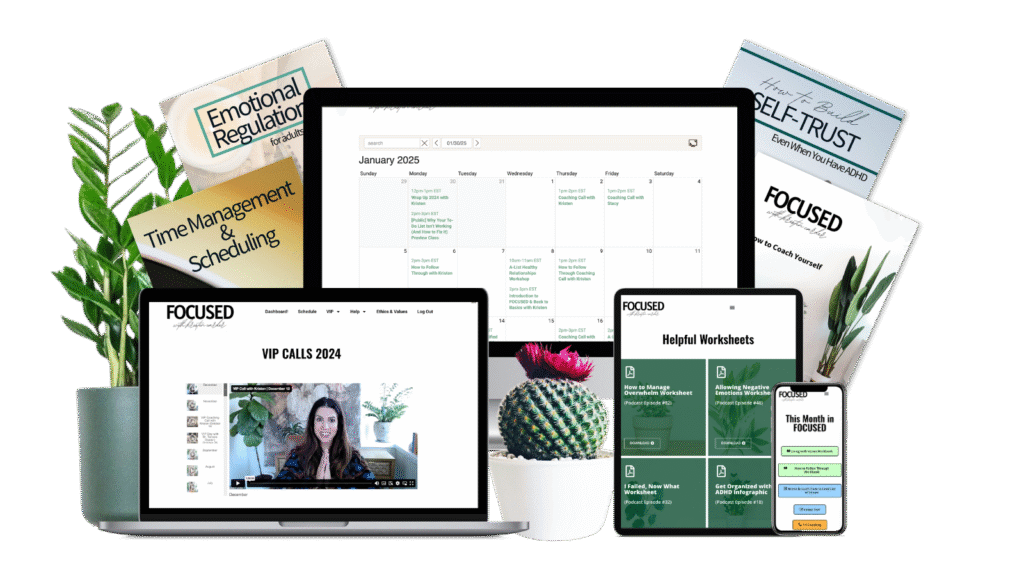
A proven coaching program designed specifically for adults with ADHD who want to gain clarity, build confidence, and take control of their lives.

Join a community of hundreds of ADHDers

Learning About My Brain...

Changed Everything

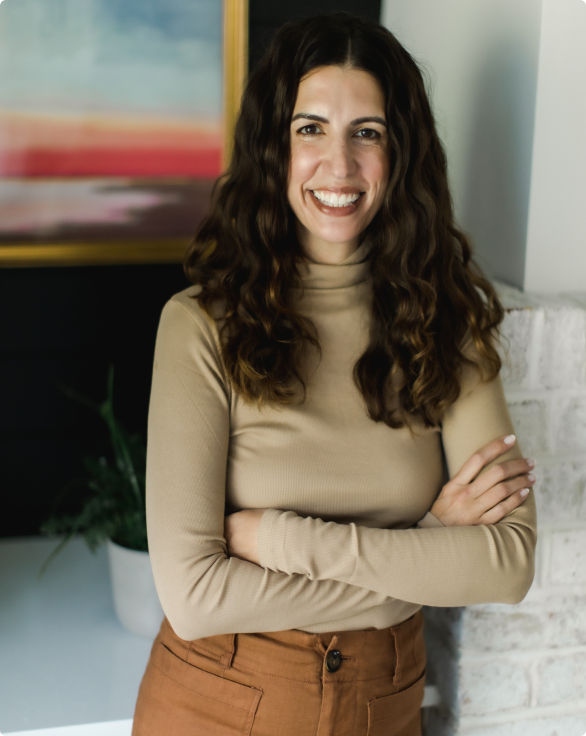
Hi, I’m Kristen Carder—ADHD expert, podcast host, and certified coach who’s been exactly where you are. Diagnosed at 21, I spent years cycling through planners, courses, and systems that never quite worked. Everything changed when I discovered the power of understanding my ADHD brain and the transformative impact of community support.

Now, after 15+ years of research and experience, I’ve helped thousands of adults with ADHD thrive. I’m here to show you how understanding your brain can transform your life, just like it did for mine.

ADHD Tips That Actually Make Sense

Follow @i.have.adhd.podcast and join our Instagram community for daily strategies, relatable content, and real talk about ADHD