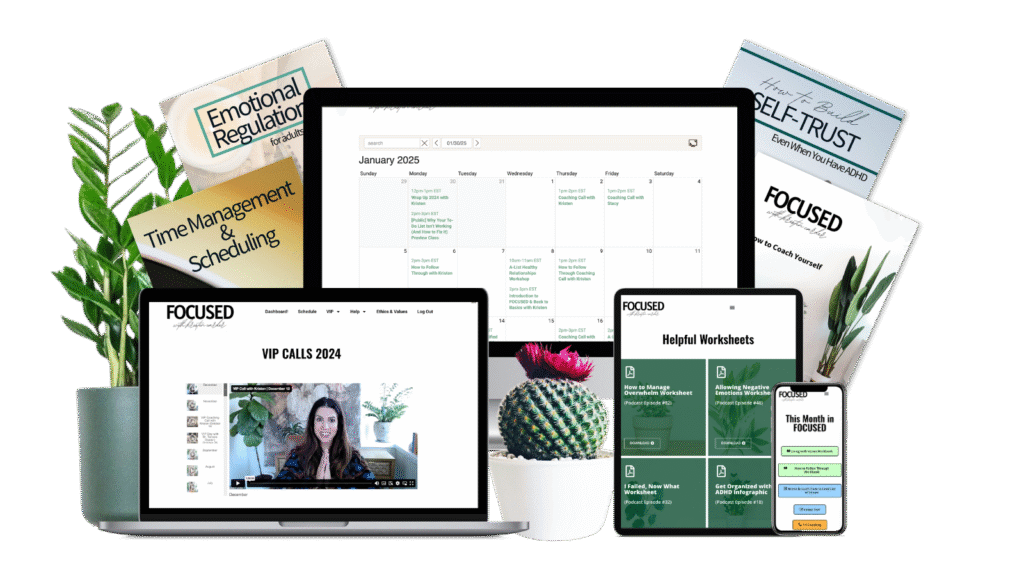


This episode is sponsored by Cure Hydration. You know that moment for me, it’s around like 2 or 3pm when my ADHD brain just decides we’re done for the day. We’re done here. The afternoon slump hits, the lights go off upstairs and suddenly answering an email or doing basically anything feels like climbing a mountain. That’s when I reach for Cure Energy. It’s a clean plant based energy drink mix made with 100 milligrams of natural caffeine and electrolytes so I get the focus and hydration boost I need without jitters, without a crash and without that like I drink battery acid vi that some of the energy drinks have. The peach tea and acai berry flavors are my current go tos. Crisp, refreshing and they don’t taste fake y’. All. They don’t taste fake. I’ll drink one before recording a session or when I need to get help through like that afternoon drag. And honestly I I drink it anytime. My brain just needs to cooperate. What’s wild is that Cure Energy is only 25 calories and has zero added sugar. It actually helps me stay hydrated while giving me energy. Okay, I love coffee, but coffee could never Staying hydrated isn’t just about water. You also need electrolytes. And that’s why I love CUR Cure. It’s clean, it tastes great and it actually works. And remember, Cure is FSA HSA approved which is amazing. You can use that money to pay for cure and for I have ADHD listeners, you can get 20% off your first order@curehydration.com I have ADHD with the code I have ADHD. And if you do get a post purchase survey, make sure to tell them that you heard about CURE right here on the podcast. It really helps to support the show. Don’t just drink more, upgrade it with Cure. With savings over $390 this shopping season, VRBO helps you swap gift wrap time for quality time with those you love most. From snow on the roof to sand between your toes, we have all the vacation rental options covered. Go to VRBO now and book a last minute week long stay. Save over $390 this holiday season and book your next vacation rental home on VRBO. Average savings $396. Select homes only. Welcome to the I have ADHD Podcast where it’s all about education, encouragement and coaching for adults with adhd. I’m your host Kristin Carter and I have adhd. Let’s chat about the frustrations, humor and challenges of adulting relationships with working and achieving with this neurodevelopmental disorder. I’ll help you understand your unique brain, unlock your potential, and move from point A to point B. Hey, what’s up? This is Kristen Carter, and you’re listening to The I have ADHD podcast, episode number 103. I am medicated, I’m caffeinated, and I am ready to roll. Is a beautiful spring day in Pennsylvania. So excited to be talking with you today. And as we get rolling here, I just want to say this episode’s going to be a doozy. Okay? So I’m like, buckle up, have a seat, grab a coffee. Like, it’s going to be a really kind of maybe intense, just a really impactful episode. I’m really looking forward to getting this into your ears. That sounds weird, but, like, at the time that you’re listening to this, I’m just. I’ve been thinking about it. I’ve been reading, researching, kind of like connecting all of the dots, and now I have it ready to present to you. And I’m, like, sitting here staring at my computer, kind of racing against the clock because I have to go pick up my kiddo from track in a little while. But I just can’t wait to get this to you because I think it’s a very important episode. We’re going to be talking about the dangers of adhd, and I don’t think that most people would think about ADHD as being dangerous, but, my friend, it is, and we need to take it seriously. And that is what this episode is all about. Before we get started, I want to read to you a review that I got of my coaching program. For those of you who don’t know, I have an ADHD coaching program. It is a group coaching program. It is fantastic, phenomenal, amazing. It is for you. If you’re listening to this and you’re an adult with adhd, it is for you. We would love to welcome you in, but I want to read. It’s actually an Instagram post that she just, like, tagged me in. And she said, my coach is Kristen Carter. She’s got a monthly coaching group program called Focus that has been one of the best investments I’ve ever made in myself. Such an amazing wealth of support, knowledge, and resources. I don’t think I’ll ever leave. Isn’t that so beautiful? And I just am so thrilled to have something that adults with ADHD are loving and are gaining so much value from. So if you are someone who needs help, needs support, or even just feels lonely, it’s kind of Like, I don’t know anybody else with adhd and I just want a community of people. I got you. Come join us. Come join us. Be so fun. It’s so fun. Fun is a priority for me. I mean, I take my work very seriously and I am an experienced coach who has coached hundreds of people. I am a certified life coach. But also, your girl likes to have fun. If it’s not going to be fun, she don’t want to do it. Focused is fun. Okay, so this episode, 103, like, are you ready for it? Are you? Are you ready? It’s for the skeptics. It’s for those of you who are on the fence about whether or not you want to bother to get diagnosed or seek treatment. It’s for those of you who are like, adhd, whatever. Isn’t that for kids? It’s not a big deal. Or maybe it’s not for you. Maybe you already know how important diagnosing and treating ADHD is. Maybe you take it very seriously. But someone in your family could use more information. Maybe this episode is for one of your family members or one of your friends. Maybe that’s what this episode is for in your life. You know, maybe there are people in your life who just don’t really get why you care about adhd. Like, why do you talk about it? Why do you identify with it? Why are you telling people that you have adhd? Why does it even matter? This episode is going to be the explanation to that. Because it does matter. It’s crucial. Before we get into it, I want to invite you to check in with yourself as you listen to this episode. The things that I say and the research that I reference, they might bring up some feelings for you. I want to make you aware of that and help you to navigate those feelings in advance. So, like, deep breath with me here. And just maybe even if you have a hand available, place it over your heart, maybe get some skin to skin. That would be a bonus. And I just want to invite you to make space in your body for anything that comes up as you listen. Anything at all, whether it’s anger or frustration or sadness or confusion or whatever it might be. We’re going to go into a lot today and I just want you to notice what your body and your brain do as we have this conversation. That will be very useful to you, I believe. Like, if you get angry, notice it. Or if you’re sad, notice it. That’s information for you. Allow those feelings to inform your next steps, your decisions, your, you know, whatever you do. Next. Remember emotions, even emotions that we might label as negative, they’re not a problem. They’re not a problem to be solved. They’re an experience to be had. So I invite you to allow yourself to have that experience as you hang with me today. So what’s so dangerous about adhd? Well, ADHD is usually seen by the outside world as really not a big deal, as a convenient excuse. And therefore, many of us with ADHD live for decades without taking it seriously. Many of you have been labeled by parents or teachers or bosses or partners as a problem person. I’m doing air quotes. I love it when I do air quotes. As if you’re here to see that many of you have been labeled as a problem person instead of a person with a problem. Right? And so, in my estimation, the scariest thing about adhd, the most dangerous thing about it, is that it seems like it’s not a big deal. It pretends to not be a big deal. It’s like a wolf in sheep’s clothing, right? ADHD is often regarded as exclusively for children. And many of the messages that we receive from society, they perpetuate the diminishment of ADHD and its effects. So you may have heard things like, yeah, like, we all struggle to pay attention. I’m not sure why you think you’re special. What makes you different. Right? Like, I struggle to pay attention, too, or try harder or, oh, you struggle to manage your time. Yeah, like, get a calendar, make a plan. Try this app. Or you’re forgetful. Join the club. Me, too. Or at least you don’t have a serious mental health disorder like anxiety or depression or bipolar or whatever, Right? Or this one is my favorite. Oh, like, you should try changing your diet. My friend changed her son’s diet, and he’s totally cured. Oh, my word, you guys. Oh, my word. So whether you’ve been told inadvertently or completely outright that adhd, like, isn’t really a thing, it’s not really that big of a deal. Many of us do believe that ADHD is for kids, right? And it’s really nothing to be concerned about in adults. So most people with adhd, most adults aren’t getting the help that they need because they’ve believed the lie that it’s not a big deal, it’s just for kids, doesn’t really affect adults. If you’re not in school, then who cares, right? Like, I made it through college, so now I can stop my medication. All of this is complete bs. Completely false. ADHD is a big deal. It’s actually a huge deal. And if left undiagnosed and or untreated, it can have devastating consequences across all spheres of life. Academics, relationships, finances, employment, substance abuse, incarceration, et cetera, et cetera, et cetera. Okay, we’ll get into it. Couple caveats here, or maybe just one. I understand that looking at ADHD as something serious and like a mental health disorder, I understand if that brings up discomfort for you. I know there are many schools of thought here that some psychologists look at ADHD and present it as like, hey, this is a gift. This is actually amazing. This makes you creative. This makes you, like, whatever, inventive. And my response to that is like, nuh, I’m never gonna say ADHD is a gift because it impairs my life day to day on the daily. So it’s not a gift. Okay. And yes, I am creative, but there are people without ADHD that are also creative. Yes, I am inventive, but there are people who don’t have ADHD who. Who are also inventive. Yes, I can hyper focus, but that’s not exclusive to adhd. So when people say like, oh, it makes me really creative. Sorry, I’m just gonna say I don’t agree. ADHD doesn’t make you creative. You are creative and that’s great. Awesome. So is someone without adhd, right? Like, there are people without adhd. Whatever. I just. I could just go. It’s just like, really? I get fired up about this because while there are certain aspects that I can see could possibly be construed as like, this could be positive. Okay, okay, okay. But as a whole, ADHD is not positive. It’s an impairment. It makes my life harder. I would not wish it on anyone. I’m not thankful that I have it. I do have it, and I have a responsibility to manage it. And I’ve learned a lot. And I am now helping others to, you know, improve their lives with adhd. But I’m not glad that you have it. I’m not glad that I have it. It’s just a thing, right? So it’s like, okay, it’s just a thing. You know what I’m saying? Okay. Now, I think it’s really important for you to know where I’m getting my information and statistics and all that for this episode. So I’m going to link a few of the studies in the show notes of this episode, because I’m not making it up. Of course. I have hundreds of case studies and anecdotal evidence from the clients that I’ve worked with over the last two years. And in addition to that, I totally went down the research rabbit hole and spent a lot of time in the National Library of Medicine reading psychiatry journals because that sounded like fun way to spend my day. But it was. I mean, it was. I do like to connect the dots and synthesize this information for you. So here we go. The study that I’m going to reference the most is called why the Diagnosis of ADHD Matters. And like I said, I will link it in the show notes. So, y’, all, what makes ADHD dangerous? Like, who really cares? What’s the big deal? Now, I already mentioned earlier that the most dangerous thing about ADHD is that it pretends to be harmless. It pretends like it’s not a big deal. Just it seems like no biggie. And because of this, most adults with ADHD are not being medically treated for it. Hear me, hear me. I read in a study that suggested that, you know, of those surveyed in the study, only 30% of its participants who were diagnosed with ADHD. Right? All the participants were diagnosed. Only 30% had been treated for ADHD in the last three months. Okay? So 100% of the people surveyed had ADHD and only 30% had been treated in the last three months. So if that study is an accurate, like, microcosm of what’s going on in the world, only about 30% of adults with ADHD are being treated for it. Like what? Like, it seems harmless, right? So we’re like, oh, it’s not a big deal, so we don’t treat it. And when we don’t treat it, it’s dangerous. I want to read a quote from the study that I referenced earlier. It says untreated ADHD can pose a tremendous amount of psychological, financial, academic, and social burden to the individual and the community, which reflects the importance of diagnosing and treating the disorder. While treatment has not been shown to completely normalize the developmental trajectory of individuals with adhd, individuals with ADHD who do not receive treatment have poorer long term outcomes compared to those that are treated. Untreated ADHD during childhood is a risk factor for later adult mental health issues which extend beyond impairment in academics. Hear that part, please, my friend. This is Kristen Carter. Side note, right? Hear that part? The impairments, they extend beyond academics. Okay? A lack of treatment for ADHD also impairs social and occupational functioning and increases the likelihood of developing comorbid disorders like anxiety, depression, personality disorders, antisocial behaviors, and substance abuse. Oh, my gosh. Not being treated for ADHD makes You vulnerable. You hear that word? You are much more vulnerable if you’re not treated for adhd. Okay? So here’s the thing. I need to, like, paint this picture. Why is ADHD dangerous? It’s dangerous because it seems like no big deal. It’s dangerous because in society we downplay it. It’s dangerous because we’re like, oh, that’s for kids. I’m out of school. I don’t need to really care about this, right? I got my degree or I finished high school or I’ve got my master’s. Like, it doesn’t matter anymore because I’m not in school. So I’ll just stop treating it. But what I want to bring to you today is. No, no, no. When you stop treating it, you are then vulnerable. Okay? And if the study that I read that said, like, oh, only 30% of the participants had been treated in the last three months, like, that is a big deal. So why is ADHD dangerous? It’s dangerous because it seems like it’s not a big deal and therefore we don’t treat it. And when we don’t treat it, here’s what we’re vulnerable to. We’re vulnerable to a lower level of educational attainment, meaning we don’t go very far in school. Now, of course there are exceptions, but as a whole, we are not going to perform as well in school and go as far in school as our non ADHD peers. Okay? And that’s just the tip of the iceberg. And that’s why I want us to stop thinking about ADHD in the context of school and academia, because it really, it touches every aspect of life. It is not just about school. So non treated ADHD can make your relationships very tricky, very difficult. Okay? So studies show that difficulty in family relationships, there’s a much higher rate of divorce among those who are ADHD than the non ADHD community. All right? Trouble with parenting, trouble with maintaining relationships. So ADHD is dangerous because we’re like, oh, it’s like, whatever, it’s not a big deal. We don’t treat it. And then all of these issues come up. Okay? Adults with untreated adhd, and actually teens as well, are more likely to abuse tobacco and drugs and alcohol. One study showed that the prevalence of undiagnosed ADHD within a substance abuse treatment population was approximately five fold higher than the general population. Okay, so five times more likely. Maybe. I mean, that was just one study, but is it possible that those of us with untreated ADHD are five times more likely to abuse Drugs and alcohol. Like, wow. Even if that’s just. Even if that’s not even accurate, Even if it’s only like twice as likely, right? Like, still huge. Additionally, if you’re not being treated for your adhd, you will have a much higher risk of financial problems. Okay? We are less employable. We don’t keep jobs as long as our neurotypical peers. We hop around from job to job. We have higher unemployment rates. We often don’t rise to the top in our corporations as often as our non ADHD coworkers. Right? We have trouble with finances and money. I mean, you guys. Impulse control. We have a lack of impulse control. And if we’re not treating our ADHD and we’re just allowing the impulse control to run rampant in our lives, think of how that is affecting our money and our finances. So not only are we likely under earning in our job, but we’re not keeping as much of our money because we are spending it. Impulse control. Okay? ADHD is dangerous because it seems like it’s not a big deal. It seems like, oh, that’s just for little white boys. It doesn’t affect me. Right? And because it doesn’t seem like it’s a big deal, we don’t take it seriously. And because we don’t take it seriously, we don’t treat it. And because we don’t treat it, we are at a much greater risk for rape, for it, criminal behavior and incarceration. Like, whoa. A study that I read, it said that untreated ADHD is associated with higher rates of criminality, imprisonment, speeding, traffic violations, and motor vehicle accidents. Go ahead and tell me that ADHD is not dangerous. Gone. Go ahead and tell me that ADHD is not a big deal. Go ahead and tell me it’s a gift. Tell me it’s a gift that we’re at a greater risk for criminal behavior and incarceration. Like, why. Why are we going around being like, this is the best. I’m not. It doesn’t mean that we can’t make peace with our adhd. It doesn’t mean that we don’t accept it. Of course, if you’ve listened to any other episode on this podcast, you know that I am all about accepting and making peace with the diagnosis. But in order to do that, we have to actually acknowledge that the diagnosis is a thing. It’s a thing. Like, it’s a thing that needs attention and it needs treatment. Okay. I think it’s almost borderline dangerous to say that ADHD is a gift. Because if left without any Other information. Why would you take medication to treat something that’s a gift, right? So ADHD seems like it’s not a big deal and so we don’t take it seriously and so we don’t treat it. And therefore there’s an increased likelihood of developing comorbid disorders. Okay? So if we’re not treating our adhd, there’s an increased likelihood of developing comorbid disorders like anxiety, depression, personality disorders, antisocial behaviors, and I already mentioned earlier, substance abuse, okay? And like here’s a really big one and we’re gonna end with this. There’s probably more, but we’re gonna end with this one and it’s heavy. So if you’re, if you’re feeling some feelings, just like open up and make space for them. ADHD seems like it’s not a big deal, so we don’t take it seriously, so we don’t treat it. And therefore many of us with ADHD will not live as long as our neurotypical peers. A study that I will link in the show notes by Barkley among other psychologists showed that ADHD may reduce life expectancy by up to 13 years. That’s not a small thing, that’s big. Okay? And if you think about it, it makes sense. I mean, we crave dopamine, we have a lack of impulse control, we have lack of self awareness, we have the lack of the ability to resist short term pleasure in exchange for long term reward. We’re going to be making impulsive choices, impulsive decisions. We have trouble following through on our goals. Maybe our goal is to eat more vegetables, to be more healthy, to exercise more. We struggle with those goals. And especially if we’re not being treated right and especially if we are abusing drugs, alcohol, tobacco, like that’s a problem that’s going to lower our health. We don’t take care of ourselves compared to our non ADHD friends, co workers, family members, they are going to have an easier time taking care of their health. I mean even think about sleep, think about your sleep hygiene as compared to maybe your non ADHD partner or you know, your best friend. Like my best friend’s sleep hygiene way better than mine. I mean, it’s not perfect. I know she still struggles to sleep, but like, I know like she’s off of social media by 11 o’ clock every night. Like what? It’s ridiculous. Okay, so some of you are feeling a sort of way right now and I understand, I’m here for it. Okay, what emotion is coming up for you when you hear me say ADHD is dangerous because it seems like it’s not a big deal. And because it seems like it’s not a big deal, we don’t take it seriously. And because we don’t take it seriously, we don’t treat it. And because we don’t treat it, we are vulnerable to a lot of risk factors, including a lower life expectancy. What’s coming up for you? What emotion are you experiencing? Where are you feeling it in your body? I just invite you, like, take a deep breath and expand the space within you, expand your capacity to feel whatever it is that’s coming up. And I want to say to you, if you’ve been diagnosed with adhd, I know that it might seem easier to brush it off and pretend like it’s not a big deal, but I’m telling you, it is a big deal. It is downright dangerous if you’re not treating it. If the study I read earlier was a correct snapshot of the global population and only 30% of adults with ADHD are actually being treated for it, then it’s quite likely that you, my friend, are one of the ones that’s not taken the steps to find a doctor, to find a medication that feels amazing to you. And I would just love it if this episode gives you, like, a little kick, a little motivation to do the excruciatingly hard work. I know it’s hard. I validate it. I see it, the hard work of scheduling and following through on the appointments necessary to get the treatment that you deserve, not just that you need the treatment that you deserve. And I want you to know you are not alone. There is a whole community of people out there in the world that are dealing with the same things that you are. And if you want direction and coaching and community support, like, you just need to join focused. Okay, Now I want to say something to you if perhaps you’re listening to this episode on behalf of a loved one with adhd, if that’s you, please don’t diminish this diagnosis. Your loved one probably sent this to you because they didn’t have the words to express what they know to be true. And so I’m doing it on their behalf. Happily. I am happily doing it on their behalf. So please support them and ask them, like, how you can help. Take them seriously when they tell you that they’re struggling. Encourage them to get medication and therapy or coaching or whatever it is that they find helpful and maybe even check in with them, see if there’s anything they need, if they need to be driven to an appointment or if they need a reminder, whatever. Like, if you have the capacity to help them, please do. No matter who you are, you’re a friend. Take a deep breath regardless of what you’re feeling right now. Like, notice it, honor it, and let it inform your next steps. I’m so glad that we had this time together today. Thank you so much for pressing play on this podcast and for being here with me, and I just can’t wait to chat with you again next time. A few years ago, I went looking for help. I wanted to find someone to teach me how to feel better about myself and to help me improve my organization. Productivity, time management, emotional regulation. You know, all the things that we adults with ADHD struggle with. I couldn’t find anything, so I researched and I studied and I hired coaches and I figured it out. Then I created Focused for you. Focused is my monthly coaching membership where I teach educated professional adults how to accept their ADHD brain and hijack their ability to get stuff done. Hundreds of people from all over the world are already benefiting from this program, and I’m confident that you will too. Go to ihaveadhd.com focused for all the details.