

Podcast Episode #92: ADHD is Not Just for White People

Listen or Watch this episode on:

About This Episode

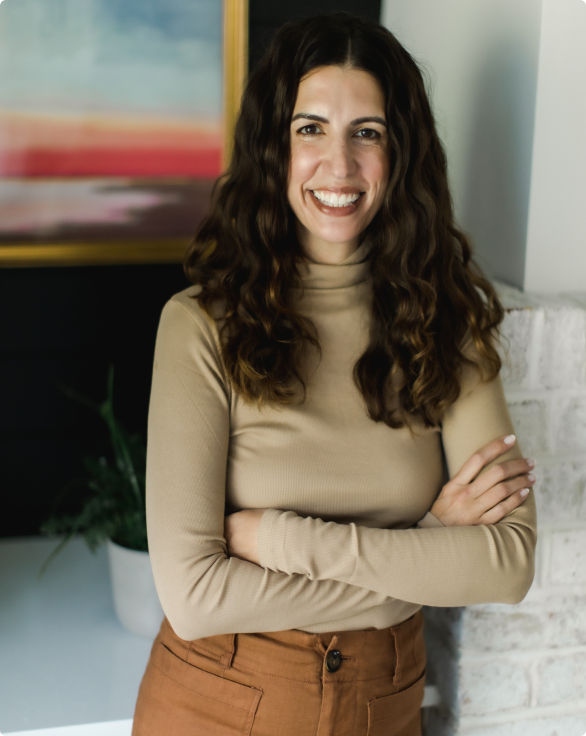
Tune in today for an eye-opening and vulnerable conversation that I have with my client, Shannon Taylor. Shannon is a perfect example of what’s possible for a black woman with ADHD. This episode is the first in a series of episodes that I look forward to recording with my BIPOC clients. RESOURCES: www.adhdonline.com www.adhdology.com/adhd-medication-chart/ www.CHADD.org www.add.org www.understood.org www.additudemag.com YouTube: Driven to Distraction How to ADHD Attention! Magazine

Episode Transcript

This episode is sponsored by CURE Hydration. All right, I’m going to be real with you. Drinking water is boring. My ADHD brain is like, wait, we have to do this again? Like every day, Multiple times. What in the world? And because I’m running from meetings to coaching calls to kid chaos, staying hydrated is not something I’m naturally good at. It’s not something I naturally think about. That’s why I’ve been obsessed with Cure hydration packs lately. CURE is a plant based hydrating electrolyte mix with no added sugar, only 25 calories, and it actually tastes good. The watermelon and berry pomegranate have been on repeat for me. I’m actually like really running low on those flavors, which is so sad. They’re refreshing without being too sweet or artificial. It feels like my water finally has a little bit of personality, which I enjoy. I really do. What I love most is that CURE uses a science backed formula that hydrates as effectively as an IV drip. So when I’m scrambling through my day forgetting my water again, CURE helps me to catch up fast. I throw a few packs in my bag and it makes drinking enough water simple. Which for my ADHD brain is basically a miracle. So staying hydrated isn’t just about water. You also need electrolytes. And that’s why I love Cure. It’s clean, tastes great, and it actually works. And bonus, CURE is FSA HSA approved. So you can use those funds to stay hydrated. The smart way for I have ADHD podcast listeners. You can get 20% off your first order@curehydration.com I have ADHD with the code I have ADHD. And if you get a post purchase survey, make sure to tell them that you heard about Cure right here on the podcast. It really does help to support the show. Don’t just drink more water, upgrade it with cure. Guys, thanks for helping me carry my Christmas tree. Zoe, this thing weighs a ton. Drewski, live with your legs, man. Santa. Santa, did you get my letter? He’s talking to you britches. I’m not. Of course he did. Right, Santa, you know my elf, Drew Ski here. He handles the nice list. An elf? I’m six’ three. What everyone wants is iPhone 17 and at T mobile. You can get it on them. That center stage front camera is amazing for group selfies, right, Mrs. Claus? Hi, Mrs. Claus. Claus, much younger sister. And AT T mobile, there’s no trade in needed when you switch, so you can keep your old phone or give it as a gift. And the best part, you can make the switch to T Mobile from your phone in just 15 minutes. Nice. My side of the tree is slipping. Kimber the holidays are better. AT T Mobile switch in just 15 minutes and get iPhone 17 on us with no trade in needed. And now T Mobile is available in US cellular stores with three four month ebook credits for well qualified customers plus tax and $35 device connection charge credits and imbalance due if you pay off earlier. Cancel finance agreement 256 gigs $830 eligible for it in a new line $100 plus a month plan with auto to count 15 minutes or less per line. Visit t mobile.com. Welcome to the I have ADHD Podcast where it’s all about education, encouragement and coaching for adults with adhd. I’m your host Kristin Carter and I have adhd. Let’s chat about the frustrations, humor and challenges of adulting relationships with, working and achieving with this neurodevelopmental disorder. I’ll help you understand your unique brain, unlock your potential and move from point A to point B. Hey, what’s up? What’s up? This is Kristen Carter and you are listening to the I have ADHD podcast, episode number 92. I am medicated, I am caffeinated and I am ready to roll. I did record this podcast on an empty stomach, you might notice that, but I am still ready to roll. I am so looking forward to you hearing this conversation today. My beautiful client Shannon is here to share her story. As a black woman with adhd, I think this is a really important conversation to have. It was very vulnerable. I can speak for myself, like on my end. I’m not sure if Shannon felt the same, but I am really glad that we had the conversation and I look forward to interviewing more of my clients who are people of color because I think that one of the things that I have not done beautifully that I want to change is having more representation on this podcast in the Focus Program, making sure that there are all sorts of voices of adults with ADHD who are represented here, here. And I’m just so thankful I reached out to Shannon. She agreed to come on. She’s not positioning herself as an expert. She’s not positioning herself as someone who is like speaking for all black women or all people of color. And of course I am not positioning myself as an expert in this area either. I have questions and zero answers. But what we have to offer you today is just a conversation and I’m excited for you to hear Shannon’s story because spoiler alert. ADHD is not just for white people. I say this a couple times on the podcast and I know I’ve said this in prior episodes, but ADHD does not discriminate. It doesn’t care how rich you are or how white you are or like how American you are. It doesn’t discriminate. Okay? There are people all over the world, rich, poor, young, old, it doesn’t matter. There is ADHD everywhere. So I, this year I’m excited and like, moving forward, want to be able to represent that really well so that you all get a much more well rounded picture of what ADHD looks like in all humans, in all adults. And so here’s my conversation with my lovely client, Shannon. I’m just so thankful that you’re willing to have this conversation because I know that there is so much work to be done as far as diversity, but, like, in so many areas and diversity of thought and even just like, knowing that there are so many other perspectives, even just like the American perspective versus, like, people around the world, because ADHD doesn’t discriminate. Like, people everywhere have adhd. And so one of the things that I notice as a weakness, as I said in my email, including more perspectives and allowing more people to be seen and also like podcast listeners or focus members, allowing them to see themselves in so many more different people. Right? So, like, even just like, we don’t have any male coaches, we don’t have any coaches who are not American white women. Like, those are things that I know as I’ve like, come up for air and I’m creating space to really evaluate. I’m like, okay, we really, really need to make these changes. But I mean, and we’ll get into this. Like, it is fascinating that there’s not. It’s not like, there’s like, oh, let me just go find, like an amazing coach that’s not white. It’s really so interesting. So I know that you don’t speak for all black people, and I just, I know that, like, you’re really putting yourself in a vulnerable position and I just appreciate that. I really, really do. Thank you. Yeah, I think even when I like, representation is extremely important. I know when I first joined Focused and I started getting set up in the slack, I was like, wow, this is such a, like, collaborative community. Everyone’s super supportive. But I guess as I was scrolling, I was like, I guess I really wasn’t seeing many people who looked like me. And so when I finally decided to type up my intro, I kind of typed all of it up. And then I Sat on it for, like, an hour or two. Like, Like, I want to, like, bring up the fact that I’m a black woman. And, like, I feel like that, like, adds another kind of just layer to my life and my journey. And I just went back and forth on, should I say it, should I not? And I finally decided, if this is a community that I’m going to be comfortable in, then I also need to be comfortable, like. Like, sharing that about myself. So I was really. I was really happy with just the, like, the warm welcome that I got in my intro. And, like, I’ve just been really enjoying my time and focused so far. I think expanding and allowing, like, multiple perspectives, like, into the group is definitely gonna, like, engage a broader audience for sure. Yeah. And teach us all so much more than what we know. Like, teach me so much more than what I know. Like, how does ADHD affect someone? Like, I know from my own perspective, but, like, how does it affect someone, you know, across the world? Or how does it affect, like, even the conversation of how it affects men versus women? And I’m excited to hear your perspective today as we kind of get into it on, like, how it might affect black communities differently than white communities. And even the representation in, like, research and all of that, like, it’s just fantastic. Frustrating. As I get more and more into it, the lack of research on women, the lack of research on black people, the lack of research on, like, Asian, Latino, like, does it. I just think those are important conversations to just open up and question. So I have zero answers and only questions. And I don’t expect you to have any answers. But if you’re willing to ask questions with me and just kind of observe, I just really appreciate that. Absolutely. I don’t really know you, so tell me a little bit, like, about you and who you are, what you do. Like, what’s your life like? Yeah. So my name is Shannon. I’m 26 years old and I’m living out in the Bay Area right now. But I am originally from North Carolina, so born, raised, went to college out in North Carolina and then moved out to California with my current job. So my job right now is basically a lot of project management in our, like, real estate and facilities space. So making sure that the facilities at our site are, like, ready for employees. Any consolidations or expansions that need to happen within our portfolio. I basically manage a lot of. A lot of the work around that. I think that project management with an ADHD brain, like, it blows my mind that that is your career. So tell Me? How? Like, how is that your career? Oh, God, I don’t know. I was fortunate enough in college to get an internship with my current company and then when I graduated I was able to start full time. But it was kind of a leadership program where my role was pretty much changing every six months. So, you know, with adhd, that was super helpful because as soon as I started getting bored of something or tired of something, it was on to the next thing. And then once that program was over, I basically rolled over into a full time position that was more in the project management side of things. The funny thing is that project management has always really drawn me. Like it’s always been the kind of work I wanted to do. But I think once I got in it and realized that it’s a lot of emails, it’s a lot of staying on top of people, it’s been pretty difficult. I think I have a really supportive team and I’ve learned a lot. But there’s definitely those small, really important things that I still, that I still struggle with. It’s very difficult. I really enjoy, I really enjoy the aspect of working with people, but when it comes to like herding the cattle, it’s something that I’m still really working on. I’m still hurting myself. That’s such a good way to put it. So you were diagnosed pretty recently. What was that experience like for you? Yeah, I was diagnosed maybe a month before quarantine last year. Yeah. Wow. So about six months before that I was just in a really bad rut of just like waking up and dreading work every day. Even though it’s not that the work was like particularly like super stressful or super hard, but I was just dreading everything, I was putting off everything. And that’s been something that I’ve struggled with my entire life. But it just got to the point where it’s like, like I can’t, you know, I can’t slip, I can’t lose my job. So as I’m doing research, I feel like a couple articles were popping up on like, oh, you might potentially have adhd. And I’m like, that makes no sense. Like, I can’t have adhd. What does that even mean? And then after researching that there’s such thing as hyperactive ADHD and inattentive ADHD and realizing that, wow, I might fall under the like inattentive scope of things, that kind of completely changed my outlook. So I did months and months of research and then in the beginning of 2020, one of my goals was just to Prioritize mental health. Like, I’ve wanted to go to therapy for so long, I would, I’d want to go to a psychiatrist for so long. So finally decided to take that first step to seeing a psychiatrist, and she diagnosed me right away. And I’ve been working with her ever since, and it’s been, it’s been a major help. What led her to diagnosing you right away, do you think, like, in that first session she diagnosed you? Yeah. So I found, I found a worksheet online that was basically like, you know, check how many of these symptoms relate to you. And when I showed up, I was like, this is me. Okay. She asked me a few questions, she read through it and was like, yep, that sounds about right. Yeah. Okay. So you were advocating for yourself and pretty much had a sense that, like, yeah, this is the way. That is so interesting. So, you know, you were reading those articles about, like, you might have adhd and you thought, like, that makes no sense. Why did you think it made no sense? Yeah, I guess it goes back to my slack intro. Growing up, ADHD was something that like, very hyperactive white boys in elementary school had. It was, it was the kid that everyone loved, but he was constantly, like, doing laps around the classroom and just like, couldn’t sit still. Like, to me, that was adhd. I think also within my family, a lot of times, like being diagnosed with something with something like ADHD or bipolar means that there’s like something really serious going on, like, you know, failing classes or acting up or getting suspended. And because I never had those issues, you know, I was a pretty quiet kid, a pretty respectful kid. I just don’t think that ever really registered with my family at all. So I think it’s two pieces. It’s one, I kind of got through middle school and high school okay. You know, I didn’t, I didn’t fail. I didn’t, you know, get in any major trouble. But also I thought that it was something that was just super hyper. People who couldn’t stop talking and who couldn’t stop doing this and this and this and this. I didn’t realize that there could be a more, I guess, scaled down version. Totally. Yeah. That is fascinating. So if it’s not manifesting for you as being, like, really hyper, how do you see ADHD playing out in your life? Like, where do you see the symptoms present themselves? So before medication, a lot of it, it was brain fog, it was zoning out. Very often I would go into a 30 minute meeting and I would only remember the first five minutes and the last five minutes and the rest of the time I was just in the clouds. No matter how hard I tried to bring myself back, it was just really hard to focus. Now with medication, I think the brain fog and the focus is a little bit better, but now it’s really manifesting into procrastination and the fear of making mistakes. Like a fear so great that I would rather just not even get it done, then complete it and possibly, you know, make an error or two. I’d say those are the biggest things that I’m dealing with right now, like the procrastination and the anxiety around making mistakes. So like perfectionism. Yeah, that’s one of our best friends, that stinking perfectionism. How do you support yourself with that right now? So you said you’re taking medication. What else are you doing to support yourself? So on top of medication, I am also seeing a therapist. So I have a therapist that I talk to once a week just about life in general, but I focus it mainly around just work and the stress that I feel and getting things done. And then I have recently started getting into meditating. So that’s kind of just been helping with like, centering myself and like managing the super, like, anxious moments that I get throughout the day. So I’d say those are like the. My. My trifecta. So what does meditating look like for you? I use the Calm app. Oh, cool. Yeah, so I just kind of go through their guided meditations and they have ones for anxiety. They have. If you only have five minutes, they have five minute meditations. They have longer ones. So just whatever I’m in the mood for that day. And do you do it in the moment when you’re feeling really stressed or is it kind of like, you know, part of a morning. I hesitate to say routine, but like part of your morning thing. I think it’s a mix of both. A lot of times the 3 or 5 minute meditations is like, okay, I need this right now. Whereas the 10 or 15 minute ones, it’s more of like, okay, like, I have a break in my day. Let me just take the time to myself to. To kind of like be alone. I keep forgetting that the Calm app is a thing, but I want to look into that because there are so many moments when I feel triggered or just overcome with emotion or where I notice that I’m so Spacey and like 100% not going to be doing any work. And I think that would be a great time to just like stop and go through a meditation. Like that. But it sounds really. It’s hard. The first few times are hard, because especially with adhd, it’s natural. Like, our minds are gonna race. And so it feels like, oh, I must be doing this wrong if I can’t just concentrate. But it’s kind of the point. You end up getting better. It’s kind of the point. I will say, though, that sometimes I look at all of the different methods I’m using to manage my anxiety, and I’m realizing that that’s not often accessible for everyone. Like, I’m in your focus group, which I love. I am doing therapy. I have calm, which was actually paid for by my company. But if you don’t have a company to pay for it, then it’s like 80 bucks a year. A lot of times, people just don’t have that investment to make into themselves. And I think that’s the part of ADHD that makes me really sad, is that a lot of times people just don’t have the resources or the tools to get marginally better or incrementally better or even a diagnosis. That too. Yeah. Right. And so that part is so fascinating to me, because not even knowing that you have adhd, I don’t know what your experience was. Like, but before I was diagnosed, and even part of, like, after I was diagnosed, before I really identified with adhd, I just thought that there was just something really wrong with me. Like, I was just super flawed, and I must. Like, I don’t think I’m really selfish, but I must be really selfish. Because only a selfish person would forget her best friend’s birthday. Or only a selfish person would, like, interrupt someone or scream at their mom the way that I do. You know what I mean? So, like, I just made it mean so many things about me, and even the fact that I was able to get a diagnosis, I feel like that is even such a huge privilege to know. Like, oh, this is adhd. Absolutely. I mean, like I was saying before, the fact that I had ADHD did not even cross my mind until a year and a half ago when I was in high school and I was, you know, constantly getting lost and forgetting things. Like, it never crossed my mind that this is something that could be fixed. It was more of just like, I’m a very irresponsible person, and I guess I’m just gonna have to deal with being this way for the rest of my life. Isn’t that so interesting? Because from what you told me about yourself, like, you really weren’t an irresponsible person, right? Like, you were respectful and you were quiet and you were. But because of these symptoms, we make it mean that, right? Like, I made it mean that I was selfish. Even though, like, I love people, but I was like, I guess I’m selfish. Like, and it was just this, like, contradiction to who I really was. But I didn’t know what else to call it. Like, I guess I’m just selfish. It’s just so fascinating. I feel like a lot of families don’t have the language, I think especially in the black community. For my parents, because I was doing okay in school and I was still on the track to go to college, I don’t think it ever occurred to them to just ask, like, hey, are you doing okay? Because I wasn’t, like, in their eyes and, like, using their markers. Like, Shannon’s doing great, but I feel like I spent a lot of time just like, yeah, I’m getting, like, B’s in these classes, but I know I can get A’s, but it’s just not happening. I’m in AP classes, but, like, all of my friends are getting fours and fives on the exam. And I know that I can get a 4 or 5, but for whatever reason, I’m only pulling out a 3. I just feel like that haunted me a lot, feeling like everyone around me was smarter, that I wasn’t hard working enough. But I don’t think I ever, ever even vocalized that to anyone until very recently, which has been really cathartic. But I guess I wish that conversations like that would have happened more often. I guess I wish either my teachers would have noticed that I was falling a little bit behind or, you know, my parents were, you know, focused on a lot of things or focused on their jobs. They were focused on keeping us safe and clothes and stuff. So I don’t fault them with that at all. But I feel like a lot of times kids, especially black kids, can slip between the cracks if there isn’t something, like, very majorly wrong that’s going on. What conversations need to be have or do you have ideas for, like, how to get that conversation started in black communities? That’s a good question. I mean, I think it needs to start in every direction. Like, if it can start, you know, if there are any parents listening to this podcast, if there are any teachers listening to this podcast, if you are teaching, you know, young women, if you were teaching young black women, always just ask how they’re doing. Even if on the surface they’re doing fine, their grades are okay, just ask. I always wonder if someone had just asked me, like, hey, Shannon, like, how are you feeling right now? If things would have been any different because it just never happened. I think it starts with the adults in our children’s lives really taking that interest and making sure that, like, mentally everything is going all right. Definitely. And I think that you bring up a good point that one of the biggest markers for ADHD is that performance is below potential, right? So, like, the person might be performing, quote, unquote, fine. Like, you are getting B’s. That’s fine. But you knew that your potential was to get as. You just knew. You knew you were. You knew you were smart, you knew you were capable of it, but your performance. Performance didn’t match your potential. And I think maybe that would be, like, a great question to ask is like, do you feel that you’re doing as well as you could, Some sort of version of that? Right? Like, how are you doing? How are you feeling? And do you feel like there’s more that you could be doing? Because I think that all of us with ADHD would answer that question and say, yes, right? Like, especially, like, pre diagnosis, pre medication, pre. All of the support that we have implemented, it’s like, yeah, I know that I could be doing so much better. I know that there’s so much more potential that I could be reaching and, like, maybe really seeing the potential in other people. Again, Like, I love that you addressed teachers or parents, like, seeing your kids and asking yourself, like, are they capable of more? And if so, why? What’s holding them back? Because it might be adhd. It might be anxiety or autism spectrum disorder. It could be a whole host of things. But ADHD is for sure one of those things that would keep someone from reaching their potential. And I think maybe we don’t expect enough. Maybe we don’t look at a person of color and say, like, I think they could be doing better, right? Like, maybe we just accept it, and maybe that’s like, some sort of systemic racism type thing going on where we’re just like, oh, they’re fine. Like, they’re getting bees. What more do you want? Where it’s like, no, no. There could be so much more. Like, do we see the potential in other people? Are we really looking at them and calling them to be their highest self? I hope that made sense. It did. I think it’s identifying the potential, but then also providing the support to allow them to reach that potential. Because I do imagine if I had come home with B’s, and my mom had been like, okay, but like, what about the A’s? You need to get an A next time. But, like, didn’t actually, you know, help me figure out how to study more effectively or didn’t encourage me to, you know, talk to the teacher about getting extra tutoring. I think it’s kind of like a hand in hand thing. I also think the support is super helpful because I think after years of feeling like I can do more than I am doing, I kind of started feeling like, am I a narcissist? Like, why is it that I feel like I am? So I wake up every morning like, I am hella smart, but I’m just not delivering. And after a while it’s like, okay, Shannon, maybe you’re actually not very smart and you need to, like, manage yourself. And I think having that support earlier on would definitely. I don’t think I’d be having that thought. I relate to that so much. To your point of, like, providing support. I think one of the things with ADHD that makes it really difficult to take advantage of support is there are a lot of options, there are a lot of choices, and it can be very overwhelming. How did you decide what avenue to go? How did you decide how to take advantage of support? And like, even, even like with focus, like, how did you even say, like, okay, that’s the thing, rather than some other coaches program or some. Like, how do you. How could you encourage someone who’s like, okay, I know there’s even free resources out there, but I’m so overwhelmed, I don’t even know what to do. If I’m being completely honest, I think I started with a psychiatrist first because, I mean, I think a lot of times the diagnosis, even if you don’t end up getting medicated, can be very reassuring and just like, it was very cathartic to be able to have that conversation with her and to work those things out. But I think the second reason I started with a psychiatrist is because I assumed if I get medication, then I will be good to go, like, I won’t need anything else. So I think I kind of started with like, I feel like this is going to be the easiest path. I think it was the most expensive path for me to start, but it kind of just felt like this is going to be the end, all, be all. So then after maybe three, four months of medication, or actually it took seven or eight months to even get to the medication that I’m currently on now because I was trying so many different things with her, but even once I settled on a medication that really Helped with focus and brain fog. I realized there’s still a lot of work that needs to be done. So I think that’s kind of where I started on the therapy and the coaching. Ro but if I was going to recommend the next steps for someone, I would say, like, continuing to do research, continuing to listen to podcasts like this one. If they are a black person or a person of color, I would definitely recommend that they, like, just look up the research and the studies on how that might manifest differently for them. And then from there. Yeah, I guess it just depends, like income wise what you’re, like, able to do. But I know that people manage their ADHD in like, a lot of different ways. For some people it’s exercise. For some people it’s meditation. For others it’s coaching. So I guess the next step there would also just be looking for resources in your community. If there are any organizations that provide free ADHD testing or discounts on medication, I would probably start there. Hmm. I am interested to press in on this question. There seems to be an assumption, and you can correct me if I’m wrong, but there seems to be an assumption that ADHD is mostly a diagnosis for white people. Do you think that that is an assumption? And if so, why do you think that is? I definitely do think that it’s a strong assumption, especially within the black community. I think I feel like being diagnosed with any type of, like, neurodivergence or like mental health issue can be very. The idea is that it could be very debilitating and could harm you further on as opposed to actually like, helping you and giving you the resources to get better. Like a label of ADHD or some sort of neurodivergence would be harmful rather than helpful. Yeah, yeah, I guess no one likes what could be perceived as negative label. You know, I mean, I don’t have many examples of adhd, but there are, there is some bipolar disorder in my family. And I think the only people in my family that are diagnosed are the people who are, like, really struggling, who have, you know, gotten in trouble, who like, struggle with keeping a job. And so at least when it comes to bipolar, I feel like people see just the end spectrum of, you know, people who are, like, not able to function. So when I think about other diagnoses like adhd, I think a lot of times it turns into you’re just using excuses to not better yourself. Especially when it comes to the symptoms of just like, not being able to focus and, you know, being impulsive. A lot of times that is just a lot of people see that as you just need to discipline yourself. You just need to work a little bit harder. And so what is it? What is a diagnosis going to do when all you need to do is just kind of like, bootstrap yourself in and get it done? Yeah. That is so heartbreaking because those of us who actually do have adhd, we’ve tried all of the bootstrapping. We’ve tried all of the things, right? Like, we’ve done the things to try to make ourselves better, and it’s so hard. And when I think of myself as a child, I have so much compassion for, like, those conversations. You just need to be consistent. Like, oh, cool, thanks. You know, like, at the time, I’m like, okay. Like, I don’t even know what that means, right? Like, I have no idea what that means. Like, you just need to be more consistent. Like, what does that even mean? If you could just be consistent, then you would get A’s. If you could just do your homework consistently, then you would be golden. I’m like, yeah, okay. Like, I know. Right? Like, I know. So I think that the compassion level just skyrockets when we have this conversation because so many of us have had these conversations. I think even adhd, diagnosis or not, living life can be very difficult when you don’t have a safety net, if that makes any sense. Like, I was doing a little research, so 16% of black American households make more than $100,000 a year, while 34% of white households make over $100,000 a year. And I think with that wealth disparity, and then thinking about all of the little mistakes that you can make in having adhd, you know, income and, like, just the privilege of having a safety net, whether that’s a savings account, whether that’s parents who allow you to move back in, allows you to, like, make mistakes and to fail and to fail and to fail and still be able to bring yourself back up, as opposed to if you don’t have those resources and you mess up at your job and you lose your job or you weren’t making a lot of money anyway. Like, you don’t have the opportunity to say, okay, let me just take a break and do therapy and figure out what’s going on. It’s like, no, I’ve got to, like, I’m still working on, you know, paying my bills and making sure that I can keep a sustainable job. So I think a lot of the work and this is way beyond my pay grade, but I think a lot of it just starts there. And not having the financial support to be able to like make those mistakes and continuously get better, that is so significant because I even think of myself having the privilege of having a two parent home and these conversations about being consistent and it’s like there was still safety in that. There was still a two parent home. There was still like a parent home. When I got home from school. There was so much that was afforded to me that I know is not pervasive in all communities. And I just think that, you know, just in speaking of compassion, thinking about how like I, I know it was hard for me, I can’t imagine how much harder it must be for someone else who’s not afforded those privileges of, you know, I mean, and I had a two parent home that was not economically stable, but it was still a two parent home that was safe for me. Right. And so that’s just fascinating to me. The wealth disparity I think is so fascinating and it just continues to perpetuate because, well, one of the small reasons I think, and this is way above my pay grade too, but thinking through like how neurodivergence goes untreated because of the wealth disparity, which then just perpetuates the wealth disparity, it’s just fascinating. This feels so important and I feel so unqualified. I think it’s a really, I think these are really important conversations to have. I was telling you in my email, like, if just one or two black people are tuning in to your podcast and they don’t know where to get started, or they’re not feeling like comfortable exploring their diagnosis, I hope that listening to this will kind of be like the push for them to decide that, you know, it’s okay to do those things if it’s a teenager, you know, having the confidence to talk to your parents about the issues you’re having. If you’re an adult, either, you know, finding free resources, if that’s what’s available to you right now, or if you do have the money, deciding that it is okay to invest in yourself and getting better, like, that’s absolutely okay. It’s more than okay. Huge. I just had the thought that I would like to do some research and I will link some free resources in the episode notes so that like people can do their own research. But also there will be some resources available for you in the episode notes. When you were diagnosed, did you share it with your family and what was that experience like? I eventually did share it with them and they were very. What’s what I’m looking for. They were just very, like, oh, really interesting. Okay. And then kind of, like, moved on. Like, it just wasn’t like. But this changes everything. And they’re like, oh, that’s cool. Well, I think even, like, my. My dad, I feel like he just has a distorted reality of me. Like, he’ll be talking to friends, and he’ll be like, oh, Shannon’s that person who can go into a group of people she’s never met and come out with 15 friends. And I’m like, I have social anxiety. Like, I don’t. That’s not me. I’d be in the corner, like, on my phone, by myself. I mean, I love it. He sees me as like, a very, like, smart, driven, and outgoing person. So when I told him about my diagnosis and how I was working with different medications, he was kind of just like, I mean, sure, whatever. Like, helps you be better at your job. But it was like, all right, I guess this is just my path. I’ll talk about it with my friends. I’ll talk about it with my. With my boyfriend. My parents. They don’t. They’re fine. That is so interesting. It’s funny, though, because, I mean, there’s a lot of different ways that conversation could have gone, right? So that’s a cute way for it to go. Yeah. It’s definitely not the worst way. It’s not the worst way, for sure. You already spoke to encourage black people who might be, like, suspecting ADHD to take advantage of resources. I guess one of the things that I wanted to pick your brain about, and I know that you don’t, like, you’re not setting yourself up as an expert, and you didn’t come to me saying, like, hey, I have answers for you. I just reached out to you because I loved your intro in Slack so much, and one of the things that you said was, like, I would love to be a resource for black women who are this journey or exploring the idea of adhd. And I just love that so, so, so much. I know that one of the ways I really want to grow in 2021 is to make sure that I am not assuming so much about the ADHD community or assuming so much about my listener making sure that I’m not assuming that their experience was like my experience or that their resources are like my resources, and just acknowledging that there’s so much more diversity in the world and diversity in the world of adhd. And one thing I said, like, in a very early episode was that ADHD doesn’t Discriminate. And I believe that the research supports that, like, people everywhere are diagnosed with adhd. And if I am going to be an advocate for ADHDers, that means all ADHD years, not just white women ADHDers. If we’re just going to be honest and come out and say it, yeah, absolutely. I actually, it’s funny. I understand if this shouldn’t be a part of, like, you know, your podcast episode. Tell me everything. So before I signed up for Focused, I had been driving somewhere, and I was. I had gotten into trying to find ADHD podcasts, and I watched one or listened to one of your episodes. I think I want to say it was like, an older episode. So embarrassing. Well, the premise was basically. And you talk about this in coaching, too, but that, like, we have created our lives. So it was basically, like, acceptance of our diagnosis and that, like, we have created our reality. And I remembered listening to that podcast and being like, are you serious? Like, I feel like for some people, the idea that we have created our realities can be very empowering, but for others, it can be very disheartening. You know, if you’re dealing with sickness, if you’re dealing with heartache, if you’re dealing with, like, not being able to find a job, I think a lot of times being told you are creating your reality can feel very. It feels like for me, it felt like, wow, I’m being put in a box. And because I’m creating my reality, anything bad that happens to me is my fault. I think that’s kind of like what I took from that episode. And I remember being like, oh, I don’t like this. And then I think a few months later, I ended up stumbling on your podcast again. I don’t think I realized that it was the same podcast I’d been listening to. I was gonna say, why did you listen again? Memory adhd. I was just like. And I can’t remember the episode that I was listening to, but it just. It spoke to me. And then that’s when I kind of, like, started, like, researching Focused and then realized that your podcast was also the one that I was listening to a few months before, but was kind of like, you know what? I’m gonna give this a try anyway, because you produce a lot of really great content. But I think a lot of times the first step for people is acceptance. So not at all saying that people shouldn’t, you know, get to that level of acceptance or, like, believing that they can create a world. But I think there needs to be a lot of nuance when we do have that conversation. Because, like you were saying, everyone’s life story is very different. You know, telling someone with a chronic illness that they’re creating their life or telling someone who’s, you know, lost a job after job after job that they’re creating, creating their life can, I think a lot of times be a deterrent. Hearing you say that makes me want to immediately, right now in this very moment, like, go, run, delete the episode, rerecord it, and add in so much perspective and nuance and acknowledgement of socioeconomic background and race and all of the economic disparities that are present not just in America, but all over the world and the access to support and all of that, and really make sure that I’m not turning amazing humans away from getting support because of my own ignorance. And yet I definitely know that, like, my imperfect work and the evolvement that has taken place over the last two years and is still continuing to take place, it’s just important to show. So as much as hearing you say that is, like, so embarrassing and makes me want to be like, oh, my gosh, we need to fix this, I think it’s still so important to show the evolvement and, like, the change over time that’s taken place, because that is just an example of what’s possible for every single one of my clients, that you can evolve into a whole new human, which I think is the work of our lives and also the most encouraging thing ever. I think after spending some time in Focus, I have been able to get to that place of, like, understanding that two things can be true at the same time. But I guess when it comes to. And, like, I guess I don’t necessarily know how to nuance this conversation, I’m still, like, learning how to do that also. But, like, just thinking about, like, the audience that listens to your podcast and I think the message that you present, I just. I feel like it’s important to continue having this conversation around. You know, this is my reality. And I also want to acknowledge that your reality might be very different. And so the lessons that I’m teaching you, you might be applying it in very different ways. Sometimes I think if I had, like, remembered the name of your podcast, like, in that first episode I watched, I might have never even watched it again and, like, never signed up for Focused. So I think just, like, keeping the different perspectives in mind is going to be, like, very, very important. I really. I want to just say thank you so much for being here. I appreciate you. Yeah, thank you so much for having me. Hey adhder, I see you. I know exactly what it’s like to feel lost, confused, frustrated and like. No one out there really understands the way that your brain works. That’s why I created Focused. Focused is my monthly coaching program where I lead you through a step by step process of understanding yourself, feeling better, and creating the life that you know you’re meant for. You’ll study, be coached, grow, and make amazing changes alongside of other educated professional adults with ADHD from all over the world. Visit I have ADHD.com focused to learn more.

Related Episodes

Jenna Free

Episode #404: There’s No Rush: Getting Out of Fight-or-Flight with Jenna Free

Kirk Martin

Episode #402: When Traditional Parenting Fails: Raising Strong-Willed Kids

Episode #400: Too Many Ideas, Not Enough Follow-Through? Listen to This

Stop Struggling Alone.
Start Thriving With FOCUSED.

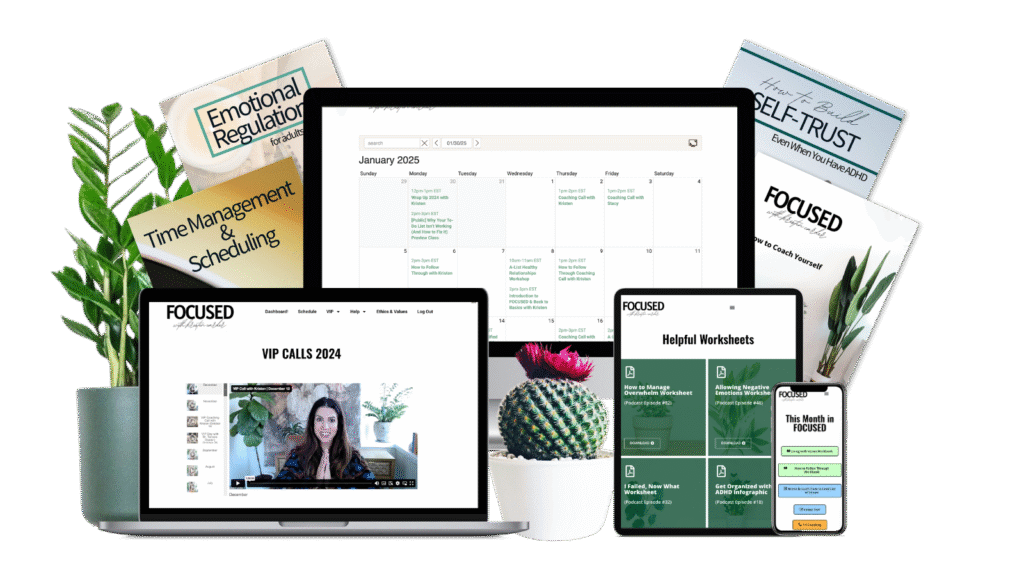
A proven coaching program designed specifically for adults with ADHD who want to gain clarity, build confidence, and take control of their lives.

Join a community of hundreds of ADHDers

Learning About My Brain...

Changed Everything

Hi, I’m Kristen Carder—ADHD expert, podcast host, and certified coach who’s been exactly where you are. Diagnosed at 21, I spent years cycling through planners, courses, and systems that never quite worked. Everything changed when I discovered the power of understanding my ADHD brain and the transformative impact of community support.

Now, after 15+ years of research and experience, I’ve helped thousands of adults with ADHD thrive. I’m here to show you how understanding your brain can transform your life, just like it did for mine.

ADHD Tips That Actually Make Sense

Follow @i.have.adhd.podcast and join our Instagram community for daily strategies, relatable content, and real talk about ADHD