


Kristen Carder 0:05
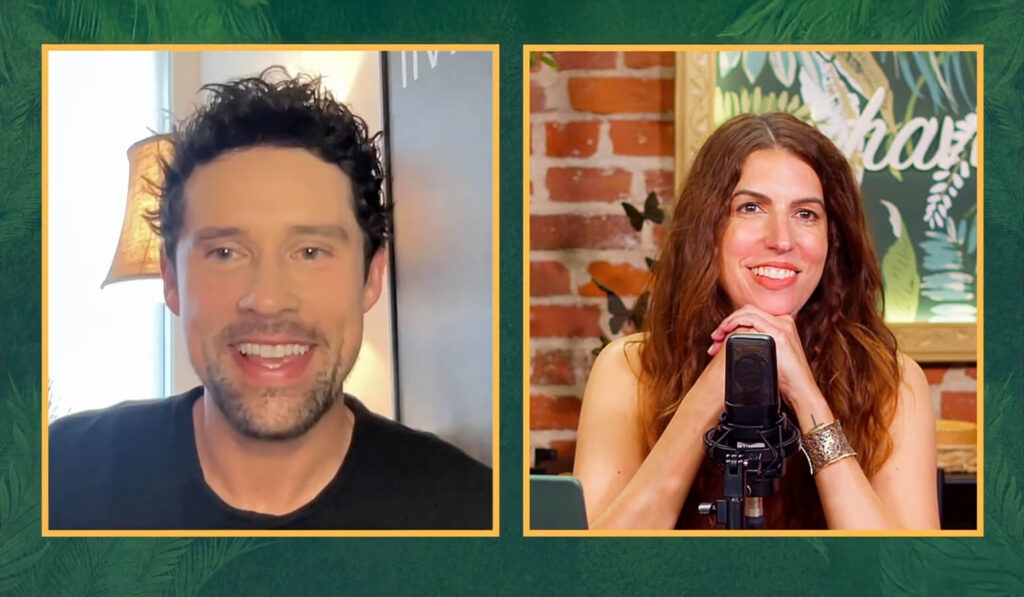
Welcome to the I have ADHD podcast where it’s all about education, encouragement and coaching for adults. With ADHD, I’m your host, Kristen Carter and I have ADHD, let’s chat about the frustrations, humor and challenges of adulting, relationships, working and achieving with this neurodevelopmental disorder, I’ll help you understand your unique brain, unlock your potential and move from point A to point B. Hey, what’s up? This is Kristin Carter, and you’ve tuned into the I have ADHD podcast. I am medicated, caffeinated, regulated and ready to roll. Welcome on in. Welcome on in. How are you get in here. Get cozy. Get comfy. We got a good one for you today. You are going to absolutely love it. This is unprecedented, my friends, we have a special guest. I am like, I’m trying to be cool. Okay, I’m just gonna try to be really, really cool. But today on the podcast, we have Benjamin Hollingsworth from the Netflix show, Virgin River, and I’m trying not to be a weirdo, because this is so freaking exciting. I am so, so so pumped to have this conversation. Virgin River is Netflix’s longest running original series. Season Seven just came out, and they already have an agreement for season eight. So like, This is so fun, such a big deal. Benjamin plays Brady on Virgin River, and I am so thrilled to talk to him today, because this conversation is not just going to be about acting and what it’s like to be in the industry with ADHD, but this is Benjamin’s first time, to my knowledge, publicly discussing his ADHD diagnosis, what that means for him, what that story has been like for him, his diagnosis, his experience of having ADHD, and how that impacts his acting, his work, his fatherhood. He’s a father of three boys, just like me. So it’s very exciting times around here for the I have ADHD podcast. Okay, we are not messing around. We have legitimate stars on the show, and I am so thrilled for you to enjoy this interview. Please help me welcome Benjamin Hollingsworth, Benjamin, thank you so much for being here. It’s so great to chat with you. Thanks for having me. Yeah. So if you don’t mind, tell us just a little bit about the chaos of getting set up today, because that actually is the most ADHD thing ever, and very humanizing. And I think we all need to know that even TV stars who are successful and beautiful and like all of the things, they’re still going to struggle with time management and and tech stuff. So what was, what was that like for you?
Ben Hollingsworth 3:05
It’s on the daily that I struggle with this, but it’s always more heightened when there’s technology involved. And, you know, I have multiple things to do today, and it’s just it gets, you know, you think you have it planned, kind of in your mind. You’re like, Okay, this is how much time it’s going to take. And the time blindness thing is always, it’s always been a part of my life, and my publicist and my management team and my agents will tell you it’s a thing that I’ve had for a very long time. So they’re always like, 10 minutes out there, they send me like they they’re kind of aware of this whole thing, and they support me on that. But you know, sometimes we just, we don’t get we don’t get them all. We don’t win. Not all of them are wins.
Kristen Carder 3:51
I was so relatable, and I was like, Listen, this is the perfect podcast for you to have tech issues, because you’re in good company. And I’m always excited when I’m not the one that like, I’m like, oh, it’s not me this time. This feels love. This feels great. So tell us a little bit about yourself just outside of Virgin River, I think everybody knows you. From Virgin River, it’s Netflix’s longest running original series, which is incredible. Like, what an accomplishment. But who are you? Outside of that you mentioned you have some kids. Tell us about it.
Ben Hollingsworth 4:25
Yeah, so I’m a dad, my husband, you know, I kind of go in that order, you know, father, husband, actor, human, maybe then actor. I feel that, much like a lot of people, I’ve kind of come to getting a proper diagnosis of ADHD later in my life, and after having my my oldest son be diagnosed, but throughout my entire life, I was on. Or and still have a learning disability, you know? But I thought that that was kind of it. I didn’t understand the ADHD was also part of this, and my mom and my parents were awesome in supporting me and getting the help that I needed to accommodate for my learning disability, my learning stability and my dyslexia. So that was and then I see it, how it’s kind of all intertwined, and it all just kind of makes so much more sense. And this, you know, even though I knew I was different, had a different way of learning through my learning stability, I I didn’t quite understand all the other elements of my life, like, why I was late, why, you know, so impulsive, why I had so much time, problems organizing my space and, like, you know, cutting people off. Or, you know, there’s a billion things. And as my, as my I was going through this checklist with my son, I was like, Huh? That’s, yeah, that’s, oh my gosh, this is me, and I’ve heard so many stories like that over the last three years now, and just feeling like more and more part of our community, which is great. But, yeah, I grew up in Canada. I am one of one of four siblings. I think three of us have ADHD, my both my parents. I don’t think I’ve ever been diagnosed, but they, they fit the bill as well. So we grew up in a very chaotic house, very loving and wonderful and Like honestly, the best upbringings and a person could ever ask for but chaos, nonstop chaos, and sometimes in the best way, and sometimes in ways that you know were tricky and and grew up in a small town, so very much part of community. I was an overactive, I say I had an overactive imagination, and that’s one thing that I really continue to have, and it serves me well in my business. But right from the time I was a kid, you know, I was into all the sports and all the different things and drama club and acting, it was just like I couldn’t do enough, like I just needed to be a part of it all. And, you know, in high school, I did have to have certain things put in place for me to succeed. But I did succeed. I I was the vice president Student Council. I i peer tutored, I played on the hockey team and the baseball team, and I, I raised money for for cancer. I just, like hands into absolutely everything. And you know, as part of, part of what allowed me to succeed like Excel in that space was just the energy that one has with ADHD. And so that hyperactiveness actually allowed me to be very involved with the with the community growing up. And I, although I didn’t go to college, I went to an acting school instead, I did graduate, you know, with an honors role. And very much, you know, accepted into multiple universities and so very much a very chaotic but somewhat successful upbringing. And then was very lucky early on to know that I wanted to be a performer, wanted to be an actor, was absolutely the love of my life. And aside for my kids and my wife, still very much is and and there’s, you know, as much, there’s struggles, you know, technical struggles and the timing struggles with with the with the industry. But there are also comes with it, this immense superpower that having, you know, having ADHD brings and understanding that more and more in the last couple years since my diagnosis, I love it
Kristen Carder 9:08
so much. I’m really curious about what that process was like as you’re filling out the paperwork, which I have also done for the kids. You know, I have three boys as well. Let me, can we just take a moment and like three boys? Yeah, three boys, the chaos of three boys. Now, yours are younger than mine. Mine are. I have 1715, and 12 right now. Okay, so
Ben Hollingsworth 9:36
it’s almost the same spacing because mine are the oldest two. Hemingway and Gatsby are 20 months apart, so they’re Gatsby’s turned eight now. Hemi is still nine. He’ll turn 10 soon, and then Juniper is five, so she’s
Kristen Carder 9:53
almost exactly, yeah, oh my goodness, yeah.
Ben Hollingsworth 9:57
I’m sure you can remember very. Vividly, those those moments,
Kristen Carder 10:02
it’s out of control. It really is. And so I’m curious, what traits did you see in your kiddo, and then, when you were filling out, you know, the paperwork, were you like, Oh, shoot. Like, what was that experience like for you?
Ben Hollingsworth 10:19
Very much a aha moment. You know what I mean, like, you know, and the traits of my son, he’s very hyperactive. He has, you know, he has a lot of classic signs of ADHD, but the hyperactive element of it, for sure, was front and center, still is front and center, and
Kristen Carder 10:49
takes one to no one. Sometimes, you know, you’re like, wait a second, I
Ben Hollingsworth 10:53
totally, I mean, my parents always said that I was, like, bouncing off the walls as a kid, you know, playing Superman and sending I was all the things and, and so it’s very much, you know, it is, and it’s, it is amazing. And him and I have such a sacred bond because of it that, um, I’m kind of, I’m so grateful for because it’s, it’s like our own language that we speak and and that bond is so, I don’t quite have the words for it, but there’s such an unspoken understanding that that we’re in it together, kind of thing. And, yeah. So, I mean, it was all the classic traits. Like, it was all the classic traits, you know how it’s like, kind of likely, very like, you know, it’s the three, five check marks you get to do. And it was all the, like, most intense check marks. Does this happen often, very often, or all the time. It was like, all the time. But yeah, and then for me too, you know, some things were masked a little bit, because being an adult, we learned to, you know, we learned to have certain tactics, and we learned certain things to be able to mask what we have, and not just mask what we have, but also, just like, help us survive, we’ve learned, you know, Battle Scars over the years. And, you know, I just part of, part of what I wish I had when I was younger, was the knowledge that this was also part of the thing that I was dealing with, because I was an advocate for myself going through school for the like learning stuff that was very specific. You know, I had an auditory processing stability, which I’ve is very common, is very common learning stability for people with ADHD, because it’s often a misdiagnosis that it’s not the processing, not necessarily a processing issue, and it’s still, still is, but it’s, it’s more than that. It’s layered on that. But yeah, I did like, because I had no I wasn’t a shy kid, and I loved getting up in front of people. I did multiple talks on learning disabilities and like, how to be an advocate for yourself and how to stand up. And, you know, I was very, very fortunate that had those things. And so, you know, I try and pass some of that on to Hemingway too obsessed.
Kristen Carder 13:25
So then you realize, through this diagnostic process for your son, I see a lot of this in me. What was your own dying diagnosis process like for you? Like, what walk us through what that looked like for you and how it felt.
Ben Hollingsworth 13:45
Yeah, so again, it’s, it’s, we’re up in Canada right now. It’s because we’re Virgin River shoots. So the Canadian side of it is very much, you know, the same kind of form. You sit down with your general practitioner and you, you go over the things, and, you know, first thing they do is offer you medication. And I, which is trick, you know, it’s like, what I just, I just got here,
Kristen Carder 14:13
buy me a beer, you know, hold on,
Ben Hollingsworth 14:17
yeah, but because we are already further down the line with Hemingway and understanding is, I always think knowledge is power. So we were reading all the books and doing all the things and and so it was like a slow burn, but it was also like, every time, it was kind of validating, in a way, because it was every little beat was like, yeah, yeah, yeah. Gosh, everyone have, you know, like, not everyone does that? Everyone with ADHD have the exact same thing. And it really, truly, I mean, there is some, some slight, you know, we all have specific little things, but the generalization of it is so it’s so common in within the world. That it’s, it’s kind of, you know, I think being a part of a community like that is such a comforting thing. You know, yeah,
Kristen Carder 15:10
does it feel really validating? Comforting? Was the relationship with your wife even, like, almost, yeah, because it’s like, yeah. I think sometimes even feel like, see, like, I promise that I haven’t been trying to be annoying. Like, I promise that I haven’t been trying to hurt you or or disrupt the family on purpose. I think that can be a really interesting conversation,
Ben Hollingsworth 15:44
yeah, and it still is. And, you know, the relationship with our spouses, I feel like, is one of the things that is constant, you know, it’s a constant, working fluid thing that every day evolving, you know. And I think for her too, it was like, Oh, this makes so much sense. And, my gosh, yeah, yeah. And you’re right, I did, like, there is that feeling of like, look, it’s not, I’m not trying to this is not me actively making things difficult. Like, I’m not trying to be late to go places I’m not like, you know, so many, so many different elements of life. It affects so many different elements of life that makes it very difficult for spouses to have relationship with, you know, neurodivergent people. So it’s,
yeah, yeah,
Kristen Carder 16:42
yeah, and yes, that’s That’s it. I love it. What was it like for you? Let’s say, like, pre diagnosis in the acting space. What did ADHD kind of bring to the table? I started like, you said, your amazing imagination. I’m also going to guess, like empathy and being able to express emotion through your character. But then what was like difficult for you? Can you kind of like, walk us through prior to knowing about ADHD? What was the acting world like for you in that way?
Ben Hollingsworth 17:18
Well, one of the difficult elements of it, and part of it now, is also I understood. I understood then, like my dyslexia and my learning stability with cold reads and like reading something for the first time out loud, was was challenging, but also because of my distractibility, like, if some if I heard something here, it would, it would take my mind off of, you know, where I was in the scene, or I still have, I struggle with that so much on set, if someone’s like talking in the far corner of a studio, like just the smallest low sound. And because emotional regulation is another one of those things. You know, it’s, you have a hard time kind of harnessing what you need to harness without, you know, losing it so emotional regulation was something that is also like it’s your enemy, but also your best friend. In in acting, because most the most interesting characters aren’t emotionally regulated. They’re the ones that are slightly unhinged or not unhinged, I feel like that’s has a negative connotation to it, but like they’re impulsive and they’re they run on instinct and and for me, a lot of the characters that I play have those elements in them, and partly because I’ve infused them with that, but partly because that’s how I relate to the character, you know, and as far as, like, the difficult elements of of it when I was younger, because I wasn’t as aware of it. I didn’t clock the for me, it was more deliberation of it. It was more like, I can I can play. I No one’s getting upset if I’m too loud or if I’m like, you know, the imagination and like everyone knows the hyper fixation, like when you are excited about something and when something interests you and activates that frontal cortex, you’re like all in, you know, and and hyper focus too, and that, that element is so important too. And being time blindness is also your friend too, because you’re not thinking about what’s for dinner, or, you know, what’s next, you’re living in the moment. And the most great, the greatest actors, are my best takes. I can’t remember what I did, because I’m not there like above myself clocking it. I’m just there’s not there could be the world could be ending, and it wouldn’t affect me, because I would be just there in the moment with the other person, and that act of listening translates on camera. Really well, and a lot of my scene partners are really they love acting with me because I’m just I’m just there, I’m listening and I’m reacting and I’m playing, and I want to engage and and so all those elements, I think you’ll find a lot of creatives have end up having ADHD because of those elements, because humanity, because, and I’m jumping all over the place, we are with you, but as an actor, having these the ability to empathize, empathize, empathy, which, but it’s not just the ability to do it because you feel things so deeply. You feel this justice and you really want to like but it’s the experiences of letting someone down or or being an underdog, or the shame or the the feeling of not being enough for all those elements of vulnerability, especially for someone like me who comes across, I think, sometimes very confident or very together, those elements of vulnerability are the secret sauce to any great performance or great character. You know, we all carry ourselves out in public this one way, and then we’re very, you know, different and within our own homes. And that shield when it comes off, that vulnerability we get to experience so deeper, so much more deeper than a lot of people get to experience that. And lived experience within the acting world is so important, and so I’m able to draw so much of that. And so I do actually find it tough to find things other than the time being late for interviews. That is a is a drawback. Yeah, communication with my agents is another, you know, my team. They’re like, Hello,
Kristen Carder 22:06
are you alive? We haven’t heard from you in three weeks.
Ben Hollingsworth 22:09
Yep, yeah. All the business elements are still, you know, tricky, but the creative ones we I honestly think we have a leg up on the competition.
Kristen Carder 22:23
I’m curious how things have shifted for you in your work since being diagnosed, if at all, do you, do you feel like there’s been a shift, or are you even more empowered to do the
Ben Hollingsworth 22:39
more empowered? Yeah. 100% Yeah. I Because, because of having to advocate for my learning stability growing up, I had this, this kind of understanding that I was different all along, so which I loved, and for me, that element had already embraced that. So then, when I found out this other unique area of my life that I hadn’t come with so many other people. Not only was I like, hey, you know, like, I, you know, I have ADHD. And the person would be like, Yeah, I have ADHD too. I could tell, you know what I mean, like, I knew, and it’s almost like this fraternity, especially because there’s, like, I’d say, honestly, about half people, half the artists have ADHD onset, like, it’s, it’s, it’s a lot, if not more, and maybe the other half are inattentive. And I haven’t really, you know, they’re like, a little bit better at hiding it, right? So it’s significant. And yeah, I I
Kristen Carder 23:38
forgot where we’re going. We were going with, how has your work shifted, or, if at all? And you were saying you really feel empowered, yeah.
Ben Hollingsworth 23:47
And so I, you know, within the space, I asked, you know, I asked for what I need. And I, you know, I’m very, you know, I say, Hey, listen, I’ve, you know, I’ve got ADHD, it’s really hard for me to focus. And if there’s even the smallest noise, you know, camera operator being like, push, push, push, like for they’re trying to, they’re trying to choreograph their side, right on their end, and to get their shots, which is important, you know, we need to be captured on film. But when I’m in so such a finite moment with another actor, and it takes so much to get there, and you and you can feel that you’re there, and then you have someone pull you back. It’s almost like, I think everyone this is something with ADHD, but when you’re hyper focused and someone interrupts that focus, you just want to explode. And, you know, there’s a Christian Bale is, there’s a famous audio, horrible Hot Mic moment where he’s like, you’re just standing in my way. And he’s like, everyone’s like, condemned Him for it, and he took so much heat. And honestly, yes, like, it was inappropriate for him to do that. He probably felt, feels. Horrible, and in the moment, he couldn’t control it, emotionally unregulated like Christian Bale likely has. ADHD, he had a moment on set that I’ve had many a times, and now I wasn’t, luckily recorded doing it, and I’m able to catch myself. And, you know, I don’t yell at people, but there are moments where I’m like, turn off the phone. Yeah, sorry, guys, I’m sorry. That’s just so I know just if we could turn off the phone, that’d be great. Okay, back to it, you know. But like, it’s, it’s so visceral, and it’s so, yeah, I’m sure everyone out there can relate to that aspect
Kristen Carder 25:37
of it. Everyone, everyone relates to that. And what’s just so tricky in your industry is that you’re doing that in front of an entire crew, all of your co workers,
Ben Hollingsworth 25:50
yeah, 150 people, and then it gets broadcast to like couple 100 million. So it’s, it’s 150
Kristen Carder 25:57
people that are on set there, as you’re like, in your zone, and
Ben Hollingsworth 26:02
sometimes more, yeah, sometimes there’s 150 all of the distractions, performers,
Kristen Carder 26:08
yeah, all of the noise, all of the little things that could pull your attention away, and the amount of energy that it takes To be, yeah, present, like emotionally, mentally, present. I mean,
Ben Hollingsworth 26:23
at the end of the days I’m exhausted, like, it’s a 14 hour day already, so you’re already like that physically, just a human being working 14 hours gets tired, and a lot of people like, well, let’s just hurry up and wait. And like, hurry up and waiting is a certain type of torture for someone with ADHD, like, a no one likes to wait, especially if someone with ADHD and that, you know this thing’s coming up, you know, you have this, like, big scene, and you’re ready to go, and they’re like, you know, it’s gonna be another 30 minutes. So just hold on, 30 minutes, and they’ll come knock on. You know what? We’re gonna jump this scene, so we’re gonna put this scene in the end, and then we’re gonna bring up this scene. You’re cool with that, right? I’m like, Oh no, not. Nope. I’m not, but have to be cool. And you know, it is. It’s really, really tricky. I use my headphones to try and like silence the noise, because between takes, it is chaos. So many people directors telling you something that everyone’s got their own individual, you know, departments, and they all affect the actor, you know, the camera guys, like, hey, like, your mark here, if you just open up a bit, I can get this really great shot. And the props person is, like, you didn’t put the knife in the right spot, because you have to put the knife in the right spot, otherwise it won’t work that thing. And then the costumes person is literally Dusting you off as someone’s telling you, like, stop this, you know, like it’s and someone’s giving you makeup, and they’re fixing your hair, and you’re just, there’s so many elements that can really run you up the wall if you’re not able to go, Okay, we’re going to do it one at a time. Everyone hold I’m going to listen here, and then I’m going to go here, and I’m going to hear and then I’m going to need about 30 seconds of quiet before we go for action. Okay, guys, just saying, like, those are the things that I like start to ask for now and then I’m just more open. Like, I’ve ADHD this is what I need. You don’t want to do this 10 times. If we don’t want to do 10 takes and we want to do it in two or three I need this. And we can go quicker if you just give it to me, received. Yeah, you know, the thing is, as actors, we’re pretty powerful, because if we don’t do it, they don’t got it. So the end of the day, they kind of have, I mean, I honestly, I got, I’ve gone to the point in my career where I don’t really care how other people feel about what I need, because it’s what I need. And I’m like, You know what? Sure, whatever you whatever, if that’s upsetting to you, or if you’re, you know, producers are the one out beast that I always, you know, because they’re like, times money, and it’s usually, sometimes it’s their money. And, you know, an hour usually on set costs about $50,000 so it’s like, you know, you’re churning this money, like, in an accelerated way, and if you’re costing, you know, the 30 minute delay, that’s expensive. It’s really expensive. That 50,000 is kind of like on the higher end of big days, but like, for the most part, it’s it’s, it’s, it’s 10s of 1000s of dollars per hour. So it’s, it’s, it’s not cheap. And so there’s also like, you know, there’s everyone’s really, really stressed a lot of the time. But you just have, like, thank God. I was brought up in this world where I had practice advocating for myself and I had learned this tactic.
Kristen Carder 29:43
You spent so much time learning the skill of self advocating, and then were able to just, like, implement it in this new way. I just feel like that served you so well.
Ben Hollingsworth 29:58
Yeah, I mean, it’s all. So the entertainment industry, as it’s famous for, is, is there’s no business like showing it show business. It is ruthless. It is so competitive, you know, um, the auditioning element of it is something that, like, we’re sensitive to rejection as an actor. It’s like, if you’re batting, like, if you get one in every 15 projects that you audition for, you’re doing amazing, like, you’re killing it. So that means 15 no’s before you get one yes. And that is, like, really good. That’s the people that are working nonstop. So you’re constantly No, no, not sorry, not right, not right. And you’re giving everything you’ve got, you know, because, I mean, especially if you agree to do an audition, even whether you’re young, you’re just starting in, like, it could be a Kellogg’s commercial, whatever it is, you know, like, super silly, but you’re going and you’re invested, and you’re giving it all, and then it’s impossible not to feel part of his like, oh, they don’t, they don’t like me. And it’s not that, it’s honestly, a lot of the times, because you have curly hair, we need someone with straight hair. You’re five foot 11. We need someone who’s six foot two, or, you know, you look too much like the cast. Thing that directors you know son in law, who he hates. So sorry, like, you know it’s, it’s so ridiculous, the reasons for no’s and and then. So it’s that element the rejection is called dysphoria. What is, there’s a term for
Kristen Carder 31:28
dysphoria, is what people refer to it as, yeah, I like a broader, just rejection sensitivity term. I think that is, in my opinion, more but we don’t need to have that conversation.
Ben Hollingsworth 31:39
Yes, but yeah, but that’s part of the vulnerability stuff. Like, it’s I’ve and because of that, because of, like, the confidence comes from accepting that rejection is a part of life, and that it’s a part of and it doesn’t make it easier. It when it really matters and you really come super close, those are the ones that hurt the most. Like, if you don’t, if you do something, you don’t gear for whatever, but if it’s, like, your favorite role, and it’s down, you know, they start with 1000s of people, and they’re down to hundreds, and then they go to the 50, and then they go to 25 and then there’s me and like, five other guys, and then it’s me and two other guys, and then we go in. They’re flying, you know, when you’re young, you’re not in LA, they fly you to LA, and they put you up in a hotel, and they bring you in. You sign your contracts. You’re looking through like, Wow. 30 minutes before you go into this room, you’re signing six years of your life away, and you see the number, which is usually a big number, about how much you’re going to make for the next six years on this project. Now it’s not yours yet. It’s just dangled right in front of you. And the reasons why they do that is because, like, it’s a bargaining technique for the studios, like, you know, this is how much this actor will cost versus this actor and this actor. So like, the people that are the corporate side of the business, who no one likes who makes some of the decisions. Unfortunately, they, you know, they want to know how much each individual is going to cost them. So it those are the ones that really hurt when you’re like, right there, and you don’t get it and, you know, it’s, yeah, it’s tricky.
Kristen Carder 33:21
I’m really interested in that rejection sensitivity piece, because every human experiences rejection, but your industry really sets you up for it. What if you don’t mind chatting about, like, maybe a really profound rejection experience and like what, what it taught you. I’m, I’m interested in that
Ben Hollingsworth 33:48
breaking a very sensitive
and through it. I’m fine with it. It’s okay. It’s I’m just trying to think of a really great example. There’s so many that, but I think, you know, maybe, maybe the hardest one, and this, I’m just going to be very open here, is one that wasn’t even really a rejection of myself, but I took it that way at the time. But my first big job that I had that so I was started in Canada, grew up Canadian and went to really great acting school, very competitive. One that it’s hard to get into is like a couple 1000 applicants, and they take 12 actors. So that’s amazing. And so very fortunate to get into that spent three years only doing that. They don’t let you work during that time, you just, you just night, it’s. Another crazy thing and an element to it, there’s all practical. So there’s no, there’s no, like, homework or anything, but you’re there for 12 hour days, six days a week for three years. Wow. And so, which really, really sets you up nicely for the business. But I then graduated, I got some Canadian, you know, shows like the grassy and Heartland is like, kind of staple Canadian shows early on. And then I did a movie with Demi Moore and David the company and Amber Heard they played my we played like this fake family. That was my first big American job, and I met Ashton Kutcher on the set of that, and he said, I’ve got this new project for the CW, which is a kind of is same kind of network as Gossip Girl. It is the same network as Gossip Girl and Vampire Diaries. Nina Dobrev, who’s a good friend of mine. We were living together at time roommates, and we both went to LA and she, she, she got the Vampire Diaries, and I got this show called The Beautiful Life, which is the one that Ashton had brought to me. Still had to test, still had to go through all that process. Got through it was it got the rule. And then you want, you shoot the pilot, which is the first one. So then they pick up the pilot. Then after they pick up the pilot, you got to get your individual character picked up. Your character picked up, meaning you’re not going to get recast for the rest of this series. So then the series goes to New York, and we shoot in New York, and I’m the number one on the show. I’m it’s me and Sarah Paxson, Misha Barton was on the show as well, and it was like, the like trajectory of what you hear about, like an overnight kind of success. Although that doesn’t really exist in our business, it’s usually just like, oh, this person is new to us, right? But it’s been working for a very long time, but for the most part. You know, I was 23 I’d only been out of acting school for two years, which is not a long time. And my I was having driving by billboards 80 feet tall, with my my body on them and my image on them. And in Manhattan. And, yeah, very much. A dream that, you know, I was, I the Jones is the movie I did with Demi Moore and David Jacobin. He opened the Toronto National Film Festival. So we were brought that. We flew in on Bruce Willis’s private jet for that. Like, very much. And everyone’s like, this is a lot, but it was my first time my family got to see me after leaving for LA was was on downtown Toronto. They closed down Yonge Street, which is the main street in Toronto for the premiere. And I, I came up and got out of the limo and and I remember my family’s faces. They were all like, you know, the perfect, exactly the storybook any actor wants. You know, my dad was talking to Clint Eastwood because they could have just gotten out of they were the ones before us and and it was wild. So I flew back into New York, and then two days later, my show was canceled, and they gave us 30 minutes in our studio to get out. They literally came in the middle of shooting the episode, which I didn’t even know it happened. I didn’t know that was a possibility.
And we were shooting in Queens, a studio called Kauffman studios, the oldest studio in North America where Charlie Chapman shot, you know, Anthony Hopkins, Denzel Washington, Brad Pitt, like James Dean. They all had the same dressing room that I had, and, and they’d sign the walls and everything, and, and then it like came crashing down so quickly, within 30 minutes, they because we lost insurance on the set. Because when they cancel you, they cancel everything, and they don’t want people stealing stuff, and they want anyone getting injured where there’s no insurance. And so they’re really like, You got to leave now. And you know, because I was, it was very much my show. I was I was like, oh, it’s because they don’t like me, like and I, you know, my friend Nina, her, her show was Vampire Diaries. And I’m sure a lot of people you know have heard of it and know it, and it went on for a very long time, and we’re so she’s great and and, you know? And the great part about this story is it has a happy ending. I was able to find work, but for a year after that, full year, so long as my career I’ve ever gone, but I didn’t work for a full year after that. And I auditioned for, like, super. Superhero movies, Marvel movie, like I was still given opportunities that were huge in scale, but because the show had just been canceled, and famously, so quickly, it was only we only had two episodes that aired on TV, but we were in the same time slot as Glee, and it was the first season of Glee, so everyone was watching Glee, and, and so we were canceled, and at the time I took it that it was me and I every room I went into, the first thing they said, Oh, I’m so sorry about your show. Okay, what do you have for us today? I’m like, like, like, literally, like, gut turn. Now, perform. But it would just be like, then, that whole idea of, like, living in the moment, not caring about what happened before and what happened No, all I could think of is, gosh, these people think I’m not great already, and I’m in trying to do a scene and trying to stay focused. And I in my brain, I’m just elsewhere, and I self sabotaged. I, you know, I had, you know, substance issues during that time. And I, yeah, it took me a full year, and I had to start all the way back at the beginning, like a really small job on a small thing like and just climb my way back up. But it was brutal. And if I could change anything, you know, I’m 41 now, I’d go back to the 23 year old and be like, Look, it’s gonna be fine. You’re gonna be okay. Pick yourself up, dust yourself off, and believe in the person that got you here, and know that that’s never gonna change. Like you’re the core of you. The core of you is always gonna be the core of you, and someone else’s opinion of that has no bearing on what that is. They can never take that element away. They can take the, you know, potentially millions of dollars. And the poster came down. I literally drove me by as they’re pulling down the poster. I mean, it’s my memoir. It’s good. Such a great, it’s gonna be such a great chapter when I’m older and, you know, look back on my career, because it’s such a famous, you know, it’s actually famous in town, like, because, I say in town, in Hollywood, because of its epic kind of, you know, there’s not very many shows that get canceled after two, two episodes, so and get pulled. It was the other thing that was because we lost insurance. It was very, very quick that they pulled us out of there, yeah, but that one, yeah, that one’s that one hurts. That one still, it doesn’t hurt as much now, because obviously, I’ve gone on and I’ve done bigger and better things and and, but it did. It did for a
Kristen Carder 42:48
long time. It’s so fascinating, like, obviously that was a business decision from the executive standpoint, but how personal it felt to you and how it was like, oh, it’s about it’s about me, and they don’t like me. And that, I think, is the universal experience of rejection. Sensitivity is taking a rejection that may not even have anything to do with you necessarily, and really personalizing it, and then that spiral, the spiral into shame and self blame and judgment and then sabotage and and now, all of a sudden, you’re like, you’re in a puddle, right? And it’s like it could have literally had nothing to do. Obviously, I have no idea, but from my perspective, hearing your story, it’s like it was a business decision. A bunch of like, old, fat, white guy sat around a room and we’re, like, nothing’s gonna compete with glee. We’re canning it, yeah, and like, absolutely nothing to do with Benjamin. And yet it’s so personalized. And that is, that’s the part that’s like, the dysphoria, right? Is just like, the the the impact of that and the personalization of it, and that is so universal for us eight each
Ben Hollingsworth 44:06
years, yeah, and tragic too, because it’s just no one could, no one could talk me out of it at the moment. And also, not a lot of people knew they needed to like I was so internalized, because I wasn’t going around like it was my fault, you know, which would have been a little strange. I would have been like, No, you’re silly. But because I, like, subconsciously knew it wasn’t, but convinced myself it was in a really strange way, like I wasn’t aware that I knew that it wasn’t. But I, like, because of math, I knew, like, it wasn’t. There was also, you know, six other people on the show with me, and there’s, you know, I can’t control writing and so many other elements to it that, but the at the time, like just the heaviness of it and just it was, it was some it was, it was so, so large and so heavy that it. Still has such a big place in in my soul, because of it, because of that time.
Kristen Carder 45:05
Wow, I really appreciate you sharing, letting me just, like, lift up the hood. There a little bit I do that. Well, that’s
Ben Hollingsworth 45:13
what we do as actors. Like, part of it is just that, like, we lift up our hoods all the time, because that’s, you know, great ones, like really good actors. We’re not just like, posing in front of the camera and saying, I’m angry, like you some, unfortunately, some actors are surface level people that do that. And that’s, you know, that’s them, and that’s, that’s, that’s their process, and that’s fine. Mine’s very different. There’s one other element of having ADHD is, I can’t really ever do the same take twice, and it pisses my directors off so much because, like, why did you change it? It was perfect. It was like, well, because I had no idea what I did, and I can’t do the same thing twice, like, I just, there’s no, I don’t do a routine. Like, there’s no, there’s no, there’s no like, left turn here, right turn here, go down here and do this. Like I there’s just that’s never gonna happen for me. And the quicker you understand that as a director, the more you’ll be like, Okay, we got it. He’s not gonna be able to do it again, you know. But you only need to do it great once. That’s the one, one part about it and and it’s not that my other takes aren’t good. It’s just they’re different because I have to follow they have to follow my own instincts. If I’m not following my instincts, I’m dead. Yeah, I just
Kristen Carder 46:35
think you named something that’s so universal for us, ADHD, ers, that not being able to do the same thing twice, and I think that is true across industries, and can be really frustrating, but I love the way you’re talking about it, where it’s like, I’m following my instincts. This is not a choreo choreographed performance, like I’m not like mechanical and robotic about it. It’s like, this is instinctual. And I think when we don’t really capitalize on that strength, we can really beat ourselves up about it, like I did this yesterday. Why can’t I just do it the same today? It’s like, No, you have to, like, dig into your intuition and your instincts to be able to, like, perform today. Whatever your industry is.
Ben Hollingsworth 47:17
Isn’t that frustrating, though? Like, it’s so disheartening, because when you win a day and you have a good day, you know, you’re like, I’ve got it figured out for life. This is the new me. And then you have a bad day and you’re like, wait a second, what happened? Why have I not done the exact same thing I did yesterday is because every day is no and I it’s if it was like, that’s the thing if, if someone was like, Hey, would you like to not have ADHD? I’d like, hell no, you kidding? This is so much fun. It’s so much better. You know, like there’s frustration elements to it. But I feel like people with ADHD live a full life, and no one wants to be like, I think like, the hardest part, the hardest thing for someone would be to have ADHD and be like a CPA, you know, in an office building with a nine to five and a quarter and you just grinding and like, I
Kristen Carder 48:17
feel like that. All the CPAs listening right now are like, Ah, he’s absolutely right.
Ben Hollingsworth 48:23
They maybe have an element of their CPA that they do that’s theirs, because maybe they own their business. You know, they like, they’re like, Yeah, I’m a CPA, but I work whenever I want, right? I only work with people I want, and I only do, yeah, whatever. You know, as long as you’re that’s it with your as with the key to happiness in my life, and I imagine that I’m not alone in this is if you follow I always say, Follow your heart. I say to my kids, I say, I have a mantra with my kids. They say, follow your heart, believe in yourself, and no matter what, mommy and daddy always love you every night before bed. I say that to them. And I think the key to happiness with ADHD is if you can follow your heart and truly do that as crazy it is, because if your your head unfortunately has problems with things, but your heart doesn’t your heart, honestly, actually, if you listen to it, you can hear it better than most people, because you’re not affected by your head, because your frontal cortex isn’t saying, Hey, listen, you got a meeting in five minutes. You should not. You can actually access that element of living that I don’t think a lot of other people do. And sometimes I think that’s overlooked for people with ADHD, is that like we lit, like we feel the lows and we hit the lows, but we also feel the highs, and we we get to live a unique life, a unique and a unique being in a unique state, which can be frustrating, but also can be really, really, really fulfilling, too
Kristen Carder 49:53
full stop, absolutely incredible. What a way to end it. Thank you so much for being here. Thank you. Thank you. Benjamin, for just sharing your ADHD story with us. I think it’s so impactful when people in the spotlight are willing to talk so vulnerably about their own mental health and experience, and you’ve lived such an amazing, full life, and you’re such an example of what’s possible. I love how you’re just preaching at the end. It is. It’s incredible. So everyone go watch Virgin River. Season Seven is out now. Is there anything else that we should know about projects that you’re working on right now?
Ben Hollingsworth 50:34
Nothing I can say without getting in trouble. They’re always like they want to have them released on their their end, which is great, but yeah, some like setting stuff’s coming up, and I, yeah, very, very grateful to have been on Virgin River and done it for seven years, and we’re about to start season eight in a couple weeks, which is going To be amazing, too. So which is, it’s such a blessing to be able to raise kids in one spot to pull them all over the place.
Kristen Carder 51:09
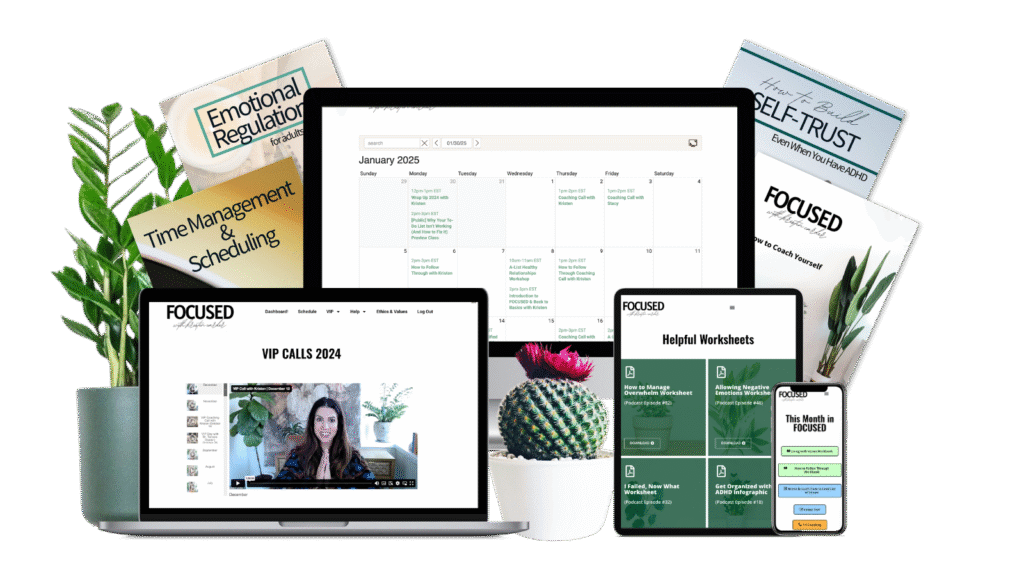
Everyone go check it out on Netflix. Virgin River, season seven out now. Season Eight starting filming shortly. Benjamin, thanks so much for being here. Appreciate you. Thanks for having me a few years ago, I went looking for help. I wanted to find someone to teach me how to feel better about myself and to help me improve my organization, productivity, time management, emotional regulation. You know, all the things that we adults with ADHD struggle with, I couldn’t find anything. So I researched and I studied and I hired coaches and I figured it out, and then I created focused for you. Focused is my monthly coaching membership where I teach educated professional adults how to accept their ADHD brain and hijack their ability to get stuff done. Hundreds of people from all over the world are already benefiting from this program, and I’m confident that you will too go to Ihaveadhd.com/focused, for all details.