

Podcast Episode #115: Your Special Mind (Especial-Mente TDAH)

Listen or Watch this episode on:

About This Episode

BUCKLE UP!!

If you are someone whose family didn’t understand or validate your ADHD, you are going to LOVE this conversation. And especially, if you are in Latin America and/or have a lot of Latin influences in your life, this episode is going to speak directly to your heart!

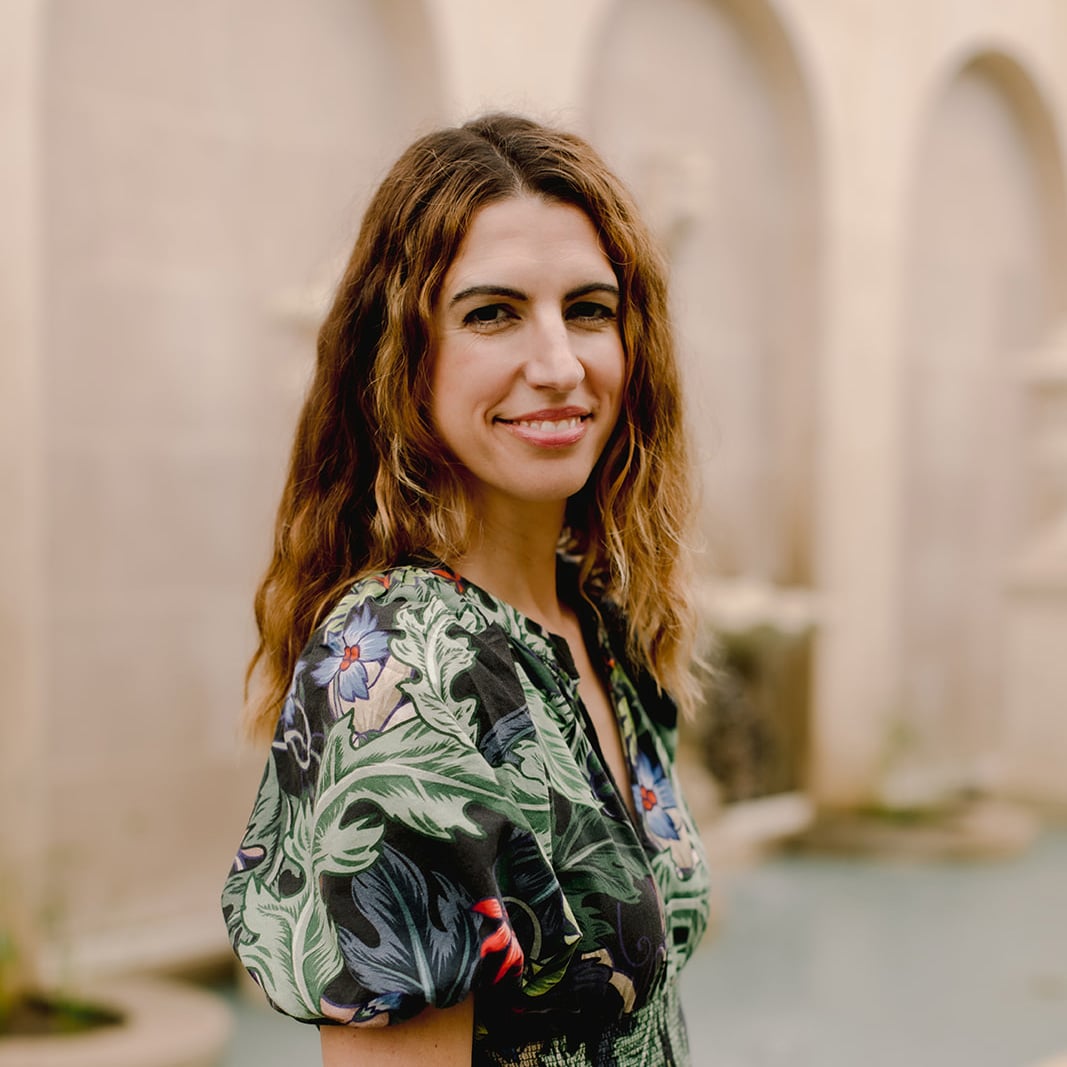
Please enjoy this conversation with my very lovely client, Fernanda Gamboa.

Reach out to Fernanda here:
 @Especial-Mente2.0 on instagram
 [https://www.especialmente.org/](https://www.especialmente.org/)

Hang out with me on Instagram @i.have.adhd.podcast

Visit [www.ihaveadhd.com](https://ihaveadhd.com) for more resources

See Privacy Policy at [https://art19.com/privacy](https://art19.com/privacy) and California Privacy Notice at [https://art19.com/privacy#do-not-sell-my-info](https://art19.com/privacy#do-not-sell-my-info).
Episode Transcript

This episode is sponsored by CURE Hydration. All right, I’m going to be real with you. Drinking water is boring. My ADHD brain is like, wait, we have to do this again? Like every day, multiple times. What in the world? And because I’m running from meetings to coaching calls to kid chaos, staying hydrated is not something I’m naturally good at. It’s not something I naturally think about. That’s why I’ve been obsessed with Cure hydration packs lately. CURE is a plant based hydrating electrolyte mix with no added sugar, only 25 calories, and it actually tastes good. The watermelon and berry pomegranate have been on repeat for me. I’m actually like really running low on those flavors, which is so sad. They’re refreshing without being too sweet or artificial. It feels like my water finally has a little bit of personality, which I enjoy. I really do. What I love most is that CURE uses a science backed formula that hydrates as effectively as an IV drip. So when I’m scrambling through my day forgetting my water again, CURE helps me to catch up fast. I throw a few packs in my bag and it makes drinking enough water simple, which for my ADHD brain is basically a miracle. So staying hydrated isn’t just about water. You also need electrolytes. And that’s why I love Cure. It’s clean, tastes great, and it actually works. And bonus, CURE is FSA HSA approved. So you can use those funds to stay hydrated. The smart way for I have ADHD podcast listeners, you can get 20% off your first order@curehydration.com I have ADHD with the code I have ADHD. And if you get a post purchase survey, make sure to tell them that you heard about CURE right here on the podcast. It really does help to support the show. Don’t just drink more water, upgrade it with cure. Welcome to the I have ADHD podcast where it’s all about education, encouragement and coaching for adults with adhd. I’m your host Kristin Carter and I have adhd. Let’s chat about the frustrations, humor and challenges of adulting relationships, working and achieving with this neurodevelopmental disorder. I’ll help you understand your unique brain, unlock your potential and move from point A to point B. Hey, what’s up? This is Kristen Carter and you’re listening to The I have ADHD podcast, episode number 115. I am medicated, I am caffeinated and I am ready to roll. How is your summer going, my friend? I hope that you are having a blast. I hope that you are prioritizing time outside and that you’re taking care of yourself and soaking up all the sunshine. Whenever possible. Our community has a pool and it looks like it’s straight out of the movie the Sandlot. I love that movie. It’s amazing. But anyway, this pool is like so old. It’s very 70s esque. It’s the best ever. My husband actually like, as I was kind of planning out this podcast, he texted that he had just dropped the kiddos off at the pool just right now. And seriously, it’s so fun. We lather them up with sunscreen from head to toe, give them a couple bucks for the snack bar and send them on their way. It is so magical. And I’ll join them after work today and then they’ll be exhausted this evening. I mean, is there any anything better than summertime? I just remember as a kid being so physically tired at the end of the day. I just love that feeling. Another great feeling. Side note, this is like total tangent is the feeling after being at the shore, like in the ocean all day long and your body is just like so exhausted and still kind of like moving with the waves. Oh my gosh. Love that feeling. Okay, anyway, quick question. Have you subscribed to this podcast? If not, highly recommend that you go ahead and press subscribe that way. It’s going to appear in your podcast feed every single week. And since I am now able to be consistent because of all of the help and support that I have with this podcast, it’ll be there for you every Tuesday. And today. I’m so excited to hit you up with an amazing interview that I did with my client Fernanda. Because omg she is a wealth of knowledge, a wealth of wisdom and all of my Spanish speaking listeners. Go right now to her Instagram please while you are listening to this episode and follow her. She is incredible. Her handle is eSpecialmente 2.0. She’s on Facebook as well under the same name. Go find her. If you’re someone whose family didn’t understand or recognize or validate your adhd, you are totally going to resonate with our conversation today. But aside, especially if you are one of my listeners in Latin America or if you were raised in the States but you have a lot of Latin cultural influences in your life, oh my word. This podcast is going to speak directly to your heart. I’m so happy to have my client Fernanda Gamboa on the podcast. She’s an ADHD coach for Spanish speaking clients. She is the expert on ADHD coaching in Spanish, which is actually T D a H in Espanol, which stands for trestorno deficite y anadotos. So as you know, ADHD does not discriminate. It is not just for white people. And Fernanda beautifully articulates her experience as a Latina with adhd. Please enjoy this conversation, my beautiful friends. Hi, welcome. I’m so glad you’re here. Thank you, Kristen, for having me. I’m so looking forward to people hearing your story because I think it’s unique, but I know that it will connect to so many of my listeners. You are an ADHD coach and you grew up in Mexico and I would just love to hear your story. Just tell us a little bit about your story growing up and your journey to becoming, first of all, someone who knows she has adhd, and then secondly, an ADHD coach. Tell me all the things. Ok, well, we would have to start. When I was a little girl, I was the typical boy type of adhd. I was very hyper, a lot of movement in me, always interrupting and I was always in trouble. But I came from a home where I was raised by nannies and drivers and my parents were busy living their life. My dad was a politician. I am the youngest of many, many, many siblings because they remarried a couple of times. The youngest of seven. Wow. Yes. All girls. Oh my goodness, yes. My parents divorce when I was 11 and my mom leaves. I was raised by the nannies, the driver and my dad. And everyone pointed the finger of my rebellion, my conduct, my, my way of living life. They would always say it’s because your mom left. And it made sense, right? I mean everyone, they sent me to, to psychologists and thank goodness for that. And of course it was part of it, but there was more, there was much more inside me. I just couldn’t sit still. I couldn’t stop interrupting my teachers. And as I said, I lived in the office. I went to an American school in Mexico City and they had on campus suspension in middle school and that was like my second home. I was always in on campus suspension. And then they would bring my dad in and he would always use the why are you doing this to me? You have everything in life to behave and make the best out of your studies and just be a good person and whatever. And I was like, I don’t know what I’m doing, I just can’t help it. But I, of course, I didn’t know how to verbalize that. So in ninth grade, before ninth grade started the school Principal, who I was so blessed was my best friend’s mom. Oh, my gosh. And she was the one that saved me because she called my dad in and she said, you know, they’re going to kick her out of school. She is on the list. She’s number one. They’re going to kick her out. So I’m giving you a heads up. Pull her out, because if they kick her out, she will not be able to return ever. So my dad pulled me out, and this was late in eighth grade. This was around May, so there wasn’t many choices where I could go to. So basically, the first school that admitted me, that’s where I left for ninth grade for a boarding school in Ohio. Wait, can you stop there? From Mexico City? Yes. To a boarding school in Ohio. That sounds traumatic. It wasn’t as traumatic as it sounds because all of my summers I would go to summer camp in Texas. All of my sisters went to boarding school in Switzerland. So that was, like the thing that we would do culturally and socially. Okay, okay. But I couldn’t go to Switzerland because I wasn’t admitted in Switzerland. So I was admitted in Ohio. And to be honest, I had a great time. I mean, I enjoyed it. I feel that I learned in ninth grade that I wasn’t a bad student. I felt like this boarding school was. Of course, it was the states. And I hate to admit it, but Mexico City, even though I went to an American school, is years behind in many things, but especially in the mental health department. When I arrive in this boarding school and they’re like, oh, you need a special class where you’re supported. Nobody said you have adhd. But they. They put me in, like, this special class where it was only like six of us. Nice. And I learned how to study, and I discovered I loved reading. So when I came back home in 10th grade, it was like a complete different person. Yeah, I wouldn’t say I wasn’t a student, but I wasn’t suffering as I was before. See, before, I was always trying to catch up. Yeah, I remember they would. You know, when they would say, okay, let’s read chapter seven. So you read page 20 to 25. And I would count to find out which part I would have to read so I could kind of practice and not sound ridiculous and stupid, you know? But my team was shattered. I was different. I was weird. I was very, very much impulsive. Kristen? Yeah. When younger, physically, like, physically, I would hit the boys or just push people and, yeah, I would always say the wrong thing. Everything that came to My mind, I would blurt it out. So I was always in trouble. And I was not invited to many parties because the other moms or the other nannies should I say, were like, she just, she’s too much of everything. She. I would curse very easily. And you know, so then of course I went to college. I started college in Mexico City. I was dating my high school sweetheart and I got pregnant. So I got pregnant. He was going to school in San Diego. So we got married really quickly. Wow. Yes. Really quickly. A beautiful, huge Mexican style wedding. And then I went to live in San Diego. I had my baby there. And when he was one year old, I said, you know what? I feel I have to finish college. I need to run through. So I went back to school. I finished. I had my, my girl there. And then we moved back to Mexico City. What did you study in college? I studied psychology and communication studies. So I discovered I am really good at school. I love learning. Yeah. Yeah. I went back to Mexico City married with two kids. I was very, very young. None of my friends were married, of course. My gosh. And, and my children went to the same school that I went to, the American school in Mexico. And when my daughter. See my son had all the signs, but I was, I don’t want to say stupid, but yes, stupid enough to follow my, my, my, my parents pattern in the sense I divorced their dad. So when Max, my older son, started acting out, I always thought it was because of the divorce. Of course, because that’s what you were told. How would you know any different? Completely. So. But then when Alex, my daughter, was in first grade, I had the blessing to have this amazing teacher who called me in and she said there’s so many. Something not right, something not clicking. Because she is not. She didn’t have the movement, she didn’t have the interrupting phase, but she, she just. Nothing was, was sticking to her brain. So that’s when I had her evaluated. And ADHD came up. And it wasn’t the first time I heard it, but I had no idea what that meant. It was very scary for me because the doctor in Mexico said she has ADHD and we need to medic. And my, my daughter was seven years old. I was like so little. No idea what you’re talking about. So I decided to travel the world, literally, to find another diagnosis. Are you kidding? Oh, no. I went to California, I went to Boston, I went to Texas. And they all said she has ADHD and you need to medicate her. So eventually I went back to Mexico to This doctor. And I said, okay. No. Well, no, first I tried everything out there. Oh, my gosh. All the diets, all the supplements and. All the supplements. And all the hippie type, dance to the moon. Whatever people told me to try, I tried everything. Wow. Tell me more about dancing. I went to this shaman. Is that. Oh, yeah, yeah, yeah. Huh. Shaman. Yep. And they would. I would take my daughter with me and we would do sort of meditations and they would cleanse her with sage. That ought to do it. Let’s just cleanse her with sage. That’ll do it. And eventually I was like, oh, my God, this isn’t working. And her social life is what pushed me to Medicare. He was stigmatized, and she was an outsider. And she was different. Yeah. Did she remind you of you as a kiddo? She did not. But, like, socially, I mean, no, because I was. Even though I was like the. The different one, I had a very strong personality, Kristen. I was always the bully. I was always like, I was hurt. So I was trying to make everyone feel what I was feeling. Obviously unconsciously, but definitely. And my daughter was not like this at all. So at that time, I never thought, I’m like her. Maybe I have the same thing at all. At all. She was also diagnosed. Diagnosed with very high anxiety. So once we found the right medication for her, which took about a year, I saw her flourish. And I mean, my daughter is now 18 and she is. Oh, my God, she’s an incredible human being. She’s a cheerleader. She’s applying to all these amazing colleges. She’s living life to her best. That is so exciting. So, like, any of you parents listening who have little kiddos who you’re like, I’m just not sure. And like, should we bother with an evaluation or should we bother with treatment? Like, this is such a testament to. It’s worth it. If you can find what works best for your kiddo, they will flourish completely. And plus the medication, we also did therapy. Cognitive. Yes. Cbt, Cognitive behavioral therapy. That kind. And I think it was a combination. And the biggest part, I think, of the puzzle is the acceptance of who my daughter was. So maybe in school she had to behave and try to fit in into a world that wasn’t designed for her. But she always knew that once she was home, she could let the crazies out. Yes. And even though at that time I wasn’t diagnosed, I was super let the crazies out myself, you know, So I was always. I’ve been. Always been out there, but I didn’t Know what it was? So it was many years after that I divorced my. My first husband, and then. Who, by the way, also has adhd. So when Alex was diagnosed and I started becoming this bookworm on ADHD and all the courses and Russell Barkley and all that stuff. Yes. Called my ex up, and I said, I have some important news, because we’re very, very, very good friends. Nice. And he’s like, what’s up? And I said, you know how people told you you were a rebel and you were a problem and you were just too much and blah, blah, blah, blah. I’m like, I don’t think it was that. I think you have adhd like our daughter. And he said, what does that mean? So I started sending him information, and he started crying. Crying, Kristen. He’s like, oh, my God, if I’d only knew if I had the support system. Blah, blah, blah, blah. He got his evaluation, and bingo, adhd. So. But at the time, you were still not self identifying? No. Why not? You know, it took a while. I just thought it was the trauma of growing up in my house. Because that’s what you were always told, right? Like, you were evaluated. You had seen psychologists, you had seen experts, and they just kept saying, it’s trauma, it’s trauma. It’s trauma. Yes. Even when I moved to Miami, many years after, when I arrived here, I was like, okay, I’m going to find myself a therapist. And by this time, I had. My third son was born, and he was diagnosed with adhd. Okay. So I went to my therapist and I said, listen, they do. My children do not share the same father. Right. The only factor in common is myself. But the psychologist kept saying, no, you have PTSD from your upbringing. And then, you know what? I could see myself and my son completely. I was just full. Full of energy. And I was like. I was like that. And he was always in trouble because he said the wrong things. He never raised his hand. He would interrupt the teacher. And that’s when I told my husband, I can’t reflect myself and my daughter, but I can completely see myself in him. Yeah. So I found the right person, and I said, listen, I want to get an evaluation. And bingo, you have ADHD as well. How old were you? Like, how long ago was it? I was 38. I’m 42. So only four years ago. My goodness. And it was the biggest blessing in my life. Tell me, even though I’m telling you all of this, I feel like I needed the actual document, the actual expert telling me, yes, you have adhd and not just me guessing. So at first it was like, oh, my God, I can’t believe no one noticed. Life would have been so much easier. And my self esteem was shattered, Kristin shattered. But at least I knew how to build the puzzle, how to piece it together. So I need to rewind myself back to when my daughter was diagnosed. I was living in Mexico City. I went to the school to come out and say, hey, my daughter was diagnosed, she has adhd. And I didn’t get the support that I was expecting to get the support that I read in the books. So I was like, okay, does she get, like, special extra time? And they’re like, no, no, no, we don’t have that here. And I had no one to talk to. And. And I was like, I can’t believe I’m the only person in Mexico City that has a daughter with adhd. There must be people out there that I can talk to and just have a cup of coffee and relate. I couldn’t find anyone, but I opened a Facebook page. That’s how I started. And I’m like, my name is Fernanda. I have a daughter. She’s been diagnosed. If there’s anyone out there, I would love to talk to someone. I’m covered in goosebumps. Like, that’s just so beautiful. And I shared the whole experience, the whole, this is what we tried, medication, blah, blah, the shaman, everything. And all of a sudden, I have 500 people following me because it became like a weekly thing I would post. So this is what’s new. My daughter is now acting like this. And this is what we’re doing, and this is the therapy, and this is the book I’m reading. And all of a sudden it’s 500 people following me. And I’m like, well, maybe I should start a webpage. So I started a webpage, and it was just a beautiful process of people connecting with me. And then it expanded, of course, to Latin America. A lot of people from Argentina and Spain. And I was just doing this because I felt that I had a responsibility with life because I was so blessed to have the tools to get my daughter evaluated and to get her the best help there was and to travel the world and talk to all these doctors and to have all the books, which are all of them in English. So, you know, wow, there’s. Are there any books in Spanish? There’s very few that I recommend. Okay, is Barclays book in Spanish? One of his books is okay. And. But there’s only, like, very little information. There is a lot of information, but not good. Yeah, yeah. So that’s an issue. So when I started my webpage, as I said, years forward to my diagnose, I was like, I need to get the document where I can officially help people. So I started the whole coaching training, which I loved and enjoyed, but was super hard for me. Tell me. Because it was. Most of the time it was on the phone, I couldn’t see them. And that was super hard, Kristin. So I remember when I called my teacher and I said, you know what? I’m so sorry, I don’t need you to return the money. I’m just. This is not for me. It’s very stressful because I can’t focus. So half the time I don’t know what you’re saying. Totally. And she was, she was. She was great about it. And she’s like, no, you’re not doing that. You’re halfway push yourself. You can do it. Blah, blah, blah. And between her and my husband, who is like my biggest cheerleader, they’re the ones that pushed me and I was able to follow through, but it was very hard for me. But once I had my paper behind me, you can see it’s beautiful. I was like, I am ready to do this. Yeah, let’s go. Yeah. Just to clarify, all of your messaging, all. Everything is in Spanish. So you’ve. Yes, I love it. You are the resource for Spanish speaking people with adhd. Yes, I think so. Yes, I think so too. Co signs. I have to tell you something. It wasn’t until focused that I was able to show my face. I swear, all this time, the Facebook, when I started the Facebook and the webpage, I didn’t even say my name. I just went by my. So the name of my everything my baby is especialmente, which translates to specially. But also mente in Spanish is brain. Oh, cool, cool, cool. Special mind. But it’s also specially love. So I didn’t come out. And then when I heard you and I heard the whole model and I heard the whole you are not your thoughts and your thoughts create your feelings, I was like, wait a second. I was like, wait a second. What do you mean? And I as I said, I am a huge nerd. So I would revisit the teachings and I would pause. And I went through the workbooks and I was like, I need to take this under my wing. And I did. And then I was like, this is the most amazing thing. Which also brings me to something very important. I feel like I don’t want to generalize But Latin America has this negative connotation on adhd. Tell me everything. Yes. They’re like, this is a problem. You are broken. My children are broken. I am going to spank the ADHD out of them. I am going to punish them until they understand they cannot behave like this. And I feel that focused gave me that courage to be able to tell them, you know what you can do you. And you are an adult and you are free to do whatever you want, but this attitude, this whatever you’re doing with your children or with yourself is not going to take you very far. Wow. Yes. That must have taken a lot of courage. A lot, a lot of courage. Kristin. I was terrified because you’re going against all of the cultural norms and all of the cultural norms that you even grew up with, you were infused with. This was just like a part of your life. Completely. Completely. Kristen. Which also helped me because part of my sessions I feel like I always go back to. Is this something that you really believe or is this something that came from your family? Yes, because part of who I was wasn’t really mine. It just came from my parents. Yes. And then it came to a point where I was like, who am I really? Who do I want to be? How do I want to raise my children? Okay, so say more words about you kind of like coming out of the closet, like putting your face out there, using your name. Now you’re on Instagram. You. I don’t know why I just, just followed you because you’ve been in focused. How long has it been? I think from the beginning. The beginning, because I remember, you know, the first couple months, I was obviously. Well, not obviously, but I was shipping everything myself. So when I was sending workbooks, I was writing your name. Fernanda Gamboa. Is that your last name? I was writing like your name, your address. So I remember being like, oh, that’s a beautiful name. And shipping to miam like this, it was so fun. And, and so I know that you’ve been in forever. And thinking about the process that you went through, like now you’re doing IGTV and like all of this amazing stuff. So your transformation has been pretty incredible. Completely incredible. And I, I mean, of course I needed my training, I needed the official document, but I feel like, and I mean, I don’t want to, I’m not a kiss ass or anything. I’m just being honest here with you. I feel like that’s where I found the type of coach that I wanted to be in focus. That’s where I found the courage you gave me, that self authority, I found it in your group, so forever grateful. But yeah, I do my videos and of course, of course, course I go with rejection sensitivity, dysphoria to the max every time I post, of course. But I’ve been getting better at it and just handling my thoughts. And why am I feeling this? What am I thinking that it’s making me feel like this. And of course, I’m not an expert. I have my faults, but most of the time I can pull through with a model. Yeah. Coaching yourself. Have you gotten any pushback from people in your culture, from people in Latin America who are like, Fernando, you’re, you’re too different. You’re. You’re saying things that are just not in alignment with, like, who we are and what we believe. What’s that been like for you? At first it was very hard. I was very insecure. And I would call my best friend, she would like, cheer me up and I would, I would just stand my ground. And I’ve been called a hippie many times. They’re like, oh, that’s such a hippie mentality. But yes, I get tons of pushback. To be honest with you, in most of my discovery calls, that is a big issue for me, which is a break it or make it. With my possible coachee. You get a sense of it when they start, oh, no, no. Where did you learn this? Oh, no, that sounds ridiculous. That’s something that doesn’t work in Mexico or in Latin America. And that just sounds crazy to me. And are you people say those words to you? Yes, completely. And then that’s when I said, you know what, I’m going to try and help you find a coach designed for you, but I don’t think we’re a good match. But the ones that open up and are like, I am ready because, you know, I always tell them, you need to erase everything that you learn. It’s like, I’m going to teach you how to speak Mandarin. So everything is going to be different. Everything might be a little bit difficult because it’s new and you just need to be patient and follow through. And the few that say, I love it, I’ll do anything. Yeah, that’s when I take them as coaches. And I love it. I love it. So are you coaching adults with their own ADHD or are you coaching, like families or who do you coach? So I coach adults. Most of my of my clients have adhd, but I have two parents who do not have ADHD but want to. I always tell them That I believe the biggest part about parenting children with ADHD is not to break the bond that you have with them. The bond with your parents is more important than science or math or, you know. Yes, 100%. Yeah. So I have two parents right now which are doing a great job trying to not break that bond with their children. Yeah. I could see you being really good at both at coaching adults on their own self concept and their own, like, identity and shifting into more self acceptance, but then also helping parents to just understand their kids and their families and the dynamics of having, of having kiddos with ADHD who, if the parent doesn’t have it or doesn’t know that they have it, it can feel very much like this kid is doing it wrong. How do we fix it? Completely. Completely. And I also feel like I’m coaching my husband because he is a super neurotypical. And I mean, he’s amazing. He’s great because he. There’s less neurotypicals in my household. He’s in the minority. Yes, he’s in the minority. So sometimes he’ll like snap at my children because of their symptoms. Yeah. And then he like, he like looks at me and he’s like, I’m sorry. Okay, just fix it. Yes. I love it. Can we talk a little bit more about. Because I don’t really know much about it at all. And I’m wondering if you could share more about kind of the idiosyncrasies of the Latin culture and the, like, what you’re noticing as, like, not knowing much about ADHD and identifying symptoms as just behavioral issues that need to be dealt with, like, punishment wise. Can you just go into a little bit more detail about that? Like what, what do you notice and, and why do you think it’s there? And so this is like a lot of questions and you can just kind of answer in whatever way makes sense to you, like, what are you noticing? Why is that kind of the case? And then what do you think it might take to make a cultural shift? I don’t know if it’s the macho mentality, but there is, I mean, similarities. It’s not just Mexico City, it’s other countries as well. And they have this. I find a lot of dads, especially the dads, who are completely eyes wide shut. I do not feel that this is a real thing. This is crazy. You’re crazy, and my wife is crazy for following you. And then a lot of women who are completely victims. Why is this happening to me? I am praying to God to fix my Child and I go to church and. And I’m like, dude, that’s not the way. Tell me more about victim mentality. Because you mentioned it in our email correspondence before we met. Tell me more about that. Is that. Is that just a human condition? Is that cultural? Both. What do you think? I feel like it is a cultural thing, especially with the women. Again, I don’t want to generalize and then receive hate emails with, oh, no, my mom was not like that. But I. Nobody send Fernanda hate emails. Okay. You have to come through me first. Don’t you do it. So I feel like since there is this macho mentality, you know, the father figure sets the rules, and he is the money maker in the house, and the wife stays in the kitchen, makes the food, and takes care of the children. I feel like the women are, like, even afraid. Afraid of their husbands. So part of my. My discovery call is hard, Kristen, because there is a lot of violence in these. In these families. Yeah. So it’s hard to, like, pull the threads and just focus on what I need to focus because these women always bring up the. But I’m afraid of him, but he’s physically violent with me. And it’s tough because it’s not even like the States where I can give a call and say, hey, there’s violence of the family. Right. Mexico, at least, just. It doesn’t work that way. The policeman would say, oh, that’s his husband. That’s her husband. He is allowed to give her a little slap here and there. Are you serious? I am serious. So I feel like that is. That is a big part of not being able to help their children and themselves, because there’s this little girl who is 16 years old, and she contacted me via Instagram, and she is afraid that her. If her father finds out that she is looking for help, he is gonna reprimand her and whatever that means in her world. So I told her to talk to her mom, and of course, the mom just started crying, and she said, don’t bring anything up to your father because he’s gonna be so disappointed in us, and he’s gonna be upset and blah, blah, blah. And I’m like, it’s crazy. It’s frustrating because I’m, like, trying to help her undercover in our Instagram. She can’t even call me because, of course, she lives with them, so it’s tough. So I encounter a lot of these issues. Yeah. In the Latin culture. And what do you think? You’re certainly doing your part, but what do you think? It might take to make some sort of cultural shift in this area? I mean, do you have ideas? Do you have dreams of, like, what it could be like and how that might happen? I don’t know. That’s a really hard question. But I’m curious if you have any thoughts. Well, I believe that it could at least start it with the schools, because you have a little boy who’s diagnosed, and as a dad, you’re like, no, no, no, I don’t accept this. I’m just gonna belt his butt out until he gets fixed. And then you go to school because they call you in and they say in school, they say, your son is a mess, and he’s interrupting, and I don’t know what to do with him. So there’s more power to the dad, you know, more power to that mentality. Of. Of course you’re broken. What is wrong with you? Right. So I believe it’s very hard to. To try to change the mentality of generations after generations of this culture. But I believe that if we could change the education system. Yeah. Be more open to diversity, Be more open to. So this little boy is going to need some extra time for his exams or sit in a certain place in school, or they have none of this. And, I mean, I went to a privileged school, and I didn’t have that. I can’t imagine what people who are underprivileged have to deal with. So I believe my dream is to be able to start with a school so that at least when the school system calls the parents in, they’re like, listen, your boy has adhd, but this is what we’re going to do to help him. And this is what we need you to do at home. Oh, that would be so beautiful. Yes. And that would. At least. It would be so amazing to just be like, you know what? This kind of stops here with our generation. Yes. Right. And. And we’re just gonna do it differently. And I know. I mean, we have so many things in all of our cultures where we just, like, wish that we could just make kind of like a Draw a line in the sand and say, like, this stops with us. And we’re doing that in our own families, aren’t we, Fernanda? Like, completely, Kristen. Completely. I have a lot of. I mean, not a lot, but I have a couple of close people here in Miami who have children who are diagnosed. And it’s very interesting to me that of course they’re Latin. They still keep it like a hush hush. I don’t want anyone to know that my Son has adhd, where I am the complete opposite. I mean, we, as I said in my email, we talk about ADHD during dinner. So I always say I just want my children to be happy. I have a strong self esteem because I know how hard it is to put your self esteem back together once you’re an adult. So that’s what I wish for them. And I believe that this is the right mentality, at least for my family. Because today is the last day of school here and my son told me, he’s like, you said I would get a price if I didn’t have any Cs, so shebang. And these are my grades. And not only are they not, There are no Cs, there are no B minuses. And that he worked so hard to get it. I’m like, yes. And he wants a pair of tennis shoes. So we’re going to hit them all and get. Sure. I would just love for you, I would just love to give you a minute to say what? Whatever you want to say. Like, just encourage my Latin listeners. Like encourage the people who are maybe feeling very victimized in the home or who are maybe like afraid to reach out for help or who have grown up in families where the ADHD has been like, quote unquote, spanked out of them. Like, what do you want to say to this, like, group of people who are so identifying with all of the things that you’re saying? What encouragement might you have for them? Oh my God. Well, first of all, I wish they would just start by getting educated. I believe that is the first step because there is no acceptance if you don’t know what you’re accepting. Oh, wow, that was good. That was real good. I’m gonna write that one down. I always tell them, you need to learn what ADHD means. And then what does that mean for your child or for you? You know, because there are no to alikes. As I said, I couldn’t relate to my daughter. So you need to do your part and you need to take your diagnosis into your own hands and you need to stand up for yourself and for your children and to all the mothers out there, obviously the fathers too. But I feel like sometimes the moms are like the more emotionally involved in this. I just want to say, be the lion that your little cub needs. I feel like we are their biggest lawyers and their biggest cheerleaders and until we can like set them free, and that doesn’t mean when they’re 20, I feel like my 12 year old son, year old son, I’m Slowly letting him do his own thing. But of course, when he was growing up, I was right there next to him, defending him, speaking up for him, educating him, and educating whoever I had to, the teachers, the psychologist. So I feel that inside of us, as parents, we have this need to protect and to. To speak up for our children. We just sometimes don’t listen to it, and we’re afraid to be different and we’re afraid to be stigmatized, and we’re afraid to maybe sound a little hippie like people say about me. And you know what? It’s okay if people call me hippie. I know who I am and I know what I’m doing. So just look inside you, because I feel like our knowledge or power or everything is just right there. We just need to let it shine. You know, there’s so many information, and it comes a point in your life when you have to stop and say, is this truly mine? Or is this my grandmother’s, who doesn’t even speak English and lives in this little town in the top of a mountain? So I just wish that they would give themselves a chance and to trust. To trust that if there’s an itch inside them, that there’s something up with their kids or with themselves, just scratch into it and see what you can find. I think that that is some of the best advice for anyone listening, no matter what culture you’re coming from, is. And I forget who I said this to yesterday, but I really, in my experience, have found that if someone thinks that there is something going on with them neurologically or, like, that there might be something missing in their diagnosis, it’s usually true. If you have that sense of, like, I think there’s something here that usually is the case. But so many of us downplay it and say, like, oh, no, I just need to. I just need to get better at time management, or I just need to get. Or my kid just needs to, you know, have better manners or whatever. But usually if you have an inkling, if you have a sense that, like, there is something up there, maybe there’s something I’m missing. It could be anxiety, depression, adhd, bipolar. Like, whatever the case may be, there’s usually is something there. And so I love that advice to just, like, if there’s something that’s an itch, like, go ahead and scratch it, pick at it until you have some answers completely. And I feel like that’s the only way we can really strive in the world. And I’ll just survive. I mean, come to this world to Survive. Yes, yes, yes, yes. I love it. Thank you so much for being here. Tell us, tell everybody how they can get in touch with you. And then I will definitely link all of that in the show notes so that you’re easy to find. But for anyone who might be interested in finding you, working with you, how can they get in touch? Okay, so my webpage is especialmente.org love. My Instagram is especialmente2.0. I love the 2.0. Just tell us a little second. Just tell us a little bit about the 2.0. It came from you, from one of your podcasts, I think, where you mentioned it and I was like, oh, I love that. And truly, I think that this is Fernanda 2.0. Yeah, I mean, and it’s just such a short time, Kristen. I mean, I. This Fernanda is not the same Fernanda from, from even last year. Yeah, I feel empowered, I feel driven. I feel like this is my calling. And of course I have my falls. Of course I have adhd. Yeah, yeah. But now I can have my falls and I’m safe with me. Before I wasn’t safe with me, I was my biggest bully. Oh, so beautiful. So website and Instagram and Facebook is just especial mente. So I’m everywhere. You are everywhere. Okay, great. We’ll put links in the show notes. Thank you. I love you. I’m so glad that you are here. I’m so glad that you are able to speak for a segment of the world that I’m just not able to speak, just not able to really connect with on the same level. And so I’m so, so glad to have you here sharing your stories. Hey, Adhder. I see you. I know exactly what it’s like to feel lost, confused, frustrated, and like no one out there really understands the way that your brain works. That’s why I created Focused. Focused is my monthly coaching program where I lead you through a step by step process of understanding yourself, feeling better, and creating the life that you know you’re meant for. You’ll study, be coached, grow, and make amazing changes alongside of other educated professional adults with ADHD from all over the world. Visit ihaveadhd.com focused to learn more.

Related Episodes

Kristen Carder

Episode 418: Tired of Feeling Tired? How to Rest When You Have ADHD

Kristen Carder

Episode #416: ADHD and Money: In This Economy?!

Lindsay Gibson

Episode #414 Good Enough Parenting: What NOT to Do (with Dr. Lindsay Gibson)

Stop Struggling Alone.
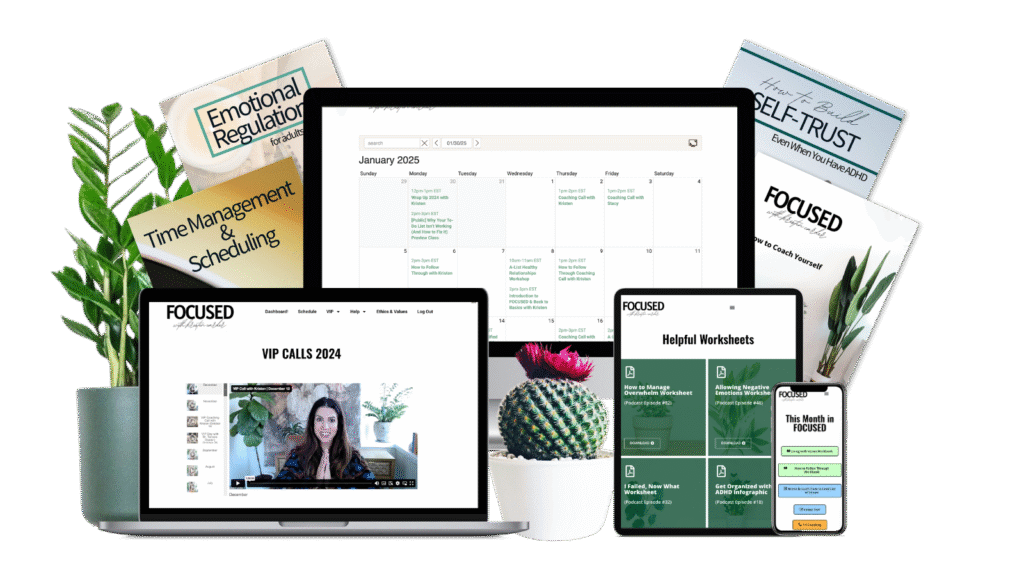
Start Thriving With FOCUSED.

A proven coaching program designed specifically for adults with ADHD who want to gain clarity, build confidence, and take control of their lives.

Join a community of hundreds of ADHDers

Learning About My Brain...

Changed Everything

Hi, I’m Kristen Carder—ADHD expert, podcast host, and certified coach who’s been exactly where you are. Diagnosed at 21, I spent years cycling through planners, courses, and systems that never quite worked. Everything changed when I discovered the power of understanding my ADHD brain and the transformative impact of community support.

Now, after 15+ years of research and experience, I’ve helped thousands of adults with ADHD thrive. I’m here to show you how understanding your brain can transform your life, just like it did for mine.

ADHD Tips That Actually Make Sense

Follow @i.have.adhd.podcast and join our Instagram community for daily strategies, relatable content, and real talk about ADHD