

Podcast Episode #117: Slow and Steady (gross, I know)

Listen or Watch this episode on:

About This Episode

If I add “gross, I know” to the title, does it make this episode more palatable to you?! Today I talk to my client Sacha about his journey going SLOWLY on his self-development work. Of course we ADHDers prefer to go fast, but what if that impatience actually doesn’t serve us? Today we’re going to inspire you to slow down and look for little wins along the way!

Hang out with me on Instagram @i.have.adhd.podcast

[www.ihaveadhd.com](https://ihaveadhd.com) for more resources

See Privacy Policy at [https://art19.com/privacy](https://art19.com/privacy) and California Privacy Notice at [https://art19.com/privacy#do-not-sell-my-info](https://art19.com/privacy#do-not-sell-my-info).

Episode Transcript

This episode is sponsored by CURE Hydration. All right, I’m going to be real with you. Drinking water is boring. My ADHD brain is like, wait, we have to do this again? Like every day, multiple times. What in the world? And because I’m running from meetings to coaching calls to kid chaos, staying hydrated is not something I’m naturally good at. It’s not something I naturally think about. That’s why I’ve been obsessed with Cure hydration packs lately. Cure is a plant based hydrating electrolyte mix with no added sugar, only 25 calories, and it actually tastes good. The watermelon and berry pomegranate have been on repeat for me. I’m actually like really running low on those flavors, which is so sad. They’re refreshing without being too sweet or artificial. It feels like my water finally has a little bit of personality, which I enjoy. I really do. What I love most is that CURE uses a science backed formula that hydrates as effectively as an IV drip. So when I’m scrambling through my day forgetting my water again, CURE helps me to catch up fast. I throw a few packs in my bag and it makes drinking enough water simple. Which for my ADHD brain is basically a miracle. So staying hydrated isn’t just about water. You also need electrolytes. And that’s why I love cure. It’s clean, tastes great, and it actually works. And bonus, CURE is FSA HSA approved so you can use those funds to stay hydrated. The smart way for I have ADHD Podcast listeners, you can get 20% off your first order@curehydration.com I have ADHD with the code I have ADHD and if you get a post purchase survey, make sure to tell them that you heard about CURE right here on the podcast. It really does help to support the show. Don’t just drink more water, upgrade it with Cure. VRBO helps you swap gift wrap time for quality time. Go to VRBO now and book a last minute week long stay and save over $390 this holiday season. Book your next vacation rental home on VRBO. Average savings $396. Select homes only. Welcome to the I have ADHD Podcast where it’s all about education, encouragement and coaching for adults with adhd. I’m your host Kristin Carter and I have adhd. Let’s chat about the frustrations, humor and challenges of adulting relationships, working and achieving with this neurodevelopmental disorder. I’ll help you understand your unique brain, unlock your potential and move from point A to Point B. Hey, what’s up? This is Kristen Carter and you’re listening to the I have essential ADHD podcast, episode number 117. I am medicated, I am caffeinated times two and I am ready to roll. Hello. How are you? How are you? I hope you are well. I hope you are holding it together. I hope you’re doing better than just okay. Just got back from a week in Indiana with my husband’s side of the family. It was great. Shout out to all of you Midwesterners. You know who you are. I am sending you so much love. It is really shocking to me the cultural and even like food choice differences, distinctives that I notice between the Midwest and the Northeast where I live. God bless all of you who call like jello and whipped cream combinations a salad. It’s fascinating to me. You’re adorable. I love you. It’s so amazing. We spent time with family, fishing and tubing and swimming and even did like an outdoor country concert thing, which I’m not a fan of country, but it was still fun to be outside sitting on picnic blankets listening to music. It was great. So thankful for family and summertime and I hope that you are too. I hope you are soaking it all up. Today’s episode. I’m really looking forward to sharing it with you. It’s a conversation that I had with my client Sasha about making slow and steady progress and here’s why I’m continually sharing my clients stories and their ADHD journeys. There is such huge value in hearing fellow ADHDers journey their stories of improvement and of success and progress. I know that like most of us are very impatient. We want change now, we want to do it now. But hearing someone else’s journey of how it’s taking a while to make changes and how having a family and little kids and you know, having a job and all of that, like you can’t just give all of your time to self development. You also have to balance out like all of the other things that are vying for your attention. Going at a sustainable pace is so important because if we don’t, then we just end up sabotaging ourselves, right? Because we’re just not willing to go slowly and so we just end up self sabotaging. I think a lot of you are going to see yourselves in Sasha’s story. He has kids, he has a job, he has hobbies, he has a wife. All of these things that are kind of clamoring for his attention and self development work is just one of those many things right and so if you’re going to add in something extra, like learning to manage your time or learning how to process your emotions or learning how to make a plan and stick to it, then doing so sustainably is what’s going to allow you to make persistent progress across time. So I’m curious if you’ve ever prioritized going slowly. My guess is you probably haven’t. That’s something that I’m working on personally with my coach and it’s something that I want to encourage you to do. If you’ve always prioritized going fast and you haven’t been able to make the changes that you want to make, why not prioritize going slow and see if that is helpful? I know you’re going to resonate so much with Sasha’s story. Please enjoy this conversation. I am really excited to chatting with you, looking forward to get to know you because it is so funny. You have been in focus six months. I haven’t seen your face. It is so nice to see your face. I love it. I want to hear all about your family, your story. I think so many of us feel this urgency to change so quickly and I love how you are embracing, like, slow, inconsistent change. Yeah. And that’s been, that’s been hard for me, as you can imagine, and is probably the case for so many. Like, I almost feel in, you know, scheduling this time with you and chatting today, like, I almost feel like ashamed that I haven’t made more progress even in the, you know, few weeks since I submitted that pitch. But I think that that’s probably the case for a lot of people, you know, that having those feelings and struggling with the slowness of it. But I think that’s kind of just reality, right? With people having so many things on the go and trying to juggle so many different priorities that, you know, there’s only so much time for self improvement. And it’s a matter of just committing to doing what you reasonably and realistically can. I mean, it’s not, not always great and it’s not always a lot. But, you know, committing to trying your best, I think is. Is an important concept. What was your brain telling you that you should be doing like in the last couple weeks as if you should have been making progress from the time you submitted to the time that we chat more so that I just. You’re starting with the tough questions already. Self reflect. Listen, she doesn’t mess around. We’re just going to get right to it. But that’s what’s great about you. I Think I just, I’m a little bit nervous to be having this conversation, to be quite frank, and want, you know, I think part of me wants to, you know, demonstrate that I’ve. That I’ve made progress and be accepted and. But again, you know, going back to some, that’s not always, not always possible and not always the case. Just lots of thoughts. Totally. It’s so interesting you say that again. Like, I can’t help but just go to the deep stuff because you’re like, if I demonstrate progress, then I’ll be accepted. Right. And I think that that’s how we all kind of approach life. Like, I need to show that I’m doing this thing so that I can kind of either fit in or be worthy of the investment. I think there’s a lot of thoughts about that, like, whether it’s focused or anything else. Right. Like, I need to prove that this is a worthy investment. And so I have to, like, do XYZ in order to, like, justify spending the money on myself or, like, spending the time on myself. Yeah, yeah, that’s. That’s part of it. I, I. Even though I feel like I’ve only. I’ve been in focus for six plus months and I feel like my progress has been slow. Yeah. And that I, you know, could be doing more or should be doing more, I take a lot of comfort and reassurance in, in, in knowing that I have access to the resources and the group and the opportunities when the time comes that I feel like I want or need to access. And so just that in itself is, is powerful in a way, whether or not I’m, you know, I’m, I’m super diligent in, you know, joining all the calls or grabbing the workbooks as soon as they’re ready. That’s, you know, that’s, that’s a whole other story. But just knowing that they’re there, you know, is, Makes me feel good about the fact that I’ve taken the steps to have access to those. Like, yeah, I love that and I relate to that so much because I think what we do is we say if I have access, then I need to be utilizing it. Whereas for me, with the support that I’ve put in place for myself, it’s like, I know it’s there, and I do use it when I’m spiraling. Like, I do go there when I’m, like, in the dark place. It’s always available for me or to me when I need it. But there are times when I’m like, I’m Flying high. I’m doing great. Like, and in those times, I think we kind of can use that against ourselves. Right? Like, I’m doing well. I don’t feel that I need the support right this second. And then we kind of like, use that against ourselves. Like, oh, well, you should be. Or like, if you were really committed, you would be doing it. It’s like, oh, my word, our brains are just so tricky. Yeah, yeah. Like, oh, I’m having, I’m having a good day or a good week or a good half a day. Like, I got this. I’m fixed, I’m good. It’s not a problem. I cracked the code, it’s over. No, I would say to my husband, like, I’ve turned over a new leaf. And he’s like, have you? Like, come on. Like, what if there are no new leaves to turn over? What if there’s just like this like, slow and steady, messy, really ugly progress that we just make as humans? So I’m curious, like, tell me a little bit about yourself. I don’t really know you, so, like, yeah, you don’t like, like, tell me a little bit about your diagnosis. Like, tell me the thing. Yeah. Oh, gosh. So like I said, live in, live in Canada, in Toronto. Sort of born and raised here. So like a city, city guy my whole life that’s been sort of my experience. I am married with two young kids, so I’ve been with my, been with my wife for, for about 15 years, married for close to seven and we have two, two young boys. They’re two years apart, almost five and almost three. So very, very busy and frankly chaotic household, as I’m sure you can imagine. But they’re both, my boys are both like super smart and energetic and like so much fun and bring, and bring so much joy to our lives. My partner is, we’re in a very fortunate position where she’s at home, you know, taking the lead on, on child care. Our older boy did his junior kindergarten, it’s called here. I don’t know if it’s the same elsewhere, but junior kindergarten his first school year, and it was, he was virtual the whole time. So imagine a four year old on a little laptop, six hours a day. So it was, yeah, it was a real challenge, but my wife was super duper in sort of, you know, overseeing that and helping him through it and while also taking care of the younger boy so that I’m able to do my work. And I’m fortunately in a position where I’m able to work remotely for the most Part so a job that gives me that good fortune. So I work in nonprofit, so I’m sort of a fundraiser. So work for a charity that focuses on alleviating hunger and poverty in this city. So really sort of fulfilling but demanding job, but something that I’m very passionate about. I’ve been in sort of the fundraising world at a few different organizations for the better part of my professional career. So for the. For like 15 years I’m working at various charities and so that kind of capacity. So really great. In terms of my diagnosis, probably going to be a bit of a cliche or something that you hear a lot within the community. Diagnosed as an adult in my, I guess would have been in my early 30s, maybe like five or six years ago. And it was not, not so much of an aha moment, but of like an oh, of course all of the, like, all of the signs were there. When I think back to like my childhood and my report cards and the feedback that I would get from my teachers, you know, really smart, like, needs to focus. Yeah. Like, like his work is great when he does it. Right. Like really? Yeah, like just like the constant stuff, like procrastinator, didn’t like to do my. Didn’t like to do my homework, would get like, like hyper obsessed with certain things and then, and then drop them and find. Move on to the next thing to just like to you know, stimulate my brain in the way that I needed. So, you know, as a result of that, I, I think I. I have a pretty interesting and broad variety of things that I’ve. That I’m into just because I’ve, you know, explored lots of things. So I think that’s. That served me well over the years. Totally. It’s allowed me to have a lot to talk about and get to relate to all kinds of different people and personalities that have varying interests and passions, but which I think has become a big part of my personality and being able to just get along with everybody. So I’ve always been able to develop nice relationships with like with co workers and fit in nicely with different, different groups and things like that in the various schools and, and workplaces that I’ve been involved in. Why did you bother to seek a diagnosis? Like, how did that even come about? So you’re like third early 30s or mid-30s at the time? Yeah, right now I’m like 36. So this would have been probably 2015, so probably like five or six years ago. So yeah, I would have been like 30, 31, I think throughout my whole life. I, I Always had this sense that my brain was different in some way, that things like I felt like I was always overthinking and like hyper analyzing and super introspective and just things seemed like I didn’t have any verifiable proof of this, but it just felt like everything was hard, everything was difficult and just talking to people or social interactions, I was able to do them and get through them, but it almost felt like they just took so much out of me. And then when I moved into sort of, you know, my career and began advancing through my career, taking on more responsibility and more accountability and managing people and having more, more, you know, just bigger projects, more on my plate, managing, you know, a relationship that turned into a marriage, et cetera, I think it sort of exacerbated or exposed further, you know, those issues or feelings that I had always been dealing with. And I don’t know if there was a specific tipping point that necessarily led me to do it, but it’s, or maybe it was me just hearing about or reading about adult ADHD and then going down my hyper focus pathway into that and learning more and I was able to find. And so maybe my, my hyper focus was a, was a godsend at that time. But anyway, it led me to find some, you know, research some clinics in my city that specialized in, in adhd, particularly for adults. And so I, I was able to get connected to a really, a really good clinic in Toronto and go through a pretty intensive sort of interview process. Yeah, like, I think it was three different interviews that I went through where they, you know, asked me about my childhood and you know, had me share report cards and talk about, you know, my own feelings and how I feel. Others interpret me and like all, you know, the whole, the whole range of questions and again, not so much an aha, but like, and of course because it was like slam dunk, like, like right down the, right down the middle, like adult ADHD diagnosis. And so I was able to, to get prescribed some medication that I’ve been, that I’ve been using since then. We did a bit of dabbling with the, you know, dosage and things like that, but I think we found a good spot. And it’s. Yeah, that’s sort of, that’s sort of my journey. And then it’s definitely, the meds have definitely helped me, but I think that they’re just one piece of the puzzle and focus has been an opportunity to sort of find another really important piece. I still think I need to put them all together, but the pieces Are there. At what point did you kind of like realize medication is great, but it’s not going to be the only thing that I lean on? Like, was there kind of an aha moment there, or did you always have that perspective? I don’t know if I’ve thought about this before. I think that I kind of. What I noticed initially about the medication was that it. It allowed me to retain my focus or my. Or my. My interest or my attention or whatever, however you want to call it. When I had it, like when I. When I was. It was when I was able to find the focus, find the. Find the attention, find the interest. But it, but it didn’t. But if, but if there was something else going on in my mind that was distracting me or I was feeling a lot of feelings or competing priorities or overwhelm. Like, the medication doesn’t do anything for me, really. I have to find the focus and then it helps me keep it. And so, yeah, it’s not a sort of a silver bullet solution. So I. I don’t think I was actively seeking other things, but I stumbled upon your podcast at some point, probably maybe a year ago or something. I don’t remember. Time is all a blur. And. And it was really. It really was fascinating to me. And it was really the first time I ever thought about, like, the idea of adding, like, structure or support or what do you call it, like, scaffolding into my life to help. To help me build myself up. Yeah. And then so the podcast in its own was. On its own was. Was really interesting, but I was like, I think. I think there’s something deeper here. Like, I think there’s. There’s more. So when. When I realized that there was actually a coaching program and group, I. At the end of 2020, I kind of. I signed up as almost like a little end of year Christmas present to myself for the coming year. And even though I knew that it was going to be a battle to like, find time to prioritize adding a whole other thing into my life, I wanted to just make the commitment to do it and give myself a chance and give myself access to things that I know will be able to improve my life and make me a better version of myself. I just think you said that so beautifully. Give myself a chance. That really struck me because I feel that so many of us don’t believe we deserve a chance. We, like, talk ourselves out of support. Whether it’s, you know, focused or whatever the case may be, we feel that we deserve punishment. You know, like. Well, I’VE had chances in the past and I blew it, or I’ve, you know, I’ve squandered, you know, quote unquote, the resources that I’ve had. And so I don’t deserve a chance. Did it take you a minute to get to the place where you were willing to give yourself a chance? Or was that like a struggle for you? Or was that just kind of. Did you do that pretty naturally? That’s it. You ask such great questions that force me to think about things I’ve never thought about. I, I don’t. I don’t know if I have an answer that specifically addresses that, like, addresses that. But I, I think I’ve always really. One, One thought that’s kind of always existed in my mind is that there’s a better version of me that’s, that’s out there, that’s. That’s within reach, and, And. And that I, I would like to aspire to, to be. Or be closer to. But it’s kind of always eluded me for whatever reason. And I think the reason is probably my own brain, as I’ve learned, not external factors, because everybody has those external factors. So, yeah, I’ve always really sort of acknowledged that there’s a better version of me that I want to aspire to and that this, you know, when this opportunity came about, it seemed like a possible pathway to getting there. And now it’s there in front of me and I need to do a better. I think I need. There’s. I have work to do in order to get there, but the path is there. I love watching you catch yourself. I caught myself hard just now. Yeah, you really did. Because what you just did is such a perfect example of what we all do, especially those of us who haven’t begun the work of managing our minds. We’re like, I need to do better. I should be doing it differently. What do you think? I have thoughts. So if you’re like, this is not something I’ve thought of, but, like, I’m happy to give my thoughts, but what do you think the. Is the effect of the word should? The word should is. I haven’t thought about this, but. But now I’m thinking about this on the fly. It’s a little bit loaded and, and there. And it, you know, has built in pressure and expectations that that’s maybe not reasonable or, or realistic, because what is. What is should? Like, who decides should? So perfect, it seems. So is existential the right word? I don’t really know, but. But, like, what is should right? It’s like, I can picture 10 years ago me rolling her eyes at that question, like, whatever. Now I don’t have time for this crap. Right? But like, but like, really, like, if we could just pause and ask ourselves every time we tell ourselves, should we should be doing something? If we could just catch that and be like, really, like, what is. Who, who decides that? What, what is this made up moral code that you are ascribing to? You know, like, and, and I’ve said this so many times, like, I am not the type of life coach that is like, oh, that like truth is relative and there’s no morality. Like, it doesn’t matter. Like, that’s not me. But we do. I’ve noticed that we do try to make our shoulds extremely moral when it’s just like, what? Like your house should be clean. As if that even matters. Right? Like, you know, you should be doing xyz. It’s like, what is that? Why do we have that? Like, where does that even. Is that childhood stuff? Is that societal? Is it parental? Is it trauma induced? And I think the answer is like, yes, like all of it. You know, and it’s our own. You know, we live in a broken world. We’re humans, we’re not perfect. And we have this like, tension inside of us knowing that like, it should be better. There’s that word, it could be better. Right. And then, I don’t know, it’s just like this mass. I feel like that we carry around with us that we’re, we’re constantly thinking it should be different than it is, it should be better than it is. It should be easier than it is. I should be. I mean, there’s so many ways to fill in the blank. Yeah. And I think one thing, one thing that belongs in that equation is the proliferation of social media and the sort of distorted lens. It sort of forces us to look at the world through and other people’s lives through which I don’t think is necessarily always healthy because it also just increases expectations when people are showing off sort of this sort of, I don’t know, exaggerated or imagined, like best version of themselves, this highly curated version version of their lives. And you start to think internally, maybe that’s, that’s just their normal life and that looks awesome. And why is my life not like that? That is such a perfect point because I didn’t even take that into account. Because what we consume, even just in little snippets throughout the day, are these, like you said, perfectly curated accounts, these professional photos that are Taken. Like, even my. You go to my Instagram, it’s like, it’s professional photos. Like, it’s a business Instagram. I’m going to have professional photos on there. Right. But it’s still like, oh, that’s what Kristen looks like. It’s like, no, that’s like hair, makeup, lighting, wardrobe, all the things. Right. Like, I’m just. It’s so interesting how even when we consume it in little snippets, it can influence our perspective on what, quote, unquote, should be happening in our own lives. Yeah, absolutely. So you mentioned that should comes with a certain amount of pressure when we feel the pressure of should. Or like, if you could reflect on your own life and maybe the work that you’ve been doing inconsistently and focused for the last six months, when you reflect on the word should and the pressure that comes from that, what do you. How do you see that playing out in your life? Like in. If we can like, kind of work down the model. So the thought would be like, I should be doing more. And you feel pressure. Does it ever lead you to an action that serves you? What I’ll say about sort of the, the dabbling I’ve done with the model is. I’ve become like, sort of the first half of it. Like, I feel like is. Is very much in my mind a lot. Like, I’m. I’ve become much more aware of. Of like, identifying when I’m feeling certain feelings and then stepping back and saying what’s. What’s the thought behind this that’s making me feel this way? Love. And. And so I find. Going back to the idea of, like, checking myself, I find myself really, like, checking myself a lot when I’m feeling big emotions and feelings and. But I’m kind of doing it. I’m kind of doing it backwards. The, The. The action has tended to be more in action. In action to this point. Yeah, and it’s a. It’s. Yeah, it’s been a. It’s been a struggle. I. I find myself, and this is probably common, like, being a perfectionist who’s also a procrastinator. And it’s this deadly combo. Shocking. I’ve never heard of such a thing. I can’t relate to this at all, honestly. I’ll get. Get back to the, to the narrative here in a second. Yeah, honestly, like reading, like, reading. Listening to the podcast and the calls and reading through the workbooks. Some of the stuff is so scary to me because it’s so on the nose and relevant to how my brain works. Even in the workbooks, when you have bold text or something, that’s like, okay, I realize this is. What I just said is. Is really big. So just like, listen, this is important. Stop, focus. It’s like, so you catch me, like, right at the perfect time when my mind is wandering or my mind gets scared. So, yeah, that makes me so happy. Yeah. So I said I’d get back the narrative. So I shall try. What I. What I try to do, and I’m not always perfect at this, is just allow myself to not be perfect. And so a motto that I’ve heard a lot and some of my mentors have used over the years is progress over perfection. And just allowing myself to just let go of some of my perfectionist tendencies in order to just get things done. And sometimes good enough is good enough. That’s not always the case. You know, it depends on what it is. But just like trying to reinforce that in my own mind that not everything has to be perfect because when you have never ending to do lists and priorities, sometimes you just have to, like, sort of plow through. Hmm. I love that. I love what you emailed in, in saying that you are developing a contentedness with slow and inconsistent progress. And I think that that is really something for us to chat about and celebrate because, you know, the ADHD brain does not move slowly. We go fast. We like it everything to be fast. And I think that’s one of our best qualities, right. If we were to point to good things about the ADHD brain, that is certainly one of them. Right. It’s like, everything is fast. A lot of times we’re processing really quickly, except for when we’re not. And then we’re totally stuck in the mud. Right? So it’s just like dichotomy, but whatever. And we also, at least for me, and I wonder if you relate to this, feel a sense of urgency, feel that like this, like it has to be done. It has to be done. Now, I think that that is one of the things that helps me serve my clients really well. And with my business, like, I get things done really quickly because of that urgency. So I. I think it can be really, really good. But of course, there’s that shadow side of it, that darker side that’s like, when I’m feeling that urgency to make progress quickly, I hold myself to a standard that there’s. I can’t meet it. So one of the things I’m prioritizing in my business is slow and sustainable growth. And that is so counterintuitive to the way that I would normally live my life and have lived my life for the last 40 years. Right. So like in the last six months only have I been thinking, no, no, no, I’m in this for the long haul. I want to grow slowly and I want to grow sustainably. And I had to go like, find a different coach and I did like all the things had to change because there’s so much hustle and I’m attracted to it. I’m like, yes, right. Like I’m naturally attracted to people who want to hustle, but finding someone to help me be grounded and notice slow and consistent, not okay, persistent sustainable growth has been. It’s relieved me in a way that I’ve never experienced. And so to be able to chat with you about like the idea of slow and sustainable growth in focused or whatever it is that we adhders are using for self development, there’s really something to be said for that. Yeah. And I fully agree with you that it is almost counterintuitive to how our brains work. We talked about getting hyper focused with different activities or things and just diving straight in. But for something like this, I think that especially at sort of the stage that I am where I am in my life with competing priorities, with a demanding job and a young family and you know, you know, trying to also maintain friendships and with my own, with my own, you know, broader family and having time for me and my own hobbies and passions. Like, I think it’s important to just be realistic with ourselves and, and you know, allow ourselves to be okay with, you know, whatever, whatever time commitment we’re able to put into, you know, this journey. And maybe slow and steady and persistent over consistent is maybe the only way to go and just roll with that and make the improvements that you can at the pace that you’re able to and try not to beat yourself up, I guess, over the pace at which you’re doing it. And again to your point, counterintuitive and hard to wrap your head around, but something that’s important and I think important to remind yourself. Yeah, I think that that is so beautiful because we can prioritize the slow and steady. But then, so the first couple months that I was prioritizing slow and steady in my business, I was then beating myself up about the outcome of that. Right. So like, well, my, my revenue is not increasing the way that I wanted it to. It’s like, yeah, because you’re, you’re like prioritizing slow and steady. Right. It’s like it’s really hard so like, it’s like a nice thought. It’s like, oh, yes, it’s great, let’s prioritize sustainable growth, like Kumbaya. But then actually that has an effect, right? It’s like, oh, but wait, this is happening slower than I thought. And it’s like, yeah, duh, like we’re prioritizing. So it’s like, wait, what is happening? And I think to your point, like not beating ourselves up, like, gosh, that is hard. So hard. It is so hard because we’re so used to just believing. No, it’s a fact that I should be going faster. It’s a fact that I’m doing it wrong. It’s a fact that I should be doing it differently. It’s just a fact. Like, and it’s so interesting when I talk to you guys, like in focused, a lot of times the conversation will start off with someone just like reporting the news. Like, yeah, I’m like terrible at time management. And it’s just like, these are not facts. These are stories that we tell ourselves about ourselves. And are they useful? Like, is it helpful? Probably not, right? Like there are some facts, of course, but like, it’s not just a fact that I should be going faster. That’s just a made up thing where I’m setting a rule for myself and then beating myself up when I don’t reach that rule or that goal or whatever. Yeah, Wild. Like my, my brain is exploding right now. So many thoughts and it’s so funny. Trying to balance. Yeah, trying to balance. Like you’re thinking like slow, steady sustainability, sustainable. And like that’s, that’s great for your, for your own journey and, and your own life and your own personal growth. But then when you, when you factor in like, you know, work commitments and deadlines and pressures, it’s like how to, how do you reconcile. Yeah, slow and steady versus like fast paced stuff coming at you that you don’t have the luxury of, of, you know, going slowly on necessarily. So the external pressure still exists. And how do they coexist with the way that you want to approach your own growth? That was a good word. How do they coexist with the way that you want to approach your own growth? These are questions. Exploding now too. My brain’s exploding now too, my dude. Like, that’s good. That’s really good because you’re right. Like I think that it’s not like we can just move into our lives and be like, oh no, no, I’m just gonna go slow now. While the things that are just chaotic and spiraling around us. I think it’s more of things are chaotic, and I’m existing within that, and I’m also going to be developing myself, but it’s not going to be super fast, right? So it’s like, I’m still going here, but I’m not going to, like, do a time management workbook and then all of a sudden be amazing at time management. It’s like, this is just one little step in the direction of improvement. And here’s the key. I think if we believe that over time, we will change and we will get to the point where we are kind of like the masters of our own destiny, and we’re kind of like the humans that we always wanted to become, right? If we believe that that is available to us, then there’s no major rush to get there. So let’s put it in terms of business, because I think that that’s like a less triggering and just easier way for me to explain it. Like, if I believe that, for example, a $10 million business is inevitable, it’s happening. There’s no, like, I have to do this now. I have to, like, I have to, like, this one thing has to be amazing. I have to do this thing really quickly, and I have to launch here. It’s just like, it’s fine. Like, it’s all happening. Let’s just, like, chill. Like, take a chill pill, right? Because it’s inevitable. If I knew, like, in 20 years, you’d have a $10 million business, great, it’s happening. I don’t need it to happen tomorrow. I’m convinced that it’s happening. I think what we do to ourselves is we’re not sure. We’re not. We don’t really believe that we can make. Make those changes. And so we are like, it has to happen now, and I have to do it now instead of like, no, no, it’s happening. And it can go slowly and sustainably, and that’s okay. Yeah. Yeah. And I thought that that just reminds me of, you know, what I was talking about earlier, and just sort of knowing that the resources are there for me, knowing that the connection and the support structures are there for me when I. When I. When I need them or I want them or I feel that I need them is reassuring. And it. And the idea that, like, the. That the pathways in front of me, it’s taking those steps and those might. Those might be slow. Can I ask you a question? Always. Is that allowed? Yeah, go for it. One. One other. One other sort of thing in my brain That I think has been a bit of a roadblocker barrier for me, committing more to doing the work through focused. And again, like, it’s okay that it’s slow and steady and consistent, but I still do want to do better and take meaningful steps. Is that I’m. It’s. It’s. I almost have this battle in my. In my brain between wanting to. To be. Be better or be a better version of myself, and then, like, a fear of. Of kind of confronting my. My weaknesses or. Or the areas that I need improvement. And like, those are kind of like, butting together and. And. And causing a bit of, like, paralysis in my mind. And. And yeah, I. I don’t almost. Almost in a way, I want to be better, but I’m, like, scared of. Of being better because I don’t know what it’s. I don’t know what being the best version of myself is. Is like. And there’s almost like a fear of success in a way that. That, like, causes, I don’t know, like, self sabotage in a way. So I don’t. I don’t. That’s not really a question. But do you have. I guess. How do I turn that into a question? Is that something that you hear? Is that. Is that a common thing? Like, do you have any ideas on how. How I might be able to, you know, confront that in my mind and address it? I have so many thoughts, and you bring up something that I don’t think many people are able to verbalize. So I think there’s two things happening with that. There’s the first little bit of it, which is like, I’m. I’m fearful of the parts of me that I would need to confront in order to kind of move through the work. And I put that in quotes. Like, that can look different for all of us, but, like, the work of, like, self development, like, in order to get from point A to point B, there is kind of this, like, treacherous pathway of sorts, you know, and even though. Even though we’re supported by the community and even though we’re being held by our coaches, it’s still the work that only we can do. I’ve heard it described, and I love this concept as, like, the river of misery, so. And, like, it does feel that way. Like, I’m standing on the bank on one side of the river, and on the other side of the river is this, like, freedom maybe, that, you know, I’ve never known before. But to get to that bank, I need to wade through the river, and in that river, there’s there’s stuff that I’m gonna, that’s gonna come up, right? There’s gonna be big feelings, there’s gonna be looking at my weaknesses with honesty, you know, And I think that what most of us are afraid of is the way that we will feel because we are not used to being safe with ourselves because of the years and years and years that we’ve spent beating ourselves up and assaulting ourselves. It’s not. Most of us haven’t created a safe place for ourselves. Right. And so when the thought of like confronting some of the, the failures that I’ve had, when that is presented in front of me and I haven’t learned how to treat myself with kindness, it’s not safe for me to look at that with honesty. It’s not safe for me to look at my, you know, maybe my time management weaknesses and be like, yeah, like we’ve got some real blunders happening here. Remember that time that you, like, forgot that appointment and that really important thing, like so much of that needs to be healed, but we haven’t developed a safety within us to like, foster that healing that resonate. Yeah, yeah, for sure. I think it just the idea of, of being, being, being honest with yourself or with myself and allowing myself to just feel, feel those feelings and just confront them and live with them. Yeah. It’s almost like going back to your river of misery. Yeah. It’s like it’s. The other side’s better, but in order to. For it’s going to get worse before it gets better and feeling like you’re not equipped, equipped to handle it getting any worse. Yeah. So you, you avoid. And that’s. And then you’re, you’re the barrier between your current self and, and your better self or the other side of that river. Right. 100%. And so I think what many people do is kind of dip their toe in the river and they’re like, okay, that feels terrible. Right. And I think that for those that kind of like dabble in self development or in therapy or in focused, it’s like you dip your toe in, you’re like, this feels terrible. And then it’s like I’m out. Like, it’s a no. And I think developing a willingness to feel, developing a willingness to just expand within us, like the capacity to feel emotion, like so many of us don’t have that because the way at least that I was conditioned was like, emotion is irrelevant. Bad emotions are bad. Right. Like, uncomfortable emotions are bad. Let’s just dissociate from that and Pretend they don’t exist. And now developing that capacity, that willingness to expand and to be like, okay. I like, yes, it’s going to feel terrible and I’m going to be okay because actually an emotion has never physically that has never like killed me. Right. Like I actually do have the capacity to feel those things. And I think this, like the little known fact is once we really do process that emotion, it doesn’t come up, up so acutely and in such a raw way, but because we just like dip our toe in, ouch, it hurts. And then like avoid. We’re getting that acute pain over and over rather than like processing it and moving beyond it. I love that. Yeah, yeah, that’s, that’s, that’s, that’s hitting home and that’s, that’s now floating around in my brain. Brain. Okay, so then the second factor here, which not many people really understand is that better version of ourselves is totally scary. And there is a huge aspect of like success intolerance that we feel face and that as we begin to do the work and make shifts for the, for the better, you know, whatever that might look like for us. Yeah, it’s like this cognitive dissonance where our brains are like, excuse me, this is not who we are. What are you doing? We’re not someone who shows up on time. And so, so it’s this huge identity shift, right? So like we get really excited like, oh my gosh, I was at, I got to work on time all week this week. And then, and then we just like for some reason, quote unquote, like, I don’t know what happened, but now I’m just back to my old self. It’s because we haven’t made the identity shift of no, I am now just a person. I identify as the person who shows up on time or I identify as the person who follows through. We tell ourselves like, oh, I made this progress, but I’m not actually that person. Right. Like I’m just, I’ve been, I’ve done a good job of pretending this week. Yes, exactly. And so there’s this identity shift where we, and it’s all self concept work, right? Like I now identify as the type of like I am the person who shows up on time. I am the person who focuses, follows through like what? And so like questions that I would ask myself. And I do this now, like I just pretend that I’m a seven figure earner and I’ve like literally convinced myself that I am. I’m not, but like, I’m like, this is what it feels to be a seven figure earner. And this is what like what would a seven figure earner do? And like I am just living as a seven figure earner because I’m trying to shift my brain into. I’m not, not that person who couldn’t pay her basic bills like I was 10 years ago. Like can’t fill the oil tank to heat my house for the winter, so I have to call my parents to be like, can we borrow money? Right? Like that literally was my life. So that felt very comfortable. That’s what I knew. I like I didn’t grow up in a family with money. I never identified as having money. I married a pastor who doesn’t make any money. Right? Like all of that, right. Like it’s this like self fulfilling prophecy and self perpetuating identity and then shifting into like I’m a seven figure earner. I’m a seven figure earner. That that’s like what my brain wants to freak out. But now I’ve done so much work where it’s like, this is just who I am and the results are going to catch up eventually. Right? Like eventually I will be a seven figure earner. But right now I just like this is just who I am. And so that success intolerance of like who is that person? Who, what is that going to be? Like the, the key to it is becoming that person. Now I am that person. Right. Okay. So like, like identifying like what their, you know, that that better version’s characteristics are or what their tendencies are or how they approach things or like trying to like what, what would, what would that person do or that version version of me do? Yeah, sort of like emulating that or trying to. Yeah, almost like a, to super duper simplify it. Like almost like a fake it till you make it kind of. Yeah, it’s like not even faking it because it’s not, it’s like feel it till you make it, not fake it till you make it. Okay, does that make sense? So like feeling like when I’m the person, like whatever it is, that’s like your gold standard. Like when I am the person who does xyz, how am I gonna feel? And then feeling that now? Right. And so it’s not like faking it, it’s feeling it. I was trying to like distill it down to like, yes, I wanna, I wanna find one for it. Like maybe like dress for the job you want. Yes, something like that. And really I was going to say it is like putting on the costume. Yeah. But like, also believing. It’s like putting on the super woman costume and then believing that I’m her. So not just putting it on and telling myself, you’re superwoman, you’re Superwoman, but putting it on and being like, oh my gosh, like, this is it. But do you know what? I do? And I’ve said this a couple times. Like, I’ll sit at the dinner table and everyone is fighting and my kids aren’t eating and I’m hating my life in that moment. Oh, this is all so real. I love it. It’s so juicy. And in that moment, I also tell myself this is what it feels like to be a seven figure earner. Because there is that other 50% where it’s like, life doesn’t just get. You don’t get to escape reality. Right. Like, this is also what it feels like to be that person where everyone’s fighting and like, I’m just like, so annoyed. I’m just like counting down the hours until I’m quote, unquote free. Like, you know. Right. I’m being that person then too, because I don’t want to fool myself into thinking everything’s going to be amazing. I’m not going to have any problems. I’m going to. It’s going to be perfect. Yeah. I love that. So that seems like such a, I don’t know, like realistic and honest and like, measured approach toward that. That idea, like, being realistic about it. I just want to say that it’s, I believe it’s admirable and you’re going to probably feel weird about this, but I think it’s so admirable that you are noticing there is a, there’s a barrier. And I’m the barrier. Yeah. There is a fear of, like, who that person might be. Like, that’s really admirable because I think that a lot of us tell ourselves other things are the barriers. And I think we tell ourselves, I’m not afraid of success, I’m not afraid of getting there. I’m not afraid of, like, I want to get there. But the reality is, once we start to create results for ourselves, seeing the power that we really do have, it is freaking scary. Yeah. Yeah. And, and don’t get me wrong, like, I have told myself lots of times that it’s, you know, external things like, oh, once this, once this thing’s done, it’ll be, things will get better. Or once the kids are, are a certain age, it’ll be better. Or like, once we’re out of the winter and the weather’s nice. I’ll feel better and everything will be better. Or once this Covid is done, it’ll be better. But, but. And I’m sure that I’ll always try to tell myself those types of things because in a way, some of those things are true. But you know, I’ve, I think I’ve acknowledged that, that the answer lives within me. And, and it, it is a yucky and scary feeling because. Because it means I’m the one who’s accountable and I’m the one that has to do the work and it’s not going to happen for me. And yeah, that’s, it’s scary and in itself kind of overwhelming. Especially when you’re like, you know, worried about home life and work life and all these other things. You’re like, okay, so now I have all this extra work that I should do or that I need to do in a order to get better. And that in itself is scary, but in a way it is empowering too. Just knowing that you hold the key. Right? Yeah. Yeah. And I love the belief that I have that like I’m just one thought away from a result. I tell myself that a lot. I’m just one thought away because I think a lot of us feel really, really far away from that version of ourselves that we’re evolving into. And I think that if we can close the gap, that’s a gift that we can give to ourselves. So it’s not like, sure, there’s work to be done, but I’m just one thought away from feeling amazing and doing the thing. I’m just one thought away from being obsessively in love with my spouse. I’m just one thought away from like enjoying this moment with my kids. Like, it’s not. I don’t have to sit down for a whole self coaching practice. Just one little shift, some awareness of like where I am now. And then one little shift of like, oh no, like these are my people and I am obsessed with them. Like sometimes that’s just like enough to, to do that and make that connection with that future version. I think most of us are not that far away from that future version of ourselves. We tell ourselves the gap is huge, but I don’t think it’s that far. Yeah, I love that idea, you know, or one, one thought away from a result. It’s almost our brains like, to move fast. Not almost like comes off as like a hack or something. Yes, totally fast track. But like, yeah, the work is still there. But, but the idea that we’re just one thought away from a result. I don’t know that that almost feels empowering in it makes it seem just much, much more attainable in a way. 100%. I think that you are so right because of course we bring all of these, like, preconceived notions into self development and we’re like, I need to watch every video or I need to listen to every call or I need to do every workbook. I need to set time aside. And like, there’s times for that. But what if you just did that once a month? What if once a month you’re like, this is my time. And then, you know, kind of here and there you’re like, I’m one thought away. I’m one thought away. I’m one thought away. I. That feels much more sustainable for me. Yeah, yeah, I agree. I think it just goes like, just going back to the, like slow and steady and realistic. I love it. Thank you so much. Thank you. If you’re being treated for your adhd, but you still don’t feel like you’re reaching your potential, you’ve got to join Focused. It’s my monthly coaching membership where I teach you how to tame your wild thoughts and create the life that you’ve always wanted. No matter what season of life you’re in or where you are in the world, Focused is for you. All materials and call recordings are stored in the site for you to access at your convenience. Go to IHOP. Have ADHD.com focused for all the info.

Related Episodes

Kristen Carder

Episode 418: Tired of Feeling Tired? How to Rest When You Have ADHD

Kristen Carder

Episode #416: ADHD and Money: In This Economy?!

Lindsay Gibson

Episode #414 Good Enough Parenting: What NOT to Do (with Dr. Lindsay Gibson)

Stop Struggling Alone.
Start Thriving With FOCUSED.

A proven coaching program designed specifically for adults with ADHD who want to gain clarity, build confidence, and take control of their lives.

Join a community of hundreds of ADHDers

Learning About My Brain...

Changed Everything

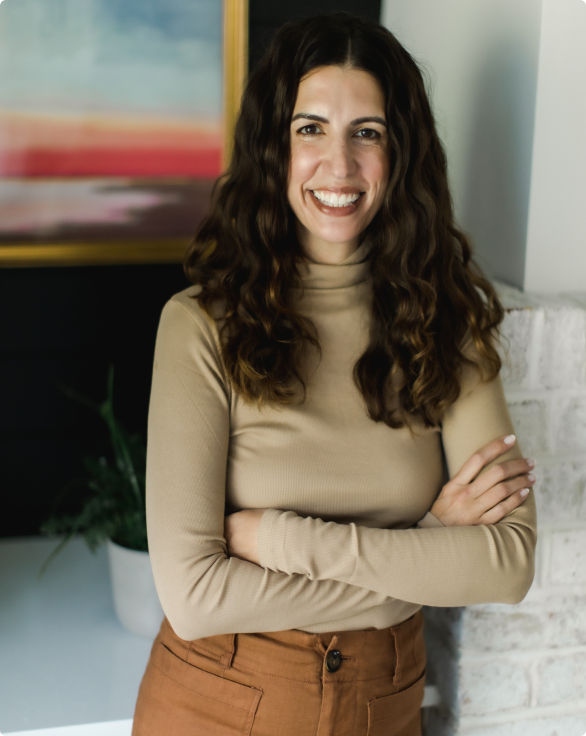
Hi, I’m Kristen Carder—ADHD expert, podcast host, and certified coach who’s been exactly where you are. Diagnosed at 21, I spent years cycling through planners, courses, and systems that never quite worked. Everything changed when I discovered the power of understanding my ADHD brain and the transformative impact of community support.

Now, after 15+ years of research and experience, I’ve helped thousands of adults with ADHD thrive. I’m here to show you how understanding your brain can transform your life, just like it did for mine.

ADHD Tips That Actually Make Sense

Follow @i.have.adhd.podcast and join our Instagram community for daily strategies, relatable content, and real talk about ADHD