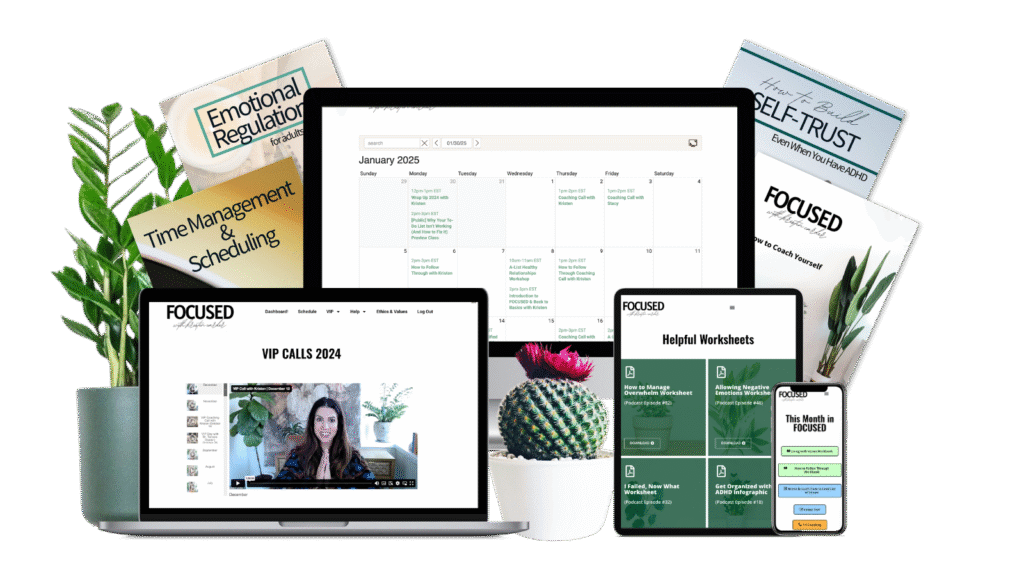


This episode is sponsored by Cure Hydration. You know that moment for me, it’s around like 2 or 3pm when my ADHD brain just decides, we’re done for the day. We’re done here. The afternoon slump hits, the lights go off upstairs and suddenly answering an email or doing basically anything feels like climbing a mountain. That’s when I reach for Cure Energy. It’s a clean plant based energy drink mix made with 100 milligrams of natural caffeine and electrolytes. So I get the focus and hydration boost I need without jitters, without a crash and without that like I drink battery acid vi that some of the energy drinks have. The peach tea and acai berry flavors are my current go tos. Crisp, refreshing and they don’t taste fake, y’. All. They don’t taste fake. I’ll drink one before recording a session or when I need to get help through like that afternoon drag. And honestly, I. I drink it anytime. My brain just needs to cooperate. What’s wild is that Cure Energy is only 25 calories and has zero added sugar. It actually helps me stay hydrated while giving me energy. Okay, I love coffee, but coffee could never. Staying hydrated isn’t just about water. You also need electrolytes. And that’s why I love CUR Cure. It’s clean, it tastes great and it actually works. And remember, Cure is FSA HSA approved, which is amazing. You can use that money to pay for cure and for I have ADHD listeners. You can get 20% off your first order@curehydration.com I have ADHD with the code. I have ADHD. And if you do get a post purchase survey, make sure to tell them that you heard about Cure right here on the podcast. It really helps to support the show. Don’t just drink more, upgrade it with Cure. All of the tips and tricks and strategies, those are googleable. We all already know them. That’s not the hard part. The hard part is how do I get past the shame? How do I get past this self judgment? How do I get past like feeling like a failure? That’s the actual hard part. Not like what’s the best planner or what’s the best way to organize my pantry. It’s like, okay, like you could go watch a YouTube video on that. But like the real conversation is why can’t I get myself to like put my stuff out there? Because I’m so afraid, right? Like how can I tolerate this fear? How can I manage overwhelm? Like all of those big Emotions that I think most of us women were never taught to handle. Yeah, you’re one of the few people who really, you know, addresses that outside of a few therapists who specialize in them with adhd. Understanding that’s just really the surface stuff. And we really wanted people to understand that because otherwise they all come in, every woman comes in, wants to be fixed, wants to get over who they are, wants to get on with it. Therapists that they go to might say they understand ADHD and it’s all about, all of a sudden, these are a different kind of person. They treat them like, okay, just make a list or just be accountable and all that, blah, blah, blah, get a calendar. And it’s so, you know, demeaning and devaluing, not just not useful. So we wanted people to understand that. I cannot wait. My like, this needs to be listened to by every single woman on the planet. I cannot wait. Welcome to the I have ADHD podcast, where it’s all about education, encouragement and coaching for adults with adhd. I’m your host, Kristen Carter, and I have adhd. Let’s chat about the frustrations, humor and challenges of adulting relationships, working and achieving with this neurodevelopmental disorder. I’ll help you understand your unique brain, unlock your potential, and move from point A to point B. Hey, what’s up? This is Kristen Carter and you are listening to the I have ADHD podcast, episode number 151. I am medicated, I am caffeinated times two, and I am ready to roll. We are continuing our series on women with ADHD today, and I am so looking forward to you hearing from my guest, Sari Solden. Sari is a psychotherapist who has counseled adults with ADHD for 34 years, which is amazing. She’s the author of the pioneering self help books Women with ADD and A Radical Guide for Women with adhd, which she co authored with Michelle Frank. And also she wrote the book Journeys Through Adulthood. She’s here with us today to lend her wisdom, her experience, and her expertise on all things womanhood and adhd. Sari, welcome. Thank you so much for being here. Well, it’s a pleasure to be with you. So looking forward to this conversation. So as we were chatting, just kind of getting set up and everything, I was already so inspired by the breadth of your work with women across the last three and a half decades. Thank you, by the way, for pioneering all of this so that I can read your book and learn and just be so, just feel so held and like there’s someone else out there who really gets it, who understands. So I just really appreciate all of the work that you’ve been doing. Thank you. It’s been very satisfying over three and a half decades, as you put it. Hard to imagine now, but it has been very healing for me as well to be able to connect to women all over the world all these years and all the women who, since the first time they read my first book, just felt the first time that you were found, someone was following me around. How did you know all that? You know, to understand that someone could actually write that down made it clear to them that they weren’t the only people that, you know, I ever heard of women with ADHD pretty much before that. It was in the early 90s so that we started talking about it even. So it was amazing for women to just to feel that, yeah, someone’s out there, they understand me and I’m not alone. I am curious about that first book. So what prompted you to write it and then what was the response back in the 90s? Yeah, well, it wasn’t until the early 90s that we had the first books on adult ADHD. And, and it was a breakthrough to understand that adults even continued to have what we were calling adhd, but it was still about. Mostly about hyperactive little boys and that they often lost their hyperactivity when they became adults. And, and we then referred to ADD without hyperactivity instead of. The way we talk about it now is ADD without. And once we understood that, we understood that there were a lot of boys that didn’t have hyperactivity. But especially then we understood that there was this whole other range of symptoms and difficulties and challenges that women had who were never hyperactive. So it wasn’t just that they lost it, they never had hyperactivity. And that was a big breakthrough. It was also at this time there’s just a few of us wrote these books about adults and we started having conferences and it was like amazing because a lot of the presenters also had adhd, a lot of the writers also had adhd, but we were all together. So it was very non hierarchical right from the beginning. And I write about it in that first book for the first conference in 93 when all the adults were together with hundreds of other adults in the same room. It was like amazing how, you know, we didn’t realize how much we were passing for normal all those years and pretending and hiding until we saw hundreds of people in the same room not hiding. You know, women just shuffling through their big purses or scribbling on themselves, you know, to remember things are interrupting and having fun and being with people, not just who shared problems with them, but who shared a certain kind of personality and strengths and vitality too. And so we had conferences with adults every year after that. You know, that’s still going on, but for years it was there. It was just, it was geared to adults, this certain organization, and not just children. I happened to be working in an agency for adults with learning disabilities. Was one in a million. It was in a counseling agency, but it focused on the emotional aspects of adults with learning disabilities. And so I was already set up working there and understanding the effects of, of these differences and difficulties on your sense of self and searching in between for all the books in the office, like what could cause all this terrible organizational problems that I have. And I was searching and reading and then they gave me a test, they sent me out for testing in order to work there. And all of a sudden I like saw this amazing split in my abilities between my verbal and my performance and my short term memory. All these things that I had no idea that I was coping with all these years because I was successful but having such struggles. I finally understood and then I started paying attention to the differences between my men clients and my women clients. Right at this time where we were understanding about adhd. And the big difference is what you had mentioned earlier when we talked was that even if they had the same difficulties, the women had such shame about these difficulties that they, they felt this was so core to their identity. These organizational problems. They were, it was affecting their, their self concept so much more than the men who often had help for these problems or if they didn’t, they didn’t care, you know, like the absent mind of professor. Maybe they cared about other gender issues, you know, like, you know, job or earning a living. But the women were much more affected by organizational problems. And that’s what I started tracking and writing down. And then when you came out with that book in 1995, you were sharing with me earlier that there was some pushback, there was some like, real awakening within the community. Talk about that a little bit. Well, it was, yeah, for anybody who’s there back then, they remember that. I mean, for the most part, everybody loved this book. The professionals loved this book. It was really well received by professionals as well as by people around the world. And it was like a really amazing feeling. And I just started presenting all over the place. But there was a, there was a group of people who will remain Nameless now who know who they are, who just who. Who were upset not just by my discussion of women, but by the intrusion of adults in general into the, you know, sacred space they had power over, you know, this realm of just parents and teachers. Now adults were sort of pushing their way in and talking. And then women, like I said before, were just for the first time connecting to each other at conferences and on the Internet. And they started. They are the ones that made this happen, that they pushed through to doctors who didn’t believe them to at first. You know, back there in 95, if we had to get like call up and see if they had Ritalin or something, people would think you were casing the joint. And it was such shame based just about getting medication. It was like awful. It was like. It was. So there was a lot of shame just in even getting treated if you could barely get treated. So. But that was like a system change. And we talked about people don’t like to change systems. And so eventually, you know, women just took over and started defining their experiences for themselves. And a lot followed after that. So. But yeah, anytime you. It was like not a accepted thing that women. I kept reading in every little article when I knew it was time to publish this book right after those first couple of books, every article would end and women have it too, but it’s different. And I said, okay. So I. They kept saying that. So I really just sort of had this amazing unusual experience where I could track this and I wrote about it and people really identified with it. That is so amazing. And what I like most about your work, I’m just going to go ahead and tell you right off the bat, is that so much of it is dedicated to the. The woman’s experience of the very big emotions of shame and what it feels like when you perceive that you failed or when you perceive that you’re being rejected. What I find in a lot of like self help, but especially self help for ADHDers, is a lot of tips and tricks. A lot of like try these three steps and like you’ll be able to plan and organize in no time, like that kind of thing. And what I believe truly would be the very most healing for all of us, especially women, is understanding the huge impact that this has had on us over the course of our lifetime and kind of like sifting through all of that emotion and all of that kind of baggage, so to speak, that we carry around with us because of the way that we’re perceived and the way that we kind of interact with the world. What are your. So thank you, by the way, for not telling me, like, how to keep an organized cat, but for really talking about, oh, gosh, you know. Oh, that’s a funny story. So when I first got the final draft back for this first book, they had written a subtitle. What did it say? Overcoming how to overcome Disorganization at Home and at Work. I went, oh, my God, I don’t have no idea how to do that. I said, take that off. And he said, well, you have 15 minutes to come up with another word instead of overcoming it. And so, really, literally. So that’s where I came up with the word embracing. Embracing your differences. The first subtitle was about embracing your differences because what else can you do? You really have to embrace it. Embrace all of who you are and accept all of who you are. But that was the original title. I said, I don’t have any idea, so I would never tell you to get organized. And my career is spent. And this book, as therapists was about untangling this conflation that women do between their difficulties with their brain and who they are as people and who they are as women. And that happens because women aren’t usually diagnosed early on because most of them don’t have hyperactivity. They don’t meet a stereotype of what we still think of as adhd. And they’re often smart or they have structure, they have support growing up. They don’t hit a wall till later. So a lot of their difficulties are masked. So they have no idea about what’s happening to them. And that’s why it’s all tangled up. And the whole goal is to, okay, that’s my brain. And those tips, tools, strategies can help in that area, but that’s not me. And that’s not what’s the most important you might have to learn. You do have to learn how to have a fulfilling, meaningful life. Even though. And even when you know your brain is still going to be your brain and it’s still going to be challenging, but that you have to find a way to walk alongside of it and not let that engulf you and separate out. It takes a long time to that from who you are as a person and move toward a meaningful and fulfilling life. And, you know, you really understand it beautifully, the way you’ve said it, that people don’t understand the deep impact that this has because you don’t understand your experience early on. And so you’re just confused about who you are and you’ve developed a really Strong negative narrative. You have great wounding from all this. And that doesn’t just disappear overnight, even with the best medication. The new gold plated calendar or planner. Do you remember the Bedazzler from the 90s, that like little tool, it was sold in like, you know, commercials and infomercials where you could like put sparkles on your denim jacket and stuff. So okay, so I often make the joke that we spend a lot of time bedazzling our calendar, bedazzling our schedule, like trying to make it pretty and all of that, which really just is time wasted. Like instead of actually doing the thing, we just want to like make it pretty and like have fun with it Anyway. That’s when you said gold plated. Oh no, that’s absolutely true. And I used to talk about it early on, you know, just because women would go before a lot of the applications online it would be, women would, there was a Franklin planner, I guess way back then, people would go through one, you know, gold plated, amazing planner after another thing. This is going to be the thing, the magic bullet. And once I conquer this, you know, then I’m going to be fine. And I can’t tell you how often, how common it is for women to wait, really wait, put their life on hold, say, I can’t, I’m not entitled to do anything else until I’m organized. And it’s such a setup because your brain is never going to really be organized. I mean, there’s a lot of radical acceptance I talk about, which means really understanding, like this is a reality, this is a difficult brain to manage. And once you accept that, then you can move on and decide what you want to do with all that other good stuff you have inside of you. But until you, you know, making that as a marker of how to measure your self work and what’s going to allow you to take the plunge and do whatever else you want to do with your life. You know, you’re going to be stuck. And like Michelle and I always say, you know, only dogs and furniture need to be fixed because women don’t want to come in. They want you to fix them. And it’s, and it’s reinforced, like you said, by everybody in your life from the beginning. And it’s very deep. And I’m so happy that you understand it so beautifully. That’s such a compliment. Thank you. It’s unusual. Well, I talked to hundreds of people over the years, thousands. And you really do have a deep understanding of it. You know what I notice is that we have so much wounding from decades of whether small or large, really what end up being traumatic experiences of like forgetting things in school, being yelled at by a teacher, not measuring up to parents expectations and then transitioning into relationships and not meeting expectations as like a mother and a wife and blah, blah. And what I see my clients doing, and I just think it’s a very human thing, is wanting to solve for, for that by being organized. Wanting to solve for that pain and that, that layers of shame by. If I could just organize my calendar, if I could just figure out how to. Everything would be fine, right? Everything would be fine. I wrote a blog about that. Yeah, it was called Brain Shame. There’s a blog, you can, you can Google it. But it was, I compared it to, you know, that same body shame that women are very familiar with. And if I could just be a size three, then everything will great and you know, versus wellness and health and you know, having a good life. It’s the same thing with this, what I call brain shame that, oh, if I could, you know, I. If I could just have this, you know, fantasy of being completely organized and everything will magically be okay. And they wait for this. So I just did a quick Google of brain shame and I’d like to give you a large compliment, which is you are the first thing that comes up. A Psychology Today article on brain shame written. I think we made it up. That’s why we made it up. It’s amazing. That’s. Yeah, and there’s also one on there too. We had a column there, Executive Function. And maybe it was called Executive Function and Radical Acceptance, but the executive function piece of this, he asked what’s so different about a woman’s experience in addition to not getting diagnosed and being wounded and having these negative messages, is this executive function that nobody understands really is the crux of what women’s lives are about even in 2022, it hasn’t changed that much. It might have changed people maybe share the work with you, but in terms of what women expect themselves to be able to do as a woman, a mother, friend, and what they want to do actually the connection they want, what they want is really hampered and impacted by executive function. So that’s the problem. The gender role expectations that women internalize and then idealize and then compare themselves to other women about there, it’s all about the executive function problems that are what makes up adhd, the memory, the logistical, the organizational, the coordination. All those things that I don’t know if women really understand and why it’s important to understand executive function, not just talk about adhd, because it’s so much more nuanced about what the actual management functions of the brain cause. Yes. And I often say, like, you know, even something as easy as like making a box of macaroni and cheese for your kids, we crack up, you know, because I have a lot of friends and colleagues and clients who are really high level, you know, professionals in the field even. And we just laugh because like, how do you make coffee again? And like, okay, now we got a Couric. And you know, how do you remember those steps? And like, we have cheat sheets all over, like, so these, we call it twice exceptional in the field. And maybe you heard of that because you were in the learning field. But a lot of women, they’re very smart on one hand or have a lot of skills, but then they’re really disabled in these other ways. And so it doesn’t make sense to them or to anybody else. And that’s where the misattributions come from. Well, how could that be possible? You know, you know, you. What’s wrong with you? It’s like, why wouldn’t you be able to do that? You know, nobody believes you when you’re smart or, you know, or successful or educated. Yep. How do you think that or what are the best ways that women can begin to kind of dismantle these beliefs? I mean, I know that it like a five minute podcast blurb isn’t going to do it, but. What? What? Well, that’s why the workbook is important, I think, is we want people to take time to really explore this and, and there’s other groups about this. And you need to be talking, listening to other women, first of all, because that forces you often to change your self image when you’re involved with other women who are telling the same difficult stories. And you can see they’re like pretty together and warm and interesting people. Then you say, and they have the same problems. It almost forces you to start to loosen up a little bit. But the basic thing is you need to start having some experiences of success. Little bits. That takes a little risk. It takes slowly moving toward the edge of your comfort zone to try something new. Because, you know, you have to change your narrative a little bit about yourself. You have to get some. When you have a bad narrative, everything that happens, you just feeds that narrative versus this idea that, okay, you need to get be around people who can see you and value you and try doing something. You know, that’s in your area of strength. It doesn’t have to be jumping right to doing a whole podcast. You know, go to a, you know, if you want to do poetry, go to a poetry reading and just listen at first or do something where you’ve always wanted to do that. You need to get something, feed yourself with some new visions of yourself to start seeing yourself differently. Because, yeah, you can get all the, all the tips, tools, and strategies in the world. And if you feel like, so ashamed and in such a box, you’re not going to be able to move into the world. I love your point about it being little experiences of success, but you made a very good point in your area of strength. And I think what so many of us women want to do is say, I want to have success with organization. I want to have success with, you know, keeping my house clean. I want to have success with the things that I’m the worst at. Right. I want to wait till I. Yeah. And they spent all their life. I mean, I’ve had terrible, you know, I mean, I had a woman once who was 75. She was a brilliant writer. She had spent seven hours a day for the last 30 years, you know, making dinner, you know, by the time she had to figure out what it was and go to the store and figure out where things were and come home and figure out where to put it and figure out how to time. And really, she just. Her life, you know, and then after a while, when she understood things, she stopped doing that and she started writing. But, but really, it can eat up your whole life, and you’re measuring yourself by what you’re bad at constantly, you know, and you, so the, the, you know, you’re feeding that narrative more and more about how bad you are and why that matters is, you know, you, you don’t have any power in relationships. You, you, you, you start withdrawing from relationships, disconnecting, hiding, pretending, apologizing over, convincing, over explaining, feeling smaller and smaller. Absolutely. And expending all of the energy that could be used on your magic, your secret sauce, your. Your strengths, expending all of that on things that, first of all, you’re not good at. Second of all, you probably don’t even like. And third, can usually be outsourced. Not all the time. And everybody is from a different economic level, but, like, a lot of these things can be outsourced, but women won’t ask. It’s the biggest problem. Women won’t ask for help. And that was interesting. The pandemic, it’s so culturally based. Beforehand I said, you know, there’s these services, people Started talking about it before the pandemic. You can order your groceries online. Oh no. What would my sister in law say? Oh no, what would people think? I can’t do that. And then as soon as this shift happened with the pandemic, everybody was ordering their groceries to be delivered. But it wasn’t because it was until the culture shifted too. So women won’t ask for help. You know, when they’re passing for normal. If they’re doing well in other people’s eyes, then the last thing they want to do is reveal that they need help. So then they’re boxing themselves up in that way if they feel too vulnerable. Either way, if they’re not doing well or they’re doing well and it’s, it’s very difficult to, you know, to break out of that and to, you know, so they need support, basically. They need a few therapists who understand this. They need a few coaches that understand this. Who, who won’t let them just spend their life getting organized. I mean, I had a doctor client who just quit. She just wasn’t going to be a doctor until she could go through all those boxes and get organized. I mean, it happens all the time where people do not want to move on. They think that acceptance of yourself means resignation. It means, you know, lowering your sights and often you just need to rearrange. Oh, I know what I was going to say. Like, women turn down great things all the time. Like they’re offered jobs or positions or on boards or even in the community because people see their strengths and they feel like they’re an imposter and they’re pretending or they fool somebody because the person saw their strengths because they don’t see the difficulty and they turn things down. Because there’s always going to be a part of a job or a function that you’re not good at. And if you don’t know how to like, you want to find something that mostly fits your strengths. But there’s always going to be something they need to accommodate for or get support for or, you know, accept. So people turn down jobs because they have to travel and they can’t pack. I mean, it’s true, it’s a real difficulty. But if the job is something you really want or someone turns down a lot, like being a chairman of some kind of committee or a board that they really love. But I couldn’t take those notes or I couldn’t keep the schedule instead of saying, yeah, that’d be great, but I’m going to need somebody to do that for me. Women just say no all the time because it feels like they should be able to do everything. Tell me a little bit about that. Should. Do you think it’s coming from shame? It’s coming from shame and it’s coming from feeling like it’s dangerous to be that vulnerable and let people know who you are. Because when you reveal that, if they see who you are going to wipe away any good feeling they have about you. Or you’re already on such tender ground that you have to protect yourself at any cost. And so that’s why, you know, working with a therapist on these things are so important for women, and they usually don’t think about that. You asked about those messages, the different kinds of messages, and that’s important to examine. You said, how do we start to untangle? We don’t realize because sometimes, oh, people say no, my parents didn’t say, you know, bad things to me. And that’s true. Like there’s you messages where people actually are hearing, oh, you’re what’s wrong with you? You know, and then there’s she messages, though, that most of us grow up with. Oh, hearing how other people talk about other women when you’re in the closet, it’s like any minority that’s invisible. Oh, she’s such a mess. I can’t believe people go to her as a lawyer. If they, if they. She can’t even make dinner. How do they. She’s always this. Or they talk about women that have these difficulties in negative ways and, you know, in your passing for normal. But most of us just absorb it. Just like the brain shame thing, we absorb it from the media and the general culture, what it means to be valuable. And. And all the images you see growing up are not disorganized women. You know, they’re. They have images and you absorb those, what the culture thinks is the right way to be. And, you know, and so depending on how much loading you got from, you know, how did your family talk about anybody with differences, you know, in general? And you learn the danger of differences in certain families even more than other families. And so to the extent your family didn’t tolerate you talking about yourself or sharing your opinion or even unrelated to adhd, the more that you weren’t taught that it was good to be yourself and then add on top of it, you know, it’s going to be harder for you. Just sort out. And now a word from our sponsor. Hey, Kristin here. I’m the host of this podcast, an ADHD expert and a certified life coach who’s helped hundreds of adults with ADHD understand their unique brains and make real changes in their lives. If you’re not sure what a life coach is, let me tell you. A life coach is someone who helps you achieve your goals. Like a personal trainer for your life, a life coach is a guide who holds your hand along the way as you take baby step after baby step to accomplish the things that you want to accomplish. A good life coach is a trained expert who knows how to look at situations, all situations, with non judgmental neutrality and offer you solutions that you’ve probably never even considered before. If you’re being treated for your ADHD and maybe even you’ve done some work in therapy and you want to add to your scaffolding of support, you’ve got to join my group coaching program, Focused. Focused is where functional adults with ADHD surround each other with encouragement and support. And I lead the way with innovative and creative solutions to help you fully accept yourself, understand your ADHD and create the life that you’ve always wanted to create, even with ADHD. Go to I have ADHD.com focused to join and I hope to see you in our community today. What does acceptance mean to you? Very just brilliantly articulated that like women often will equate acceptance with resignation or giving up or. If I accept this about myself, then I’ll not keep working on it. That’s something that I hear a lot like I know I don’t want to just give, give myself an out like that. Right, right. I’ll just. Exactly. It’s an excuse then. And I won’t. Then they don’t understand the nature of it, you know, then they don’t understand the nature of, of adhd. I mean people think they have it, but when they say that it means they don’t really accept that it’s neurobiological at its root. They still do believe it’s a characterological. I was looking for what I wrote, you know, so the whole. Yes. What’s so important about a whole picture? A whole picture means like you can say, you can just sort of fill out the picture. I have brown eyes, I have difficulty organizing my papers. I forget this. I’m great with people, you know, you can say a hundred different things about yourself that fill out that picture and when you accept it means like you see yourself whole. You know, healing means to restore to wholeness basically. And when we can’t cure ADHD because we don’t want to cure you from being who you are and you know, it’s your brains you are who you are, then, you know, healing becomes important. And healing means to see yourself as whole, to accept, like anybody, that there are things that you’re gonna. That you’re gonna have adversity, that you’re gonna have struggles. They’re all different for everybody. And to really sort of face the reality of life that there’s struggles and difficulties and challenges and it’s tough and it’s miserable and it’s awful. That doesn’t mean you’re bad, though. I mean, shame means you’re bad. Yes. And that’s what acceptance really means. Like, okay, this is real, this is happening. This is my brain. I’m having trouble with it. Acceptance is like the most active work you can do. Constantly accepting, this is difficult. Constantly accepting, I can’t find this. Constantly accepting. I can’t write the books that I maybe match all the ideas I have in my mind. There’s like a lot of grief, constant grief, mini grief cycles, I think. And like trauma. People are assaulted from the trauma of the negative messages, but also just. Just so much assaulting of their senses and trying to deal with life with a brain that has a lot of wonders, but also is very difficult. And what’s important is that you don’t just, oh, it’s a gift or it’s a blessing, blah, blah, you know, it’s like every. It’s difficult and it can have, you know, a lot of strengths and difficulties, but none of them are really who you are. You have your core traits, who you are, that’s much more important. Same person could take medication, could do the same kind of treatment, but it’s who you are as a person that’s going to make the difference whether you’re determined, perseverant, humorous, you know, sensitive. Who you are is what your core traits is going to make the difference in the end. And you’re going to deal with ADHD and as you get older, believe me, you’re going to deal with a lot of other tough things and, you know, so you can learn good lessons from having to learn this over and over again to deal with other things in life. This is such a beautiful segue because I love your explanation of the identity triad that you speak about. Yeah, yeah. And. And I think that this is such a great next conversation for us to have, so, like, the core sense of self, feelings about your brain and your relationship with the world. Can you kind of explain this a little bit to my listeners and we can chat about it? Yeah. Well, that all makes up your identity kind of, you know, your core Sense of self is all of your experiences, who really you are authentically, that’s a culmination of everything you’ve experienced and believe. That’s your core sense of self. And that’s the most important thing, is to more and more be able to act from that center of who you are. And that’s why we talk about untangling. There’s your core sense of self and. And then there’s your brain. That’s unruly. And you have to learn to coexist peacefully with your brain. And they’re not the same thing. They. They. They’re involved with each other, but you can’t just measure your core by that experience only because when you do, when you mix those up, your core sense of self and your brain, then you retreat from the world and you don’t contribute. You don’t achieve what you can. You don’t relate to people, you don’t connect to people, and you’re depriving yourself of. And the world, actually. So those tangles we talked about, is that how those. The loops of shame and the loop then of isolation that comes from it? So, for instance, we talk about this. Disorganization might be a fact of life for you, but that’s hard enough. But the more important part is how you automatically transfer. Like, my desk is disorganized to. Then even my desk is a mess, which is a little bit more pejorative to the fact that, oh, then I’m a mess, and then I’m bad. And then because I’m bad, that means I’m not entitled to have a relationship, or anybody can say whatever they want to me, or I don’t deserve respect in a relationship, and. Or I’m just gonna stay away from everybody. And I’m not gonna get out there, I’m gonna hide, I’m gonna let other people treat me however they want to. And so that’s how it all gets tangled up. And these ideas, these narratives, you know, yeah, you can treat me with disrespect. You can yell at me. It’s amazing. I work with amazing women. They’re all really smart and successful. And, you know, I just said to someone the other day, well, maybe you don’t have to stand there while someone yells at you about how you didn’t do this or did this. Oh, they said, wow, that’s so profound and basic. You know, women believe, like, they. They somehow, when it comes to things that have to do with their ADD or the kitchen or why didn’t you do the pots? And Pans or why are you, you know, why didn’t you do that? You had all morning to do that. Why didn’t you do that? Because it’s so hard to explain that even for me, you know, my husband will say, oh, it only takes two minutes. What’s the problem? Just, you know, and they don’t realize there’s a hundred, there’s a thousand things that seems to you that only take two minutes, you know, and that are taking you away from something important. So it’s really hard for women to, to figure out how to stay centered. And I believe they need to change their expectations that not everybody can understand you and will understand you, and they don’t. Women spend a lot of time in their intimate relationships and their friendships trying to convince people like, this is real, this is true. You know, you and, and a lot of women, they act like there’s a court of law in the communication thing. Like if I can just present enough evidence, like I’m okay, I’m good, I’m improving, blah blah, blah, you know, do you deem me acceptable? You know, then I’ll be okay. And they spend all their time trying to convince somebody that they’re okay versus like, this is my perspective, this is my experience. And be mutually respectful of your partner who believe me, has equally difficult things that aren’t ADD maybe, but are still also things that you need to accept. So any relationship has to be mutually respectful and, and helping each other. Women keep themselves in really disempowered positions and relationships because of. They think this ADD stuff is so bad and there’s so many, you know, and then they’re married to alcoholics or people with, you know, you know, bipolar or people who are like beating them or whatever, you know. But people with ADD think like this is the worst thing you could do, have in the world. Right? To be messy or to be unorganized. To be messy, right? Yeah. It’s like, yeah, yeah. To be messy has somehow gotten into the culture as, you know, you’re careless, you’re selfish. What’s wrong with you? You know, why do you act like a 2 year old? You know, that’s why we talked about don’t accept toxic help. People will help you. But if they’re helping you with a big dose of how can you live like this? You know, or what, you know, how. What’s wrong with you? You know that you, you, that’s not help, you know, and so women, it, executive function is so not understood either. Smarter, dumb, organized, not organized, you know, because women With AD can organize huge things mentally, they just can’t execute it. All those details, you know, they can’t do it all, but they can organize it. And it’s not one thing. It’s not only. There’s not one way to be organized. That is so true because like with my business and my team, I love organizing the vision and seeing the potential and collaborating on big ideas. But I’m constantly delegating the details. I know I’m the worst of the details. I don’t even want to do the details. I don’t even like the. I’m terrible at it. I don’t like it. And I never tell myself I should do it because I shouldn’t do it. Well, that’s acceptance. You asked me about acceptance. I mean it sounds like that’s where you’ve gotten to, you know, and you just know yourself and you’ve accepted it. That it doesn’t mean that it’s anything about you character logically. And that’s the whole battle right there. That because then nothing. These blows if someone were to try to hook you into something about these won’t have any fertile ground in which to take hold, you know, because you don’t believe it about yourself. But for women who do believe it about themselves, they are hooked all the time. And for those women, and maybe this is you listener who is struggling to accept yourself, there’s a lot of hiding. A lot, lot of hiding. And Sarah, in your book you say that hiding is the coping mechanism most used by women with adhd. And I love that you say like, we’re in the closet. We stay in the closet longer. We’re in that little. We’re in the closet of having ADHD and not really saying it to the world like, hey, this is who I am. These are my strengths. Yes, I have these weaknesses. But like, let’s just look at these strengths over here. So instead we hold ourselves back and hide. How often, I mean, do you just see this all day, every day? Well, I mean, that’s why I wrote it there. That guy think, you know, we talk about compensations and. But really the thing that women do most and they don’t even think of it is they hide their difficulties. Now I’m not saying by that that you have to go out and reveal you have ADHD to everybody or even tell them this whole story. It’s just that you, you’re hiding who you are and because you’re putting this whole like barrier between people. And so I’m still working on this myself and Noticing it. If you can just open up a little bit, let people see you, let people see your personality, let people see your humor, let people connect to you. They don’t have to know everything about your ADHD and your difficulty. Sometimes you want to, like, oh, I want you to understand this. This is. You know. And they might not. And so you just can still, you know, if there’s people that you like, even if they’re not going to understand you, you can completely. As long as they’re respectful to you and like you and these other things, you can be open and you can connect and you can. And the reason why it’s important is if you could open up a little bit, people can see you. Then people can. Who are like you or who. Like you can find you other. Or they can tell you something about their vulnerabilities. Otherwise, you’re closing off everything about you. And then people just think you’re bland. They don’t even see who you are at all. You know, and then you can’t connect at all. Or people. Or you’re putting off signals that people misread, and then you think it’s about your add, but it’s just because they think you don’t like them. It’s very complicated after a while because. So it’s very important to. Yeah. To try to not, you know, completely disconnect from other people. And I can’t remember what you. I love it. Thank you for not hiding and just for telling. No, hiding. Yeah. Thank you. Yeah. So hiding is. Hiding is easier. You know, it’s easier to hide. I remember going to, like, parties or, like, dinner parties or with people, and I said, okay. Years ago, I would say, okay, I’m just going to get through this. I’m not going to reveal anything. I’m not going to try to, you know, contribute. I don’t know what they’re talking about. I’m not interested in them. I don’t want them to really see who I am. So I’m just going to get through this, smile and, you know, get through it. And if you do that too many times in too many ways, you know, you just. You don’t have any, you know, connection or pleasure or nobody sees who you are. And so I really worked on that a lot even I think it’s a lifelong thing of. And once I find once you can open up or someone can see you a little bit, and then they can talk to you. And then I believe in showing, not telling all the time now, you know, just showing who you are. And then people relate to you. And you can get good feelings from people if you don’t expect them to understand all about all your difficulties and everything that’s wrong with you. And, you know, I think that wastes a lot of energy. You know, pick who you talk to, know who you’re going to tell what to and why and when. In my coaching program, we talk a lot about, like, safe people, like figuring out who the safe people are. And I think that’s what you’re referring to here is, like, kind of revealing a little bit at a time. Testing the waters. Is there an. Is there a kind response? Is there a respectful response? Is this a person who’s relating to me? It’s. Is this a connection point? And if it is, that is so meaningful because it’s so. It can be such a connector, you know, when you. When you are willing to be a little bit vulnerable. That is the essence of connection. Right. And so if I’m going to be closed off, then, really, like you said, you’re closing yourself off to connection. Yeah, it’s very risky. And that’s why I know you like those Declaration of Independence statements. And it was all about. They each involved expanding a little bit at a time, and it each involved risk, you know, but very slowly, like you said, you know, test the waters, you know, and see if you get a little bit of a opening there. And you won’t a lot of times. And that’s good information, you know, but sometimes you’re misinterpreting. I know that I had chemo a few years ago. I’ve told this story before because I gave a speech once right afterwards, and it was a really interesting experience to go through. I gave a speech called Now I have to Learn to Do it without the Cancer, because I had chemo. Brain fog. Right. And so I had no shame about that at all. And it was like, an amazing thing to watch. So some of it’s coming from me, people I would never have told this to before. I said, oh, I don’t know how to do that. I can’t remember what you said. Oh, I’m not up to that. Blah, blah, blah. And everybody said, oh, yeah, understandably, you know. And these were same people that I thought, oh, if I said anything like, to them before without the chemo, I would feel like they would completely reject me or think I was. And maybe they would. But it was just a stark contrast for me at that time to see what you bring to it, what you’re projecting or. Or actually what people feel and you know, so it’s complicated. That’s so fascinating. That must have been like a next level of acceptance for you, like noticing how you weren’t ashamed at all to say like, oh, I’ve chemo brain right now we got brain fog. Like I’m, I’m not going to remember this. Like, can you write it down for me? Can you send me a text? Because I’m, there’s no way I’m gonna remember. And then noticing when that kind of time period wore off and then like, well, I kind of still have like the same brain, like. Right, right, right. And I, and I, yeah. But after that I did change, you know, in my viewpoint of that. But before that I, I, I wasn’t like that. And so that helped me actually continue to, to accept it and change and to realize that, you know, I could go a little further in revealing, you know, and it’s only because I have had such success and have had help and have learned to tolerate mess that you know, that I’m able to, I can remember. Why it’s so important to have experiences of success is that, you know, you can only do so much about the difficulties, but if you don’t fill up the other side of the scale, kind of those old fashioned skills, then you know, you’re just going to have, you know, be weighted down. So the only way to really balance those skills is to fill up that other side success kind of scale and, and, and have experiences so you can see yourself clearly. So you can say to yourself, yeah, well that’s true, you know, I can’t do that very well, but I could do this well or, and it helps you in relationships, it helps you when people are trying to disempower you or, or when you feel invisible. It gives you confidence to know, okay, that’s true, it doesn’t. But I’m pretty good person anyway, you know, like, you know, I mean, so yeah, I mean I talk to women all day long and so it’s just interesting to notice that, to help them be able to confront these issues in different ways with their partners instead of just constantly apologizing or trying to get them to think they’re okay, you know, like, so do you really think I’m a selfish person? Let’s really talk about that because, you know, or like, because then we have a bigger problem than, you know, the add, you know, really trying to approach these misattributions or stereotypes or feeling free to treat you certain ways. I think it takes bravery and risk and you need a support of other women or another therapist or coach. Sure. As women. As you walk with women through the process, what does wholeness mean to you? When you start with a woman who is maybe full of shame and really making her ADHD mean all sorts of things about her own character and. And maybe also hiding. What’s the opposite of that? Like, what’s the. What’s. What’s the journey, destination, goal? Is it the radical acceptance? Right, the sort of, you know, funny, because, like, that was why we called it radical. You know, like the radical idea that you could, instead of trying to change yourself into somebody else, you could actually accept who you are, be yourself. That was sort of like the ironic, you know, thing. And I’ve talked about it just, you know, with you already, in a way. But just to cap it off, I think it does start with me as a therapist, relentlessly being able to see somebody whole, you know, so someone comes into my office, oh, they just graduated. I remember this woman graduated from law school. She had dyslexia and adhd. And she said, oh, my God, I got off the wrong exit. I was 10 minutes late. What’s wrong with me? I’m such a mess. Blah, blah, blah, blah, you know, so, like, that person cannot see the other part of her. That’s very common. I can see her always. I can see the person whole. And it takes a long time for me to hold on to that vision kind of until they can sort of like a Polaroid Polarizing, so they can sort of develop, oh, I can see. Fill in the pieces. So it takes a long time sometimes, depending on how much trauma they’ve had about that is to, you know, you. The person, whether it’s me or a coach or a person in a group or a friend, someone has to be able to value you and see you and remind you and make you own those other pieces, you know, like, how do you account for all these other things? Because they have this strong narrative, and you have to help them. How do you account for what you did there or what you did there? And it just takes a long time. And groups can help, but basically, acceptance comes means like, okay, I see myself whole, and I see all these parts of me, you know, and they don’t. They’re not reductionistic. They’re all. They’re all me. I got a lot. I’m a complex person. And, you know, and I accept that this is what my brain is and who I am. And when you accept yourself, really accept yourself, then people can’t really, you know, hurt you in that Same way about those things. If you, it’s a long process, but I think it’s a combination of working with therapists, working with a coach or working with a group. Anybody who can start, someone has to witness this, witness you, see you differently, and then you have to start trying to do new things in the world little by little so you can see yourself, you know, because this toxic comparison that women do or all the people in their life, oh, I can’t believe she, she can’t even, you know, get her kids lunches in the morning, but now she wants to like go take a yoga class or she wants to go to go to the gym or she wants to be in this place. She can’t even do this. She can’t even do this. So she can’t do that. And when you, you have to have people who can correct that, even though kind of, you have to come to that, even though that’s why you’d like that declaration, even though you have challenges, you can still, you’re still entitled to do this because if you stop yourself at that, because you can’t do that guilt wise, you know, then you’re never going to build up any kind of, you know, strengths or abilities to, to feed yourself something differently about yourself. That’s so true. I just had an experience last month where I forgot to send my child to school with Valentine’s for his Valentine’s party. My little eight year old old. What happened? Well, I was in a shame spiral, that’s what happened. You know, and, but it was really interesting to witness this in myself now. Like, I’m a very different person in 2022 than I was even in 2019. And so to be able to just hold the space for myself to like, wow, this is really sad and my poor little kiddo is going to school without his, without his Valentine’s. And, and it was like gut wrenching. But I was able to be really sad about that and to feel all the feelings and you know, email the teacher or all that. But then I was, but then I was able to still do my job and what I would have done before was made that instance of you forgot to bring Valentine’s in for your kid so that, that means you, you can’t do your job. There’s no way you can coach clients. Why are you even here? What are you even doing? Like all of that, right? And so like equating that blunder, which does matter and it did cause some harm for sure, but then equating that with like, and you don’t deserve to do anything else for the rest of the day. So you might as well just cancel everything and crawl in bed. Like, that’s what likely would have happened a couple years ago, as I would have just ridden the shame spiral, you know, all the way down to Hades instead of like, okay, that was really sad and really hard, and I feel really badly, and I’m gonna repair it and make it right. But it. I can still move forward. I can still, like, go throughout my day, you know. No, I think, Zach, it didn’t define you. You didn’t like, yeah. Go into that whole shame spiral where you’re a bad person, you don’t deserve to do your failure as a mother, you know, kind of broad brush it, you know, like, this means I’m a bad mother, you know, and, and, and completely, you know, because it’s important what you’re saying to accept your feelings. It’s difficult. It’s. It’s sometimes awful and, and painful and, and frustrating and, you know, and. Or sometimes you hurt somebody else. So all this doesn’t mean, like, okay, well, you know, I have add, so, you know, I just, you know, don’t affect anybody. But people still have reactions to. You can still be empathetic to them. You still have mutual, respectful and try to work out solutions, and you still have all these pains and feelings. That’s the difference than the shame, though. I’m bad, and this is all I am, right? And I need to punish myself. I think that’s what I was trying to say, right? Like, not only am I bad, but, like, I deserve punishment. And so it’s my job to inflict that punishment. So now I’ve got to ruin everything. You know, like people that go off of diets or something, or they make, you know, they are on a strict diet and they go off, you know, and then they just, you know, okay, well, I’m just gonna, you know, just eat. Eat myself to death or something, you know, like, just to make it worse. I’m gonna make it worse and worse because I deserve to, you know, be punished. Yeah. It’s so fascinating that work. It’s such important work, and I’m just so grateful to you for pioneering it, which is like the separation of ADHD and core self. It’s just so, so important because, yes, ADHD is hard, and yes, our symptoms will manifest in ways that impact us. It’ll impact our kids, it’ll impact our co workers. It’s going to. And that’s going to be. Cause some pain, but it doesn’t Mean self is wrong or bad or unworthy or unlovable, and the separation of the two. Right. And so this all helps not have a, you know, counters this. What you often find is more of a pathological view of someone with ADHD who goes in for help or goes in for treatment. You know, it’s like through some kind of, you know, lens of pathology versus a lens of, you know, a human being who struggles with these things. Just. Just describing everybody so different with adhd, these are your particular struggles, and these are, you know, it’s a whole portrait of who you are and. And not seeing you through this pathology lens of a broken person or. Or this character lens. I mean, underneath a lot of this is still this idea that this is a bad character. This is, you’re selfish, you’re spoiled. People personalize this. The partners personalize it. I remember I had a client whose husband gave her his beautiful car, you know, who. She couldn’t. And she couldn’t keep it clean. Let’s face it. He personalizes it. She’s doing this to him. I mean, people feel like you’re doing this to them often the partners. And, you know, it’s very complicated depending on your partner’s early experiences. Were they a caretaker? You know, did they have a narcissistic parent? Whatever. They’re projecting on you, too. So. So it’s not simple. I just love it. Sari. I love, love, love the declaration of independence for women with ADHD that you have here in your book. It was really impactful for me. It even looks pretty on the page, like, I’m very tempted to rip it out and frame it. It just is it. It’s really powerful. So I was wondering if you would read it for my listeners as we close. Sure. And how I preface this in the book, Michelle and I, was that this is about freedom from oppressive thoughts and patterns. That’s why it’s sort of that declaration of independence from those kind of thoughts and feelings about yourself. And in the book it describes each one of these are things that you’re entitled to do and the kind of risk you need to take to expand in that area slowly. So here’s the rights. You have the right to have connection, even though you have challenges. You have the right to pursue your talents even though you have challenges. You have the right to speak, reveal your ideas, and be known, even though you have differences. You have the right to claim and pursue your hopes and dreams even though you have challenges. You have the right to take time and make space for yourself, even though you have challenges. You have the right to live shame free and be treated with respect even though you are imperfect. And you have the right to ask for help even though you have strengths. These are the declarations. Beautiful. Sari Solden, thank you so much for being here. Thank you for all of your wisdom. Thank you for giving us just I feel like you gave us a piece of your heart, you know, in these books. And I just want to say on behalf of all of the women listening, thank you so much. Thank you so much. It was a pleasure to get to know you. Hey adhder, I see you. I know exactly what it’s like to feel lost, confused, frustrated and like no one out there really understands the way that your brain works. That’s why I created Focused. Focused is my monthly coaching program where I lead you through a step by step process of understanding yourself, feeling better, and creating the life that you know you’re meant for. You’ll see, study, be coached, grow and make amazing changes alongside of other educated professional adults with ADHD from all over the world. Visit ihaveadhd.com focused to learn more.