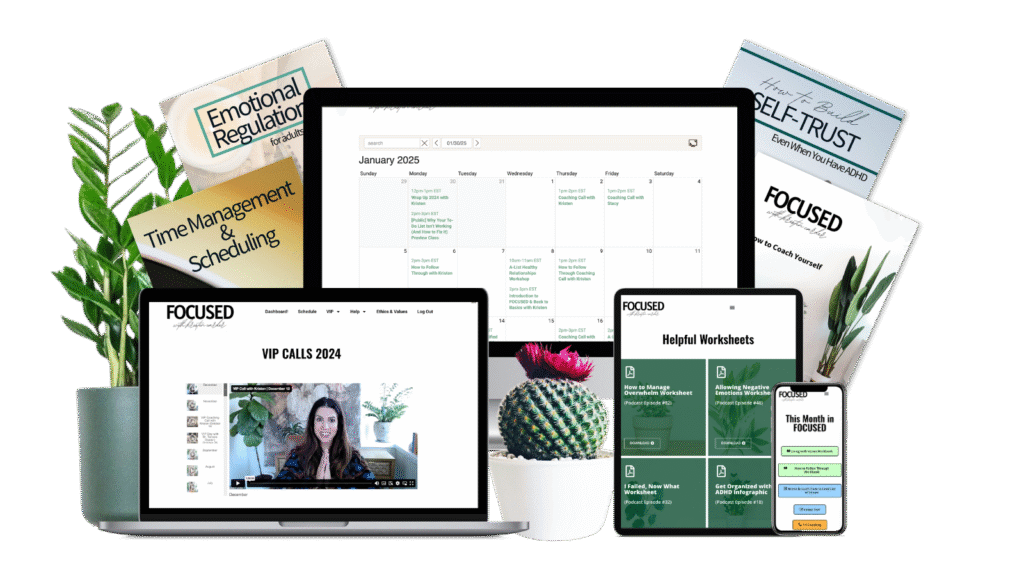
This episode is sponsored by Cure Hydration. You know that moment for me, it’s around like 2 or 3pm when my ADHD brain just decides we’re done for the day. We’re done here. The afternoon slump hits, the lights go off upstairs and suddenly answering an email or doing basically anything feels like climbing a mountain. That’s when I reach for Cure Energy. It’s a clean plant based energy drink mix made with 100 milligrams of natural caffeine and electrolytes so I get the focus and hydration boost I need without jitters, without a crash and without that like I drink battery acid vi that some of the energy drinks have. The peach tea and acai berry flavors are my current go tos. Crisp, refreshing and they don’t taste fake, y’. All. They don’t taste fake. I’ll drink one before recording a session or when I need to get help through like that afternoon drag. And honestly I I drink it anytime. My brain just needs to cooperate. What’s wild is that Cure Energy is only 25 calories and has zero added sugar. It actually helps me stay hydrated while giving me energy. Okay, I love coffee, but coffee could never Staying hydrated isn’t just about water. You also need electrolytes. And that’s why I love CUR Cure. It’s clean, it tastes great and it actually works. And remember, Cure is FSA HSA approved which is amazing. You can use that money to pay for cure and for I have ADHD listeners. You can get 20% off your first order@curehydration.com I have ADHD with the code I have ADHD. And if you do get a post purchase survey, make sure to tell them that you heard about Cure right here on the podcast. It really helps to support the show. Don’t just drink more. Upgrade it with Cure. The holidays are here and that means it’s the most wonderful time of the year. To Save with Rackadon Use Rackadon to stack cash back at your favorite stores on top of holiday sales. That’s savings on savings. With Racket in, you get cash back on gifts for everyone on your list. From toys for the kids to kitchen gear for the person who loves to cook, to electronics for everyone. You can even save on something for yourself. Just shop the stores you love and cash back is automatically added to your account and you can get paid with gift cards, PayPal or check or eligible American Express card. Members can even choose to earn membership rewards points instead of cash back. It’s truly a no brainer Join for free today and get a new member bonus after minimum qualifying purchases. Just go to rakuten.com, download the app or install the browser extension. That’s R A K uten. Terms and conditions apply. Welcome to the I have ADHD podcast, where it’s all about education, encouragement, and coaching for adults with adhd. I’m your host, Kristen Carter, and I have adhd. Let’s chat about the frustrations, humor, and challenges of adulting, relationships, working and achieving with this neurodevelopmental disorder. I’ll help you understand your unique brain, unlock your potential, and move from point A to point B. Hey, what’s up? This is Kristen Carter, and you’re listening to The I have ADHD podcast, episode number 158. I am medicated, I am caffeinated, and I am ready to roll. Today we are talking about imposter syndrome, which is something that you guys have requested on Instagram several times, and it is something that I help my clients overcome on a daily basis. People with ADHD are very prone to feeling like they are imposters for many reasons, including the fact that behind the scenes of our lives is often very chaotic. So, so chaotic that we think thoughts like, well, if my boss or my colleagues only knew how messy or how unorganized I was, I’d be fired for sure. Imposter syndrome totally holds us back from making progress and reaching our full potential. And we are going there today. But first, I want to say thank you. Thank you, thank you, thank you to so many of you who have rated and reviewed this podcast. I am telling you, the amount of dopamine that that provides for my brain is out of this world. Honestly, like, truth be told, so much dopamine for me, so thank you so much. It also really helps new listeners to find the podcast because it tells the algorithms. I can’t even say that word algorithms that this is meaningful content. So please keep reading, keep reviewing so that other adults with ADHD have the opportunity to discover this podcast. And if you’re loving this content and feel as though listening to this podcast changes your life, you’ve got to come check out my group coaching program, Focused. Focused is where I spend nearly all of my time and energy coaching and supporting adults with adhd. In my opinion, it’s the best, safest place in the whole world, and I would love to invite you to join me there. Go to ihaveadhd.com focused on to learn more. All right, so one of the things that I coach on constantly within my focus, coaching program is imposter syndrome. And I might add, like the self sabotage that often follows imposter syndrome. We’re probably not going to be going there today. That’s a different conversation. Today is all centered around imposter syndrome. So what is it? According to VeryWellMind, imposter syndrome is an internal experience of believing that you are not as competent as others perceive you to be. It’s feeling like a fake or a phony and it usually leads to intense feelings of self doubt. That emotion is really, really important for us to recognize self doubt when we believe that we’re an imposter, when we believe that we’re afraid, fake or a phony. It’s usually self doubt that creeps up in our bodies. Usually, not all the time, but usually now. It’s important to understand that many, many, many, many ADHDers experience imposter syndrome because we have been taught to hide our weaknesses, right? And we work so hard to hide our weaknesses from our bosses or our colleagues or friends, families that when we’re praised for doing things well, we think thoughts like, well, if they only knew how chaotic the behind the scenes of my life was, they wouldn’t be praising me. We’ve been socialized to hide our executive functioning weaknesses as if being messy is a moral failing or being unorganized is grounds for termination. So we often feel like we are being fake with people like, I’m gonna park far away so you don’t see how messy my car is, right? Let me pretend that I’m a super, have it all together kind of person so that you like me and so that you approve of me. But when you do like me or you do approve of me, I’m gonna tell myself that it’s because you don’t actually know the real me, right? Many of you hold yourselves back from moving forward in your career or moving forward in your relationships because you have these intense feelings of self doubt. Don’t believe that people are seeing like the full picture of you. You feel like a fraud, you feel like you’re lying or hiding something. And also you see the perceived risks of taking a step forward. And your brain goes to work telling you how you’re not going to be able to do it. You won’t be able to follow through you, you won’t be able to be professional. And so you just pass over opportunities over and over and over. And to add to that, so many of you dismiss your own accomplishments. You don’t take credit for your contributions to the world. You don’t allow yourself to feel proud for what you have to offer to your job or to your family, you’ll dismiss it and say things like, yeah, but it took me so much longer than everyone else, or, yeah, but I shouldn’t have wasted so much time in the process, or, yeah, but now look at my house. It’s a disaster. We’re going to talk about those yeah buts. Like, no yeah buts allowed. We need to take ownership for the things that we are doing. Well, if we let imposter syndrome lead, we disqualify ourselves from showing up in our own lives. I must say that again, because it’s really important. If we let imposter syndrome lead, we disqualify ourselves from showing up to the fullest in our own lives. And frankly, I’m kind of sick of it. So here’s a couple big, important points that I want to make about imposter syndrome. First of all, you don’t have to be perfect in all of the areas of your life in order to for you to be an expert in your field. You don’t have to be perfect in all of the areas of your life in order for you to be a kind and loving parent. You don’t have to be an expert in every single area of your life in order to be a worthy friend. I want you to think about, like, when you find, like, the best doctor, the best surgeon, do you ask them like, hey, is your car messy? Hey, were you late to work today? Hey, is your laundry folded and put away or is it sitting on your chair? Right? Like you don’t care. You just want an expert. But so many of you think things like, if they only knew how messy I was, or if they only knew how much time I waste, they wouldn’t want me working here. Here’s another big one. If you procrastinate for, like, four hours, but you still get your work done expertly by the time that the day is over, why are you beating yourself up and telling yourself that you’re a phony? Why are you saying to yourself, yeah, but I should have used all of my time wisely? Are you getting your work done? Yes or no? Like, this is one word, yes or no. Are you getting your work done? No. Yeah, buts allowed here. Yeah, I’m getting my work done, but if I had not wasted so much time, I could have gotten more done. Okay, but the thing is, as an ADHDer, you’re gonna waste some. As an ADHD er, you’re gonna procrastinate a little bit. As an ADHDer you’re going to accidentally go down the wrong rabbit trail for a while. Like, that’s just the nature of it. Are you still getting your work done? I remember coaching a client on this a long time ago. She had just started working from home and she was noticing this was during the pandemic and she was noticing that when she worked from home, she really struggled to stay focused on her work and she was totally beating herself up for it. And like, she had so much drama about it. And I eventually asked her, are you getting your work done? And she was like, yeah. I was like, are your like bosses, managers, Are they happy with the work that you’re producing? And her answer was yes. And I was like, so what’s the problem? And her answer was, well, I should be using all of my time. I should be spending every single minute doing this. I shouldn’t be wasting any time. My friends, we often set such perfectionistic standards for ourselves that we don’t have a choice but to feel like an imposter. Right? If your standard is, I can’t waste one minute of time or else whatever, fill in the blank, you’re never going to meet that standard. If your standard is, I’m going to be, you know, 30 minutes early for work every single day and be totally prepared by the time it starts, like, most of us are not going to be able to meet that standard. We need to set realistic expectations for ourselves and then see the good in what we are able to produce and accomplish. Okay. Second big point is that imposter syndrome is a normal human experience. It’s not just you and it’s not just because you have ADHD. Yes, ADHDers may experience it more frequently or more intensely, but every time any human tries to do something new or outside of their comfort zone, they will likely experience intense feelings of self doubt. This is the brain’s way of keeping us safe. This is actually by design. The brain is like, excuse me, wait, this is uncharted territory and I’m not sure we’re going to survive. Right? And this is very, very uncomfortable. Like, we feel it in our body for good reason, like self doubt. I want you to kind of like familiarize yourself with that feeling. You’re feeling it for good reason. I want you to think about, like, if you get the idea to do jump across a ravine or race your car at 100 miles per hour or propose to someone that you met yesterday, you will be filled with self doubt and you’re not going to be sure it’ll work out. And that’s actually good, right? Your brain’s doing its job. Your brain’s like, excuse me, I’m not sure this is a good idea. And so your body will react to that and be filled with self doubt. The problem is your brain doesn’t really know the difference between like, let’s say, a new job opportunity or the opportunity to jump across the ravine. Right? In both cases, there’s potential for dopamine and success, and in both cases, there’s potential for failure. Although the ravine jumping could result in death and the job opportunity likely won’t. Right. It’ll simply result in potential job loss or failure at the job or whatever, but it’s not gonna result, most likely in your death. But your brain doesn’t really see the difference between the two, and so it really tries to keep you safe. And so that intense feeling of self doubt, it’s actually very useful. But you need to consider, is it useful to me when I’m considering a potential job change? Is it useful to me when I’m considering dating this person? Is it useful to me when I am receiving a compliment from someone else? Right, when you’re feeling self doubt, it’s okay. I really want you to make friends with it, familiarize yourself with it, welcome it. It’s like, oh, here’s self doubt, right on time. I knew it was coming. And then here’s another big, big point. Feeling like an imposter is actually a great opportunity for you to check in with yourself. Are you an imposter? I mean, have you ever actually asked yourself that question? Many, many, many, many, many of you identify with the experience of imposter syndrome, right? Like, I want you guys to raise your hand across the world. You’re listening to this right now. Like, who of you feels like an imposter now? And again? I know hands are going up all over the world, okay? But the question is, are you Think of a scenario in which you’ve experienced imposter syndrome recently. Were you actually an imposter? Like, let me hear yes or no. Like, ethically speaking, are you a fake? Are you calling yourself an expert in something that you’re not actually an expert in that’s important to check in with yourself on? Like, are you practicing medicine or practicing law without a license? Are you? Do you need a license to practice law now? I’m stuck in my head about that. I know you need a license to practice medicine. What do you need to practice law? I’m not really sure. Gosh, sorry, y’. All. Let’s move on, shall we are you truly pulling the wool over people’s eyes, so to speak, or hiding who you really are? This is really important to check in with. You should be able to define your expertise. Even if you’re, let’s say, working at McDonald’s, you should be able to give justification for your employment. Right? So, for example, okay, I’m often five or ten minutes late to my shift, but I work hard, I’m kind to our customers, and I always stay late to make up the time. Do I deserve to be here, yes or no? Answering that question is really important. Many of you disqualify yourselves because of your self doubt. You see your weaknesses, you know that you are not perfect at everything, and so you continually disqualify yourself from showing up to your own life. It is important, though, to check in with your ethics and your values. Like if you are selling something, selling a product that doesn’t work, you’re an imposter. If you are, you know, calling yourself an expert in something that you don’t have expertise in, you are an imposter. But most of you are feeling like an imposter and disqualifying yourselves. Even though you actually are an expert, even though you actually deserve the job that you have, even though you actually deserve the relationship that you have, et cetera, et cetera, et cetera. Are you an imposter or do you just struggle behind the scenes? Are you an imposter or are you just a human who experiences self doubt? Are you an imposter or do you have perfectionistic standards for yourself? These are questions that I really want you to engage with. Does your messiness or your disorganization or your impulsivity or the fact that you make mistakes disqualify you? Only you can decide. Only you can decide. When you identify imposter syndrome, here’s what I suggest. I suggest that you honor it. This is normal. I’m feeling like a fraud. Feeling like a fraud because I’m messy behind the scenes and I’m letting that disqualify me from showing up in my job or whatever the case may be. You fill in the blank, honor the experience that you’re having. And I would really familiarize your body with the emotion of self doubt. This is self doubt. I am doubting myself. I am doubting my skills. This is a normal human experience. A lot of times what we do is, we’re like, oh, I’m feeling imposter syndrome. This is bad. This means I need to stop. This means I need to change course. This means I shouldn’t move forward. It’s not necessarily the case. Remember, anytime a human does something new, they’re going to feel self doubt. They’re going to wonder, can I do this? Am I qualified? Am I able to? I’m not sure. All of that is very normal. So honor the experience that you’re having. Just like, make space for it and validate it. And then ask yourself the question, am I an imposter? Like, so many of you feel like an imposter, but you’re not defining. Like, am I, am I an imposter? Am I being deceptive? Am I lying? Am I a fake? Like, make a list. Make it, make a list. Here’s why I am a fake. Here’s why I’m not a fake. My guess is the things that will go in the here’s why I am a fake column will be things that don’t actually disqualify you and make you a fake person. Like, I only share parts of my life with you on this podcast. I only share parts of my life with my coaching clients. Right? That’s called boundaries. That’s not called fake. That’s called healthy boundaries. You don’t want to know all the things. That’s weird. That would be super weird. My clients don’t need to know when I’ve had a fight with Greg or when, like, you know, my kids, whatever, throwing up, like, nobody really needs to know that I’m not being fake or a phony. I’m not lying. The truth is that there’s just different parts of me. I show up as a wife, I show up as a mom. I show up as a company owner and a leader in my business. I show up as a coach, I show up as a friend, I show up as a sister. But I’m not the same exact version of myself in each scenario. And that doesn’t make me inauthentic. That just makes me a human being with boundaries. Okay, So I want you to think about that. Some of you are holding that against yourself. Like, I should tell my work people, all of my home business, or else I’m being inauthentic and fake. No, no, no, no, no. Okay, that’s maybe a different conversation. Check in, check to really define, are you an imposter? Make a list. Here’s why I do think I’m an imposter, but here’s why I don’t think I’m an imposter. And the next step is define your expertise. Gather evidence for it. Be honest with yourself. So this goes in the Column of here’s why I’m not an imposter. Here’s what my expertise is. Name your flaws, sure. But also name your strengths. This is really important. Give yourself credit for what you’re doing right. Give yourself credit for what you do well. Give yourself credit for all of the great things about you. What we want to do because of our brain’s negativity bias is focus on all the things we’ve done wrong and gather evidence for all the reasons why it’s not gonna work. And gather evidence for all the reasons why we’re a terrible person. And of course, when we’re doing that, we’re going to believe we’re an imposter and we’re going to feel feel intense self doubt. But if we spend a little bit of time checking in, am I an imposter? Really? Am I? What’s the honest answer to that question? Am I a fake? Am I a phony? And then I make a list of like, here’s why I deserve this job, here’s why I deserve this relationship, here’s why I deserve this promotion. And I gather true evidence for it. What is all of the evidence that I have that defines my expertise? That is your ticket out of imposter syndrome. In addition, you want to recognize and name self doubt and realize that it is not a problem. Feeling self doubt is not a problem. Okay? It’s a signal, it’s an indicator. So let’s say that you don’t have a license to practice medicine and you offer to perform appendix surgery on someone. I don’t know, I’m making things up. What is it called? An appendectomy. You should feel intense feelings of self doubt in that moment. Right? And then you check in with yourself. Why is this self doubt here? Is it here because I truly don’t have the skill? In that case, yes. Great. I’m going to save the life of this person by not performing surgery on them because I’m not actually trained and I don’t have the skills. But if the self doubt is present because you know you were offered a promotion at work and you’re not quite sure you have what it takes to follow through and get the job done? All right, that makes sense. But does that mean that you don’t want to take the promotion or does it mean that you want to strengthen your skill base, build up your scaffolding and have the support in place to take that promotion and get the job done? All right, that self doubt is just an indicator. What we want to do is say oh, self doubt feels terrible. I don’t want to feel this. I’m going to ignore it. I’m just going to say, oh, I feel like an imposter. I just shouldn’t do it. But really, that’s just like preventing us from really showing up and living to our fullest potential. Naming the self doubt, recognizing it, making friends with it, being familiar with it, and realizing that there’s absolutely no way to move forward without feeling doubt. This is step number four. Allow self doubt to be there and don’t make it mean that you have to stop or change course or self sabotage because you can’t do anything new without the presence of self doubt. You can’t start that new business. You can’t ask that person out on a date. You can’t take that promotion. You can’t make that phone call to your friend to apologize, you know, for the thing, whatever the thing is, right, you’re going to have feelings of self doubt. You’re going to have thoughts that you’re an imposter. That’s okay. The last thing that I want to mention here is I really encourage you to build your scaffolding and ask for help. I found a great article written by our friend Dr. Russell Ramsey in Psychology Today, and it’s about ADHD and imposter syndrome. And one of the things that he mentions, I’m actually just going to read from the article here. He says, in terms of asking for help, adults with ADHD may assume that others do not need to rely on extra support. Thus, the conclusion is that only an imposter would need it. In fact, a useful thought experiment is to consider whether the teacher or the boss may have been in the same boat as the person with ADHD at some point and perhaps benefited from support and guidance. Arguably, all teachers and supervisors were students and supervisees at some point and received help without being imposters. A lot of times what we do as ADHDers is we disqualify ourselves from asking for help because we tell ourselves other people don’t need it. I shouldn’t need it, okay? Which is not true at all. All humans need help, and as an adult with adhd, you actually should need help. It doesn’t make you an imposter. So just because I suck at, like, doing dishes and laundry doesn’t make me bad at business. I’m actually really amazing at business, just really bad at laundry and dishes. Very different. Doesn’t disqualify me. In order for me to be good at my business, I have to ask for help in the areas of dishes and laundry and cooking so that I can focus my brain’s power on business. Do you see what I mean? Like, does that disqualify me from helping adults with ADHD overcome their obstacles? No, it doesn’t at all. Okay, getting back to what Ramsey says, he says, nonetheless, there are some cases in which adults with ADHD have to employ or adapt coping strategies for managing ADHD in order to adjust to a new role. Right. Which makes total sense. So the point is, ask for help and believe that asking for help does not mean that you’re an imposter. Imperfections and mistakes does not make you a fake or a phony. It makes you a human being. Okay. All right. Have an amazing week. I’m going to see you next time. Bye. Bye. A few years ago, I went looking for help. I wanted to find someone to teach me how to feel better about myself and to help me improve my organization, productivity, time management, emotional regulation, you know, all the things that we adults with ADHD struggle with. I couldn’t find anything, so I researched and I studied and I hired coaches, and I figured it out. Then I created Focused for you. Focused on is my monthly coaching membership where I teach educated professional adults how to accept their ADHD brain and hijack their ability to get stuff done. Hundreds of people from all over the world are already benefiting from this program, and I’m confident that you will, too. Go to ihaveadhd.com focused for all the details.