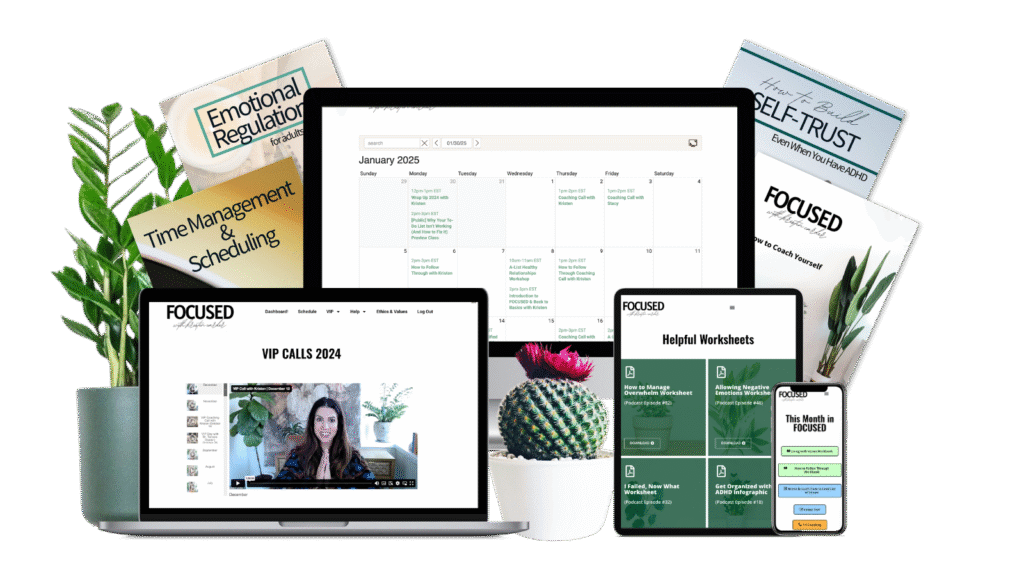


This episode is sponsored by Cure Hydration. You know that moment for me, it’s around like 2 or 3pm when my ADHD brain just decides we’re done for the day. We’re done here. The afternoon slump hits, the lights go off upstairs and suddenly answering an email or doing basically anything feels like climbing a mountain. That’s when I reach for Cure Energy. It’s a clean plant based energy drink mix made with 100 milligrams of natural caffeine and electrolytes so I get the focus and hydration boost I need without jitters, without a crash and without that like I drink battery acid Vi vibe that some of the energy drinks have. The peach tea and akai berry flavors are my current go to’s crisp, refreshing and they don’t taste fake, y’. All. They don’t taste fake. I’ll drink one before recording a session or when I need to get help through like that afternoon drag. And honestly, I I drink it anytime. My brain just needs to cooperate. What’s wild is that Cure Energy is only 25 calories and has zero added sugar. It actually helps me stay hydrated while giving me energy. Okay, I love coffee, but coffee could never Staying hydrated isn’t just about water. You also need electrolytes. And that’s why I love Cure. It’s clean, it tastes great and it actually works. And remember, Cure is FSA HSA approved, which is amazing. You can use that money to pay for cure and for I have ADHD listeners, you can get 20% off your first order@curehydration.com I have ADHD with the code I have ADHD. And if you do get a post purchase survey, make sure to tell them that you heard about Cure right here on the podcast. It really helps to support the show. Don’t just drink more, Upgrade it with Cure. The wait is over. Dive into Audible’s most anticipated collection, the Best of 2025. Featuring top audiobooks, podcasts and originals across all genres, our editors have carefully curated this year’s must listens. From brilliant hidden gems to the buzziest new releases, every title in this collection has earned its spot. This is your go to for the absolute best in 2025 audio entertainment. Whether you love thrillers, romance or nonfict, your next favorite listen awaits. Discover why there’s more to imagine when you listen@audible.com BestOfTheYear. Welcome to the I have ADHD Podcast where it’s all about education, encouragement and coaching for adults with adhd. I’m your host Kristen Carter And I have adhd. Let’s chat about the frustrations, humor and challenges of adulting relationships, working and achieving with this neurodevelopmental disorder. I’ll help you understand your unique brain, unlock your potential and move from point A to point B. Hey, what’s up? You are listening to The I have ADHD podcast, episode number 48. My name is Kristen Carter and I am medicated. I am caffeinated times two because I went to Starbucks today and I am super ready to roll. Excited to be here with you today, my friends. It is almost spring. Are you as itchy for spring as I am? Except for those of you on the other side of the world listening in Australia and New Zealand. No fair. You are in your summer. It is so funny working with clients all the way across the world because I show up to our zoom call in this like huge cozy sweater with all the blankets and the coffee and like all the cozy things and then they’re coming in like tank tops and I’m like, I am so jealous. If I could live somewhere warm year round, I would be so, so, so happy. But anyway, I digress. Hope you are all doing so great. All 3,000 of you, apparently, that listen to episodes. My gosh, I absolutely love it. I love being a part of your life. It is an honor and a privilege and I just want to say thank you so much for tuning in. It means the world to me. Before we get started, you know what I’m about to do. I’m going to shout out one of my clients. This is from Kelly and she’s been in Focused for a couple months. She is a special education teacher and she shares this. She sent it via email, which I thought was really sweet. She said, kristen, you’re going to be proud of me. I’ve been out sick for a couple days and one of my students didn’t do well in my absence. There were so many questions the first day from my colleagues that I felt defensive and judged because I wasn’t there. And I thought that someone was going to make a better change or be better at the job than me. I felt like I’d been doing something wrong. Well, you’re coaching. And the Focus model stopped me and I realized I was creating the hostility in my own mind. I did the work in my workbook for a specific person at my job and I changed my approach. Instead of being defensive, I expressed fortune and appreciation for my team stepping in and making the effort when I could not. A huge sense of wonder happened within me today. I even Talked to my husband about it, who doesn’t love to talk about my work stuff. I foresaw a big fight coming, but I chose not to go into that big fight. Wow. I let it go. I understood. This is truly amazing. Thank you. Kelly, I’m so proud of you. You are an example of what’s possible for adults with ADHD when they start to manage their minds. I’m, like, banging on my T here. I’m so excited. Kelly, you’re an example of what’s possible. You guys thought management matters. Yes. Be medicated for adhd. Yes. Do all the things like exercise and diet and therapy and all of that good stuff. But in addition, learning to manage your mind is what’s going to take you to the next level. It’s going to help you to evolve. It’s going to help you to create the results in your life that you’ve always wanted. I’m so, so passionate about spreading this word. Whether you work with me or a different coach does not matter. Just go find someone who’s going to help you manage your thoughts and learn how to create positive results for yourself in your life. Okay. Rant over. Thank you for being here for that. My goodness. Okay, so this whole month, we’re going to be talking about emotions and managing, especially managing our negative emotion. And last week, in last week’s episode, if you did not tune into that, I highly recommend that you go back and listen. I talked about the concept of 50 50, which is something that I got from my coach and teacher, Brooke Castillo. And I always love to give her credit because I owe so much to her and to the work that she’s done and what I want to offer to you guys, that life is 50, 50. 50% positive, 50% negative. No matter what’s happening, no matter what’s going on, you’re going to experience the full spectrum of human emotions. And that’s actually great. That’s a good thing. We don’t want to be happy when somebody that we love dies. We actually want to be sad. Correct. We don’t want to be happy about horrible things that happen, like car accidents and child abuse and murder and genocide. Like, those are not things that we want to be happy about. We actually do want to experience negative emotion in our lives. It is part of being human. However, how do we actually process it? How do we actually tolerate it? So I was sharing with you, I alluded to this a little bit last episode, that with the success of the Focus Program, which is, like, so much more successful than I. Well, it’s not true. It’s not more successful than I had dreamed. It’s exactly as successful as I dreamed it would be, which is so crazy to think about. Like, it’s going exactly the way that I hoped it would go. That’s amazing. And you would think that I would be 100% happy about that all of the time, but let me tell you, I’m not. I’m still experiencing the full spectrum of human emotion. And so, like, for example, over the last couple weeks, I’ve been feeling a lot of shame. It’s just so. It’s like a terrible emotion to feel. If I could make two emotions go away, it would be, number one, vulnerability. Hate that emotion. Number two, shame. You can tell that I’ve evolved, but, like, not to the point of, like, loving negative emotion because I’m so 100% not there. I am beginning to be willing to feel vulnerable. I’m beginning to be willing to feel the shame, but I’m not loving it. And I don’t know if I ever will. I mean, like, do I want to love negative emotion? I don’t think so. But it is just a part of life. Correct. So because I’ve started this focused program that opens me up to a lot of failure. And in the last couple weeks, that’s happened. Like, I failed a couple times. Usually when I fail, it’s in front of people. You know, I’m on a call and in focused. There’s a lot of people on the calls at one time. And so I’m making mistakes, and I’m learning how to run this program in front of people. Right. Like, this is only a couple months old, so I’m figuring it out in front of people. And that really opens you up to a lot of failure and a lot of exposure and a lot of vulnerability and opportunity to feel shame. And so I was really feeling that last week. And I know it’s just because I’m in the process of evolving into the next version of myself, the version of me who knows exactly how the focus program runs and knows, you know, like, all the things. But right now, I’m not there yet. I’m just figuring it out. And so having to tolerate the shame that comes with that, it has been hard. And so I want to talk about that today because I coach on shame constantly. It is something that I know you all struggle with because I coach on it all the time on my one on one sessions. And in focused, it’s just a huge part of the human experience. And I think, especially for those of us with adhd, we’ve encountered a lot of shame. Shame is not fun and it can come from doing something that we consider to be wrong. So, for example, you cheat on your spouse, you’re likely going to feel shame. You don’t do your taxes, or you cheat on your taxes, you likely will feel shame. You steal something that doesn’t belong to you, you’re probably going to feel shame about it. You hurt your child, you’re going to feel some shame. Okay, so there’s like lines that we cross that immediately invoke the feeling of shame. But sometimes we simply feel shame because we have not met our own expectations. So I’ve been reading the Book of Human Emotions. I’ve been looking for, like, a great book that’s like a glossary of emotions. So if you know of one, reach out to me. I would love to have one. I want it to be, like, pretty too. I want it to be like a coffee table book that my kids could just kind of like thumb through and read about the different emotions. But anyway, the Book of Human Emotions, it’s okay. It’s not a highly recommended. I don’t highly recommend it, but it’s fine. It describes shame as the feeling of contempt for ourselves when we fall short of our own standards. And this is just like when we show up as human, which newsflash is imperfect, we feel shame when we’re too tired to accomplish all of the things that we want to accomplish. We often feel shame when the house is a mess and our partner gets home. I mean, raise your hand if you feel shame in that moment when we oversleep and miss appointments. We feel shame when it’s dress up day at school. Oh, my word. And we forget to send our kids in a costume. Shame when my kid sends me an email this morning and he’s like, mom, I don’t have any money in my lunch account. That was an opportunity for me to feel shame. Right? None of these things are actual wrongdoings. They’re not anything that we’ve done, quote, unquote wrong. We haven’t broken any laws. We haven’t. Like, there’s no rule that says, like, the house needs to be perfect. We’ve set the rule for ourselves, then we’ve broken that rule, Right? It’s the feeling of contempt that we feel for ourselves when we fall short of our own standards. And that’s exactly, exactly what was happening to me in the last couple weeks as I have been failing my way to success. Right? I’ve been failing my way through this focused program, I’ve been failing my way through learning how to do this, and it’s totally fine. And I am happy to do it. As terrible as it feels, I am so glad that my clients get to see see me show up imperfectly, do things imperfectly, and still be amazing at my job, still create things that are so valuable. What do I always say, my friends? B minus work can change the world. C minus work can change the world too. But we’re going to aim for B minus. Let’s not aim for Cs, okay? So none of the things like oversleeping or having a messy house or missing an appointment, none of those things are, like, against the law or wrong. They’re just part of being human and especially part of being a human with adhd. Now, here is what I have learned since the last time that I recorded an episode on Shame. I’ve learned that feelings or always drive our action or our inaction. So if we are taking action, it’s because of a feeling. Or if we are completely paralyzed and stuck, that’s also because of a feeling. Now, getting back to shame. Guess what shame always leads to every single time. Two things. Avoidance, procrastination. Anytime that you find yourself avoiding and procrastinating, I would love for you to check in with your emotions and see if what you are feeling is shame. So, inevitably, a couple weeks ago, I was noticing that I was getting very behind on my work. I got stuck in the social media vortex of, like, Facebook videos, and my house got messier than usual. I was laying in bed. I think Greg was working late this night. I was laying in bed, just kind of like, you know, in that social media vortex, I believe I was in the, like, the video channel on Facebook where it’s just like, live with Kelly and Ryan and then it’s Jimmy Kimmel and then it’s Ellen. Like, all of the different shows that are just like, clips that you get stuck in or maybe you don’t get stuck in, but I totally get stuck in them. So I was, like, laying there and I was watching myself be stuck on my phone, and I thought to myself, huh, I wonder if I’m avoiding negative emotion right now. I really didn’t feel the negative emotion, but I was like, I had a hunch that there was something there, right? And so what happened was that next morning, guess what? I woke up in a total shame spiral. And all of the things that I have done, quote, unquote, wrong. And what I mean by that is, like, showed up as human all of the ways that I’ve showed up as an imperfect human over the last, like, three weeks to a month were just, like, flashing before my eyes, and I was feeling so much shame. It was a huge spiral. I was just going down, down, down. Now, here’s what’s really awesome about what happened. I recognized it. I was able to, like, process it. I was able to figure out what I was feeling, and I was able to figure out the thoughts that were causing it. I watched myself avoid things, and I watched myself procrastinate, and I was still nice to me. And that’s so different than the way that I would have showed up a year ago. So different. Here’s what I did. I noticed that I woke up in a shame spiral, and it wasn’t a pretty morning. Like, let’s be real. It wasn’t pretty. But before I started working, I sat down with a couple blank sheets of paper, and I just started to get my thoughts on out of my head and down onto paper. And I teach you guys to do this because it is so powerful when you need to process something, I highly recommend that you do it by writing everything down onto paper. So I got all of my thoughts out. Why am I feeling shame? What is going on here? What am I thinking about? And I just basically listed all of the ways that I showed up as human over the last month, and I was like, okay, this makes sense. Of course I feel terrible. It’s because I’m failing in front of people constantly. Now, I don’t even know if any of my clients would say that I’ve had any fails, Right? But it’s a matter of perception. And I really want to make that point because, again, this goes back to us not meeting our own standards, us not meeting our own expectations, and then feeling contempt because of that. Right? We’re feeling contempt for ourselves because we haven’t met our own standards. This is why other people are like, I don’t know why you’re so upset about that. That’s not a big deal. And you’re like, but it is a big deal. It’s a big deal to me. So as I got all of this out onto paper, and as I realized that the feeling that I was feeling was shame, I was like, okay, we’ve got some options here. Here are the options that you have when you feel negative emotion. You can resist it, you can react to it, you can avoid it, or you can allow it. Resist, react, avoid, allow. Now, I spent most of my life resisting and avoiding and reacting. I did very little Allowing of negative emotion. And that is the skill that I am trying to develop now as a grown woman. I’m trying to develop the skill of allowing my negative emotion. So here’s how we do that. First of all, we have to acknowledge that nothing’s gone wrong. Life is 50 50. Just because the negative emotion is here does not mean that something is wrong. It’s just very, very normal. So once I wrote down all of my thoughts and I recognized what feeling I was feeling, I was very careful to just be like, okay, this makes sense. You’re feeling shame. It’s totally fine. It’s totally normal. There’s no emergency. We don’t need to even fix it. It’s just part of being human. And then what I did is an exercise that I’ve done a couple times with different therapists and coaches is I basically did a body scan, and. And I found where I could feel the shame in my body. So an emotion is simply a vibration in our body, and oftentimes it’s connected with chemicals like dopamine or serotonin or other chemicals. Right. And so we feel that vibration of emotion in a location in our body. And in order to process it, it’s very helpful to go find it, which sounds so weird. I’m, like, doing hand motions. You cannot see me. Go find it in your body. So I went and found shame. One of the things that I have learned to do is ask myself the following questions. Where do you feel the emotion in your body? Is it moving? If so, what direction? Does it have a texture? If you had to assign a color to it, what color would it be? And so I, like, make it an actual thing in my body that I can visualize and that I can pinpoint exactly where it is. And then I basically am just like, hey, shame. I see. Yeah. How you doing? I know you’re here because of a thought that I’m thinking. That’s totally fine. I’m not about to go change that thought right away. I’m just gonna allow you to be here. But I know that I’ve created you with the thoughts that I’m thinking, and then I just kind of breathe into it, which is not something that I’m used to doing. It’s. It’s very, like, a meditative practice. That is not something that I’m very comfortable with. It’s not something that I grew up doing or was ever really taught to do, except for in the last year or so. And so if you can find the emotion in your body, assign it a color And a texture and a direction, a movement, you know, a pattern. And you’re noticing it, and you’re seeing it, and you’re visualizing it. And then you are also acknowledging that you are the creator of it. Because our thoughts create our feelings. There is so much relief in that. This is not something that is just random. It’s not something that is happening to you because of something that you can’t control. It is because of your thought. And there’s agency that comes along with that. There’s like, okay, I know that this is here because of me. And that feels so much better to me than it being out of my control. It doesn’t mean I want to go change. Just means that as I process it, it takes a lot of the tension out of it. It takes a lot of the urgency to change it out. It’s just like, oh, I’m just here because of thoughts that I’m thinking. It’s totally fine. It’s part of being human and breathing through that. And then, honestly, the intensity passes very quickly. Now, I’m not saying that it’s a magic fix and that it just like, oh, then I didn’t feel shame ever again and whatever. No, it’s not like that at all. But what’s very interesting is that that practice has allowed me to. To feel negative emotion and still function. So instead of being paralyzed, instead of being stuck, instead of hyper focusing on my negative emotion and bringing all of the humans in my life into the drama, I can now process it. And sometimes I want to process it with people, and that’s fine. And I’m sure that you might want to do that as well. But having the ability to process it on my own, writing everything down, finding it in my body, acknowledging that I am the creator of it, all of that is so powerful. And then what I like to do is visualize me just, like, bringing the negative emotion along with me while I go do the thing. What I tell my clients is, like, I like to put it in my purse. I just take it along with me. That’s a concept that I learned from my coach, Brooke. Just, like, take it with you. But here’s the thing that I think is really fun. Sometimes we just have a little bit of negative emotion. So it’s like a really small, cute purse, right? Sometimes we have got a ton of negative emotion that we’re carrying around, and we need, like, a really big, like, Louis Vuitton bag with the straps. Like, really, really big bag. Like, a big, bulky one. But it’s like a Cute one. And that’s okay, right? And we just take it with us and we go about our day. Nothing has gone wrong. Feeling shame is part of being human. It’s no problem. The way that we make it a problem is we resist it, we react to it, and we avoid it. And so when we resist, react to void, we find ourselves stuck in negative patterns. We find ourselves screaming at the people we love. We find ourselves lashing out. We find ourselves getting stuck on social media. We find ourselves not being able to do the simple tasks in our life, like paying bills. Because guess what? If you feel shame for your financial situation, guess what? You’re going to avoid paying your bills. Dude, if you’re avoiding paying your bills, I guarantee it’s because you’re feeling shame. Go figure out how to process that shame and that will help you to take the action that you need to take in order to make a difference in your life, like paying those bills. If you want to take a deep dive, study into emotions with us. We’re going to be really focusing on this in Focused, which is my monthly coaching program. Listen, emotions are not something that I was ever good at. And I do feel like this is one of the keys to the universe. Because if you can learn to process and feel negative emotion, you can do anything you want to do. I said to my clients recently, if you can learn to feel like crap, you can create anything you want in your life. But the cost of that is tolerating the negative emotion, the fear, the vulnerability, the shame. All of that comes with creating the life of your dreams. It just totally is like a package deal. I also decided to develop a resource for you, which I haven’t done in a long time. So if you’d like a free resource on processing the negative emotion, like kind of a visual of what I walked you through on this podcast and I created one for you, my dear. You can go to ihaveiddtod.com shame to grab that freebie. And I hope it’s really helpful to you because this process has been very, very helpful to me, and I wanted to pass it along to you. All right, my friends, that’s it for this week. I cannot wait to talk to you again next week when we continue our conversation about processing negative emotion, so. So that we can take action. Because being able to process and handle our negative emotion is the key to taking action. It’s the key to avoiding procrastination. It’s the key to being productive. And I will see you again next week. Bye. If you’re being treated for your adhd, but you still don’t feel like you’re reaching your potential. You’ve got to join Focused. It’s my monthly coaching membership where I teach you how to tame your wild thoughts and create the life that you’ve always wanted. No matter what season of life you’re in or where you are in the world, Focused is for you. All materials and call recordings are stored in the site for you to access at your convenience. Go to ihaveadhd.com focused for all the info. Sam.