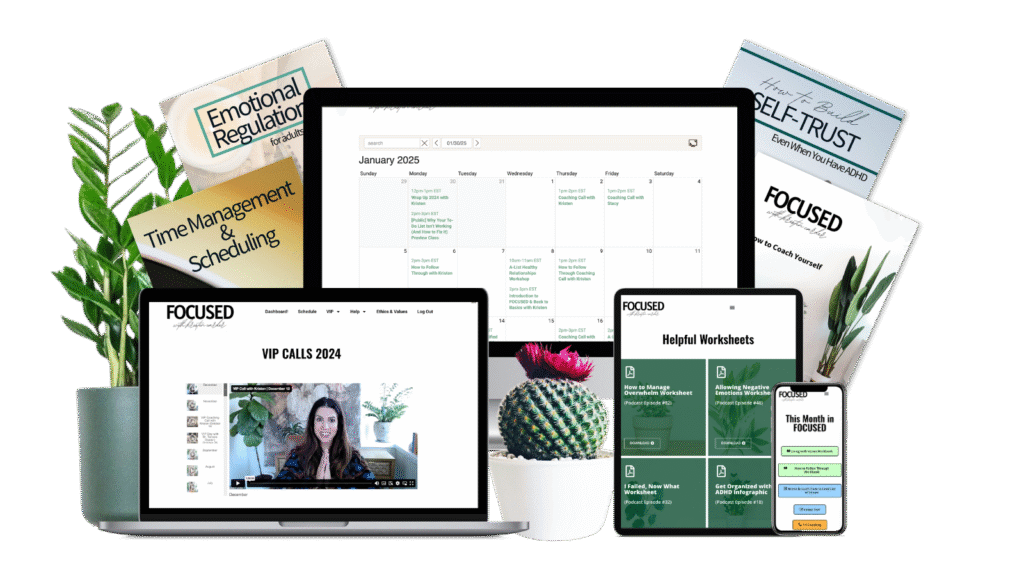


This episode is sponsored by Cure Hydration. You know that moment for me, it’s around like 2 or 3pm when my ADHD brain just decides we’re done for the day. We’re done here. The afternoon slump hits, the lights go off upstairs and suddenly answering an email or doing basically anything feels like climbing a mountain. That’s when I reach for Cure Energy. It’s a clean plant based energy drink mix made with 100 milligrams of natural caffeine and electrolytes so I get the focus and hydration boost I need without jitters, without a crash and without that like I drink battery acid vi that some of the energy drinks have. The peach tea and acai berry flavors are my current go tos. Crisp, refreshing and they don’t taste fake, y’. All. They don’t taste fake. I’ll drink one before recording a session or when I need to get help through like that afternoon drag. And honestly I. I drink it anytime. My brain just needs to cooperate. What’s wild is that Cure Energy is only 25 calories and has zero added sugar. It actually helps me stay hydrated while giving me energy. Okay, I love coffee, but coffee could never. Staying hydrated isn’t just about water. You also need electrolytes. And that’s why I love CUR Cure. It’s clean, it tastes great and it actually works. And remember, Cure is FSA HSA approved which is amazing. You can use that money to pay for cure and for I have ADHD listeners, you can get 20% off your first order@curehydration.com I have ADHD with the code I have ADHD. And if you do get a post purchase survey, make sure to tell them that you heard about CURE right here on the podcast. It really helps to support the show. Don’t just drink more, upgrade it with cure. Welcome to the I have ADHD Podcast where it’s all about education, encouragement and coaching for adults with adhd. I’m your host Kristen Carter and I have adhd. Let’s chat about the frustrations, humor and challenges of adulting relationships working and achieving with this neurodevelopmental disorder. I’ll help you understand your unique brain, unlock your potential and move from point A to point B. Hey, what’s up? This is Kristin Carter and you are listening to the I have ADHD podcast episode number 73. I am medicated. I am caffeinated. This is my third time recording this intro and I am finally ready to to roll. I do not know what is up today. I Think that the procrastination gods are frowning upon me because, my goodness, I am struggling to get this done. But I love you and I like you. And so I am here with this episode as it will go out on time. I am determined. I was having kind of a hissy fit on our focused call this morning. We were talking about how thoughts create our feelings. And I was saying how I’m recording this podcast today and how I keep having these thoughts like I don’t want to, and that’s creating the feeling of dread. And you know, I am in drama just like you are. It’s not like I am immune to it. I have to manage my mind and take the time to really make sure that I’m thinking thoughts that serve me, that are creating feelings that will drive good actions. And my gosh, I realized how much drama I was in. And I got to explain how excited I am to be able to serve this community and to be able to create a tribe of educated professional adults with ADHD who are committed to showing up and to changing their lives one day at a time. And it is so much fun to be a part of it. And I just started to be filled with the most prominent, I don’t know, like, just such a distinct feeling of purpose. And then I was so pumped to record this podcast and then I had a meeting that was like, really hard and it stole my mojo. So then I just self coach again. And what I kept writing down is, nobody can steal my vibe but me. I was blaming the meeting and the person I was talking to. Like, I was blaming them for stealing my vibe, right? For this, like, feeling of purpose leaving my body. But really it’s just my own thoughts. It’s my own drama. Nobody can steal my vibe but me. So if you are on this journey and just kind of like really struggling to put one foot in front of the other and make positive change for yourself, just know that you are not alone. We are all there with you. I am on the same journey. I procrastinated doing this podcast for so long, which is so ironic because, hello, the topic is procrastination, but here we are, completely ready to roll, filled with purpose. And I’m so looking forward to spending the next 30 or so minutes with you. So what we’re going to talk about today is basically like, troubleshooting your productivity. How to stop procrastinating now, right now, in the Focused Membership program, which is my ADHD coaching membership, we are studying how to be productive. And it’s so fun. It’s so great right now, if you’re not listening in real time, it’s September 2020 and we’re studying how to be productive. It’s going great. But what I want to do is, is then study how to stop procrastinating so we know how to be productive. Now, how do we stop procrastinating? And if you are a chronic procrastinator, you need to join us in Focused in October. You’ve got to join us. It is going to be so powerful. I don’t think there is any adult with ADHD who does not struggle with procrastination at one time or another. And I think a lot of us blame it on our adhd, and rightfully so. But today we’re going to get very clear about why we procrastinate. And then I’m going to give you some skills and strategies for how to troubleshoot it, how to hack it, how to get beyond it. Okay, excited to announce that in October we’re going to be studying procrastination, how to hack it, how to get beyond it. It’s going to be so, so much fun. And if you want to join me, go to ihaveadhd.com for more info. So, as someone who has known about her ADHD diagnosis for the last I’m going to do some quick mental math here. 18, 28 years. Is that true? No, not at all. 18 years, I was 21 plus 18 plus 39. I’m 39 currently. Okay. So for the last 18 years, I’ve known that I’ve had ADHD and I have always attributed my procrastination tendencies to ADHD. But when you think about it, like why? Why do we procrastinate? ADHD is just an umbrella term. It’s an umbrella reason. But why do you procrastinate? What are the actual reasons? What I have found in the last couple years is that getting very aware, very, very clear about what’s going on is the first step for me taking a different action. So when I notice I’m procrastinating, what I’m able to do now is determine exactly why. And that allows me to create a strategy to solve that problem. So I’m going to list for you five reasons that we procrastinate. And then we’re going to go through, we’re going to talk about each one, and I’m going to give you strategies for overcoming each one. All of these reasons are based on my experience and my opinion and my research and my reading. But if you have other reasons that you procrastinate. That’s totally fine, too. I wanted to keep it simple. Simple and constrained to five. The first reason that we procrastinate is because we haven’t taken the time to address our very basic needs. Those of us with ADHD really struggle to take care of our basic needs. And that can really lead to us procrastinating and spinning in inaction because we just, we haven’t eaten, we haven’t had anything to drink all day, we haven’t taken our medication, we haven’t had any caffeine or we haven’t slept. Those are the main reasons, I think, like, the main basic needs that we need to take care of in order to have any sort of level of productivity. Have you eaten? Have you had a good amount of water today? Are you prioritizing sleep and rest? Are you taking your medication or your supplements or whatever it is that you take to support your adhd? Have you had a cup of coffee or two or three? These are the important things that we need to make sure that we take care of in order to be a fully functioning human. If we don’t, then we will not be a fully functioning human. Now, if any neurotypical is listening to this right now, they’re just like, I don’t understand why she’s telling grown adults that they need to, like, eat and drink and do these basic things. But if you have adhd, you know that even these basic things are a struggle. And one of my, like, much earlier episodes, I talk about a morning routine and basically I whittled it down to like a don’t die list. Like, Kristen, if you could just maybe not die, that would be great. Like, eat, make sure you plan something for lunch, make sure you take your medication, make sure you make your coffee. Like, just don’t die. So that is the first step. Now I will tell you, in writing the workbook for October for the procrastination month, it was adorable that I procrastinated writing that workbook for a very long time. And on Sunday I had it on my calendar to get up and start writing the workbook. And I couldn’t figure out, like, why am I not. Like, I was noticing that I was on Instagram and I wasn’t really sure what was going on. And then I remembered, oh, I haven’t eaten, I haven’t taken my medication. I’m only halfway through with my coffee. Of course I’m not going to be productive. And so it was very easy to solve those problems. What’s the solution? Go Eat breakfast, go take your meds, go finish your coffee. Right? So knowing the problem, getting very clear on the problem, allows you to create a solution. The second reason why a lot of us procrastinate is because we’re having trouble constraining. Now, if you’ve listened to this podcast for any amount of time, you know that I am passionate about this topic. And if you are in focused, we study this every single month with every single topic. Constraint is a life skill that us adults with ADHD must develop if we are going to be successful. That’s my thought and I’m sticking to it. I love it and I believe it to be true. 100. What it means to constrain is to put restrictions on yourself, to have one goal or very clear goals. You know what you’re accomplishing, you know what you’re about, and you’re not bouncing around from thing to thing. Remember, ADHD is not an inability to pay attention. ADHD is having your attention divided by too many things. So my. The way that I think this through is like we have the same amount of attention as a neurotypical, but our attention is on, you know, 100 things instead of two things. So our attention is stolen so quickly. We’re distracted so easily. If we can learn the skill of constraint, this will go very well for us. Now, how does constraint affect procrastination? When we have a lot of things on our mind, when we focus, feel like there’s just so much to get done. When we are allowing our attention to go to more places than it should, we will often react to this by procrastinating because it’s too overwhelming, there’s too much to get done, I’m too busy, I don’t know where to start. So constraining is the skill of boiling down to the very essential things that need to be completed. Okay, so if you have other things on your mind, it’s really helpful to do a brain dump or a thought download. Just get everything out and then decide purposefully what really is the priority. What do I actually need to produce? What do I really need to get done? It’s not all important. Do not believe that thought. That’s a thought error. So when my clients come to me, they’re like, well, it’s all important. I’m like, well, that’s adorable. But no, it’s not all important. It’s just not. We have to be able to consciously make choices that prioritize things in some sort of order. So if you can constrain and have one goal to accomplish in the next hour, instead of 14 goals to accomplish in the next hour hour, you will find yourself being able to take action because you will know what the steps are. When you’re constraining, you know what the steps are. So, for example, today I had a couple meetings, couple coaching calls, but the only thing that I need to produce today is this podcast. The only thing that I need to get done that’s like really hard, that takes a lot of like, thought and like cheerleading, inner cheerleading for myself is this podcast. If I told myself, okay, today you’re gonna record a podcast, you’re gonna go for a run, you’re gonna make sure to get groceries, blah, blah, blah, and I would just like make my list very long. My brain would reject, would completely spin out in overwhelm, and then I wouldn’t know what to do. So constraining is putting your actual goals, not your fake goals, your actual goals at the forefront of your mind. And then what I think is really important is have you broken down your goals into small enough steps? So when I’m really struggling to record a podcast, I will break it down into multiple steps. Step one, write the podcast. So I’ll give myself an hour to write it. Step two, record the podcast. I’ll give myself an hour to record it. Step three, I need to put on my calendar, but it doesn’t take very long. It really only takes about 10 minutes, really. But Google Calendar only works as such that I know of that you can use 15 minute blocks. So I put in like send podcast to Karen, which means like exporting, uploading to Google Drive, emailing her that it’s done right. There’s a couple steps involved in that. Those are the small steps that need to be completed. My brain is not confused. I know exactly what’s happening. So a lot of times when we are procrastinating, our brain is just confused. It’s just confused. It’s just like, wait, what are we supposed to do? How can I get 14 things done? I can’t. And so constraining is the antidote to that. Decide on what you want to accomplish. If you’re trying to accomplish too many things, you will spin out and you won’t be productive. This leads me to number three, which I think is connected to number two. So number two is constrain. Number three is decide. A lot of us spend time indulging in confusion, being confused. I’m not sure. I don’t know what to do. I don’t know what my priority is. I’m not really sure what, what I need to do next. And instead of solving those problems, we procrastinate. It leads us to feeling unsure, self doubt. And so of course we’re not going to take action from that place. Now I have a whole podcast on decisions. You can go back and listen to that. And we’re going to study this section in depth in the Focus membership program next month because I think that this is huge. So many of us have grown up in an atmosphere where we’ve been taught that there’s a very clear right and wrong about every single decision. And I have abandoned that belief system. I do believe in absolute truth. I do believe that there are, you know, maybe 10 things in life that there’s a very clear black and white right and wrong about. Now, not everyone would agree with me, but these are my thoughts and I like them. Right? So, for example, I believe that you should not murder. I don’t want to murder anyone ever. And if you are trying to decide, should I murder someone or should I not murder someone, definitely there’s a right or wrong there. Okay. Again, my thoughts, however, most of us are not making should I murder someone Type decisions, right? Most of us are making decisions like, should I go to the grocery store first or should I go to Home Depot first? There’s no right or wrong. Okay? Others of us are making decisions like what school should I choose for my child? Should I choose online learning or in person learning? That kind of decision, we don’t know. How are any of us supposed to know? And how do we know? How will you ever know what the right thing is for your kid until you just decide and see if it’s working right? There’s no right or wrong there. There’s just two options. You get to weigh the pros and cons and make a decision. Even like, what should I record a podcast episode on? I will spend a lot of time indulging in my friend confusion because it keeps me from actually having to do the hard work of writing the podcast and recording the podcast. So if I can just tell myself I’m not sure. I really don’t know. Oh, it could be this. Oh, maybe it could be this. I don’t know. I don’t know. Listen, if I do that, then I don’t have to take the action. Then I don’t have to be vulnerable and put myself out there, right? I’ll just sit around and decide for the next six months instead of sit around and create and produce for the next six months. Does that make sense? So indecision is often a protection mechanism that we are, and I don’t think we do it consciously, but we’re protecting ourselves from taking vulnerable action, scary action. Right. We’re protecting ourselves from putting ourselves out there. So I would love for you to consider. Am I having trouble deciding? If you are, you will always procrastinate. You will put it off, you will not take action. Right. So we have, number one, take care of your basic needs. Number two, constrain and get very clear on your goals. Number three, decide powerfully what to do. Know that there is not a right or wrong for 99.9% of the decisions that you make. Right. For most of the decisions that you face on a day to day basis, there’s not a right or wrong. What doctor should I go to? I don’t know, just like choose one and if you don’t like them, then choose a different one. Right. But a lot of us will put off going to get an ADHD diagnosis because we can’t decide which doctor to go to. It doesn’t matter, just pick one. If you don’t care for them next time pick another one. It’s not a problem. So if you are procrastinating, if this is something that you do on the regular, it is likely that you struggle with decisions. And I want to tell you that decisions are where you get your power. Decisions are where you create the life that you want. Want. Decisions are everything. Go back and listen to the Decision podcast, join us in Focus to study this more in depth. But know that decisions are everything and they will, the confusion will keep you from taking action. So that might be a very key reason of why you are procrastinating. Okay. Another reason why we procrastinate and a very important thing that you need to consider is that when we feel gross, we’re not going to take action. So emotions are extremely important here. Anytime I’m procrastinating, I’m definitely not feeling amazing. I’m definitely not feeling purposeful, confident, capable. None of those emotions are present when I am procrastinating. I really want you to think about that. Emotions that lead to procrastination, I would say are confused, self doubt, overwhelm, apathy. And there are so many more, but those are the four for me that really, really make it so that I am not taking action. When I am feeling overwhelmed, you better believe that I am going to go hide in a hole. I am not going to be taking massive action and making progress on my dreams and goals. Right. So your emotions matter now. I Have a million podcasts on emotions. Those are, I believe, in March or April. And I think there’s literally four podcasts in a row all about emotions and how they are so important. The reason why I say this over and over is because I never knew. I never knew. No one ever told me that my emotions are actually important. My emotions are actually indicative of how I’m going to behave. Nobody told me that. Do you know what I was told? Or at least the messages I received? Maybe I wasn’t told specifically, but the messages that I received throughout my life were like, your emotions don’t matter. You can’t trust what’s going on inside your body. Just get over it. And basically, I spent my whole life resisting how I felt. I spent my whole life in resistance, kind of stuffing down the way I was truly feeling. And what that led to was when I was not doing well, I couldn’t define why. I couldn’t put my finger on what exactly I was feeling. It was just kind of like this massive cloud of yuck. It’s a technical term, by the way. It’s a coaching term. Just kidding. Massive cloud of yuck. And I just felt gross, and I didn’t know why. And then I would procrastinate, and I didn’t understand why. And now I know that all of my action is fueled by the way that I feel. And so if I’m feeling overwhelmed or confused or apathetic, I am going to take action that’s reflective of that. The action’s going to look like procrastination, putting things off, hiding, not engaging with my real life, not making progress on what I want to move forward on. So I want to encourage you to listen to the way that you feel. Get clear on it. Have you spent time allowing your emotion? So I’ll check in with myself now. I’ll check in and be like, hey, what’s going on with you? I see you’re not taking action here. What’s going on with you? As if I am my own client. Right. Hey, you’re not getting this done. What’s up? And I’ll use that tone to talk to myself, and then I will write down my answers. I feel upset. I feel angry. Before I hit record on this podcast, I was coaching myself with this very technique because I had a meeting this morning that I was thinking, totally stole my vibe. Like, I was so ready to record this podcast, and we had such a great, focused call, and I was feeling so purposeful and so, like, just excited to connect with you. Excited to connect with all of my listeners and just, like, pop in here and add value to your lives. And then I had this meeting afterwards, and I did not enjoy it. I didn’t enjoy it. Had nothing to do with my business, had nothing to do with my family, But I had a meeting and I didn’t enjoy it. And I was thinking, like, ugh, that really stole my vibe. Like, I was so ready to record this podcast. And then I started totally procrastinating. I was like, eating, which is fine, of course I need to eat, but I was taking a long time with it. And I was like, oh, maybe I’ll just, like, scroll Instagram. And then I went for a walk outside, but not really a purposeful one. Like, I just don’t want to be sitting at my podcast microphone because I’m a little upset right now kind of walk, you know? And so when I came back inside, I was like, okay, what is going on? Because I just felt the ick, the cloud of ick that moved in. And I was like, what’s up? What’s going on? And I just started writing, and I got very clear on why I was feeling gross about this meeting. And I came up with a really powerful thought, and if you want to borrow it from me, it’s yours for the taking. The thought was, nobody can steal my vibe but me. My vibe is unstealable. My vibe is the way that I feel in my body, and that’s created by a thought in my mind, and nobody can control my thoughts. I get to believe whatever I want to believe. I get to think whatever I want to think. And that really shifted my emotions for me. I came out of my cloud of gross, the yuckiness. And I was like, no, absolutely not. I am in charge here of how I feel, and I want to feel amazing, and I want to show up for my people with amazing energy. And so let’s go. That was really powerful for me. I think that I would have continued to procrastinate if I hadn’t sat down and checked in with myself. Hey, why are you not feeling good? Remember, your feeling is like the gas, the fuel in your tank. It’s going to fuel your action. Okay? So you want to make sure that you pay attention to the fuel. If you’re not feeling purposeful, determined, confident, capable, self assured. If none of those are a part of how you’re feeling, you will likely not be taking any action. Now, we can just call that procrastination. Oh, I’m like, such a terrible person because I procrastinate. Well, maybe not. Maybe you just haven’t learned how to constrain and then decide and then really check in with yourself and make sure that you can coach yourself into feeling good. Not that we want to feel amazing all the time. The spectrum of human emotion is very vast and it’s very diverse. But we can’t expect ourselves to take amazing action when we are feeling confused, apathetic, unmotivated, defeated. It’s not going to generate positive action. So I really encourage you to go back and listen to those episodes on emotions so that you can begin to coach yourself through how you are feeling, so that you can identify your emotion, see whether or not it’s creating action that you like. And if it’s not, then coach yourself into a different emotion. Sometimes just acceptance or willingness. Like that’s not even really positive, it’s just very neutral. That’s enough to get us to take action. Okay? The last reason why you might be procrastinating is because you are not used to thinking nice things about yourself. So your self concept matters. How you talk to yourself matters. The way you think about yourself matters. So if you’re telling yourself that you’re lazy, that you’re not smart, that you’re never going to get it right, then you’re probably going to procrastinate quite a lot. Because when you are believing that you are not smart, when you’re believing that you’re lazy, when you’re believing that you’re never going to get it right, you’re not going to be inspired to take action. You’re gonna be like, oh yeah, I really do suck, don’t I? I might as well just lay on the couch and watch Netflix, right? Do you think that you’re capable? Why or why not? Do you think that you can accomplish this task? Why or why not? So you might have done steps one through four. You’ve covered your basic needs, you’ve constrained down to one goal. You’ve decided exactly what needs to happen, you’ve checked in with your emotions. All of that you can do one through four. But if you leave out number five, you will still find yourself procrastinating. Because if you don’t think that you’re capable, then you’re not going to take action. Why would you do something? Why would you try to do something that you’re not capable of, right? So the way that you think about yourself, the way that you talk to yourself totally matters. Your thoughts about yourself will 100% affect your ability to accomplish the goal. It’ll affect your ability to take action. So some of the things that I’ve told myself is like, oh, I don’t know how to do that, or I’m too slow or I’m not good enough, I’m not capable. Those thoughts have 100% led me to procrastinate. This isn’t possible. That’s another one that I like. Well, I mean, I don’t like it, but my brain likes to offer it to me. Yeah, this isn’t possible. Right? That’s like so not helpful. So I can constrain down to my goal, but if I don’t actually believe it’s possible, I’m not going to take action on it. I will for sure procrastinate. So get clear about your thoughts, about yourself. And thought downloads in this area really, really help. Remember, we adults with ADHD do not have that internal dialogue that we can easily observe. This is why I’m constantly encouraging you to write your thoughts down. I promise you it makes a huge difference. I promise, I promise, promise, promise. It makes a huge difference. Just write down every sentence that comes to your mind. You can even put at the top of your page, what am I believing about myself? And then write down every sentence that comes to your mind. Notice what you write. Are those thoughts serving you? Can you see why you’re procrastinating based on what you’ve written down? So I want to review these steps with you. And what’s very important is that we no longer say that we procrastinate because we have adhd. I want you to get more clear than that. Okay? It’s important that you get more clear. So it’s very likely that you’re procrastinating for one of these five reasons. You haven’t taken care of your basic needs like food, water, medication, caffeine or sleep. Okay, basic needs. Number two, it’s very possible that you’re procrastinating because you’re not constraining. You’re trying to accomplish too much at once and it’s causing overwhelm and spiraling and spinning out. Number three, it’s very possible that you’re procrastinating because you are in confusion. You haven’t decided what to do next and so you think that it’s really important to take time and consider and weigh the options and go back and forth. But a lot of you are living in that in between space where you know you need to make a decision, but you’re not willing to make a decision yet. And my encouragement for you is decide, just decide. There’s no right or wrong. Unless you’re like considering whether or not to murder someone, then there is a right or wrong. But if it’s not, if like murder is not on the list for today, then there’s probably no right or wrong when it comes to your decision. So just be willing to take the risk and do the scary thing and decide. Number four. A reason why you might be procrastinating is because you feel terrible. Maybe you’re in self doubt, maybe you’re in confusion, maybe you’re in overwhelm or apathy or defeat. Okay, check in with your emotions. What’s coming up for you and why? What are you feeling and why? What thoughts are causing those feelings? And can you coach yourself to get some sort of shift, to shift into willingness or acceptance, Acceptance or purposeful or capable that is going to change everything for you. And then lastly, what are you believing about yourself? What are your self talk kind of thoughts? Are you believing that your goal is possible? Are you believing that you can handle it? Are you believing that you are the person for the job? Or are you telling yourself that you’re lazy, you’re not good enough, you’re not smart enough, you’re never going to do it right, you’re just going to repeat the same patterns. Become aware of what you’re telling yourself. Because if you’re punching yourself in the face with those thoughts like, oh, Kristen, you’re not good enough to do that. You’re not good enough to lead this community. You’re not good enough to coach people. You’re not good enough to help people. You’re struggling so much. You’re such a fraud. You are not an example of what’s possible. You are just a hypocrite. You struggle with procrastination and now you just think that you’re gonna talk to people about procrastination. Come on, that’s so dumb. Right? That’s me punching myself in the face. I have a lot to offer and yet my brain wants to serve up these thoughts of like, hey, what do you think you’re doing? You’re not good enough. And when I have those thoughts, I know that I’m just stalling my own progress. I’m just stalling my own productivity. And so it’s really important to me that I manage my self talk, that I manage my self concept. And I only on purpose think good things about myself. And this is huge because if I think I’m a terrible person, I’m not getting anything done. And it’s the same for you take care of your basic needs, constrain, decide, check in with your feelings and believe the best about yourself and I guarantee that you will overcome procrastination. Of course it will rear its ugly head every once in a while, but you will know exactly what to do to coach yourself out of it so that you can continue to take action and move forward. I love hanging out with you. I’m so glad you tuned in today. I can’t wait to see you next week. A few years ago, I went looking for help. I wanted to find someone to teach me how to feel better about myself and to help me improve my organization, productivity, time management, emotional regulation. You know, all the things that we adults with ADHD struggle with. I couldn’t find anything, so I researched and I studied and I hired coaches and I figured it out. Then I created Focused for you. Focused is my monthly coaching membership where I teach educated professional adults how to accept their ADHD brain and hijack their ability to get stuff done. Hundreds of people from all over the world are already benefiting from this program and I’m confident that you will too. Go to ihaveadhd.com focused for all the details.