Kristen Carder 0:05
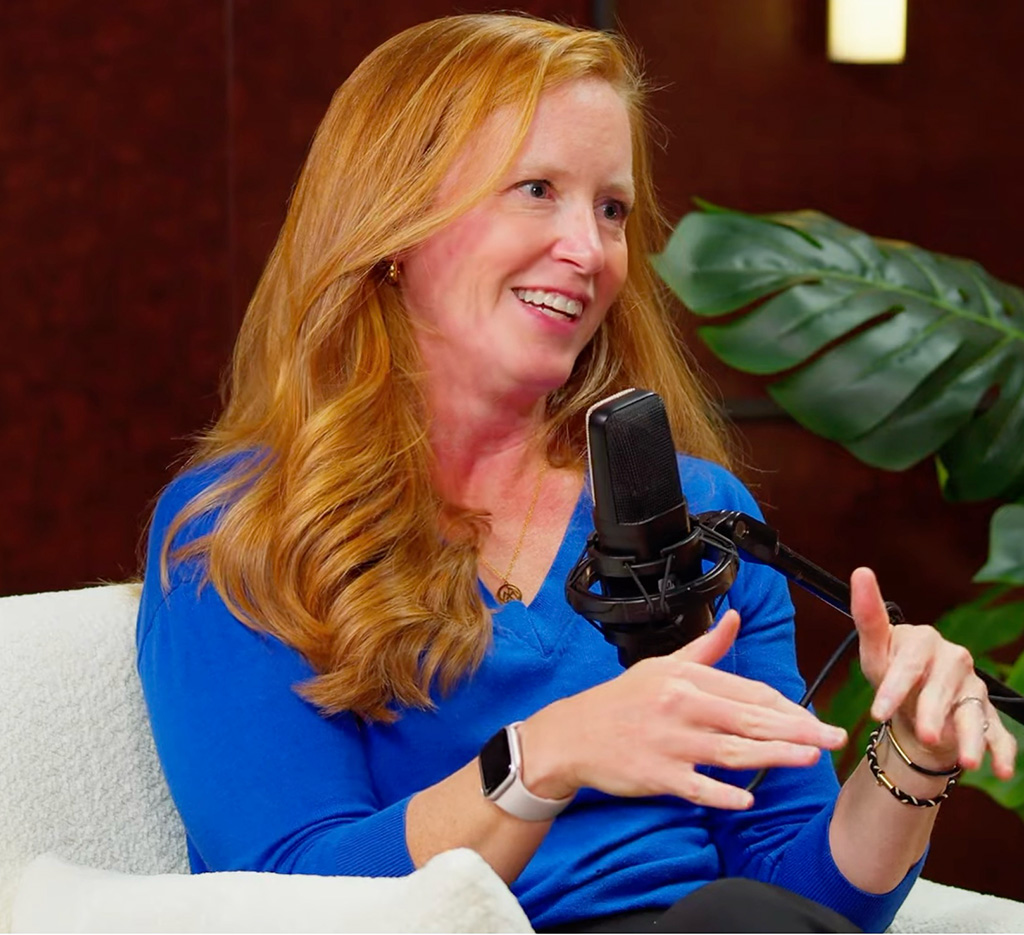
Welcome to the I have ADHD podcast where it’s all about education, encouragement and coaching for adults. With ADHD, I’m your host, Kristen Carter and I have ADHD, let’s chat about the frustrations, humor and challenges of adulting, relationships, working and achieving with this neurodevelopmental disorder, I’ll help you understand your unique brain, unlock your potential and move from point A to point B. Hey, what’s up? This is Kristin Carter, and you’ve tuned into the I have ADHD podcast. I am medicated, caffeinated, regulated and ready to roll. This is the episode that you have been waiting for, ADHD, or this episode is the one all about boredom. Why is boredom such a thing for those of us with ADHD? Why does it make us feel like we want to die, and what can we do to overcome all of the tension and agitation that we feel when we know that we’re up against boredom. I cannot wait for you to hear this conversation. I am here today with friend of the podcast, Dr Marcy Caldwell, and the last time she was on, we talked briefly about boredom and how our emotional pain centers light up when we are bored. And let me tell you that section of the podcast and that clip on social media went completely viral, so we are here today to do an entire deep dive on this subject. Let me tell you a little bit about Marcy. Dr Marcy Caldwell is a psychologist with over 20 years of experience, and she’s the founder and director of the nationally recognized center for ADHD, which is right here in Philadelphia. She’s a leading voice in translating ADHD understanding into practical strategies for both workplaces and families. As a sought after speaker and consultant, Dr Marcy shares her insights with Fortune 500 companies and publications like The New York Times and The Huffington Post. Grounded in her professional expertise and her own life in a family full of neurodiversity, she is a passionate advocate dedicated to creating systems that allow unique strengths to thrive, and she is here with us for the next hour to talk all about boredom. Marcy, welcome back to the show. Thank you so much. I’m thrilled to be here. I’m so glad to have you. I love that you’re just a Philly mom in the burbs raising kids, neurodivergent kids. I feel like there are so many things that we connect on, and I just I love our chit chats. I love that we get to have lunch after this. Me too. Just hang out. It’s the best. Okay, so the last time that you were on, we chatted just briefly about boredom. That clip has three and a half million views on Instagram right now, which is wild. Did you have a panic attack when, when all of that started? Like, blowing up a little bit?
Dr. Marcy Caldwell 3:07
Yeah, maybe more than a little bit. Because, you know, the thing about clips is that you you can’t get into it right? And there is so much more nuance to the subject, and I I worry about accuracy. And I was, I was worried that it wasn’t coming across with kind of the nuance and the accuracy that I would want it to and that I would want people to fully understand. So I’m really excited to be here to, like, dig in. You’re
Kristen Carder 3:39
like, Okay, let’s take a whole hour, because that 32nd clip is probably not enough. Yeah, yeah, the clips like that, and it’s so funny, because that’s the world that we live in right now, is like the world of things being clipped and being sensational and going viral, and we’re never getting the full context. Yeah, that’s what. Yeah. I’m so, so glad that you are here to talk about this. So let’s just dive right in. Yeah, boredom is such a huge issue with people with ADHD, for people with ADHD, and when I talk about it on the podcast, when I talk about on social media, when I talk about it in focused, it is just it touches something in our souls, because I think that we feel like nobody else struggles with this as much as I do, and like this is such a big issue. So what does the research actually tell us about boredom? Like, can we can we talk about boredom proneness in ADHD. Why is this such a thing for us? Yeah,
Dr. Marcy Caldwell 4:44
so it is. It is scientifically a thing. It people with ADHD are much more likely, much more prone to boredom, boredom, sorry, and the more. Severe the ADHD the more boredom prone your brain is going to be. So it is a direct connection and and we see a very big difference in terms of boredom proneness in the ADHD population compared to a neurotypical population.
Kristen Carder 5:20
So we actually are more prone to boredom than a neurotypical, for sure. Okay, that makes so much sense, because the things that bother me about life just don’t bother my husband, yep, or my best friend, like, they’re just kind of like, Yeah, this is just the way it is. And I’m like, well, like, for me, it’s like, I feel like the mundane things of life that everyone just accepts, and they’re just like, and I’m just like, these are the things that steal my energy. They steal my executive functioning. They steal my capacity. They steal my joy. I can’t function because there are bills to pay, or there are dishes, or there’s an annoying project at work that just is, like it has to be done, but it’s, it seems pointless, and it is so boring,
Dr. Marcy Caldwell 6:15
and literally, it’ll do all of those things. So when we, and I’m no world, get into it, when we really get into the neurobiology of why this is happening, it is literally doing all of those things. It is stealing your energy. It is draining you. It is sealing your executive functioning capacity. It is sealing your joy. It is doing all of those things. And it is the ubiquity of things that bore an ADHD brain are plentiful, right? It is all the everyday things, yes. And there are a lot of everyday things in life,
Kristen Carder 6:58
so many, like adulting is so boring. It’s
Dr. Marcy Caldwell 7:01
really boring. Yeah, yeah, I was one complaint.
Kristen Carder 7:05
It feels so validating though, to hear you say that, yeah, it’s such a relief for you to say like, No, you’re not making this up. This is not just like, just you or this is not just like, you need to get over it, necessarily. Obviously, we need to cope with it, but we first need to acknowledge that it is a thing.
Dr. Marcy Caldwell 7:27
Yeah, yeah, yeah. And that’s why I’m always digging into the neuroscience behind things, because I think that that’s really important. I think that really we need to start with an understanding of like, no, no. This is a real thing. This isn’t a, you know, I’m just lazy. I’m just, you know, all the things that, all the stories that people tell themselves or are told over the years, right? Like, this is actual neurobiology. This is how this particular brain is made. And there are some cool things about how this particular brain is made, but there are also some really painful things about how this particular brain is made in this world, right? And we need to understand that before we can build systems that work for it, before we can think about how we’re going to adapt and change the environment and adapt and change how we think about all this, we need to understand what’s actually happening here, and then we can go do all those wonderful things, definitely, all those things should be done.
Kristen Carder 8:27
That’s so true. Because when I work with clients, the first step has to be, this is a thing, and if I don’t accept it, if I don’t, if I don’t accept it as like, Okay, this is just harder for me. Then instead of acceptance, what I’m doing is saying this shouldn’t be so hard. And I cannot tell you the millions of times that I have told myself this shouldn’t be so hard, Kristen, you’re smart. What is wrong with you? This shouldn’t be so hard for you. And what I hear you saying is like, no, no, it should be this hard. It is this hard, and so, like, starting from that place is so validating.
Dr. Marcy Caldwell 9:08
Yeah, it’s that we add in this layer of suffering really right when we’re fighting with what is and when we can start to understand and accept what is, then we’re kind of freed up to go do something about it. But we can’t do anything about it if we’re fighting that it actually is a thing, yeah?
Kristen Carder 9:36
Or if we’re just like, this should be easier. This should be this shouldn’t be so hard. This should be easier for you if you were a better person, if you manage your time better, if you weren’t so lazy, whatever, fill in the blank with like, whatever word you listener are telling yourself, like, if you weren’t such a hot mess, then this would be easier for you. Yep, right? Yep. Oh gosh, it’s so good. I didn’t realize. That there are different types of boredom. Can you walk us through that?
Dr. Marcy Caldwell 10:03
Yeah, yeah. So research has shown kind of two main categories of boredom, so one is apathetic, and the other and one is agitated and so apathetic boredom is kind of the like laying on the couch, scrolling. Blah kind of boredom, right? Just kind of like, oh, nothing’s appealing, nothing’s interesting. I can’t get engaged in anything. And so it’s a very kind of low energy kind of boredom. And apathetic boredom is more common for folks with inattentive ADHD, the other one, agitated boredom is, in some ways it’s opposite, right, triggered by the exact same thing, but felt very differently, and it tends to be as its name is, agitated, right? It’s this, like, keyed up, like, Oh my God, when is this going to end? I have to get out of here. There’s often, like, a trapped feeling to it. It often occurs when you are kind of trapped, right, like when you’re in a conversation that’s not capturing your interests, or you’re in a meeting, or you’re in line, or something like that. And so there’s a lot of physical energy in it, and it tends to kind of, you know, you tend to feel kind of snappy, right? And like can get snippy with people in that agitated boredom. And it is more common for folks with hyperactive, impulsive type. If you’re combined type, you get both. You can, you can feel either, you know, everybody feels both of them, right, neurotypical. ADHD, you know, these are true for all people. They’re just more common and more prone with the different subtypes.
Kristen Carder 12:05
When you talk about agitated boredom, what I think about is me being mostly a stay at home mom, like working very part time with three little kids, and feeling completely trapped and just like, constantly agitated, because nothing was really stimulating in a way that, like, engaged my brain. I loved my kids. I was choosing to stay home with them. That was a values based choice for me, and yet I felt completely trapped by it, and was on that agitation constantly,
Dr. Marcy Caldwell 12:42
yeah, yeah. And that’s such a such a hard one for moms, because, you know, we do, we choose it. We want to do this thing, and it just isn’t engaging. And there’s really nothing you can do to make it engaging, because what’s engaging for a two or three or four year old, just as an engaging for an adult brain and the judgment right like, here we are again, with that extra layer of suffering, that judgment piece kind of interferes and and creates so much pain before we can even, like, begin to think about how, can we solve this?
Kristen Carder 13:21
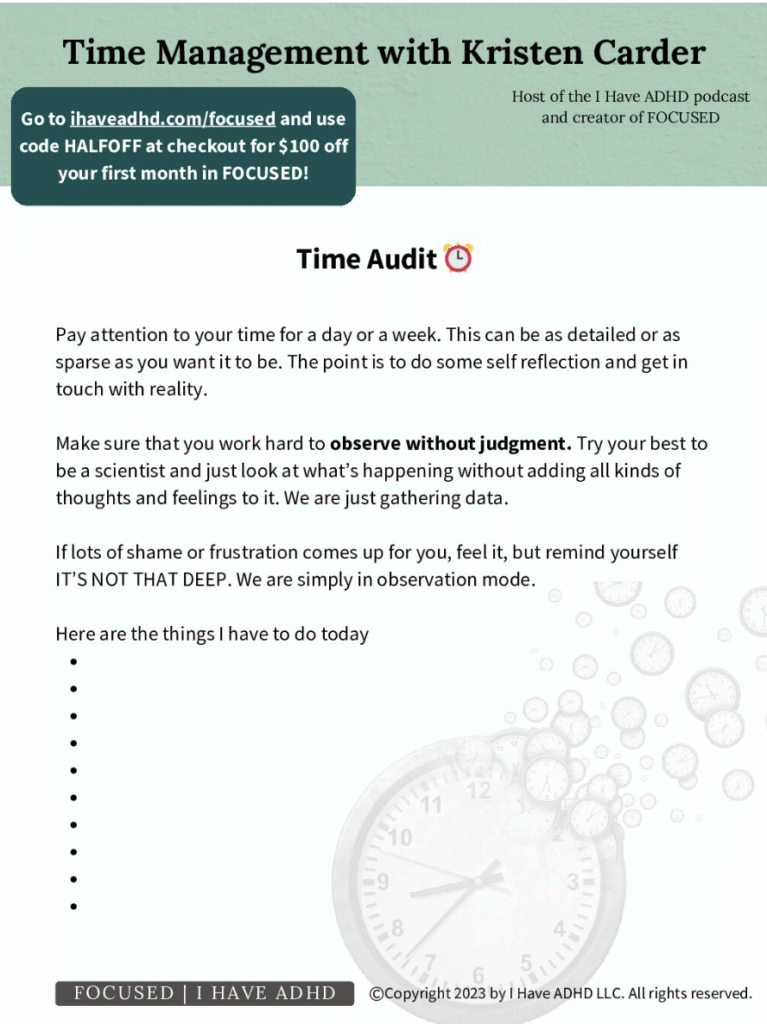
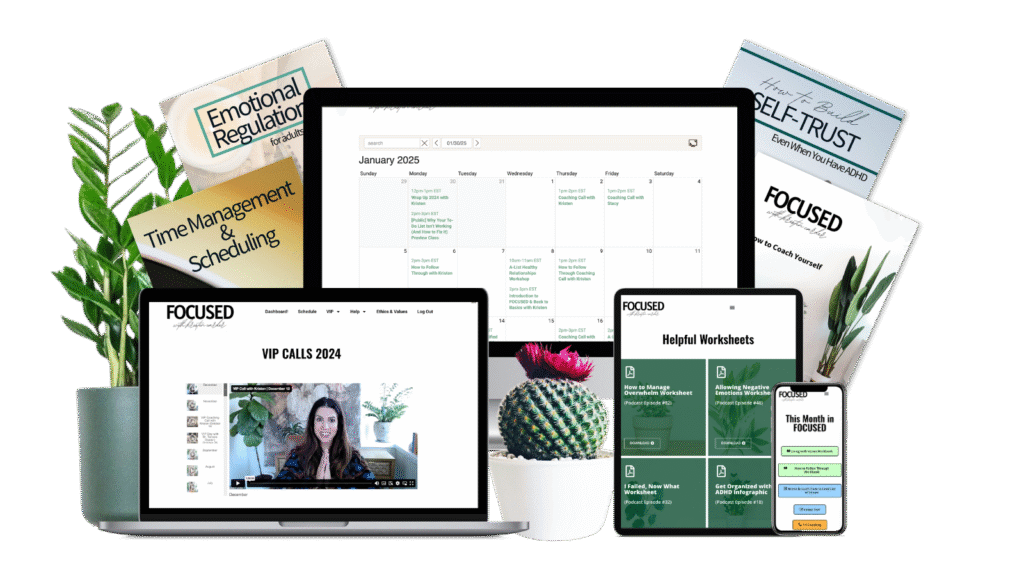
I also remember, like, prior to coaching, working in jobs that were not as meaningful to me, were not as engaging, and just watching the clock and feeling that buzz of like, get me out of here didn’t make me good at my job. No, no. This is why I had to stop teaching piano lessons. This is what. So I have a music degree, which is, of course I do, because I have ADHD, right? So I have a music degree. And I was like, I’m going to teach voice and piano lessons, and like, I’m going to have this music studio, and, and I did that and and I had all of these students, and then I I would sit through those lessons and be like, Oh, M, G, if I hear this song one more time, I’m gonna hurt someone. And I was like, this is not the career choice for me, but that agitation of just like 30 minutes of a seven year old playing the same piano piece that they have for the last three weeks because they haven’t practiced that 30 minutes. Feels like seven years. That’s so funny. Everyone with ADHD knows what to do to improve their lives. You go to bed at a reasonable time, you wake up early, you make a list, you cross things off the list in order, blah, blah, blah, like, yeah, we know what to do, but ADHD is not a disorder of not knowing what to do. It’s a disorder of knowing exactly what to do but not being able to get yourself to do it. That’s why I created focused. It’s an ADHD coaching membership for adults with ADHD. I’m a life coach. Coach with multiple certifications, and since 2019 I’ve coached over 4000 adults with ADHD from all over the world. I know what it takes to help an adult with ADHD go from Hot Mess express to grounded and thriving. I’ll teach you how to understand your ADHD brain, regulate your emotions and your behavior and accept yourself, flaws and all, and with this foundation, we’ll build the skills to improve your life with ADHD. And not only do you get skills and tools and focus, but you’re surrounded by a huge community of adults with ADHD who are also doing the work of self development right alongside of you. Dr Ned Hallowell says healing happens in community, and I have absolutely found this to be true. So if you’re an adult with ADHD who wants to figure out how to be motivated from the inside out and make real, lasting changes in your life, join hundreds of others from around the world in focused go to I have adhd.com/focused to learn more. That’s I have adhd.com/focused to check it out. Okay, so what is the optimal stimulation zone?
Dr. Marcy Caldwell 16:16
Okay, so if we think about, if if you’re if you can imagine kind of a graph, right? And we have simulation on one side and engagement mapped against it, right? There’s an optimal amount of simulation that engages any brain, right? And when we look at that, if we were to really graph it, it actually looks like a, what’s called a bell curve, right? Which is basically just the top part of a bell and so for neurotypical brains, you know, they’re bored if there’s not enough stimulation. And then it starts to increase and increase increase. It gets to, like, a peak level of engagement. They’re super happy. Their brains are happy. And then it starts to get too much, and then they get overwhelmed, right? Okay, so that normal curve, you know, is kind of nice and broad, and they have, like, this lovely, large window of optimal engagement
Kristen Carder 17:21
that’s so happy for them,
Dr. Marcy Caldwell 17:24
for an ADHD brain, also that we can map it the exact same way. It’s still a bell curve, but it’s like, it’s been squished, and it’s also been, like, moved up a little bit, right? So it goes, board, board, board, board, board, board, board, now we got some engagement. Oh, now we went over, and now we’re too stimulated, so we very quickly hits it like crosses that threshold, right? And there’s a you. We need a whole lot more stimulation to get an ADHD brain engaged. And so, you know, what can be somewhat engaging for a neurotypical brain, and they can, you know, get some nice little dopamine flying around because they’re somewhat engaged, it’s going to do nothing for an ADHD brain, and they’re gonna feel under stimulated. And under stimulated, as we’re gonna get into is a bad place for an ADHD brain to be. It’s the bad place. It’s the bad place. Overstimulated is also a bad place. And so it’s this very narrow band. And so I think of it as almost like a little like tightrope walker on top of this little bell curve, just kind of like, are we gonna stay here?
Kristen Carder 18:51
Is this why ADHD ers often make great entrepreneurs and great like ER doctors or nurses in I, one of my neurodivergent kids is talking about not as a career, but as an interim, being an EMT. I’m like, that’s actually a great idea for him, because having that burst of adrenaline, having that like, you know he’s gonna be, I know, in shocking situations, I think he’s gonna thrive. Yeah? I really do.
Dr. Marcy Caldwell 19:24
Yeah, the careers that it is years thrive in often involve this kind of element, right? This like heightened simulation on a regular basis. So, yeah, er, Docs, paramedics, chefs, you know, anything with this kind of high intensity, the other place that you’ll find it is with deadlines, right? Anything that has lots of deadlines or lots of intensity is going to be a place that it’s going to get that agency brain into that optimal zone of engagement. Engagement, which is where it feels really good, right? It’s where hyper focus can turn on. But even if hyper focus hasn’t turned on, it still feels good because the brain’s engaged and it’s and it’s moving, and we have lots of dopamine going on because there’s lots of motivation happening, and it just the sensation of it is good.
Kristen Carder 20:26
So for me, like being here with you, cameras rolling, Dan, the producer behind the scenes there, like, This is a production, yep, and I love it. Like I I could sit here all day and interview like, I wish this was a bigger part of my job, because it does feel so good when I get to coach. And I have a group coaching program, so I’m coaching one on one, it’s just me and the other person. However, there’s 50 to 100 people on the call, chatting in the chat, and I know that, like, this isn’t just one on one. This is like, we’re helping so many more people those types of things, just like light me, I could do that all day, every day. Ask me to write an email or respond to to an email like that for me is, like, I would rather, I would I don’t want to. I can’t. I don’t, please don’t make
Dr. Marcy Caldwell 21:28
me. Yeah, well, there’s no
Kristen Carder 21:30
production crew, right? Like, yes, and nobody cares. The one person, yeah, it’s the pressure,
Dr. Marcy Caldwell 21:36
so good, and that’s why those careers are big too. It’s the pressure, right? There’s, there’s a need for this right now. To ease your
Kristen Carder 21:47
best I have to be on, yeah, yeah. So true. It’s and I messed up at the beginning. And I was just like, Okay, we got to do it again, right? Like, I messed up the intro. I said, like, a weird word. You guys don’t get to see that part because we have an editor, but, but even those types of things get me even more engaged, because it’s like, no, no, you you have to, you have to do better. You have to be better. Yeah. Oof gosh, I love I could talk about that all day. Okay, so talk to me about the theories of boredom, um, attention theory reduced information processing and even links to difficulty tolerating delay.
Dr. Marcy Caldwell 22:27
So there are those three, and there are more. There are a lot of theories of boredom, and the truth is, as with anything like brains are complex, and they’re probably all true to some degree interesting, and we can even see how they work together. And these series are kind of talking about different aspects of the whole phenomenon. Let’s talk about delay. Let’s do it. Okay, so I don’t have my wallet on me, but let’s just pretend, sure I give you $5 now, or in six months, I’ll mail you $7
Kristen Carder 23:09
No, I’m good. I’ll take the five. Okay.
Dr. Marcy Caldwell 23:13
$5 now, $10 in six months.
Kristen Carder 23:16
Five, now, okay, 15, okay. Now we’re talking Okay, like, if we make it 20, then I’d be
Dr. Marcy Caldwell 23:24
like, cool, definitely. Okay, okay, so that right there is the delay tolerance, right? Like, what we’re doing is we’re measuring something now versus something later. $7 is better than $5 right? That’s 10 or 15 or 20, and but that $5 comes with, sorry, that $7 comes with delay. And so how much is the discomfort of delay worth, right? Oh, that’s good. And for an ADHD brain, it’s worth more, yeah? So everybody prefers $5 or $7 yeah? Neurotypical ADHD doesn’t matter. Everybody will say, give me the five now, but a neurotypical brain, usually around like 10 ish dollars, will say, actually money. Why don’t you send that in the mail? And whereas ADHD brains tend to follow along more in the like 15 to 20, kind of
Kristen Carder 24:32
rate, right? So I just proved to your theory, you did make it 20, and we have a deal.
Dr. Marcy Caldwell 24:40
Yeah, so this is an example of this discomfort around delay. And when we look at that, when we look at that, kind of scientifically, neurologically, we actually see you. That that kind of delay is creating not just emotional discomfort, which it does, but it actually creates a physiological discomfort, because it activates the stress response system. And so there is actual physiological and emotional discomfort that is coursing through your body as you’re making this kind of decision.
Kristen Carder 25:27
Okay, this has so many implications, because there are so many good things, so many good things, that if we were just willing to delay that pleasure, delay that dopamine, we would be able to get them, and yet it is excruciating. And you’re saying, I’m not making that up.
Dr. Marcy Caldwell 25:51
No, you’re not making that up. That is very real. There are and and that’s only actually a piece of that puzzle, because there are other things going on that are making the present feel stronger and more real and more vibrant and like it needs to be done now. And so this is a super uneven I call it kind of the uneven scales of time. It’s as if, you know, if we were on these, one of these old fashioned scales, right? It’s as if there is already a weight down on the now and that later has to be really freaking heavy before it even starts to be even, let alone we choose that, yes, yeah, 100% and guess what is, guess what is a is going to like, create future pleasure, right? Things that are boring, things that aren’t super exciting right now,
Kristen Carder 27:03
working out, saving your money, eating healthy, working ahead on a project for work, yep,
Dr. Marcy Caldwell 27:11
cleaning your room, organizing your taxes, right? Like all these things that will feel good later, for sure, but that later is a, later B, pretty amorphous. Like, what does that leader actually like? When is it and what is it gonna feel like? What does that look like? Am I even gonna register it? Because that’s the other thing about ADHD brands, they tend not to register positive things quite as strongly. And so I was like, No, I’ll just eat the donut. And not
Kristen Carder 27:49
Yes. Oh, okay, so how do we give more weight to the side of the scale? That is the delay, the future, the things that will ultimately help us to, like, grow and develop and become the people that we want to be.
Dr. Marcy Caldwell 28:11
Yeah, so is, is, let’s just start this is, it’s really hard, and it what I often ask people to do is to really try to do as much visualization about that future as possible, right? And let’s define it. Let’s clarify it. Let’s set goals. That’s part of what goal setting is. It is creating a defined picture of the future so that we can at least bring it a little bit more into the present, to weigh it a little bit more evenly. It’s still going to be we’re still going to be fighting, but we could make it slightly more even, slightly more present when we say I’m gonna go to the gym now, because I know, because I asked myself, and I tell my clients to do this all the time. I ask them to ask themselves after the workout, right after the workout, and then, if they can, maybe an hour later, am I glad I did it? Not like how do I feel but just, am I glad I did it? Because when you get that data right, you can then say to yourself, I’m always glad I do it. I’m always glad I’m 100% happy that even though I was exhausted and didn’t feel like it, I did the workout, right? It’s a way of bringing that future to
Kristen Carder 29:39
the present. Oh, good. So it’s creating a relationship with your future self. Yeah, exactly. I love that we this is such a good reminder for me as a coach, because I’ve talked about this here and there, but like, this is something I should be talking about all the time with my clients.
Dr. Marcy Caldwell 29:55
Yeah, yeah. And it’s funny, I’ve done this with my my son. As well, kind of like when he’s gone through difficult transition or something, I’ve had him kind of play around with this concept of like, okay, well, if you could talk to your former self, you know, prior to going to this new school or new camp or whatever, what would you say? Right? And he kind of comes up with a little bit of a dialog. And I’m like, Okay, well, so you know, in September, you’re going to be starting a new class, and that might feel similar. How do you want to talk to yourself? Then, right? Like we can do this dialog with our future and past selves. That does do that, it kind of brings that future a little bit more forward and uses data, your own data, right? That is meaningful to kind of try to even these scales a little bit more.
Kristen Carder 30:50
This episode is sponsored by ag one, and you already know how I start every morning with ag one. It’s my one, non negotiable. Well, that and coffee, let’s be honest. But lately, I’ve been realizing that my morning routine is only half the story, because what I do at night, how I wind down or don’t wind down, hello, completely shapes how I feel tomorrow. So I’ve added something new to my nighttime ritual, a G Z. It’s the new evening drink from the team behind ag one, and it’s gonna be a game changer for you. It’s gonna help you to transition out of the chaos of the day. You have ADHD. I have ADHD. We both know how winding down at night is so hard. I mean, it’s always been so tough for me. My brain just doesn’t know how or when to turn off, but a G Z helps me shift into rest mode. It’s a melatonin free formula made with clinically studied herbs, adaptogens and minerals, all which support sleep quality and cognitive function. Oh, I love it. It’s so good. I drink mine warm about an hour before bed, and it has this like subtle herb flavor that just feels part of a cozy nighttime ritual. No sugar, no artificial flavors, just calm and earthy. It’s like an earthy taste, and it signals to my brain, hey, it’s time to chill, time to rest. It’s time to turn off. If you’ve ever tried magnesium or sleep supplements before, this one’s different. It’s gentle, not groggy. I wake up feeling actually rested, not like I need three cups of coffee just to function. So now my routine feels complete. AG, one to start my day. AG, Z to end it. It’s like a full circle support for my body and brain, energy and focus when I need it, calm and recovery when I don’t. Because honestly, how I sleep is going to define how I show up. And that’s true for you too. So if you’re ready to turn down the stress and focus on the rest head to drink a G one.com/i, have ADHD. To get a free frother with your first purchase of a G Z, that’s drink a G one.com/i. Have ADHD. Go check it out. Sin ADHD is a developmental disorder. Are we? Would you say that we’re kind of like trapped in maybe, like, the teen or the pre teen years, as far as like delaying gratification and understanding like impact of future stuff, I’ve been thinking a lot about how ADHD, as a developmental disorder is means, and this is not fleshed out beautifully, so I’m sorry this, this question is going to be clunky. Hang with me, everyone. I will get there, I swear. Since ADHD is a developmental disorder, that means that we’re missing out on some of the key developmental processes that allow us to like develop at a typical rate. So in a 30 year old body, in a 40 year old body, I might have the ability to delay gratification that a 12 year old would have. Is that kind of how I can think about it or do it the end? Was that enough? You get it? Yeah. Okay. Listener, are you still with me? I’m so sorry. Hang with me
Dr. Marcy Caldwell 34:25
so I get where you’re going with it okay, and but we do see that the delays that we see in terms of the developmental processes of the brain, they do tend to kind of catch up at a certain point. And sometimes that’s catching up to your age level peers, sure, sometimes that’s just catching up to where an ADHD brain is going to be, sure.
Kristen Carder 34:59
And. Is that dependent on the person in it, on severity of the ADHD, the executive skills, exactly, okay,
Dr. Marcy Caldwell 35:07
the more severe date is she, the more boredom prone you are, the more delay aversive you are, right? And so it’s not kind of a one to one in that way. We do use that kind of language when we’re talking to parents of kids, because it’s a nice shorthand for helping parents understand, okay, yes, I have an 11 year old, but I need to kind of treat him like an eight year old in these certain respects, not in all respects, but in these certain respects. I need to kind of scaffold his executive functioning like I would for his eight year old brother, sure, but it gets really kind of murky and messy when we’re when we’re talking about adults and even late adolescence, it gets pretty murky.
Kristen Carder 35:50
That makes sense, because I do feel as though I am finally in an adult brain and body. So I’m 44 which I think is a great age. It’s my favorite age so far. And I do feel like I don’t struggle with this the way that I used to, and it used to be a massive struggle for me, and I it’s not that I’ve done any particular deep work on this one thing, but I do feel like I like, I’m finally at the point where I’m like, okay, like, I can pay my taxes, I can save for retirement. I’m not like, necessarily tempted to, like, blow that money somewhere else. Does that make sense? So I do feel like, okay. I feel like kind of a grown up now, it took me until I was 40, but yeah, I feel like I finally got there. Do
Dr. Marcy Caldwell 36:45
you feel like it is inherently easier for you now, or is it that you’re not judging yourself about the discomfort of
Kristen Carder 36:53
it interesting. I actually do feel like it’s inherently easier, right? But I have done a ton of work on discomfort so that may have naturally, like, bled over into that, yeah, that is something that I had to work so hard on, is boredom, tolerating boredom, getting used to the feeling in my body, not panicking, not making it mean that I needed To Change course immediately, like, Oh, this is going to come with boredom. And if I get used to that feeling, then I can do the thing that I care about, which actually is a great transition, because boredom doesn’t sound like a huge emotion. It’s not like fear or anxiety or like depression, like these emotions that we give a lot of weight to, but for someone with ADHD, it actually is a really visceral experience. Can you talk about how the feeling of boredom is tied to cortisol? Yeah, because that’s a big deal.
Dr. Marcy Caldwell 38:02
It’s a big deal. Yeah, for sure. So there. Okay, so there are a bunch of kind of links here, and what so the ADHD brain is people talk about it as being dopamine deficient. That’s actually not true. It has maybe just as much dopamine as any other brain. What’s different about it is that the signaling that dopamine does doesn’t it doesn’t signal as well, and so I often call it a dopamine diffusion difference love that, and so that dopamine diffusion difference is causing less dopamine to kind of be well utilized, and that is experienced as under stimulation, because dopamine is about motivation, right? It’s not about pleasure. It’s about motivation. It’s about drive. It’s about the thing that gets us to do, the thing to get us excited about the reward that might come on the other side of it. It’s not about the reward itself, right? And so when we don’t have that, then we’re not getting engaged. We’re not kind of pushing to the thing and, and we then can’t really engage in our environment, right? The simulation that is coming in isn’t engaging. It’s not hooking us in and, and so we have this kind of chronic level of under stimulation. And what we know now is that that chronic level of under stimulation is experienced as a threat to the body and to the brain. And so. So it actually triggers our alarm centers in our brains to then say, this is, this isn’t good, guys, we got, we got to do something here. We got to get something moving. We need to be engaged. And, you know, makes, makes total evolutionary sense, right? We should be engaged in our environment. Make sure we’re safe. We’re not engaged. And we got to, we got to get something going. And so those alarm bells go off. That stress response feels bad, right? That stress response means that our heart’s beating faster. It means that our muscles are tense. It means that we’re sweating. It means that we have cortisol going on, right? Like all of that is happening and it’s keying you up, and if you’re keyed up, but not engaged in something that is painful, yeah. And so that’s, that’s part of what’s happening inside the brain, and that is what’s kind of triggering this whole experience. That is particularly what’s triggering the agitated type of boredom, right? And sometimes we actually get so much of that that we’re just like, shut down, and then we can switch over to apathetic boredom, where it’s just kind of like, check out, yep, I’m done, yeah. And it’s just one of kind of the adaptations to do that, kind of check out and turn it off.
Kristen Carder 41:39
I mean that I just feel like you’ve explained my life story. This is my life story, like with and even now writing a book, I can sense myself getting into that agitated state. Even though it’s meaningful work, it’s hella boring. Writing is the worst, as you know, and it’s just that feeling of like I’m not okay. I need to get out of here, like I feel that sometimes, and I will. I’ll just go for a walk. I’ll go get a snack. How many snacks? I mean, the snacks while I am trying to write, they’re crunchy, they’re loud, the gum chewing, the snapping. My husband cannot be in the same room. He is like, I need to leave because it’s noisy, but it’s just trying to get my like, my brain keyed in, Yep, yeah,
Dr. Marcy Caldwell 42:29
yeah. And so I’m often recommending, you know, have you tried a
Kristen Carder 42:36
walking treadmill? Not I do have one, but I haven’t tried that while writing
Dr. Marcy Caldwell 42:44
that, yeah, yeah, any type of movement, yeah, is going to help a lot, right? Because think about the amount of stimulation that’s happening, right? You’re getting the kinesthetic stimulation. You’re getting actual physical stimulation with your feet, and your brains having to kind of do a little work to keep you walking and writing at the same time. It’s a little bit of a balancing act, yeah, and so it can, it can do wonders for engagement.
Kristen Carder 43:13
I’m gonna do it Friday. When’s that tomorrow? When I have a six hour block of writing, I’ve heard people say walking is bilateral stimulation, and that’s very good for the brain. So like, Yeah, that’s amazing. Okay, so I think what you just described with the cortisol and the like, it triggering this, like, I got to get out of here, this agitation is that what you describe as torture.
Dr. Marcy Caldwell 43:47
So what a word? Isn’t it a great word? It’s not my word. I wish I could take credit for it. It’s a great word that is the wonderful pen holdernesses word. And yes, it is exactly that. It is that I’m stuck here, and I feel so keyed up. It’s like being a horse, you know, ready at the starting gate, right? But there’s no race, there’s no there’s no potential release here, right? Like I’m just stuck and have to handle that physical and emotional experience and in a vacuum, right? Because it’s also nothing else is engaging except for this experience, and this is the other thing that we noticed is this kind of cycle that happens where you’re bored, it activates stress response, which then gets kind of focused in on and now you additionally can’t engage in your environment. So you get more bored. So. You get more stress response, and it just continues until you finally just check out. Yeah, you either check out or you get the hell out
Kristen Carder 45:09
of there. Yeah, 100% Yeah. Or you turn to alcohol or porn or gambling or something that is extremely stimulating that like and it is a release. It takes the edge off, yeah, for sure. But then that circles back to the delaying short term pleasure in exchange for the long term reward. It’s like, I just spent all of my money on FanDuel because I couldn’t freaking write my book exactly right? It was just like, there goes my retirement account exactly, oh my gosh. Okay. Can we dig in just for a couple minutes on the brain side of things like the neurobiology of boredom? Have we gone deep enough with that yet?
Dr. Marcy Caldwell 45:54
So there is another piece to it. We talked about the kind of the stress response link. The other piece to it is something called the default mode network. So our brain is made up of lots of different components, right? And they work together in these different networks doing different things. And so one of them is called the default mode network. And the default mode network is the different parts. Of our brain working together when we’re not engaged in any particular task, when our brains are not engaged, we might be doing something, but we’re not actually mentally engaged and and it includes brain regions like the amygdala, which is kind of the alarm center, like the hippocampus, which is kind of our memory center. It’s where our brains go to do kind of, I call it recess. It’s where our brains just want to kind of go, you know, I want to go down the slide now I want to go swing on swings, and it can just kind of flit and float wherever it wants to go. And like any recess, it can also be kind of a dark place, right? Because it has memory and emotion kind of tied up in there. And that self reflection is the other thing that’s very much involved in the default mode network. And so there’s a lot of rumination that can happen when we’re in default mode network and but it’s compelling. It’s recess. And the thing about ADHD brains versus neurotypical brains is that with these networks, there’s often this kind of correlation where, like, one turns on and the other one turns off, right and for a neurotypical brain, when Default Mode Network turns on, then it’s anti correlated one, which is called task positive network, turns off. Task positive network is where we are engaged. Is when you’re like, locked and loaded, doing your writing, and you’re like, really in it, right? And you haven’t had a thought about what snack to get yet. And the thing about a So, so those kind of work you’re either in one or the other. For a neurotypical brain, for an ADHD brain, that default mode, network doesn’t really turn off, and so even when task positive network is on,
Kristen Carder 48:27
recess is still going, recess is still going. Yeah, that is so
Dr. Marcy Caldwell 48:31
real. My son went to the school in the city for kindergarten, and his classroom had floor to ceiling glass windows that looked onto the No, onto
Kristen Carder 48:46
the playground that is the ADHD brain. Yeah, that
Dr. Marcy Caldwell 48:49
exactly the picture it is. It’s like trying to teach a bunch of eight year olds to do math while sitting in the middle of a playground. Yes, and you might, you might be able to get some of that across, for sure, but it’s going to take a lot of work, a lot of effort, and there’s going to be a lot of like, no, come on Johnny, get off the swings and come back to class, right? So it’s part of why, a big part of why ADHD brands are so distractible. It’s also part of why emotions are such a big deal for ADHD brains, because that whole network is a very emotional network, and boredom happens when we’re in default mode network. So you’re in default mode network that task positive usually isn’t on when we’re bored, and in that default mode network is the amygdala, which is the alarm center. So Default Mode Network also when we’re bored, is overactive, yeah. So that’s one of the things that we see in MRI studies. It is more active than it’s when it’s just kind of hanging out, which means the whole system is more active. So that alarm center is more active. Add to that one of the anti correlated. So one of the things that that that turns off. When it turns on, it’s called the insular region. And the insular region is all about kind of tamping things down and like, It’s okay, guys, let’s just, let’s calm it down,
Kristen Carder 50:32
soothing, yeah.
Dr. Marcy Caldwell 50:35
And so that actually turns off when, yeah, great. When we’re in default mode network. So here we are in this place that’s extra activated with this alarm center that’s extra activated, and the thing that’s supposed to come in and say, like, Oh no, no, it’s chill out. That’s off. Dang. So that stress response gets amplified and amplified and amplified, right? And as we said, it goes in a cycle so it gets more bigger and bigger and bigger. And is painful. It is physically painful. It’s emotionally painful. It it feels like
Kristen Carder 51:20
torture, yes? And does it make us more exhausted afterwards? Yeah, because I feel like I get so much more tired from typical tasks than most neurotypical people,
Dr. Marcy Caldwell 51:36
for sure. Okay? Because as stressful, even if you just think about the physiology of a stress response, right? Our muscles are tight, yeah, our heart is beating fast, yeah, it’s like we’re running a race, but you’re not. You’re just sitting there doing your taxes. Yeah, right? And, and it’s also cognitively really challenging, because you’re teaching math class in the middle of the recess, and so you’re having to keep calling the kids back over to keep at you don’t
Kristen Carder 52:12
just get to teach the class. You also have to multitask and, like, get everybody back, yeah, yeah.
Dr. Marcy Caldwell 52:18
So it’s going to take longer. It’s going to be more exhausting and you’re going to feel more fried, yeah, and just kind of
Kristen Carder 52:26
done. Yes. Okay, so how, what do we do? I think we touched on at the very beginning that understanding it, accepting it as a part of who we are is like Paramount fundamental, we have to start there. But then what?
Dr. Marcy Caldwell 52:47
So, yes, totally number one place is, let’s do some acceptance
with the acceptance now, then we can say, Okay, well, are some of these things, maybe just things that I don’t do, right? Like, can we outsource some of this stuff? Laundry
Kristen Carder 53:07
service. Laundry service, if we have the money, spend the money, yeah, on that kind of stuff. And if you don’t have
Dr. Marcy Caldwell 53:13
the money, can you barter in in some way? Right? Because, guess what? It is, your brains love to do things that other people don’t love to do, right, right? And so can you do some kind of trade off in your marriage or with friends or whatever, to utilize your skills and utilize other people’s skills? Right? So I always think first step is, what can we get off the plate? What can we just stop feeling tortured by Yes, love. And then it’s a matter of, Okay, now we’re left with kind of the have tos and and the want tos and so how are we going to get this done, right? And that’s where we can kind of put in, like a whole bunch of different different scaffoldings in um. So one of the things that we want to do, and research shows that breaks don’t work. So wait, pause, what? So a break from a torture item doesn’t really help, because it’s not actually you then have to re engage with the with the thing that you’re feeling tortured by. It took you forever to get started. Yeah, and now you’re there. And I’m not saying, you know, do your taxes for 12 hours straight. And, you know, be reasonable,
Kristen Carder 54:50
but hire an accountant.
Dr. Marcy Caldwell 54:54
But it but this kind of idea of like, do 50. 15 minutes and then take a five minute break, and then do 15 minutes and then take a five minute break, like the Pomodoro method, the Pomodoro method, there is a lot of resources that that doesn’t work that well for ADHD brains.
Kristen Carder 55:14
And this is breaking news. I think this is the clip Marcy that you’re going to be emailing about,
Dr. Marcy Caldwell 55:20
like, I’m going to have a panic attack tomorrow.
Kristen Carder 55:24
Wow, this is huge,
Dr. Marcy Caldwell 55:27
and and that that is because that boredom, yes, also is aversive, yes. And now we’re gonna build up a whole bunch of avoidance, yes, to the aversive thing, and we’re gonna have to spend a whole lot of time re engaging, and then we’re gonna have to, you know, then be in it, um, and then all of a sudden it’s gonna be over, because We’re gonna have to take another break, right? What seems to be more effective for boredom is trying to increase engagement, right? So rather than being like, this is just dumb, and it’s always going to be dumb, and I just have to, you know, torture myself through it. It’s, How can I actually engage with this thing? So this is where like gamification comes in. And you can do gamification in, you know, app form or whatever. There are 5 million of them, but you can just do it yourself too, right? If you’re having a conversation with somebody who tends to repeat themselves over over and over again, right? Like you can count how many times are they repeating them? Make it a drinking game, yeah? Exactly. Just you make it a game, yeah? And you make it something that you can engage with, yeah. Better yet, you you see how many questions you can ask that person in a period of time, right? And actually, actually engage. And you can create these kinds of games with lots of different things, right? You can time yourself. You can say, Okay, I think I can do this pile of dishes in five minutes. Let me set the timer and go right? Let me see if I can beat the the five minutes instead of reward systems, if you do beat it right? Like, you can kind of create a whole game around things and and so that’s one way. But the other way is just kind of cognitive engagement, right? Like, how can I be interested in this thing, you know, so I, I have to do this spreadsheet, and spreadsheets bore me to tears. But if I’m trying to figure out, like, oh, but can I make this equate this cell like a formulation, and make it kind of work for me. And, you know, like, and then I go searching for, like, how to do that. And now I’m engaged right now, I’m actually like, oh, I want to do this thing because I want to, like, figure out how this works. So when we try to get engaged and increase that engagement, that’s really helpful. It’s also, and this is where people want to roll their eyes, and I totally get it. It’s also all of the regulatory things, right? All of the things that increase our regulatory capacity, and they are primarily the six things of sleep, exercise, nutrition, medication, connection. And if we get those that we’re full right and we have more to spend, so true, and if you have more to spend, then you can call the kids off of the swings and back to math class. If you go in exhausted and not having eaten and not having exercise and not having taken your meds, right? You’re going to be screaming at the kids on the swings, you know, within a minute. So it’s about kind of building up the resources trying to manufacture engagement and getting rid of as many of the things as possible.
Kristen Carder 59:28
Yes, Would you repeat those core six regulatory things for us? Because I think that’s really important. We could do a whole episode on each one of those, but just repeat them for us.
Dr. Marcy Caldwell 59:42
Yes. So research shows these are kind of the top things. There are other things, but these are kind of the top ones with the most research backing for them that increase regulatory capacity for ADHD brains. They are sleep. Sleep will get you to. Your kind of natural Max, right? Exercise will give you some extra. Exercise is really doing a lot of what ADHD meds do, and nutrition, particularly, we’re talking about good even blood sugar, that’s what we’re talking about when we’re talking about nutrition for ADHD brains, yep. Um, and medication, meditation and connection, so good. What a
Kristen Carder 1:00:32
perfect place to end. It’s so good. Marcy, thank you so much. This episode, it was, is jam packed. I’m so glad that you came back and turned a 32nd clip into where are we at? Like, an hour and 15 minutes? I just, I love it. It was great fun. Thank you, yeah, thank you so much. Hey, if you liked this episode, don’t forget to rate it. Don’t forget to click that subscribe button. Don’t forget to give this podcast a little bit of love. Thanks so much for being here. We’re going to see you next week. Hey, ADH, dear. I see you. I know exactly what it’s like to feel lost, confused, frustrated, and like no one out there really understands the way that your brain works. That’s why I created focused. Focused is my monthly coaching program, where I lead you through a step by step process of understanding yourself, feeling better and creating the life that you know you’re meant for. You’ll study, be coached, grow and make amazing changes, alongside of other educated professional adults with ADHD from all over the world. Visit I have adhd.com/focused, to learn more.