


Kristen Carder 0:05
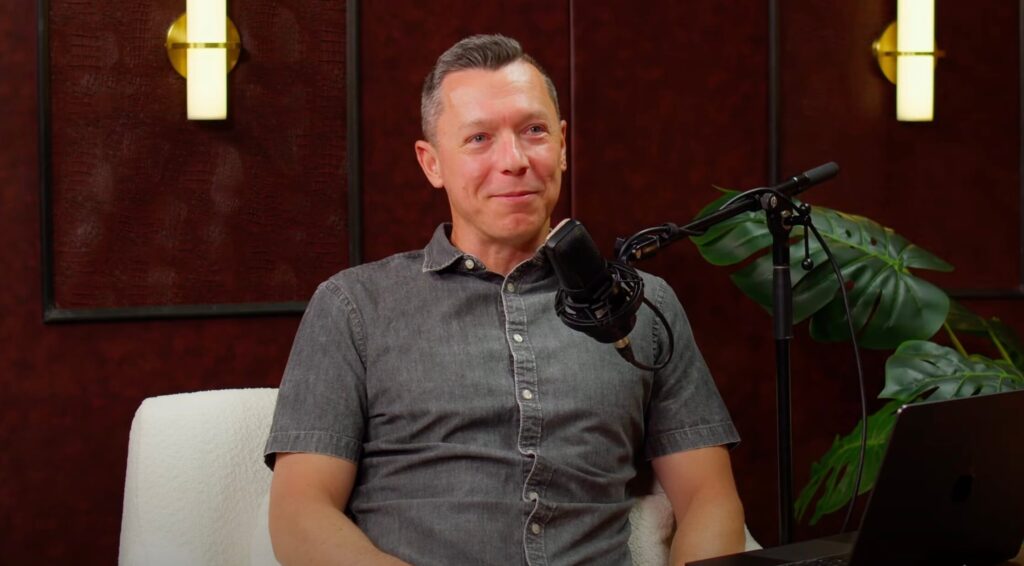
Foreign Welcome to the I have ADHD podcast, where it’s all about education, encouragement and coaching for adults. With ADHD, I’m your host, Kristen Carter and I have ADHD, let’s chat about the frustrations, humor and challenges of adulting, relationships, working and achieving with this neurodevelopmental disorder, I’ll help you understand your unique brain, unlock your potential and move from point A to point B. Hey, what’s up? This is Kristen Carter, and you have tuned in to the I have ADHD podcast. I am medicated, caffeinated, regulated and ready to roll. I am here with the love of my life, Greg Carter, we are going to be talking about all things parenting today. I can’t wait to get into it. Parenting is hard for anybody, anytime, anywhere. Throw some neuro divergence into the mix, and it becomes even more complicated. In our relationship, we are a little bit mismatched, because you’re a neurotypical human, I am a neuro divergent human, and we have a mix of neurotypical and neurodivergent kids as well. So it gets a little complicated. We’re gonna get into all of it today. But first I wanted to say, if you are watching this and you have not subscribed to the podcast, if you are listening to the audio and you have not hit that follow subscribe button, would you? Would you do that? For me, it’s a one teeny, tiny little thing that you can do to support the show. It would mean so much, especially on YouTube. We just started posting on YouTube not even a year ago. We are trying to grow our subscribership, and if you are watching on YouTube, please hit that subscribe button for me, that would mean so much. Today, we’re gonna talk about all things parenting, as I said, and to get started, love, how would you describe parenting? What’s it like? Just give us like, kind of like your 3000 foot view. How do you how? What’s parenting like for you?
Greg Carder 2:12
Yeah, I was thinking about the details of this episode, going into it and looking back. So if we’ve been at it for 17 years now, parenting for 17 years, and it’s not, you know, nobody can prepare you for it. There’s, there’s no preparation for it. I we just recently had an experience at an amusement park with our youngest, who is just getting the courage to ride the big roller coasters. Hasn’t done anything upside down yet, but he’s done all of the other ones. And he asked if I would sit with him while we go on the ride. And my arm was he was grabbing onto my arm, including the bar and all that stuff. And it started out with a lot of excitement and anticipation as he was waiting in line, getting closer, and then he got nervous. And then as we were going up the hill, he cried for a few seconds. Yeah, as as it got really fast and the adrenaline was flowing, he cried. But about halfway through this 62nd roller coaster, he shouted, I love my life. And and then at the end, gave me a great fist bump, so happy that he did it. And I was like, this is kind of like the parenting journey. Now we’ve been married over 20 years and and parenting for 17 it’s like anticipation, excitement, and then you cry, and then you like little fist bump a couple years in great
Kristen Carder 3:53
life, yeah, happy we did it. That’s so interesting, because when we were in the throes of it, our kids are. Our first two are not quite two years apart, and then we have a four year gap and and when we had, you know, a newborn, and then a four year old and a six year old, that was intense. That was an intensity like I have never experienced. And so to kind of make it through that. And now they’re 1715, and 11, and it’s like, this is a breeze compared to what we went through when they were tiny. We’re in the I love my life part,
Greg Carder 4:32
yeah, I think so, yeah, yeah. I mean, family outings are fun. Vacations are fun. Yeah, there’s so much independence and joy and courage and
Kristen Carder 4:42
yeah, watching them like, become who they are and do their thing. Yeah? Oh, it’s so fun. All right, so what we’re gonna do? We chatted for a while about how we’re gonna structure this episode. We’re gonna kind of take turns asking each other questions. Yeah, yeah.
Greg Carder 5:01
Yeah, yeah. So, I mean, you know, I don’t know, you don’t have people ask you many questions on this podcast, but I was wondering, I think your perspective is the best one of the two, what it was like when you started to discover that we had neurodivergent kids? Mm, hmm,
Kristen Carder 5:18
yeah. I think that is a really interesting it’s a really interesting experience to observe your children alongside of your friend’s kids, and to begin to notice the differences that you see in your kids compared to your friend’s kids. And there’s this feeling of, I don’t want to compare my kids. I want to let my kids be who they are. But also like, like, one of these is not like the other, you know, and noticing differences even as young for one of our kiddos, as young as, like, six months, yeah, for being like, you know, I had a group of friends at the time. We were all having babies right around the same time and and that was kind of my barometer for, like, what’s quote, unquote, normal or typical, which is, you know, whatever dangerous to say. And our one child was not like the other babies, and it was, it was an interesting experience, because it was like, What is wrong with me? Why am I doing something wrong as a parent? Yeah. How come my kid doesn’t sleep? How come my kid is the one who is always awake, how come my kid is one that’s like, how come it’s my child? And like, what am I doing? And at the time, I wasn’t being treated for ADHD. You know, the recommendation at the time was that you did not take ADHD medication when you were pregnant or nursing. And so it was really hard, because I had, I carried a lot of anxiety and noticing differences in your in your child at that young of an age, and then into toddlerhood, and asking pediatricians, do you think there’s something? And they No, he’s just quirky.
Greg Carder 7:19
No. It’s just like, Yeah, I mean, I think I know what you’re talking about. Like, friends would say, I just it’s car rides are so easy because my kid just falls asleep.
Kristen Carder 7:30
Like, what are you talking about?
Greg Carder 7:34
That never happened for us, never. In
Kristen Carder 7:37
fact, it was like, and, and I know now, or we’re
Greg Carder 7:40
going for a hike, I’ll put them in the backpack we find.
Kristen Carder 7:45
Or just just bring them over, he’ll sleep, like, put him down on in a pack and play here, he’ll sleep. And there’s, like, What are you talking about? Like, whose child are you referring to? It seemed like there were a lot of differences, like, in those very early years. Now, he wasn’t diagnosed until years and years and years and years later. But in retrospect, it’s like, so validating, and I have so much peace knowing, like, okay, there was a reason he was extremely neurodivergent and like, That makes so much more sense. And then with another one of our kiddos, we didn’t notice in his infancy or toddlerhood, but for me, when I began to notice, he’s diagnosed with dyslexia, and so when he was in school and learning to write, there was just a stark contrast between his writing and other kids, and that was interesting to navigate too, because his teacher would say he just needs to slow down. And I that made me feel a feeling like, oh, like he would be able to do it if he would just take his time, and that was so frustrating. And I remember, I’m really proud of the way that I was able to handle that and just be like a no, no, like, that’s not how we’re going to do this. And so I really pushed for him to be evaluated, and I’m really glad that I did. Yeah, so yeah, it’s a, I think it’s an interesting road to navigate, because you’re wanting to see who your child is and let them be who they are, but you’re also, of course, comparing them to the to their peers, and wondering like, Is this enough to get a diagnosis? Is this? Is this? It’s hard to know when to take that step, I think is what I’m saying, yeah, yeah.
Greg Carder 9:46
This might be a jump in the questions, but it’s, it’s all I’m thinking of as you’re describing this we did you when you described the six month, you know, the sleeping in the car, being fussy, all. Stuff. There were times when we felt like, or you felt like, it was your anxiety causing their anxiety, yeah, which later turned out to be not necessarily true.
Kristen Carder 10:17
Yeah, I It’s like this ball or this like circle or cycle of like, I’m anxious, I also notice my baby’s anxious. Maybe I’m anxious because of my baby, or is my baby anxious because of me? My
Greg Carder 10:29
anxiety is the reason why he’s not sleeping in the car. Yes, yes. So there’s something wrong. 30 pm and we’re on a road trip. This is his bedtime. Is normally eight, yeah? And he’s wide awake, yeah, eyes are red, screaming because we’re anxious, yeah? And it’s that’s not,
Kristen Carder 10:47
that’s not the case. Yeah, yeah. There’s so much self blame, I think that parents experience with like, if I had done it differently, maybe, and I still do that in my own brain. But there’s so much like, am I causing this? Am I the reason? Yeah, and I think that can also really hinder us from getting support for our kids, because we’re like, it’s my fault, not like, oh, it’s it. Their brain is wired differently, or their bodies are processing things differently, especially for one of our kids, who’s like, entire body reacts, to be able to say, like, Oh, that’s not, that’s not my fault. Like, it’s okay when no human is born, absolutely perfect. Like, we all bring our different quirks into the world, and that’s not on me. Whoo.
That was,
ooh. It was. It’s a rough road to navigate. I’m curious, from your perspective, especially as the neurotypical in the relationship, what was it like for you as we went through the diagnosis process with the two of the kids that are and as I just want to say to the listener, like as we’re talking about this, we we had a conversation on the way here, it’s really important to us that we are able to share our story and our perspective as parents, because that’s important, that we’re able to share a story, but that We’re not outing our kids or sharing information that doesn’t belong to us. So we’re doing we’re going to do our best, and you’re going to hear us kind of dance around or tiptoe around, making sure that we’re able to share stories from our perspective, but not disclose revealing factors about you know which kid is which and we have three boys, so that’s, you know, obvious, but we do want to preserve their anonymity and make sure that they get to share things about themselves as they as they age, they’re they’re all minors, and we want to protect that. But what was it like for you, Greg, as we navigated the diagnosis process. And do you remember with one of the kids when it was like, It’s time, sharing a room with the brother and just it being a really difficult summer? Yeah, I remember you just being like, it’s time. Yeah,
Greg Carder 13:21
yeah. Let me start with the first part of that question. What was it like for me to navigate that? I want to maybe point back to a previous episode where you and I talked about just our, like, our marriage relationship, yeah. So what I’m about to say there’s more information and details there. Little shout out to the podcast the you when it comes to the diagnosis process and getting them evaluated, you were 100% already bought in because you had started. You were the learner. You were the one experiencing it. You had zero reservation regarding was this valid and had already walked through the process yourself. So for you that all the doors were open. For me, I had to, in the same way that I had to, you know, learn to understand you. I had to then do that also with each of our kids like so the process for me was the same, very similar to what it was like in our marriage, where I had to be open, I had to be willing to learn, I had to be willing to have my beliefs challenged, and I had To make sure that I wasn’t in a like letting too much fear of the unknown prevent the support that our kids needed, yes, maybe not fear of the unknown, but ignorance, sure.
Kristen Carder 14:56
And
Greg Carder 14:58
so I would say sorry to interrupt you. I. Good I would say, like when you would really affirm pressing hard into something, I had to say yes, in spite of my gut reaction, which was, what? Well, he’s a kid. He just isn’t disciplined enough. Yes, I haven’t parented him. His brain’s not developed yet, or he’s lazy, or
Kristen Carder 15:25
I haven’t done a good job holding boundaries, and if I did
Greg Carder 15:29
something that needs to be corrected, yeah? Ooh. That goes
Kristen Carder 15:35
Yeah. That goes right back to like me, thinking my anxiety was causing the baby’s anxiety. It’s like you thinking like your parenting was causing neuro divergence, like if, if I just was more disciplined,
Greg Carder 15:50
yeah. And we were really good at keeping boundaries, yeah, for a long time. Yeah. And if something didn’t go right? You know, my brain would go to that one time when I didn’t hold a boundary, or, you know, I didn’t make a brother apologize to another brother for hurting them in some way or correction of some sort. Yes, I asked you to clean up your room. You didn’t that. You go back to that one time. It was that one time I didn’t follow through on being a parent. This is the reason why this is happening exact same thing and just a lot of self blame, instead of seeing the child for who they are and how they are. You independent from my behavior.
Kristen Carder 16:38
Yes, it’s so good. It’s, I think, just like with yourself, where it’s like, should I get diagnosed? Is it worth getting diagnosed? Is this bad enough to get diagnosed? It’s the same process with a child, like we noticed in in one of our kids, like I said as a baby, and I asked every pediatrician and every teacher, every single teacher, do you think that maybe No, he’s such a great kid, which I hate it when people respond with that. I’ve gotten that response so many times. No, he’s such a great kid. As if neurodivergent children aren’t great, as if he can’t be a great kid and be struggling? No, he’s such a great kid. And I’m like, Yeah, I know he’s a great kid. Yeah, it seems like he’s it seems like there’s some differences here.
Greg Carder 17:32
Yeah, they’ve had, they’ve had some great teachers over the years, and we love the school district we’re in. But when this topic would come up, it didn’t get a lot of traction. You really had to push, and we had to seek help outside of the resources that were already being given through the school district and whatever else.
Kristen Carder 17:52
Absolutely, I think that that speaks to like when you come from a two when you have the privilege of coming from a two parent household that’s relatively stable, it’s actually very easy to fall through the cracks. And so this is just a word to parents. Like, if your family is perceived as stable and your child is perceived as a quote, unquote, good kid, it’s gonna be so easy for that kid to fall through the cracks, because the school, the teachers, are very well meaning, but your kid is not the squeakiest wheel, and that’s a good thing. You’re lucky, right? Some of y’all do have squeaky wheels, and God bless you. But if, if your kid is just like you notice that they’re struggling, but like, they’re fine, you know, and like, the teachers are just gonna be like, no, they’re great. They’re great. But with both of our kids, I knew, I knew there was something going on. And so, yeah, we actually went through an outside they both got neuropsych evaluations.
Greg Carder 19:01
Yeah, yeah, yeah. So my personality in life, normally would be, if someone is in a position of authority is telling me it’s okay, I’m generally going to accept that it’s okay or that it’s going to be okay. And I would imagine that there are people listening whose school or teacher has said exactly what we were told. They just need to grow up a little bit. They need to take their time. They’re fine developmentally. You know, they’re like other kids, or whatever that I would just say, like what Kristen just said, to follow your gut if you think that there is more, definitely pursue another opinion outside. Because not everybody who’s giving opinions in the in the world, world be great way to say knows what the hell they’re talking about. It’s
Kristen Carder 19:51
so true. And again, you’re when you bring up neuro divergence or a learning disability with your child. You come from, again, a relatively stable home with a with a rule following kid, and your kid’s well behaved in the class, right? If you have a rule following kid, you’re gonna have to work pretty hard to get them support. So like with our one who’s dyslexic, he would have never gotten that support had we not gotten him, and because he is, he is the most compliant child, right? And does all the things that people tell him to do, we have a compliant one and a not so compliant one, and then and then another one. Yeah, I don’t think he would have ever gotten the support that he needed. So he had an IEP for a couple years, and I would say that, like, to their credit, he is a product of success in the system, like he really did well, and he got support, and he really succeeded. And I’m so grateful I know that they’re not every story is like that, and a lot of parents feel like the education system, you know, didn’t give their child what they needed. But for us, we really are so pleased, and really feel like he got what he needed. Now he’s been downgraded to a 504 which is so exciting, and he’s doing
Greg Carder 21:15
great, and I don’t know what any of that means. Kristen knows what all that means. And we’re great,
Kristen Carder 21:22
and we’re fine. And that’s maybe like, in the parent no, sorry in the marriage podcast that was out last week that you referred to, we talked about division of labor, and this is just another example of division of labor. Like, I’m not going to be doing laundry, sorry. Like, I’m not going to be the one that’s going to, like, make sure everybody has undies to wear. But I’m a, know what a 504 is. I’m a know what an IEP is. I’d be emailing the teacher to make sure that the kid is getting support. And that’s why in the marriage podcast, we talked about, like, looking at division of labor as a whole, not just in the micro moments, but like overall, because that kind of thing only happens once in a while, right? An email from a teacher or a kid needing support, but it’s really important when it does happen, and that’s yeah, where I’ve been able to carry my weight
Greg Carder 22:12
you have in this area, yeah, all the weight. I’m really proud of that. Me too proud of you. Thank you. Did you have any fears? I think you and I think you and I probably have different answers for this. Do you have any fears going into diagnosis or concerns?
Kristen Carder 22:28
Great question, I think, with one of the boys, because we had not been believed for so long, my fear was that we would come out with nothing, that they would just say, like, no, he’s just a great kid. He just happens a couple little quirks. That was my fear that that we wouldn’t actually have answers. And I was so grateful to that experience, because I remember having that meeting with the neuropsychologist, and she said, Your son is suffering,
Greg Carder 23:09
yeah.
Kristen Carder 23:10
And I was like, Thank you. Thank you. Like we needed to hear that. We needed to hear that. And so that was so so validating, but also just relieving, because it was like, Finally, someone is seeing what we’re seeing. Yeah, at that point, he was experiencing a lot of motor tics. So he was doing a lot of like, blinking and head nodding. He was getting headaches at the end of the day, he was doing a lot of, like, throat noises. He he was doing a lot of ruminating, and just, like, really a lot of behavior that just wasn’t him, like, we were just like, this is like, what is going on? Yeah. And to have an answer for that was so relieving. Yeah, yeah, yeah. So my fear was that we wouldn’t get answers, and that we would just be told, like, no, because, like, I said, and we did have several pediatricians, and of course they had even, like, in preschool, and like, I would ask them, you know, like, I feel like there’s something going on here, and no, because he was very verbal and he was very responsive, and he made great eye contact, and he he was always able to communicate well with adults, you know, yeah,
Greg Carder 24:32
yeah. It makes me wonder. I want to get back to my answer on that, but it just makes me wonder that when people say no, he’s normal, that there’s actually that’s proof for evidence that there are more kids out there who need support that they’re seeing. What they’re calling normal is like half the class needs a little more support than what they’re getting. Yeah, and so is just blending in. But he’s blending in with kids who need support, not just blending in with kids who are like, ah, such a on their age level.
Kristen Carder 25:06
Yeah, that’s such a good point. What about you? Did you? Did you have fears as we were going through that?
Greg Carder 25:13
Yes, and I think for someone in my on my side of things, my fear was a diagnosis would be something that would follow him in a negative way and shape his identity, that would potentially cause him to feel, to become an insecure adult, yes, carrying a label, yes, that that it could harm, you know, his like future that could harm him in job interviews or performance related stuff, where he’s second guessing himself, but also just a label that would follow him, that would prevent him from getting opportunities that he deserves, or could just work hard for sure. So that was my fear.
Kristen Carder 25:54
Have you like has that fear come true at all?
Greg Carder 25:59
None of that’s been true. So I haven’t, I haven’t seen our kids carry a label over themselves in this area. I agree and and the idea that they would be labeled a certain way in school has not proven themselves, proven that to be true. Yeah, either. Yeah. I mean, they’re given opportunities in the clubs that they participate in, you know, if they work hard, they’re rewarded for it. So that’s so true, yeah? So as they’re growing and they’re, you know, like, whether it’s, you know, music or sports or whatever it is that they’re in. If they put in the effort, they’re rewarded equally as they are with everybody else.
Kristen Carder 26:48
And I think that speaks so much to like the potential as they move into adulthood, and also like us as adults, neurodivergent adults, adults who might need to rely on medication or support of some kind. It’s like, you can still participate in society, and it doesn’t have to be a label I’ve never heard. I’m trying to think about, like, whether or not the kids have said, like, Oh, it’s just my XYZ, you know? Yeah, I don’t, I don’t think I have. And if I were to, I would say, like, oh, okay, so one of our kids over vacation didn’t take their medication, and they were trying to excuse obnoxious behavior with I didn’t take my medication, and I said, when you forget to take your medication, first of all, that’s on you. Like, that’s your job to make sure you’re managing, and it means you’re you’re actually gonna have to work harder. Like, this is your job now to work harder. So when you know that you’ve forgotten your medication, you gotta lock in, and you got to work harder, right? And, yeah, that’s that. That’s the only time. And I think as a parent, it’s like, do you accept the excuse, or do you help them to like, Okay, how are you going to navigate that? Like, you’re going to forget your medication sometimes, as an adult, does that mean you take the day off of work? No, it means like, Okay, today is going to be a harder day. What do I need to do to make sure that I can, like, navigate it, yeah, yeah.
Greg Carder 28:28
That’s a tough word for a kid. Teenage boy, I know, yeah, so I was you brought up medication. Why? Why did, why did we make the decision to medicate?
Kristen Carder 28:41
This is such an interesting topic because there are so many different perspectives on it. And, you know, there are families that are like, I would never medicate my child, like, how could you? And then there are families that do it without even thinking or considering. And I’d like to think that we’re somewhere in the middle where we gave it a lot of thought and research. We have one child that when the neuropsychologist looked us in the face and said he’s suffering, that was a really important moment for me, because with his flavor of neurodivergence, the medication needed is a really serious medication that I was like, I don’t want my child taking that type of medication. And when doing research on it, and then speaking to the neuropsychologist, being able to understand, like, that’s adorable, that you don’t want like, that you have this thought that’s like, oh, I don’t want my kid on that kind of medication, but your child is suffering. And are you willing to give your child what they. Need. And so that was, that was a hard moment for me, because it’s not like ADHD medication I’m very familiar with. This was a different type. And so that was a harder decision. And like, heart work for me was just realizing, like, okay, would I withhold glasses from my child. Would I withhold a knee brace from my child? Would I with if it was ADHD? Would I withhold ADHD medication for my child? Like the answer to all of those are no, so why would I withhold this from him? But that was hard, yeah, that was hard for me with the other one who is medicated for ADHD? I because I have, like, this is my field, although I don’t know that I was in it full time at the time, I it was much easier. And I knew, like, we can just start it and stop it, like we could just give it a try and see how it, see if it works for him,
Greg Carder 31:02
yeah. And, you know, having not knowing anything about the medication and all of that, having no experience having taken it in the past, I have been a part of the the every few months as a checkup and, and, yeah, and you’ve done a really good job at helping the kids explain how they’re feeling when they’re on it, and they have a lot of authority, yes, in that, in the outcome. So we’re not evaluating their behavior and deciding to push for more or less medication. We’re asking questions and giving them chance to answer. How is it making you feel? How do you think it’s affecting your performance? How do you think it is addressing this particular need that you have? And I just think that that’s been really good. So, yeah, we haven’t taken, oh, you’re behind in your grades, or you’re struggling more totally, you know, over summer break to take care of your room or get your chores done or something like that. Lets up the medication. We’ve not forced that in any way, but it’s very much been a partnership with them and how it’s making them feel and how they’re seeing it act out or play out in their life. So true.
Kristen Carder 32:11
I’m really glad that you said that we we’ve had the luxury of them being older, yeah, yeah, right, so that’s important, yeah, but I do think that even at 5678, you can be partnering with your child and asking them, how do you feel in your body, how do you feel in your brain? How do you feel when you’re at school? How do you feel when you’re doing your homework? Those kinds of questions are important, and a six year old can answer that they can in their own developmental way. I totally agree, because I don’t want to have an expectation that’s too high and say like, okay, my kids should get all their homework done on time, get A’s in all of their classes, keep their room clean. So if that’s my expectation, and I’m using medication as the barometer, like that is unhealthy. That is not that is not at all. It’s more like, yeah, how are you feeling? So what we noticed with our ADHD kiddo, who tends to be more inattentive, meaning daydreamer, kind of getting lost in his thoughts. We noticed, like a withdraw of like, where did he go? And when we decided to go ahead with a stimulant medication for him, it was like he was unlocked. Yeah, it was like, Oh my gosh, like, unlocked
Greg Carder 33:44
is the perfect word, yes. It’s like he was trapped in there, and all the sudden he was present.
Kristen Carder 33:49
Yes, and I want to make it clear it it seemed to be when, like, he was very chatty as a toddler, but when he went to school, it seemed like he got overwhelmed, and then would come home and just have no words. Absolutely not be able to tell us how his day was, not be able to talk about school at all or what happened. My heart is hurting. It’s so hard whenever I talk about this one in particular, my heart just feels a big feeling, oh. And so it wasn’t, it wasn’t that he just developed ADHD like in that moment, but it was more like the overwhelm of school and what was required of him. And when he was medicated, it was like, Oh, he’s like, here he is. He’s back. Yeah. That was such a beautiful, such a beautiful moment. I thought,
Greg Carder 34:51
yep, if you have ADHD,
Kristen Carder 34:55
then you probably struggle to sleep. You probably spent many nights getting hot. And then cold, and then hot, and then cold, and then frustrated, and then overwhelms, and then your nervous system just kind of freaks out. Listen to what’s helping me lately, cozy Earth. Cozy Earth’s bamboo sheets and bamboo pajamas are temperature regulating and guaranteed to give you a comfortable night’s sleep. It may sound disingenuous how much this has affected my life and made things better for me. Personally, I am obsessed with cozy Earth, and when they say that their sheets and their pajamas are temperature regulating, they’re not lying, I have found it to be true, and I’m a woman of a certain age where I need temperature regulating. If you know what I mean, what’s so great about cozy Earth is that there’s 100 night sleep trial, meaning you can try them during the hottest nights of the year, and if you’re not in love, you can return them hassle free, but you’re not going to want to. But you can, you can. There’s a 10 year warranty on all bedding products, and that is a decade of cool quality sleep. Listen, ADHD or luxury should not be out of reach. Go to cozy earth.com. And use code. I have ADHD for 40% off best selling temperature regulating sheets, apparel and more. You’re gonna feel the difference the very first night. Like I said, temperature regulating is no joke. It’s no lie. It’s not just a marketing ploy. It is the truth. I have three amazing pair of these bamboo pajamas. I cannot stop buying them. I have a beautiful bathrobe. I have the bamboo sheets. I am now obsessed with cozy Earth, and you can be too. Go to cozy earth.com use the code. I have ADHD for 40% off, you’re gonna feel the difference. The very first night, we talked about the one kiddo having more self expression and being being more present and less inattentive. What did you see with the other one? With the other kiddo who was medicated. How? How did number that that child? I don’t want to out him, yeah, it was fine.
Greg Carder 36:48
The two things that I’m thinking of is he would come out of his room and just be more present in the home. He was able to tolerate the interactions with family, where it seemed as though the interactions with family and even just the fear of being asked to do something was enough to just push him into his room, so he closed the door to be by himself in a very self protective well man cave, you know, or just tune everybody out in a way, to just keep that inner noise down and and so, so he would come out more often. And then I noticed too that he was just more relaxed. He didn’t look visibly anxious all the time through the way he was displaying using his fingers in his hands and his head and his mouth, he just looked more relaxed.
Kristen Carder 37:49
Yeah, definitely. The medication took care of the motor tics, and that was huge, just for him as a person existing in the world, they caused us a lot of anxiety, but that doesn’t matter at all. It was more like what he was experiencing, and to see that dissipate was just such a huge relief that he was able to just like exist without having to have his body doing all of those things that were somewhat debilitating. Yeah, I would say they were at
Greg Carder 38:23
times, yeah, and he was just trying to make himself feel better, yes, just trying to relieve some tension in his body, yes, but it just shows how much he was carrying, how much tension he was
Kristen Carder 38:34
carrying. Yes, it’s so true. So true. Oh, it’s so true. Okay, so how have we accommodated our kids. We can speak specifically or just kind of like in general, but like, what are your thoughts on? So we found out they’re neurodivergent. We suspect that one of our kids is pretty neuro typical. Maybe has some anxiety, but like, who doesn’t? But from what we’ve seen so far, he seems neurotypical. So two of the three neurodivergent. How have we learned to accommodate them?
Greg Carder 39:13
So I’m gonna, I’m gonna be really honest here and out myself a bit. I I am, I am imperfect with one of them. Actually, with both of them, it would be foolish for me to claim as perfect in any environment easier than the other in some ways, yes. So there’s one I haven’t quite yet figured out how what engagement and accommodation looks like in that relationship the other kid, I clean up his room, yeah, and, and he’s old enough to do it himself, and I am too old to be doing this for him, but I will go in his room, so cute, and I will make. His bed, and I will find things under his bed that he took from the pantry that he’s not supposed to and I will clean it up. There will be trash or chips. Tell them what you came
Kristen Carder 40:11
down with last night, yesterday in your hand,
Greg Carder 40:15
three bags of chips, like, full, like, not like snack bags, and they’re not allowed to have food in there. No, they’re not the lay holes like, what the heck, but they but he snuck it up there and thought he could hide it under his bed, which is, I see it right there every time I go in, right? But he is. He does not have the capacity to take care of it. He just doesn’t. And I used to be upset about it, yeah, like, when are you gonna figure this out? When you gonna like, when you’re gonna grow up? When are you gonna take care so I have just in for in this one, one out of the three I go over and above to make sure the rooms livable.
Kristen Carder 41:01
Yes. He struggles so much with organization that’s like his primary executive function that he struggles with, and you have built up a tolerance, or a capacity to be able to engage with him in that one weakness that he has, and that’s, I see it you. I think one of, like, the most nurturing things that you do for him is like making his bed so that, because he I don’t know what he does, but his shades are destroyed by
Greg Carder 41:38
morning every day,
Kristen Carder 41:40
every day, every day. And you I never, sometimes, if he’s like, Mommy, will you come stumble with me? Which I’m like, I will be right there. Of course I will, like, you know, make tidy up his sheets. But like, you think about going into his room and, like, making the bed. Yeah, it’s that’s
Greg Carder 41:59
just, he needs it from me. Yeah, he needs it. And I don’t want to do it, but I do want to provide for my kid. What they need from Yes, yes, yes, yes. To a certain extent, you know, like he, I mean, some they still have to learn how to do stuff on their own. But he, this is one area that he needs me to step in and support him on, yep, yep, yep. The other one I don’t do anything to clean his room or take care of, but I get I am. I have to explain everything
Kristen Carder 42:37
in detail. What do you mean? If
Greg Carder 42:40
there’s something that he needs to do, I go through
Kristen Carder 42:44
all the steps. Yes. So your accommodation is your willingness to go through all the steps. Answer all the questions. Okay,
Greg Carder 42:51
what time does this start? Where do you have to be? Yeah, how long is it going to take? Yes, do you have to pick anybody up? And then, yes, it’s so good. And then, you know, however, to wrap it up, yeah, just take the time to explain things, yes, yeah. So they like the other day, I, you know, we went on a vacation recently, and I needed his help getting the car top carrier down. And I, before we did it, as soon as I brought it up, Dad, what you know, just, yeah, full body resistance, yeah. Why? Why are you asking me to do anything at all? Yeah, it was like, I can’t. It’s too heavy for me to lift myself, right? So, but when we finally got out to the garage, is like, I’m gonna get the ladder out, I’m gonna put the ladder up. You’re gonna stand here, you’re gonna hold your arm up, I’m gonna pull it down, and then the two of us will get it the rest of the way together as a pair, and then we but the other one doesn’t require that level of explanation. Yes,
Kristen Carder 43:47
okay, so what you’re saying is you understand that his brain is not going to anticipate the steps his brain needs you to spell everything out, and your way of accommodating him is doing that without yelling at him or expecting him to know. In fact, you expect him not to know, and so you’re setting him up for
Greg Carder 44:13
when I’m at my best. That’s what I do.
Kristen Carder 44:18
Yeah, when you’re at your best. Well, we spent many years not understanding him and expecting him to know he would feel like, I don’t under what? Like, what are you even? Why
Greg Carder 44:32
are you upset with me right now, I don’t even know how to do what you’re asking me.
Kristen Carder 44:35
And we’re like, how could you not know? Right? Like, comment, quote, unquote, common sense stuff. Not that he doesn’t have common sense. He actually has quite a bit. But in those like, step by step things, we’re
Greg Carder 44:49
going to lift this object that is larger than what my arm span is and heavier than what I can lift.
Kristen Carder 44:56
Here’s how that is going to someone would be like, I’ll get. On one end, you get on the other. But in some instances, you say you’re going to stand here, I’m going to stand here. We’re going to put our arms down here. We’re going to lift at the same time. Yeah, oh, it’s so interesting. It’s, that’s, those are my answers for the two. It’s so good. And it really speaks to getting to know your child. And the difference is, so we have two neurodivergent kids. They both struggle with executive functioning, but they’re completely different, completely different. And so one of them, you know that you can just say, like, hey, help me with the car top carrier, and they’re just gonna figure out the steps as they go along, not get frustrated, not get anxious, not it’s whatever. The other one, you know. Okay, they’re going to need the step by step. I have to explain it in advance. I might also have to explain it as we go. Yeah,
Greg Carder 45:48
and they already don’t want to help me, so I have to, like, deflect that internally. Yeah, I wouldn’t need this car top carry if it weren’t. If we didn’t, that’s really rude. I would never say
Kristen Carder 46:01
that. No, you wouldn’t. You wouldn’t even really think it so.
Greg Carder 46:05
For the other things, like for the for the one I don’t help with the room. I, you know, I, I say to him every, maybe once a month, or once every other month, hey, I’m willing to do all of your laundry, yep, if it’s in the basket, yeah? And I just leave it up to him,
Kristen Carder 46:22
yeah, to do it. Because if you were to say, put your laundry in your basket, what would happen? It
Greg Carder 46:28
wouldn’t happen. It would be, not only Yes, an active resistance to my dad told me to do this, so I’m not going to do it, yeah, yeah. But I just tried to then say, this is something that needs to be done. I’m here to help you. That’s sort of an accommodation, huge, that I’m not doing it for him, but I’m like stepping up to the line and giving him the autonomy to meet me at that line. So it’s your decision, yes, to step up to that line. And then I’ll take it from here, which
Kristen Carder 47:05
is actually an accommodation, and we’re going to be talking about that when we talk about demand avoidance and and parenting is a demand avoidance. It’s going to be fun. I just want to say one more thing, which is, with that particular kiddo. You don’t clean his room. You do wake him up gently and kindly every morning
Greg Carder 47:29
for school. Yeah, he needs it. I don’t get it. I don’t know why I wake up on my own or with an alarm, but yep,
Kristen Carder 47:40
yep, yep, yep, yep, yep, but, um, when I wake him up, I get angry. Um, I don’t know why, yeah, but you are really nice to him when you wake him up.
Greg Carder 47:54
Yeah, I think that falls into the category of like, divided responsibilities.
Kristen Carder 47:58
True, true, true. Okay, we, we, we alluded to it, but one of the things that we’ve learned about in the last couple years, and have really done a lot of talking about and thinking through, is pathological demand avoidance, otherwise known as pervasive drive for autonomy. I’ve been asked to do a podcast episode on this. I don’t know enough about it. And my child, our child, I would say, is mild in this area, but essentially it is when there’s a demand, whether real or perceived, their nervous system, their bodies actually go into well for some like fight, flight, freeze, which we have seen with him on occasion, but most often with him, it’s like The full body resistance and everything becomes an argument. And what we realized is that this is so hard. We’ve really dropped a lot of demands. We’ve really lowered demands I have. I just want to say to the audience, I have asked more than one expert to come on and talk about this, and I don’t know why, but they’re just not really responding, which I think is rude, but I would love to have an expert to come on to talk about PDA, pathological demand avoidance and low demand parenting. We’ve just kind of hobbled, cobbled it together, you know, out of necessity, in realizing that when we when there are demands, and when he doesn’t have autonomy, he freaks
Greg Carder 49:53
out. Yep, full body response, full
Kristen Carder 49:57
body response, which, when. He was little. We interpreted as defiance. We interpreted as, like, he’s out. He just wants control. He’s out of control. We were definitely disrespect, yeah, dishonor, yeah. We’re definitely, like, a wonderful back, like, harsher than then what we’re proud of, yeah, and this is ties into like us asking, do you pediatricians, teachers, do you think there’s something going on? No, no, no, he’s fine. He’s fine. He’s fine. So people tell you he’s just, he’s normally, just a quirky kid. Then you look at your kid and you say, you’re normal. Why can’t you blah, blah, blah, or why are you freaking out? Or why? Why are you so defiant? And what we realize is that, like it is actually a full body response that he’s having, and when he has authority and autonomy over his decisions, he is such an easy person to be around, yeah,
Greg Carder 51:03
yeah, yeah. So it is a delicate balance in figuring that out, how to navigate that on a day to day basis. So like when you and I grew up as well, I’m sure most of your audience too, had we had chores? I mean, I had, I had, I had weekly chores that I had to do inside the house and some outside, especially during the summertime. And so becoming a parent, I was, like, I will do for my kids what I found valuable to me, right? So, like, like, I don’t know, taking care of the yard and taking care of my room and all this stuff like that. I thought my job as a parent was to then pass that on in a parental way to my own kid, and then you start to see that like they’re like, first of all, no kid wants to do chores. That’s normal, sure, but then in a unique scenario or circumstance like this one, it will, there will not just be a lack of desire to follow through, but an active resistance and a
Kristen Carder 52:08
or like sabotage, yes,
Greg Carder 52:12
sabotage to get out of some way. And it is very like, it’s just it appears, it appears as intentional has this thought out process of some way and whatever. And so when we say low demand, our kids have a very low list of expectations in the house, he is not absent of some responsibility. Sure, but in order to follow through, it takes an extraordinary amount of time. And this dance, it just like a ballet of like, first we’re gonna start off by maybe three days ahead of time saying this is coming up, yeah, this is the expectation. And then there’s a reminder, and then there’s an explanation of what it’s going to look like when this expectation comes up. And it is like, three days, yeah, instead of just like, hey, I need you to sweep the floor before we go to the pool today, summertime, and a kid has 15 minutes to just grab the vacuum and do it right? We have a kid who needs three days notice, yeah,
or it erupts,
Kristen Carder 53:38
yeah. And that’s the part is like the eruption is so disruptive to the entire family system, and I think what we had to come to terms with was the cost benefit analysis of is the cost worth the benefit, the perceived benefit? Are we even getting a benefit? I don’t know, but the perceived benefit of like this, you know, choreless being done, or this, whatever expectation being met, and for a lot of the things now, it’s like, when we run that cost benefit analysis, it’s like, not worth it, not worth it. It’s not worth it. And we go back and forth a lot about that. We talk about it a lot because it’s like, we don’t want to neglect our child and not hold them to a standard that they can meet
Greg Carder 54:35
or prepare them for adulthood, right, right? Yeah, it’s really difficult. Yeah, yeah. And I mean that comes, not only just like, as a parent, you’re preparing your kid for for their 20s, but then, like, you will have to take care of this stuff on their own, yeah. But then too, as a parent, you go in with all sorts of expectations, and then you deal with, I am not living up to the goals that I set, which is. Whole nother, just battle that you fight. So we have gone through the process of let it just letting go, which is included letting things go for him, but it’s also included letting things go for ourselves too. We’re like, I’m going to have a kid who knows how to take care of a house. Yeah? Maybe. Oh, really, yeah. Like, how you can think that yes, but like, yeah, maybe not
Kristen Carder 55:27
everyone with ADHD knows what to do to improve their lives. You go to bed at a reasonable time. You wake up early, you make a list, you cross things off the list in order, blah, blah, blah. Like, yeah, we know what to do, but ADHD is not a disorder of not knowing what to do. It’s a disorder of knowing exactly what to do but not being able to get yourself to do it. That’s why I created focused. It’s an ADHD coaching membership for adults with ADHD. I’m a life coach with multiple certifications, and since 2019 I’ve coached over 4000 adults with ADHD from all over the world. I know what it takes to help an adult with ADHD go from Hot Mess express to grounded and thriving. I’ll teach you how to understand your ADHD brain, regulate your emotions and your behavior and accept yourself, flaws and all. And with this foundation, we’ll build the skills to improve your life with ADHD. And not only do you get skills and tools and focus, but you’re surrounded by a huge community of adults with ADHD who are also doing the work of self development right alongside of you. Dr Ned Hallowell says healing happens in community, and I have absolutely found this to be true. So if you’re an adult with ADHD who wants to figure out how to be motivated from the inside out and make real, lasting changes in your life, join hundreds of others from around the world in focused go to I have adhd.com/focused to learn more. That’s I have adhd.com/focused to check it out. Let’s talk about that process of letting go. What? What are the steps that we had to go through in like, getting to know our kids and accepting our kids, yeah, for who they are, yeah. What do you what are your thoughts on that? Yeah, when
Greg Carder 57:19
they were little, I thought the parents. And when I was younger, I thought my role as a parent was to develop a kid. You train a kid, you instill certain values, you help them see the world in a certain way. You help them understand relationship dynamics. You know, like you don’t hit that causes harm to others. You take your dishes to the sink that’s participating in a family, like all of the things you know like, but they’re so unique and different from each other and from you that like there’s just so much surrender, so much letting go, so much, so much of your effort is less spent in creating a micro version of yourself, and is more spent in just helping this person grow and develop into who they are going to become a unique human being in the world who sees things different than the way we are.
Kristen Carder 58:22
I don’t know why this is like so many parents perspective, including my own, but it was like I wanted to create my children in my own image. I wanted them to be like me. I wanted them to be little robots, essentially. And I think that maybe speaks to some of, like, the fundamental upbringing and
Greg Carder 58:45
yeah. And I think it’s part of, like, lived experience too. I mean, we have gone through relationships, breakups, we have experienced some hurt in the world, and we’ve learned what good and bad are, yeah, and so you’re trying to help your kids see good and bad and avoid the mistakes that you made that seems good intentioned and good but, but then you go back, and you’re like, if I were reliving my life, this is how I would do it. And then you put that on your kids,
Kristen Carder 59:17
yeah, it’s so true. And there, I think for me especially, I struggled with, like, a lot of perfectionism in parenting, wanting my kids to act a certain way. And I wonder, I’m not sure, but I wonder how much of that was me, like wanting to prove my own worth, like, if I have good kids, and that’s a reflection of me. And I think so much of our journey has just been like realizing how little control we have. It’s so annoying, like, how little control we have of them and and, like, just really trying to provide an environment where they can grow, yeah, and develop. And like, still with. In the context of our values and what we want our family to look like, but letting them have a lot more autonomy and freedom within that
Greg Carder 1:00:08
so does giving? What does autonomy look like with ADHD? Do you give? Does an ADHD child need more or less or the same amount of autonomy? Oh
Kristen Carder 1:00:20
my gosh. I don’t know the answer to that exactly, but I do know that, um, I struggle with demand avoidance, as you know, I struggle with being told what to do, and the more that I do feel like I’m in charge, or have choice, maybe not in charge, but have choice. I like to follow people that I trust, but the more that I feel like I have choice, the better. And so I think with a neurodivergent kid, there’s a lot of that. There’s a lot of wanting to have choice and and struggling, I can, like, feel it in my body with being controlled. Like, we don’t want to be controlled, which is so counterintuitive, because, like, a lot of parents want to control us and want to, like, you know, yeah, sit down and shut up.
Greg Carder 1:01:21
Yeah. And you sometimes you have to tell your kid to sit down and shut up. And like, don’t run out into the street. It is. There’s danger there. You have to listen to the sound of my voice and respond to it, especially a toddler who’s not watching for traffic. And like, yes, but so I guess not, but, but you’re saying that a setting boundaries is going to be harder.
Kristen Carder 1:01:44
Setting boundaries is going to be harder. And if you can really think through what actually matters here, and can I let go of things that don’t matter? And so I think especially with our, you know, child that tends to be more demand avoidant. We have discussed at length, what matters, what are the boundaries that are non negotiable? Because, yes, we have those. We have boundaries that are non negotiable, but then we had a lot of boundaries that were just kind of like our preferences. We had a lot of preferences of like, what we preferred our kids act like, and what we preferred they eat and what we like. We can let go of a lot of our preferences to give autonomy and choice over here so that there’s a bank of it. It’s like you have to build up the bank of autonomy and choice so that when it actually does matter, and you’re laying down a boundary and you’re saying, like, for example, screen time ends at 11pm that’s just, that’s just when it ends, you don’t have choice. There you are a minor like, you’re not allowed to make that decision. There’s still a bank of things that they’ve built up over here where they do have a lot of autonomy, they do have a lot of choice, and they’re hopefully not feeling like they’re being controlled in all areas.
Greg Carder 1:03:13
That’s hard. Yeah, yeah. No idea what they’re thinking. I mean, school, the alarm goes off at 6:15am for school, yeah, and research says you get like a teenage boy needs so much so many hours of sleep, and a body’s growing so fast or getting stronger, and it’s like this is a boundary we have to set, because they would never set it for themselves. And then also, we’re trying to give them autonomy so they’re not bitter about their mom and dad feeling like they’re trying to control. It’s really, I mean, you, you can’t
Kristen Carder 1:03:49
win. But also, I think one of the things that we do is we talk about it a ton, and I’ll say to you, like, Does this really matter? Like, it like, help me understand if this is actually something I should be fighting with him about, because there are fights that are worth having.
Greg Carder 1:04:07
Yeah, yeah. You will. We talked about this on our marriage episode, but you’ll send me a reel that describes your experience. We will occasionally send our kids Instagram reels that reinforce, I’m sure it’s so annoying, something that we have said, Yeah, I have no
Kristen Carder 1:04:28
idea if they watch them. Isn’t that such a parent thing to be like, Oh, here’s a reel for my child on. Like, How to save,
Greg Carder 1:04:37
right? If you save $100 a month starting at age 18, you’ll have a $1.7 million when you retire. We’re like, this sounds pretty easy, right? It’s not easy. No, no, it’s not. Yeah. I have no idea if they watch anything, they’ll probably, they probably make fun of us for it, behind our backs. I’m
Kristen Carder 1:04:57
sure. I hope they, yeah, I hope they do make fun of us. I think we just. Of it. I I think that overall, our parenting journey has really looked like a lot of acceptance and a lot of letting go. And that’s annoying, because what I wish our parenting journey, what I wish we could say, is like, if you follow these five steps, your kids are going to turn out perfectly, and instead, it’s like, what do you want to prioritize? I think for us, peace in the home is high priority. And so that doesn’t mean that we do everything for our kids, but it sure does mean we pick up a lot of slack, because we do want peace in the home. What encouragement Do you have? What do we want to leave parents with as we’re wrapping up this episode? Do you have any encouragements or anything you want to share as we close?
Greg Carder 1:05:51
Yeah, I’m thinking of like, three things. Oh, which is amazing, wild give it so. Number one, maybe four things, you’re not gonna be perfect. You’re gonna bring your own flaws into this relationship, and so admit your imperfection to your kids, acknowledge failure when it happens, apologize like, Hey, I didn’t. I raised my voice, I see now you didn’t know what I was asking you to do, like I gave you something to do. You didn’t do it, right? I’m sorry, yeah. So that’s just simply acknowledging your frailty and your flaw as a human being. And your kids are gonna value that. The second thing I’ve found really valuable is talk to your friends about their experiences in a way that is not demeaning to your kids. I have found that when our friends share stories about their kids with us, it normalizes some of their behavior that I didn’t think was normal. I’m like, Oh, yeah. You mean they all want to say that, or they all want to do that, or they all, they all poke fun at each like, teenage boys all poke fun at each other’s bodies and like, like brothers, brothers are gonna brother, and they’re gonna pick on each other and they’re gonna leave bruises and welts, yeah, and verbal assaults, and Then act like their best friends an hour later, and you like, this isn’t a situation where I need to protect one of our kids from harm. This is just normal behavior. So talking to your friends and getting you know, like, like, Am I off or whatever here, or something like that, but you have to be really careful it doesn’t just turn into complaining. You know, complaining and whining and outing your kids about your kids in some way that’s, like, inappropriate, because that just leads towards resentment. Yeah. And another thing is like, just letting go. Really, just letting go. I mean, you, you’re, I like to think of a lot of relationships in life as like, when a little kid goes bowling and you put the bumpers up so the ball can’t go in the gutter, you get the ball rolling, and mom and dad are the left and right bumper, just keeping the ball going down the lane. You know, towards the goal. You know, the pins at the end of the lane, like you’re just really bumping, nudging, nurturing along the way. When you see your kid going in a direction that’s harmful, you nudge them and you bump them, and you explain why, why we’re gonna aim left, when it seems like you’re leaning right in some direction, you know, one way or another. So I forgot the fourth one is,
Kristen Carder 1:08:46
that’s okay. That was great. I really appreciate that. I think that, especially circling back to the first one on apologizing and recognizing your own philosophy,
Greg Carder 1:08:58
just I did. I just remember. I just remembered the fourth one is like your relationship. The health of your relationship is as important as it is with your kids, like your relationship with your spouse, your partner there. I think that with our relationship, you have a lot more tolerance for their being. And I think I approach, you know, just sort of as a typical man, like, like, there’s days when I want to be like a drill sergeant. Everybody’s waking up, everybody’s doing this, do this. And these last few years, I have really felt that just like, like sort of an attack on that. At first I thought it was an attack on that, but I’ve changed my perspective and view to just be different in that you I will take a cue from you to just. Accept our kid as whatever. And then every once in a while, you will acknowledge a frustration that will make me just go, thank God. I thought I was the only one that was seeing that I thought I was a crazy person, just like thinking that this was not normal, yeah, and where I’m just like, biting my tongue, not saying it, thinking that I’m not supposed to acknowledge this wild behavior that’s happening right now. And so I would just encourage parents out there that the person you’re with is is a tremendous value in bringing balance to your state of mind. So borrow some of their strength and and then also give your partner space to vent from time to time,
Kristen Carder 1:10:58
just every once in a while,
Greg Carder 1:11:01
pressure breaks pipes is a phrase that that we use in we don’t use it’s just this phrase that that I’ve heard people use in different times. So like, pressure breaks pipes, it needs a valve. Yeah, you got to release you got to release the pressure. Yep, yep. And we don’t want to release it on the kids, nope, those precious little babies, no. So you gotta be there for each other, yeah, in those moments like safe space to vent, when you’ve asked your kid to do something and they did not follow through on that, you you know you can just be there for your spouse, yeah? Just be like, hey, like, yeah, I see how that was frustrating. Yes, yeah, I’m sorry you’re disappointed.
Kristen Carder 1:11:42
Yes, it’s so good, wonderful. That was a lot. It was great. That was really good. I really appreciate it. I think this is going to be really, hopefully, really encouraging for people, and also just a real reminder that, like none of us have it figured out, nobody feels like they’re doing like a perfect or even good job, and it’s hard for everybody. No parent escapes it being difficult, even parents of neurotypical kids. It’s it’s hard. It is hard for all of us, but allowing for the grace and space to let your kids be who they are. And I was just circling back earlier to say apologizing when you don’t get it right. I loved that you said that. And I think so many of us didn’t grow up in families where parents acknowledged their own flaws and like apologize, and I think that that’s such an important thing that we can do for our own kids. So I’m really glad that you mentioned that one. Yeah,
Greg Carder 1:12:44
yeah. We just finished up a week long vacation, and I apologized to each of our three kids at least one time during that week for something that I had said done or failed to do. Yeah, yeah, yeah. And they and that released them to go back to being normal.
Kristen Carder 1:13:06
Yes, it’s a repair and a reconnection. Yeah, yeah, it’s beautiful. Thank you. Thank you for being here. Thank you for being the father of my children. And you know, being in this parenting journey, it is not for the faint of heart, not at all. All right, folks, I’m so glad that you tuned in to listen today, and we are going to see you next week. Bye, bye. Hey, ADH, dear. I see you. I know exactly what it’s like to feel lost, confused, frustrated, and like no one out there really understands the way that your brain works. That’s why I created focus. Focused is my monthly coaching program where I lead you through a step by step process of understanding yourself feeling better and creating the life that you know you’re meant for. You’ll study, be coached, grow and make amazing changes, alongside of other educated professional adults with ADHD from all over the world, visit Ihaveadhd.com/focused to learn more.