


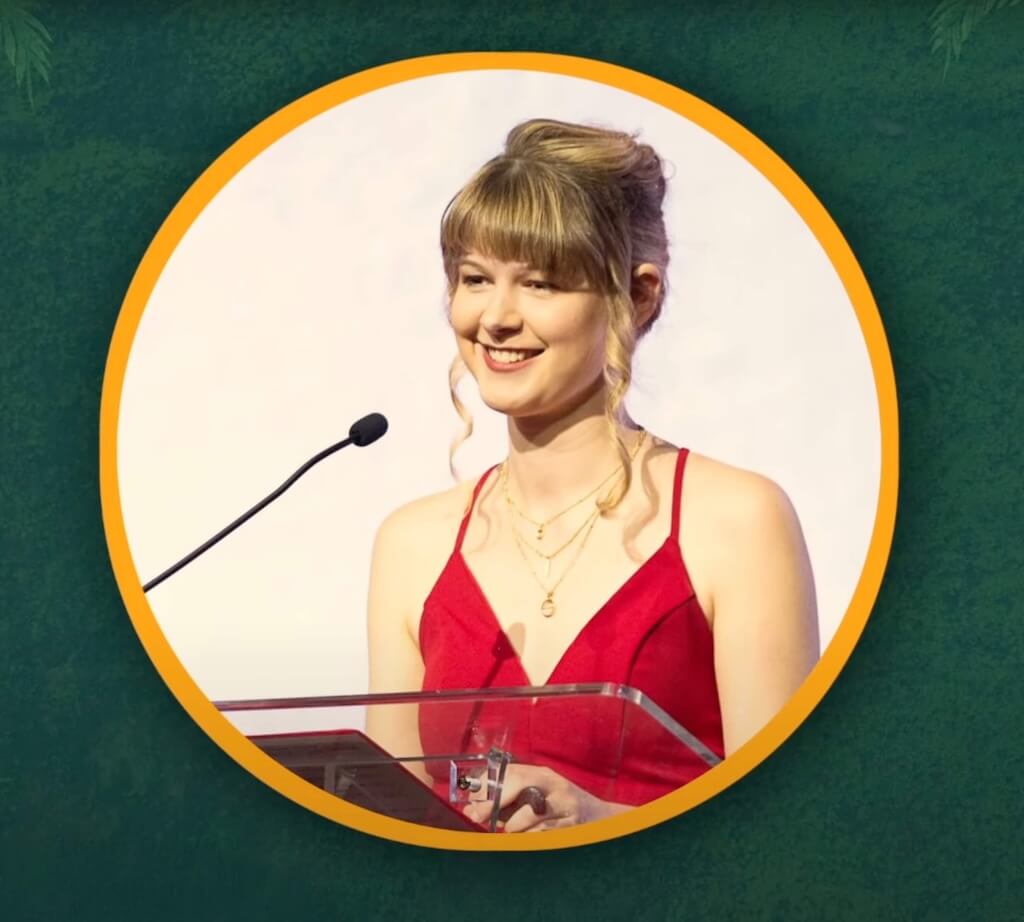
Episode #342: Love on the Spectrum’s Kaelynn Partlow on Autism, ADHD, and Why She Refuses to Use the Term “AuDHD”

Listen or Watch this episode on:
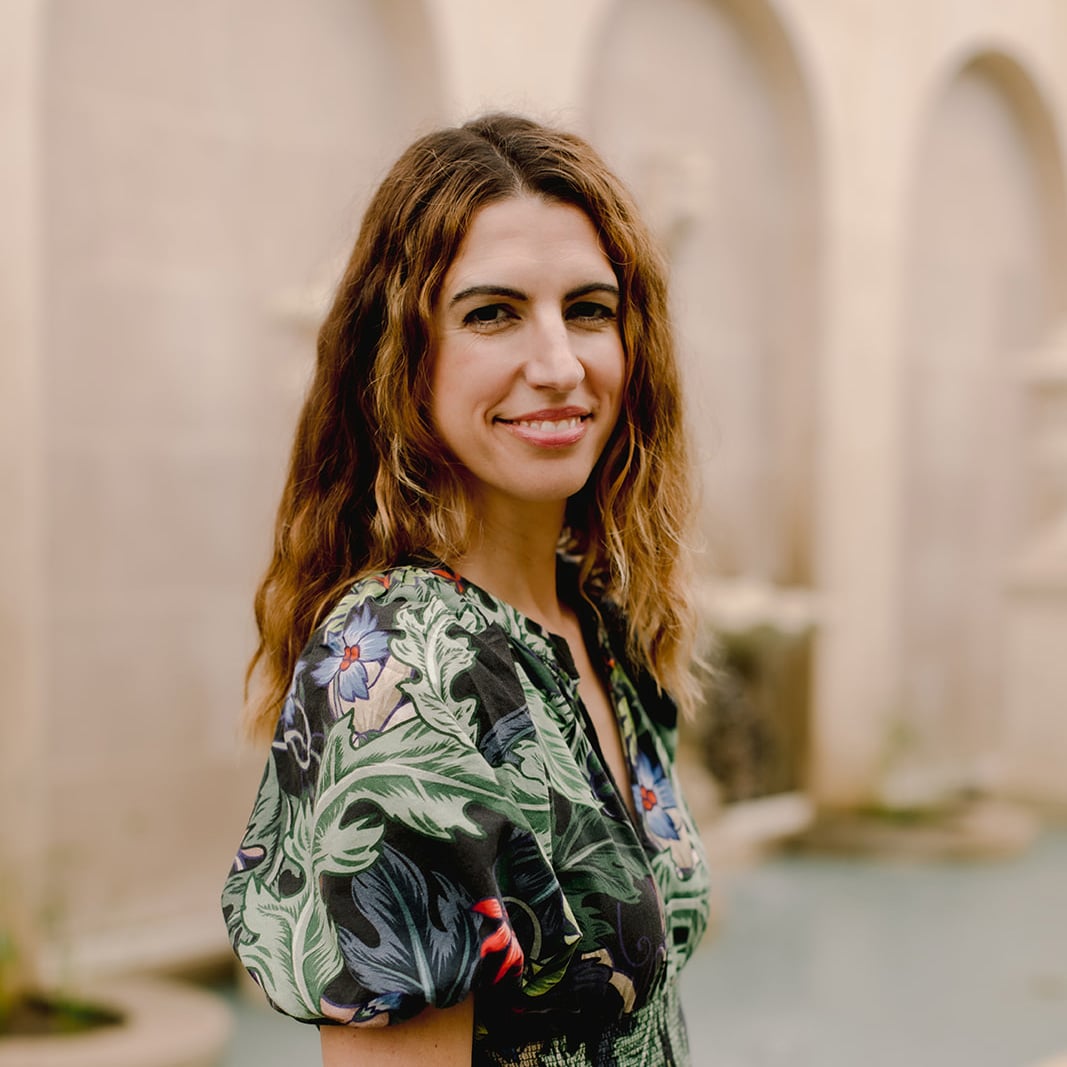
Kaelynn Partlow

About This Episode

If you’ve ever binge-watched Love on the Spectrum (let’s be honest—who hasn’t?), you already know and love Kaelynn Partlow — the sharp, funny, and deeply insightful advocate whose story stole our hearts in season 1. 

In this episode, Kristen sits down with Kaelynn for an unforgettable, no-filter conversation about Autism, ADHD, identity, and what it’s really like to live life on the bridge between two neurotypes.

Kaelynn opens up about:

  1. Why she “wasn’t autistic enough for TV”
  2. Why she feels she’s hard to live with 
  3. What her day-to-day looks like behind the scenes — from hyperfocus to burnout and everything in between
  4. Her newly updated book, Life on the Bridge, and how she’s using her platform to reframe the way we think about neurodiversity

This isn’t a conversation about labels — it’s about living boldly in the in-between. Kaelynn’s honesty and humor will challenge everything you think you know about Autism, ADHD, and what it means to belong.

Follow Kaelynn on InstagramYouTubeTikTok, and Facebook.

Life on The Bridge

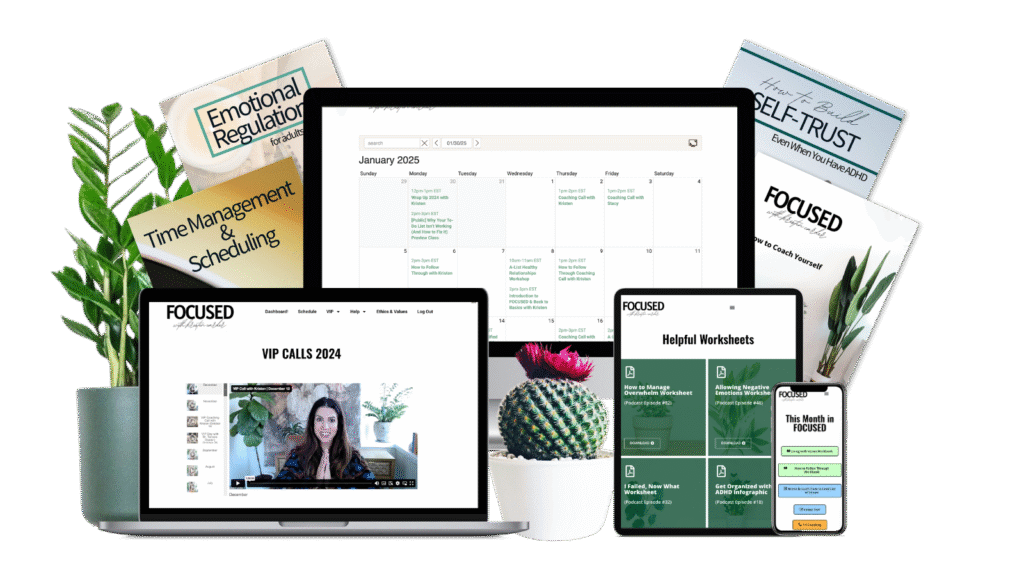
Want help with your ADHD? Join FOCUSED!

Have questions for Kristen? Call 1.833.281.2343
Episode Transcript

Kristen Carder 0:05
Chris, welcome to the I have ADHD podcast where it’s all about education, encouragement and coaching for adults. With ADHD, I’m your host, Kristen Carter and I have ADHD, let’s chat about the frustrations, humor and challenges of adulting, relationships, working and achieving with this neurodevelopmental disorder, I’ll help you understand your unique brain, unlock your potential and move from point A to point B. Hey, what’s up? This is Kristen Carter, and you’ve tuned into the I have ADHD podcast. I am medicated, caffeinated, regulated and ready to roll. Today, we are talking to a very special guest, Kaylin. Part low. I am so looking forward to this conversation. I have been pestering her for months, maybe even years, to get her on this pod, and here we are today in beautiful, sunny South Carolina to have a conversation about autism. ADHD, the overlap, the similarities, all of the things I can’t wait for you to hear from her. I’m going to read her bio here. It’s very impressive. Caitlin is an autism advocate, therapist, author and content creator, known for her appearance on Season One of the Netflix series love on the spectrum, diagnosed with autism at age 10. She works as a registered behavior technician at Project Hope Foundation, supporting individuals on the autism spectrum. Kaylin uses her platform to educate and advocate for autism awareness and understanding, sharing her experience and insights through social media and her book, Life on the bridge. Now, I’ve been following Kaylin for years, since her first season of love on the spectrum, and which, by the way, am I allowed to say it? I just wanted more of you on that. Okay, I wanted more. I was like, give me more of this girl. When I went back to re watch season one in preparation for this podcast interview, I was so excited that you were the very first face to appear season one. Episode One, I was like, there’s our girl. There she is. That made me excited. I’m so glad to have you here. Welcome to the show. Yeah, thank you for having me. Yeah, you’re welcome. So tell us a little bit about yourself. I read your impressive bio, but in your own words, just like in today’s mood, tell us a little bit in today’s mood. Who are you? What do you do?

Kaelynn Partlow 2:34
I am a social media educator. I am, you know, well, content creator. I don’t know what I am. I have a lot of things. What are you I am an autism advocate. I am a public speaker, I’m a social media educator, I am a therapist. I am a lot of things in the autism community, I think.

Kristen Carder 2:53
And you work for Project Hope, can you tell me a little bit about that organization? Yeah.

Kaelynn Partlow 2:59
So my story with Project HOPE is relatively unique in that I am not just an employee. I was actually a student. I went there for all of high school so I have I’m 28 now, and I’ve been with Project HOPE since I was 13 years old, and there’s not been a break in that. I have just been there since I was 13. Wow, yeah, first as a high school student and now as a therapist. Okay,

Kristen Carder 3:17
so is it a forgive my ignorance. Is it a location like, is it an actual school? Okay, so, is it a school for, specifically for autistic kids? Okay, we only serve autistic kids. Oh, my gosh, that’s incredible. That’s amazing that something like that exists so close to like, where you were living, or did you move here for that?

Kaelynn Partlow 3:41
No, no, they they existed like 15 minutes up the road. Fantastic.

Kristen Carder 3:46
Oh, cool. Yeah, that’s

awesome. So this is a an ADHD podcast. You are autistic and ADHD and have, just like so many badges of of other things as well, dyslexia, dyspraxia, dysgraphia. Am I missing anything calcula,

dyscalculia, yes. Okay, so what

we’re interested in, like, most specifically here would be that the autism ADHD conversation. Can you tell me a little bit about, like, is ADHD something that you identify with, like, autism and ADHD? Do you see them as very separate? Like, what? What are your how do you kind of process that?

Kaelynn Partlow 4:34
My answer to that is, like, maybe a little nitpicky, right? I would never, like walk around saying I’m ADHD. Would never say, Never say that out loud, everything. Well, to me, the purpose of an abbreviation is to be understood very quickly and in the circles that I’m in outside of online, but like in person, a lot of people would say, You’re what that means, what? Yeah, and then I would have to explain it, which defeats the purpose of an abbreviated. Creation. So if I have to then tell you what this thing is, what this thing is, what the combo means, and how I got there, why would I say that? That’s just silly online. Yeah, in a lot of those circles, people are gonna know what I’m talking about, but I don’t think it’s widespread enough that the people in my in person circles are gonna immediately understand what I’m talking about. And even if, like, a few people don’t understand what I’m talking about, like, I want to be understood and I don’t want and I don’t want people to feel like that I’m like, talking over their heads, that I’ve got this in group, that I know more than them, and so that I’m speaking above them. So I will always just explain it. If I have something to say, I’ll say it with enough specificity that everyone can understand what I say.

Kristen Carder 5:37
I’m obsessed with that answer. I really appreciate that. Do you find yourself being nitpicky a lot?

Kaelynn Partlow 5:44
Yes, it makes me a good writer. One of your best ridiculous to live with. Yes, yeah.

Kristen Carder 5:52
Do you

this might be an unfair question, and feel free to just be like, I don’t feel like answering that, but like, do you identify with autism? Do you feel like that’s kind of like an umbrella diagnosis for you where, like ADHD would fit under that? Or do you identify with them both equally?

Kaelynn Partlow 6:11
I don’t know. That’s a hard one for me to like, be able to sort through. Well, this is this, and this is that. I think there are plenty of instances in which I can pinpoint this is definitely this, but there are also some instances with specifically my difficulties surrounding executive functioning. You know, those time management components, emotional regulation, impulse control, that sort of thing that it’s like there could be components that are affecting just my behavior and my outlook that are connected to autism, not just ADHD, so it’s hard to separate which one goes where. Yeah,

Kristen Carder 6:44
that’s so interesting. That’s so interesting. Do you mind if I ask you, do you choose to treat

Kaelynn Partlow 6:49
your ADHD? Yes, I do. Yeah. I take Vyvanse and Adderall.

Kristen Carder 6:54
And has that been a life changing experience or not really, like, how has that impacted you

Kaelynn Partlow 7:01
when I first started, it was probably maybe five or six years ago. I was getting in trouble, a lot at work, a lot of impulse control issues. So like and like, I think this is one where I can separate the autism the ADHD. So a thing that would I think trigger, kind of trigger my autism. Doesn’t sound very clinical, but I think people will know what I’m talking about. Something that used to bother me a lot that would come up was schedule changes at work. So, you know, I would be scheduled to be with a client, but maybe that client is on vacation, and so I show up to the session and the client isn’t there, and they’re like, he’s on vacation. What do you mean? And so now you’ve got to completely replan your day. Yeah. And that used to really, really bother me where, you know, the other therapist might be like, Oh, I’ll go work on notes. I just could not readjust. And so that, I think, was the autism there, not being able to readjust. But then the ADHD would come in where I would do something impulsive, like throw something or say something really awful. And that lack of impulse control would really get me, and that’s the piece that I would get in trouble for, like, it’s okay, we understand you’re upset, but you can’t say something rude. You cannot throw something at work. Like, that’s not acceptable behavior. And so I think I was driven to try and find alternative solutions, because you can only get written up so many times, like, this is not cool. You cannot, you cannot do this. And so that’s what motivated me to seek treatment, and it helped a lot. As soon as I started taking it, I definitely stopped getting in trouble. Wow, so that’s cool. The side effects are not my favorite, but, like, I don’t take it on the weekends. I only take it when I’m working, okay? And so, like, every time I get back on it, whatever that that first day is, I get a headache, but it only lasts the one day. So like, every Monday I get a headache, but the rest of the days are fine. Headache day Sure is. And I’m like, scared to take Advil, because, like, they said, it’s bad for your liver or whatever, and I don’t want give over disease every time I take so I never, but if I do, the good news is, is, like, if I do take an Advil, it works really great, because I never take them. So like, I could take, like, I could take, like, a half an Advil and it would fix whatever. Like, I’m pretty sure my arm could get cut off. And I could take an Advil and it

Kristen Carder 9:06
would work great. That’s it. I never take it. Is this an

Advil commercial? No, this podcast is not sponsored by Advil, although that would be so cool. That would be cool. Um, what other side effects do you not enjoy with the with medication,

Kaelynn Partlow 9:21
like eating ones. And it’s not that, like, I like, I don’t do the thing that other people do, where they’re like, they’re not hungry, and then they, like, binge eat at night. I don’t do that. I will literally pass away if I don’t eat. Yeah, it’s just I don’t really feel the desire to, yeah, like, it like, I’m hungry. I know I’m hungry. I know food will fix the problem I’m experiencing. But everything sounds disgusting. It’s just a matter of force you have to eat. And that doesn’t go away.

Kristen Carder 9:42
Hard is so hard. I was on a stimulant for about 10 years, and I had the exact same experience where I didn’t have a choice not to eat. I had to eat, but I was just like, repulsive, yep. And it was just forcing yourself, and I was not. Weekends

Kaelynn Partlow 9:56
are for eating, yeah? For eating, because weekends are. For the

Kristen Carder 10:00
eating, oh man. So you talked about how it’s kind of hard to distinguish. What exactly is autism? What exactly is ADHD? Is that something that you’ve thought through like, can you kind of walk us through ways in which you feel like they overlap, and ways in which you feel like they’re different?

Kaelynn Partlow 10:20
Oh God, for me personally, or for others, for

Kristen Carder 10:22
you personally, because that’s why I’m using the feel word, because I think clinically, we wouldn’t say like, right? How do you right? But like, for your experience, how do you feel like they overlap, and how do you feel like they’re different?

Kaelynn Partlow 10:36
All right? Lisa, you got thoughts on this one? Ooh, guys,

Kristen Carder 10:41
we have our friend Lisa here, and she’s off camera, but she, how would you describe Lisa? Who is she? To you,

Kaelynn Partlow 10:51
I feel like the word that most people would like recognize immediately is if I said mentor, sure that would make sense. But it’s like a little bit deeper than that kind of sure we’re not blood related, and she tells me what to do, and she occasionally kicks my ass, that’s what’s Lisa, and she fixes your hair. Yeah, I think one thing that shows up for me, just as I’m thinking about it, is that, like a lot of people who are just autistic, that I know they are pretty content with the same kind of options. So like, if somebody has a lot of free time at home where there’s not much going on, they’re happy to watch YouTube. And that’s just good. It’s relaxing. They’ve got a snack, they’ve got their YouTube, they’ve got somewhere comfy to sit, and they’re good for several hours. They’re happy. I’m not happy like that. I’m always seeking some kind of novelty, something new. I’m bored with everything. Nothing holds my attention, and so like a quiet place to watch YouTube might be fun for an hour, but if you leave me there for longer than that, I will become miserable.

Kristen Carder 11:46
Yes, that is so good that makes complete sense in my brain. And I’m wondering too about, like, the social component that would fall more into the autism category, I’m assuming, right? Yeah, whereas with ADG, not that there aren’t social components to it, but it’s not like within the diagnostic criteria, necessarily. Yeah, that’s really interesting. Okay, I’m just, I’m gonna ask you this question. I loved having, like, watching your story on love on the spectrum, and I know it’s really blown up in the last like, season or two, but that first season was so meaningful, especially as, like, I was earlier in stages with my own family members who were in diagnostic processes, and being able to in the diagnostic process, being able to see different stories of autism represented different just visual representations and the different ways that autism presents in different people, so helpful to me. And I kept thinking, why aren’t we seeing more of Caitlin? I want to see more of this girl. I love her. So I just want to tell you that there’s a little compliment to you regarding your love on the spectrum experience in some real I was deep in the in the reels, you said something to the effect of, I don’t make great entertainment for reality TV. Did say that? Yeah, I think it was a very it was very gentle. Is very sweet. It wasn’t anything against Netflix or the show or anything, but that made me laugh, and also it made me be like, I thought that you were amazing, and I wanted to see more of your story represented. So what did you mean when you said that like I don’t, I don’t really make great entertainment for reality TV.

Kaelynn Partlow 13:41
What I meant is that the audience is not necessarily on the edge of their seats when they watch me. They’re not wondering, oh my God, what’s she gonna say next? What’s she gonna do next? Is she gonna reach across the table and put her hands in his pants? Like no one is wondering that they know what may or may not happen within reason? And I think that’s the part that, like, yeah, does not make for good reality TV. You know, you watch TLC, some of those shows, like 90 day fiance and like the people on there are, you know, putting themselves in extreme circumstances or giving extreme reactions one way or another. And not to say that I’m a level headed person, because anyone who knows me in real life would passionately dispute that claim, if I were to make that claim, however, relative to individuals who participate on reality television, I am not somebody who is going to engage in some kind of egregious behavior on camera, and I think that’s why I’m maybe not super entertaining in terms of, you know, reality TV,

Kristen Carder 14:36
that’s so interesting. And like, Sure, I can understand that. But also for those of us who love people who are on the spectrum, not to be so annoyingly cliche and like tie that in, but for those of us who love people who are on the spectrum, to see your story represented. Was really important. It was important to me. It was important to the family members that I watched it with. It was. It was really important, and so I I just won’t say I would watch a Kalyn reality TV show. You might be the only one I would just I would I be the only one? I doubt Michael. I doubt it. Okay, so this kind of ties in a little bit, I think. So I have a family member who has been diagnosed as autistic, but they don’t look autistic. It’s kind of like, I don’t think people would, they would be really surprised. And actually, they heard from doctors and teachers repeatedly, like, Oh no, you’re fine. It’s a little quirky. There’s there’s nothing going on here, until finally, a clinician was willing to dig a little deeper and diagnosed with autism. They don’t look autistic. You’ve said that, you don’t look autistic, or you get that, right? So what is that even like? Can you just rage about that for a minute? Well, I could, I think on like even freaking mean,

Kaelynn Partlow 16:04
considering who I am and what I do, nobody has had the guts to say that to my face several years it was I don’t know that I could even tell you the last time someone has told that to me in person, I like, I have a memory of somebody telling me that, but I was in high school Sure I had disclosed my diagnosis to a friend from church, and I do remember her saying, Well, you don’t look like you have autism. And I do remember at that time saying, because when I was in high school, actually, I had a service dog, and I remember my response to that being, well, great. The dog is doing their job. Nothing terrible is happening with me because I have the dog. And I remember the friend being like, Oh yeah, that makes sense, like accepting that explanation and moving on. But no one has had the guts to say that to me in recent

Kristen Carder 16:44
years. What should someone say if they do get that? I

Kaelynn Partlow 16:48
don’t know, online people talk about, and I think this is more wishful thinking than actual real life, because you’re everyone’s more bold online, right? But you know, a lot of responses people like to imagine them saying is, you know, Oh, you don’t look autistic. Well, you don’t look like an idiot. But yet, here we are. I don’t know that anybody should say that or that that’s like lending itself to bridge building, necessarily. But you might think that

Kristen Carder 17:11
I, when I imagine that scenario, I I imagine a response of like, what an interesting thing to say. What is it? What do you think it means to look autistic, you know? And kind of like putting it back on the other person, because, like, yeah, don’t

Kaelynn Partlow 17:28
yeah, they would squirm. Nobody would know how to quantify that, right?

Kristen Carder 17:32
Because it’s not quantifiable. It’s not something that should even be Yeah, that that makes me upset. And it’s similar to, or it feels similar in my body. You can tell me what you think it feels similar to. Like, Well, everybody’s ADHD, like, everybody’s a little ADHD and just like, I mean, really, like, again, what an interesting thing to say. Yeah,

Kaelynn Partlow 17:58
I’ve always had a hard time with this. Is this is similar to that, not the same statement, but the idea that autism is an invisible disability. I’ve talked a lot before about how just because you don’t know where something is doesn’t mean it’s invisible. Like, if you lose your car keys, no one’s like, Oh my God, my car keys turned invisible. You just don’t know where to look. That doesn’t make them invisible. You’re not a trained clinician. You don’t know where to look for the My areas of strength and weakness, so obviously you wouldn’t see it, but just because you don’t see it doesn’t make it invisible, you just don’t know where to look.

Kristen Carder 18:31
Guys. That was, did you think

that up in your own brain? Yeah, yeah, that’s good. That’s why I’m not very easy to live with. Why do you perceive yourself as being hard to live with.

Kaelynn Partlow 18:41
I don’t know. I’m needy. I’m wanty. I like to be in control, although I will say, and this is a thing that I’ve kind of thought of recently, is like, if I make social plans with a friend or a roommate or whatever, like, I want to pick where we go. I want to pick how we get there. I want to pick the roads we take on the way to go there. I want to pick when we eat, where we eat, how we eat, where we sit. I would like to pick all of those things. And I would like you to just walk just cooperate with my instructions. And so, like, I think a lot of people hear that, and they’re like, oh my god, she’s controlling. I could never live with that. However, in my personal experience, I find that lots of people do not like to choose. The burden of choice is a lot for them, and I have very strong opinions. And so if you don’t care, I do, so let’s do it my way. And I’ve not yet come in contact with someone who also has strong opinions, and I also have the ability to negotiate. So if someone does care about something, negotiation and compromise are very important, and it is something that I’ve worked hard to be good at, so I am capable of that, but generally I like to be the one that gets to

Kristen Carder 19:39
pick. I agree with you that I think a lot of people don’t feel like being in charge, and there’s an insecurity on like, if I choose what if they don’t like it. Do you not have that insecurity? I don’t know.

Kaelynn Partlow 19:53
I feel like for the people I hang out with, my circle is pretty small, so I’m relatively good at predicting their specific preferences. Sure, so I have a pretty good idea of whether or not they will or won’t like it.

Kristen Carder 20:03
How did you learn to negotiate? I’ve always

Kaelynn Partlow 20:07
had a strong language ability. I was speaking at the age of eight months, and stop how I don’t know. My mom has stories of that, like when I was in the grocery store, I would just like talk to people and freak them out, because, like, someone that small shouldn’t be producing intelligible speech. But I was Wow.

Kristen Carder 20:26
So I’ve had three kids, none of them

spoke close to eight months. And that would freak me out. That would that’s apparently it freaked out a lot of people who would like hear it. Okay, so you’re saying you relied on your language skills to to learn to negotiate. Yeah,

Kaelynn Partlow 20:43
and I’m the oldest. I have two siblings, and so,

Speaker 1 20:46
you know, it was necessary.

Kristen Carder 20:50
What’s it like being an oldest child? For you, it is that like a role that feels doable, because you do like to be in charge, and you do like to kind of set the set the rules. I’m sure it’s different now that you’re all like as a kid in adults, but like as a kid,

Kaelynn Partlow 21:06
as a kid, that was important. Yeah, I really enjoyed the fact that I because I’m four years older than my sister and I’m nine years older than my brother, oh, but I’m the oldest by quite a bit. Yeah. And so I had a really great time being the only one who knew how to operate the TV remote, and despite having the capacity to teach others to do that, I would not kept that informan secret.

Kristen Carder 21:26
What were your favorite shows?

Kaelynn Partlow 21:29
The usual, SpongeBob, anything on Animal Planet? I was big in Animal Planet.

Kristen Carder 21:35
Oh, that’s really cute. I saw a reel of yours. I think I saw it in real time, like it wasn’t one that I had like gone down the rabbit hole to find I’m pretty sure I saw it in real time where you talked about the different ways that autistic folks show that they’re trying to connect with people. Do you remember? Do you know what real I’m talking about, okay. And that was such an AHA and meaningful moment for me as someone who has autistic people in her life that I really care about and really love, and realizing that some of the ways that especially one of those people in particular, try to connect with me, but me not understanding that it was a bid for connection that was such a meaningful experience for me. So I want to say thank you for that real and just the education that you put out there. It’s really important. I know it’s uncomfortable to like get compliments, but I’m like person to person. This is really meaningful, and I appreciate you doing that. Can you talk about that a little bit? So one of the ways that that my autistic person bids for connection is they say I’m tired. I had no idea, and eventually I asked them, Why? Why are you telling me? Like, could you like, what? What do you because I would say, Oh, you’re tired. Did you get enough sleep? Do you want to lay down? And they’d be like, I do. I’m just telling you that I’m tired. I’m like, I don’t understand. And then I said, Are you just trying to get some validation here and connect? And they said yes. And I was like, oh. And so now it’s my favorite thing when they say cute. It’s so cute. Now it’s my favorite thing when they say I’m tired. I’m like, Oh honey, tell me everything. Or if they don’t want to talk, I’m just like, I know it’s really hard. Your life is your life is so hard. I love that. I know it’s so cute, but I would it’s just making that bridge of like, oh, this is what’s going on here. Was so important for me. Can you you don’t have to go through the real or anything. But like, what are some of the ways that maybe we can be on the lookout for bids for connection from our autistic friends and family?

Kaelynn Partlow 24:11
I think sometimes those bids can be a little out of context at times, especially when, when someone is autistic, right context can be hard for us. Yeah. And so when something is repetitive and it’s out of context, and it maybe kind of grabs your attention a little bit, maybe it annoys you a little bit, maybe it confuses you a little bit, but you’re seeing a lot, it might be a bid for connection. It might not be it might be something else, but it’s possible that’s in with that’s within the realm of possibilities to consider if you’re wondering, why do they keep doing this? Why they keep bringing this up? I don’t understand what’s going on. It might be that that’s

Kristen Carder 24:46
exactly how it was for us. That’s exactly how it was where I would get to the point of frustration, because it was like, it was clear that they didn’t want me to solve the problem for them. And then I’m just like, I don’t know why you’re telling me this. Like, why are you saying this? And so it because it was repetitive, it was out of context, and it was kind of random, like, what it was going on here. So that’s so so so helpful. What are the things I think that you said, like, like handing you things that you are, like handing you your keys or handing you your water bottle. Am I remembering it right? Yeah,

Kaelynn Partlow 25:25
there’s two that kind of flip flop. Okay, there, because you know what I’m talking about. Yeah. So that I did one on ways that autistic people show love, and then I did one on ways that autistic people ask for connection, and technically, in my mind, those things that you’re mixing the two, yeah, they’re very similar. Okay, I use a little bit

Kristen Carder 25:43
different and love are different. Yeah, a little Yeah, yeah. Okay. What

Kaelynn Partlow 25:47
is expressing affection? The other is seeking affection. They are similar.

Kristen Carder 25:50
Okay, can you walk me through it? Can you walk me through the differences between expressing affection and seeking affections? Very interesting, I think. One

Kaelynn Partlow 26:01
you’re trying to give, and the other you’re trying to receive. See what you’re saying.

Kristen Carder 26:04
Okay, so when they’re handing you, for example, someone’s handing you something that you use often, that’s giving

Kaelynn Partlow 26:12
affection, yeah? Like, this goes with you. You seem like you need this a lot, so you don’t have it here. Let me give

Kristen Carder 26:17
it to you, sweet. Yep, that makes sense. And then something like, I’m tired, I’m tired, I’m tired that’s seeking affection,

Kaelynn Partlow 26:23
like, I want you to give love to me. I need something from you.

Kristen Carder 26:27
Yeah, and it’s was so clear that they wanted something, which is why I was getting frustrated. Because I’m like, I don’t know which I can tell you want something. I don’t know what it is. So to figure that out was really, really

Kaelynn Partlow 26:41
helpful. I think sometimes I would say, I think lots of times, actually the autistic person, even if they do possess the language to answer the question, what do you want out of this, I think a lot of times it’s still hard to internally pinpoint that and bring it up. So even if they are someone who is language able to, even if you can ask them, What do you want out of this, they still might not be able to tell you, because they might not recognize that in themselves.

Kristen Carder 27:03
Yeah, and that, actually, that question was kind of a point of frustration, because the response was like, I don’t know. I’m just telling you I’m tired, right? But when I was able to name, right, are you just, do you just want me to give you some validation here and tell you that you’re a good person? And they were like, yes, that like, that’s the thing. That’s what I want. I’m like, oh, okay, that makes sense. That’s so interesting. Everyone with ADHD knows what to do to improve their lives. You go to bed at a reasonable time, you wake up early, you make a list, you cross things off the list in order, blah, blah, blah. Like, yeah, we know what to do, but ADHD is not a disorder of not knowing what to do. It’s a disorder of knowing exactly what to do but not being able to get yourself to do it. That’s why I created focused. It’s an ADHD coaching membership for adults with ADHD. I’m a life coach with multiple certifications, and since 2019 I’ve coached over 4000 adults with ADHD from all over the world. I know what it takes to help an adult with ADHD go from Hot Mess express to grounded and thriving. I’ll teach you how to understand your ADHD brain, regulate your emotions and your behavior and accept yourself flaws and all, and with this foundation, we’ll build the skills to improve your life with ADHD. And not only do you get skills and tools and focus, but you’re surrounded by a huge community of adults with ADHD who are also doing the work of self development right alongside of you. Dr Ned Hallowell says healing happens in community, and I have absolutely found this to be true. So if you’re an adult with ADHD who wants to figure out how to be motivated from the inside out and make real, lasting changes in your life, join hundreds of others from around the world in focused go to I have adhd.com/focused to learn more. That’s I have adhd.com/focused to check it out. I heard an interview that you did with a therapist, and she said that she was trained as a therapist to ask open ended questions, but then she was realizing with her, nor divergent clientele, and especially like autistic folks that open ended questions were not helpful and get lost in the sauce. Tell me what that experience is like of an open ended question. I’m, I’m asking you an open ended question, and I’m sorry about that. Really sorry. I recognize it,

Kaelynn Partlow 29:41
man, I got now, I’ve got an analogy in my book, and I don’t know if I still really vibe with that analogy anymore, so like, I’ll tell you, and like, it might make sense and it might not make sense. I have previously described open ended questions as playing Tetris with your eyes closed. So like, you have the blocks, you know the blocks are coming, right? Like, but you don’t know where they fit against the other ones, because, to answer an open ended question, there’s a lot of like, subtext that you have to be able to sift through and understand. So I have to know, what do you already know? What do we both know together? What do you not know? What’s missing, and how do I fill that in? So like, you understand the subject, you understand what might fit there, but you don’t understand how it fits, which is kind of where I came up with playing Tetris with your eyes closed. You get the idea, but you don’t know where it fits, so you can’t possibly generate a response. And

Kristen Carder 30:28
then how does that feel in your body when when a response is expected from you, but you feel like you’re playing Tetris with your eyes closed. Is it frustrating? Personally, I’m annoyed, annoyed at the person, or at yourself the other person, yes, their lack of specificity is obnoxious to me, yes. And then for you personally, do you like to tell them that you’re annoyed? Or do you say like you need to be more specific?

Kaelynn Partlow 30:54
Depends

on who I’m talking to. If this is a person who is for whatever reason, paid or supposed to engage with me, they have to do this you. I’m paying you to talk to me, or you’re talking to me because you’re getting paid to talk to me for whatever. Like in a professional context, I will ask for specificity. Yeah, in a personal context, I won’t, because, again, I think in a professional context, they kind of owe it to me. But in a personal context, maybe not so much, and in any context, a lot of times, if someone struggles with being specific, they themselves will also get annoyed. Usually that presents at being annoyed at me. I’ve had several podcast interviews where I’ve requested politely for the interviewer to be slightly more specific in their questions, and on the podcast, they have expressed frustration at me. You know, you’ve talked about this before. I’m not sure why this is difficult kind of thing. And, homie, you run a podcast, you should be able to generate a specific question. I don’t know what to tell you. I don’t say it quite like that, but yeah, so it depends on the context. If I ask for specificity or not, lots of individuals struggle with it. It’s not an easy thing to ask for. I don’t think they’re just holding out on me. I think specific and precise language is sometimes a strength that coincides with some autistic people. I am one of those people, but for lots of people, autistic or not, that is not a strength for them. And so when you’re asking them to do something kind of above their pay grade or above their like mental capacity. It is frustrating, just as it is frustrating for me to be on the receiving end of their really, really vague question. They’re experiencing the same thing. They just don’t recognize it when I turn it around on them. So

Kristen Carder 32:33
Oh, my word on behalf of podcasters across the world. I apologize, that’s all right. Good, Lord, that makes me upset. Yeah, yeah. It is interesting how it’s so ironic that all you did was turn that back and then it was upsetting, and you’re like, welcome to my world,

Kaelynn Partlow 32:56
but they don’t see it. They truly don’t, and it’s really not worth my time to try and explain it to them, because to them, it feels accusatory, yeah, and it feels like an attack, because they really, truly do not have the ability to do better than what they’re currently doing, just like I don’t. Yeah, it’s really the same. So it’s just who gets to eat the frustration, me or you? And usually I pick me, because I’ve been dealing with it longer than they have in my world. You know, I’ve been trying to sift through vague questions for my entire life, but probably, this is maybe the first time anyone has ever asked you to be way more specific than you have the capacity to be sure. So I usually will be the bigger person, I guess. Yeah, if you want to call it that and eat the frustration and try and produce some output that they’re happy with, that’s impressive.

Kristen Carder 33:39
And I know that’s your you can roll your eyes at that, but it is impressive to have this skill of actually mapping all of that out and understanding what’s going on in that conversation, and then just being like, Okay, I’m just gonna be the one to to carry this perspective taking will take you very far in life. Yeah, that’s so interesting. Tell me about accommodations that you make for yourself

in addition to fidget tools, that’s what I’ve been talking about all week.

Kaelynn Partlow 34:06
Like, just because I like, like, when I post a video, like, you’ll see it like, usually a couple weeks later, it’s not like, usually been filmed. But this week, I’ve been filming so much about accommodations because I’m doing a webinar for autistic adults, and so one of the things I’m talking a lot about is accommodations. I feel like my brain is like cooked, like it’s been squeezed and wrung out. The accommodations are they already went down. You got nothing left for me? Nothing left. I’ve been talking about it all week, ready all week. That’s what I’ve been doing.

Kristen Carder 34:32
Here are the accommodations that I have seen. You talk about the Fidget tools, yeah? Headphones, yep. How do headphones help you block out sensory Yeah, turns down the volume of life, generally speaking. Okay. And one thing that I noticed about your content is that sometimes you match your headphones to your outfit. I try, oh, it’s so good. How many pair Do you have?

Kaelynn Partlow 34:58
I have two. Two Bluetooth ones that are like, noise canceling from Sony, like, the nice ones, yeah. And then I have two just regular noise canceling ones that just, like, block out, like, just like the decibels of sound. So everyone’s like, Oh, how do you pick them? You want to look at, like, how many decibels of noise they cancel out before you make a purchase. So the highest level of decibel cancelation I’ve seen is, I believe, 34 decibels and so, like, that’s how you know it’s a good pick, because on all noise canceling headphones are created equally. So when you’re looking at which ones to get, you should look at the count of decibels.

Kristen Carder 35:28
And then with the Bluetooth ones, do you usually play white noise, or do you just have them set to the noise canceling?

Kaelynn Partlow 35:33
Usually, if I’m doing the Bluetooth ones, it’s because I’m looking for music, so I have the music and the sound canceling at the same time.

Kristen Carder 35:40
And then are we choosing outfits based on headphones or headphones based on outfits?

Kaelynn Partlow 35:45
It depends if I’m flying. The like, strongest noise canceling ones I have are navy blue, so I try to pick something that goes with

Speaker 2 35:53
navy blue. Yeah, you got it. So today’s outfit would be perfect, yeah? So today’s outfit would be perfect if I were flying? Yes, yes.

Kristen Carder 36:01
Other tools that I’ve seen you talk about the noise canceling headphones, oh, sunglasses,

Kaelynn Partlow 36:07
yeah, 10 places you might not expect, like on a plane or in the airport.

Kristen Carder 36:13
Yeah, and is it because the brightness of the light, it can be jarring? Yeah,

Kaelynn Partlow 36:18
I think it’s just excessive, like, my day to day. It doesn’t really impact me. I don’t think like at work or just like at home, it really doesn’t bother me. But like, you’ve got more tools at your disposal at work and at home, so like, if you’d like to take a walk, that’s available to you both at work and at home, on a plane or in the airport, if you want to take a walk, oh, well, too bad. So sad you’re on a plane, buddy. It’s so like, you know, control what you can

Kristen Carder 36:42
Yeah, yeah. One of the things that you said that I really appreciated was, like, I’m not asking for this. I’m telling you that I will be using it. Can you talk just a little bit about that? Like, why is that important for you as an autistic adult, to like own for yourself, like, hey, there’s something I’m doing. It doesn’t really matter whether someone else feels comfortable about it.

Kaelynn Partlow 37:08
In my mind, there are accommodations that are socially mediated, meaning someone else has to like, agree and cooperate and give it to you when you ask. And then there are accommodations that are just self managed, that you do for yourself because you need them. And so for the ones that are self managed, that is your responsibility, and you do not need to ask for them. Yeah. So if I need help from someone else, that is something you’ll have to ask for, but something I can do for myself. It’s just like brushing your teeth every day. It’s something you do to care for yourself, for your needs, regardless of whether or not you want to. You just got

Kristen Carder 37:36
to same thing, yep, yep, yep, yep. I am thinking back in shame about a time when an autistic person that I love was wearing sunglasses in in a like an unexpected scenario, and I was like, What are you doing? And at the time, I didn’t know they were autistic and but it was as if I just kind of want to admit that. Like, who cares? Like, why did I even care that they were wearing sunglasses that did not like you said that wasn’t something that they needed to ask my permission, and they didn’t, rightfully so ask my permission. But I was almost like, what, like, what are you doing? Take those sunglasses off, and they’re like, no, like, the light is really bothering my eyes, which, like, good for them for doing that. I just think it’s so hard to, like, negotiate that as someone who’s not autistic, I feel so badly in retrospect, like, ah, what was I thinking? It’s like 10 years ago.

Um, but I think your

videos are so helpful for showing and just displaying like, this is normal. This is just like a normal thing that people can do for themselves to accommodate their own needs, and it doesn’t cost the other people anything. And that’s the part that I feel ashamed about. Was like, that didn’t cost me anything. It wasn’t costly to me that they were choosing to wear sunglasses. I was just like, What are you doing? You’re in sunglasses Thanksgiving. Why are you wearing that sunglasses at Thanksgiving? And now looking back, I’m like, Duh, like, there was so much sensory input that needed to be, like, blocked out. I don’t know why I’m admitting that to you. I feel like I’m retroactively, like, apologizing, and I don’t need to do that. You’re not the one I need to apologize to. I need to call up the other person and be like, Hey, sorry about that. But I just think that, like, we’re getting better because of people like you in society about allowing for differences. And that’s just like one of the ways that, like, I was not cool about it. I don’t know why

Kaelynn Partlow 39:53
you learn better. You do better. And I think kind of, more or less, in a primitive sort of way, the survival of our species, kind. Hinges on our ability to be like, you know, one of these things is not like the others. One of these things does not belong. So it’s natural to call out differences and to want us all to kind of be equal, whatever that perception is. And so if all of us are not wearing sunglasses and one person is we do kind of have a drive to make us all kind of be the same, so that we all fit together as one. And I don’t think it’s unnatural, that it’s a little bit jarring for some people to notice and maybe say something that’s maybe not super helpful about someone’s accommodation, because it is different. You know, like I said, you learn better, you do better. You know, better, you do better. Whatever that phrase is, yeah, so

Kristen Carder 40:37
it’s so true. I really I appreciate you saying that because I do feel like there’s, there is some like, a quality that it’s like, be like, uh, like, and it’s like, no, that it doesn’t actually have to be that way. And I really appreciate you saying that, um, switching gears here. One of the things that gets me the most fired up, and I’ve recorded many podcasts on it. Don’t worry. Listener, oh, gee, listeners, I’m not going to rant and rave about it, but I do want Kaylin to because I hate it when people call ADHD a superpower. I just whispered it. I’m gonna adjust my seating here. I’m gonna get

Kaelynn Partlow 41:17
get ready. I’m getting ready. I have nice thoughts on this one good

Kristen Carder 41:21
because neither do I, and I’m not, I would really push back if you did. I struggle so much. And from the ADHD perspective, I think that it, it came about when because of really well meaning parents that didn’t want their children to feel badly about a label. And so I think the parents struggled with the label, and they’re like, you know, I don’t want my kid to feel a certain way. And so there was this push by parents of kids with ADHD, and this I’m talking years ago. I don’t necessarily think that’s the case now, but I think that’s really how it originated, was parents feeling uncomfortable with their child being labeled and then trying to put this like positive spin on it. You have ADHD, but don’t worry, it’s your superpower kind of a kind of a conversation. I do not think it is helpful overall for the community. And I’m, I’m curious what your thoughts are, is autism a superpower? Go, oh, shit.

Kaelynn Partlow 42:30
I thought you’re gonna ask if, is ADHD a superpower? Okay, is ADHD a superpower? We already said no, but I was going, Well,

Kristen Carder 42:39
I feel like I talk about the ADHD aspect of it, I want to hear about the autism aspect of it, like, what? What are your thoughts on on autism being a superpower? I’ve

Kaelynn Partlow 42:49
said it before that you ever seen the show Shark Tank? Love that show. Could you walk into Shark Tank and give a presentation on this is autism. This is what it does for you. This is what you might struggle with. This is my what you might have strengths in. Would you like to buy it? Could you get someone to buy it? Could you get someone to agree? Yeah, that sounds great. I would love for that to be my experience. Pile that on, please. No, no one would buy autism. No one would want that if they didn’t already have that, and if they said that, they would, they’re nuts because they don’t understand, right? Or they

Kristen Carder 43:27
don’t actually, they’re not actually. Maybe it’s someone who isn’t autistic or isn’t ADHD saying, Oh, but it’s a superpower. It’s a super. It’s like, you don’t know what I am living with. It’s not for you to label it a superpower.

Kaelynn Partlow 43:41
Ooh, and a lot of autistic people themselves will call it a superpower. And I think that I have mixed feelings on that. I think people do what they’ve got to do to cope in the same way that I don’t demand specificity from people who I know can’t narrow down broad questions. I really don’t say anything to autistic people who say, Well, my autism is a superpower, because if that’s what they need to move through this world and not hate themselves, whatever, yeah, you know, that’s not how I see it, and that’s not kind of how I approach it in my interactions with the community. But if individuals have to, kind of put it that way in their own minds, to have some measurable amount of self acceptance or self love, that’s just where they are, and that’s okay,

Kristen Carder 44:21
why you just spoke to it beautifully. I think about this a lot. Why do we think that we need to label something like ADHD or autism as a superpower? I don’t understand that perspective, because we don’t look at other diagnoses disorders as superpowers, like we don’t, it’s like, I have depression, but it’s my superpower. It’s like, we don’t try to place that kind of, like pretty bow or like gift wrap, like I have this thing, and I’m just gonna, like, put this pretty paper around it and call it a superpower. We don’t do that with other. Diagnosis, diagnoses. Why do you think it is autism and ADHD that get that?

Kaelynn Partlow 45:06
It’s the pervasive nature of those conditions that there’s no separation of? Well, it’s not like my legs don’t work, but I’m really excellent at these 10 other things. There is no separation. It affects every aspect of your being. There is no way to separate it. So it has to be a superpower, because if it can’t be turned off here in this context, or I’m really good at this absent of there is no absence of it. It could not be. There’s no I feel like I’m like, getting lost in the sauce here, but I am with the pervasive nature of those conditions, that there is absolutely no separation. And because of that, it has to be a superpower, because it is me, that’s who I am, and if who I am is just a bundle of deficits that doesn’t really lend itself to self acceptance,

that’s why. Yep,

Kristen Carder 45:50
I appreciate you clarifying that, because I have questioned it for so long, and I think you’re absolutely right, because

Kaelynn Partlow 45:56
we see it in Down Syndrome too, like other other conditions that are similar there are facets of people who are, oh, this is my superpower. My person is super and inspirational and wonderful, and everything is great with them. It’s, it is, I think a lot of times it is those conditions so pervasive.

Kristen Carder 46:14
Okay, so you seem like someone who really accepts herself. I’m making a judgment. I don’t know if that’s actually true, but let’s just go with that. As someone who’s just like, This is who I am. There. I have strengths. I have weaknesses. How, how can you, like, how would you help someone to accept themselves and not label it a superpower? Like, how can someone with ADHD, let’s say ADHD specifically. How can someone with ADHD accept themselves but still recognize like, Okay, I have this I have this diagnosis, and it comes with a lot of challenges. I think

Kaelynn Partlow 46:55
the word I want to use is not a word that is going to be well received. I don’t know that I’m able to generate a different word, though, I

Kristen Carder 47:02
want to encourage you to use whatever word feels most accurate for you, and no one is going to be judging.

Kaelynn Partlow 47:09
Oh yes, they are okay. Have you met the internet? No

Kristen Carder 47:13
one gets to judge. And if you do, Chris and card is coming for you.

Kaelynn Partlow 47:18
I think brokenness and morality are completely separate. I mean, I kind of come circling back to physical disabilities. If you have a body part that doesn’t function as it’s meant to, that doesn’t mean you’re a terrible person because you don’t have the use of your arms or legs. If certain parts of my brain don’t do the things that I would really, really like for them to do that doesn’t mean I’m a terrible, horrible person. You know, those things are not related in the slightest.

Kristen Carder 47:47
Yeah, and every human presents with certain strengths and certain weaknesses. That’s something for myself. Even just the other day, I made a really stupid calendar blunder, and when that happens, because I have drama about time management and, like, a whole story around that, my natural inclination is to be like, I’m so stupid, like this, like ADHD is just like biting me in the butt here, blah, blah, blah, and my husband is like, you’re Just a human. Like, every human makes mistakes and like, Okay, everyone knows that, like no shit. But to be told that by another human was so regulating, for me, this doesn’t necessarily have to be adhd’s fault. It could just be like, you just have to happen to you have to up the calendar, and everyone does that, right? So yes, for me, like time management is more of an issue, but in this one instance, I don’t have to spiral down and make it mean anything about my morality or my character, even though it meant that I like ghosted a friend because I didn’t put the thing in the right place because of all the different Google calendars in Google Calendar? Hello, anyone?

Any Do you have Google Calendar? Do you color code it?

It’s just a whole thing for me, and I’m usually like, I’ve developed a lot of coping mechanisms, coping skills, and I’m adapting. But I ghosted a friend last week, and I just spiraled because of it. And to be like, for my husband, to just be like, yeah, that was just a human error. Like that doesn’t necessarily have to be connected to your morality or even your ADHD was so helpful.

I know you didn’t want to use the word, I’m not going to say

it, but I think that it’s so true that like any neuro divergence, or any like divergence in what is typical does not have to be connected to morality or character. And that, for me, is what has been so helpful, just with having an ADHD diagnosis is no. Seeing what is a symptom and what is actually my character. Because before I was diagnosed, I was like, I suck at time management. I’m so forgetful, I guess I don’t care about people because I forget their birthdays. I never I’m gonna remember your birthday. So does that mean that I don’t care? Does that mean that I just like, I’m a callous person, or maybe I’m a narcissist, but like realizing, like, Oh, this is ADHD. There are symptoms, and then there’s my character, two different things. So I think that for me has been the like best thing for my self acceptance.

Speaker 2 50:36
Yeah, that makes sense. You don’t have to respond. I don’t know that. It means a response. I think that was well said. Um, what do you think is

Kristen Carder 50:45
harmful about saying that ADHD or autism is a superpower?

Why does it get you annoyed? Like, what? Why does it get you fired up? Oh, God, a lot to sift through there, buddy. Let me make it more specific. I don’t like, I

Kaelynn Partlow 51:03
don’t know. Like, I don’t know, I don’t know. It’s just hard to pinpoint, I guess. Why? I mean, sure fact you know incorrect information is annoying, right? Agree? Like, if somebody were to get an animal fact wrong that you know is not correct, you would feel compelled to be like, actually, it’s whatever I have worked really hard to hinder my actually, it’s, you know, because nobody really likes that. Everybody is kind of on their own journey. So when I do see that, I more or less try to inhibit,

Kristen Carder 51:33
yeah, me too. When, when people comment like, well, it is a superpower for me and blah, blah, blah, I’m just like,

Kaelynn Partlow 51:38
Great, yeah, good for you. That’s, your journey. We are not the same.

Kristen Carder 51:42
We are not the same. But what I struggle with the most is if somebody is in a position of power, or an educator, or some in that kind of role, talking about it, that’s when I get enraged and I don’t have as much acceptance for their experience, because that’s what I’m just like, no like,

Kaelynn Partlow 52:04
public display of lack of understanding, and that should be embarrassing for them, exactly.

Kristen Carder 52:09
And what I love to say is that everyone has superpowers, but why are you giving ADHD credit for the good stuff that you’re doing? Like, don’t delegate that credit. Don’t give it credit. You take credit for it because that’s like you’re amazing, you have a great person, or like you’re funny. Well, whatever you can hyper focus, or different things, you take credit for that. Don’t give that credit to ADHD, yeah, I like that. What do you feel like autism comes or do you personally, let me just make it so specific.

Do you, from your perspective,

see strengths that come with your autism, your your flavor?

Yeah, would you like to name them?

Kaelynn Partlow 52:59
Um, I think I’ve mentioned it before, just my precision in communication, my ability to kind of figure out what is widely known and what information still needs to be discussed, and how to discuss that in a way that’s easily understandable, but not so basic that it’s like, okay, we’ve heard that before. Yeah, you know, like we’ve all heard Autism means different, not less. That’s great, but like, we’ve got to expand beyond the buzzwords and the and the, you know, catchy phrases if we’re gonna affect meaningful change. Yeah, and I think I have the ability to do that really, really well. And a lot of people in this kind of same in our in our community, both clinically and personally and just whoever has involvement, I find that they tend to struggle with that to be able to figure out which information do we need to know, and how do we present it in a way that’s easily digestible for everybody, and how do we delete all the clinical jargon from it so that we’re not talking over people’s heads? Because that, to me, is absolutely unacceptable on social media, for sure.

Kristen Carder 54:00
So are you surprised that so many people resonate with your content, or are you kind of like, yeah, that makes so much like, so much sense. No, I get why they like it. Yeah, that’s good. I’m really glad you answered that way, not that you had to, but like, yeah, because that’s exactly what you do. You distill it down to the fundamental facts, but it is still very relatable and and I just appreciate how you do pick and choose, like the most important things to share.

Yeah, tell me what you mean by Okay, let’s talk about autism acceptance.

And you said, your autism acceptance doesn’t count if it goes away the moment an autistic person does an autistic thing. Yep.

Kaelynn Partlow 54:54
What you mean by that? Yeah, you did your autism your

Kristen Carder 54:59
autism acceptance. Doesn’t count. If it goes away the moment an autistic person does an autistic thing, is there, like a specific scenario that came about that made you

want to talk about it? You want to talk

Kaelynn Partlow 55:14
about a little bit? Yeah, so that was from a role play video I did where I reenacted some common behaviors amongst folks who are on the spectrum but have maybe more significant language impairments and struggle more with communication than I do, and people had a really hard time, because when I wrote those role plays, I guess to backtrack, I think when we see role play videos or skits relating to autism online, almost always the person who has autism is the one who is in the less favorable position. They are kind of maybe being bullied or dismissed by someone else. They’re not being believed by someone else. They’re always in the position of the good guy. And not that I am seeing it as good guy, bad guy, but when I write these skits, it’s gonna be a little bit ambiguous. It’s not gonna be that the autistic person was 100% in the right maybe they did do something inappropriate. And so I had a role play example of someone who felt some biological urges and put their hands in their pants in the middle of a library. Yep, that’s not cool. No one wants to watch you do that. Pretty sure it’s illegal, actually, yeah, but that is an autistic thing to do, not understanding the context and where that behavior is appropriate and how to inhibit that in the moment and how to plan for the net like there’s a lot of skills that go into that that many autistic people do not have. And so sticking your hands in your pants in the library, not knowing that that’s not an appropriate place for your hands to be is an autistic thing. Now, am I saying that all autistic people put their hands in their pants in the library? No, obviously I’m not, but I do have to give those disclaimers, because the internet is a wild place. So hearing that sound bite, they might think, Oh, my God. Caitlin thinks all autistic people masturbate in the library. That is not at all what I’m saying, right? What I’m saying is that is an example of an autistic thing that is not going to be met with acceptance. And I’m certainly not suggesting that because they’re autistic, we should accept their behavior. That’s not what I’m suggesting either. I’m just simply saying you can’t decide that, oh my god, this is the most disgusting, vile pedophile person I’ve ever seen in my entire life. Because this behavior is inappropriate. I don’t do this as an autistic person, therefore you shouldn’t either. That’s not how this works. Yep,

Kristen Carder 57:32
yep, yep, yep. Considering that scenario that you presented, how do we show acceptance of the person without showing acceptance for the behavior, I

Kaelynn Partlow 57:43
think for the person, we need to work on teaching strategies. We need to work on there’s all these skills we can work on in the moment, and there’s ways we can redirect and kind of stop that behavior if it does happen. Yeah. But for people to say, well, that’s not autism because my child knows better, or I know better, that’s where it’s a problem. That’s where you’re absolutely 100% wrong, and you get comments like that constantly. Or another role play example I did that they had a really hard time with was I was kind of reenacting a scenario with a person who does have adequate language and communication abilities, somebody who’s really language able, but still has an autism diagnosis. So again, understanding certain social rules, relating to context is going to be hard for them, and so they come in. And in this example, this is like an older child, like a teenager, commenting on someone’s weight and being really, really fat phobic, and maybe it’s out of concern for the person, oh my god, they’re going to die of a heart attack if they don’t get their habits in check. Or maybe it just really is an unkind statement to make. In any case, they might not know why that’s hurtful. Yes, that doesn’t mean they should allow, be allowed to walk around saying fat phobic things. That’s not cool, yeah, but that is part of autism as well. Whether your child knows not to say things like that, whether you know that not to say things like that, is not my point. My point is, this is still autism, and it still should be responded to with teaching and guidance, maybe some correction, but not the really abrasive reaction that everybody likes to have online. Yeah.

Kristen Carder 59:14
I really appreciate you sharing that, and I just want to say to all of the people commenting on your videos. Just be cool.

Kaelynn Partlow 59:23
Guys, good luck with

Kristen Carder 59:24
that. Just be cool. Just thank you so much for being here. This is really fun. I had a great time. I had a great time. I’m glad you had a great time, too. Listeners, we took a break and ate jersey. Mics, it was great. It was great. I had an Italian sub. What did you have? I had hot

Kaelynn Partlow 59:46
honey chicken because I learned recently that I actually like spicy food.

Kristen Carder 59:49
Yes, okay, I love that. I want to give you an opportunity to tell us where to find you. Where can we get more of Kaylin part? Low. Yeah. So let’s start there. Where are you in the world?

Kaelynn Partlow 1:00:03
Everywhere you can find me on Instagram, Tiktok, YouTube, Facebook, love it. Wherever you are. I am.

Kristen Carder 1:00:08
And your book, Life on the bridge. That is some exciting news. Friends, do you want me to break it? Yes, please. Okay, I’m gonna, I’m gonna this the drum roll. I’m gonna break the exciting news, which is, your book has been picked up by a publisher, Harper Collins, and you they’re going to be like, republishing it under their label, and now it’s going to be available absolutely everywhere with

Speaker 2 1:00:35
a new cover. With a new cover. Tell me about the look. I don’t know if I can’t, ah, tell me about your hair, which part on the cover?

Kaelynn Partlow 1:00:45
Oh yeah, it’s pretty. All right, Is it cute? Yeah, it’s cute.

Kristen Carder 1:00:48
Oh my gosh, I’m excited. Okay, that’s great.

Kaelynn Partlow 1:00:51
So it’s very bright. It’s like, like, like, it’s not neon, but it’s like, hit you in the face, bright, but like, with a hug, not a slap. Yes,

Kristen Carder 1:00:58
but are we talking about your hair or the cover in general,

Kaelynn Partlow 1:01:01
yes, yes. What

Kristen Carder 1:01:03
both? I love it. Oh my gosh, that’s so great. So everyone go buy Caitlin’s book, especially this new edition. I think that’s going to be really great. And there’s going to be an audio book,

Kaelynn Partlow 1:01:15
and there’s new material in the book, so if you already read it, you get to read it again, but there’s new stuff in there, so you like, won’t remember reading it again, because

Kristen Carder 1:01:22
there’s new stuff. Everyone go buy your book Life on the bridge or the audiobook? Yeah, there’s gonna be an audio book which

we may or may not be reading ourselves, and we’re still, yeah, we don’t know about that yet. Either way, the ability to listen rather than sit and read, I think is something that is very accessible for us. So thank you for that. I really appreciate having you. Thanks for being on yeah, thanks for having me. Hey, ADH, dear. I see you. I know exactly what it’s like to feel lost, confused, frustrated, and like no one out there really understands the way that your brain works. That’s why I created focused. Focused is my monthly coaching program where I lead you through a step by step process of understanding yourself, feeling better and creating the life that you know you’re meant for. You’ll study, be coached, grow and make amazing changes, alongside of other educated professional adults with ADHD from all over the world. Visit Ihaveadhd.com/focused to learn more. You.


Take the first step in gaining control of your life

This totally free printable includes a psychologist-approved list of symptoms that adults with ADHD commonly experience. This could give you the answers you’ve been begging for your entire life.

Related Episodes

Kristen Carder

Episode #390: Two Steps Forward, Three Steps Back (Why You Keep Self-Sabotaging and How to Finally Stop)

Kristen Carder

Episode #388: Money. Let’s Finally Deal With It.

Kristen Carder

Episode #386: A Very ADHD Episode: Deep Feelings and Random Reels

Stop Struggling Alone.
Start Thriving With FOCUSED.

A proven coaching program designed specifically for adults with ADHD who want to gain clarity, build confidence, and take control of their lives.

Join a community of hundreds of ADHDers

Learning About My Brain...

Changed Everything

Hi, I’m Kristen Carder—ADHD expert, podcast host, and certified coach who’s been exactly where you are. Diagnosed at 21, I spent years cycling through planners, courses, and systems that never quite worked. Everything changed when I discovered the power of understanding my ADHD brain and the transformative impact of community support.

Now, after 15+ years of research and experience, I’ve helped thousands of adults with ADHD thrive. I’m here to show you how understanding your brain can transform your life, just like it did for mine.

ADHD Tips That Actually Make Sense

Follow @i.have.adhd.podcast and join our Instagram community for daily strategies, relatable content, and real talk about ADHD

Click here to sign up for the FREE Class with Kristen on Wednesday, 4/1: Too Much & Not Enough: Why ADHD Adults Feel “In Trouble” in Relationships

  • 00Days
  • 00Hrs
  • 00Min
  • 00Sec