


Episode #396: Hidden Dyslexia Struggles (and Why ADHD Might Not Be the Whole Story)

Listen or Watch this episode on:
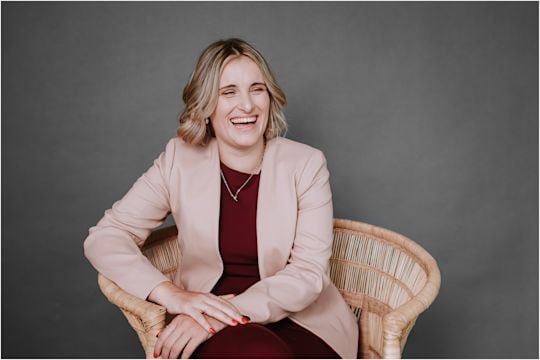
Natalie Brooks

About This Episode

In this episode, I sit down with dyslexia expert Natalie Brooks for a powerful, eye-opening conversation about what dyslexia really looks like and how it often overlaps with ADHD in ways that can be confusing, frustrating, and deeply validating once understood.

Whether you’ve been diagnosed, suspect you might have dyslexia, or love someone who does, this episode will help you connect the dots and feel less alone.

We also dive into Natalie’s new book, Dyslexia Unlocked, which offers practical tools and empowering insights for dyslexic adults navigating a world that wasn’t designed for their brains.

Dyslexia Unlocked

Want help with your ADHD? Join FOCUSED!

Have questions for Kristen? Call 1.833.281.2343
Episode Transcript

Kristen Carder 0:05
Welcome to the I have ADHD podcast where it’s all about education, encouragement and coaching for adults. With ADHD, I’m your host, Kristen Carter and I have ADHD, let’s chat about the frustrations, humor and challenges of adulting, relationships, working and achieving with this neurodevelopmental disorder, I’ll help you understand your unique brain, unlock your potential and move from point A to point B. Hey, what’s up? This is Kristin Carter, and you’ve tuned into the I have ADHD podcast. I am medicated, caffeinated, regulated and ready to roll. I’m so pumped to be here with you today. Thanks for tuning in. I appreciate you pressing play. I know that there are 1000s, millions, whatever, so many podcasts out there, and you chose to hang out with me, and that makes me so happy. Thanks for being here today. We’re talking about dyslexia, and I adore this topic. I do think that I am probably secretly an undercover dyslexic, and I wear that badge, badge very proudly, and you’ll hear my guest Natalie and I chatting about that throughout the episode. I also have a kiddo who’s diagnosed with dyslexia, and helping him navigate. That has been a joy. It’s been lovely to learn more about him and his brain and give him the support that he needs. And I’m just so thrilled to have my guest Natalie with me today. She is the founder of dyslexia in adults, and the author of dyslexia unlocked, which is published by Bloomsbury. It is coming out this week in the UK, and it will be out in June in the US. Natalie helps adults recognize and understand their dyslexia, offering practical strategies and support to navigate life more effectively. She is also diagnosed with ADHD so she understands us. Y’all she understands us, and I love the way that she frames neurodivergence and ADHD and dyslexia and the overlaps you’re going to love this episode. Enjoy, Natalie. Welcome back to the show. Friend of the show. Natalie Brooks, thank you so much for being here. Thank you for having me. I’m looking forward to today. I am obsessed with I just love following you on Instagram. I’ve loved the conversation that we had. I guess that was at least a year ago, and I just know that this conversation is so important for adults with ADHD, because so many of us are dyslexic and don’t even know

Natalie Brooks 2:42
it, 100% 100% and it’s so funny, and my life is the other side. So many of my clients with dyslexia have ADHD and don’t realize it. I’m kind of like

constantly doing the other way. So I think that’s what’s so nice about this conversation, is, you know, we get to kind of put our hand out to the other side.

Kristen Carder 3:03
Yes, lovely. Okay, let’s start here. You have just finished writing a book. It’s going to come out in April in the UK, in June in the US. How in the world does someone who is dyslexic write a book like was that such a huge undertaking?

Natalie Brooks 3:22
Yeah, I must say, now that it’s done, it feels like more of a bigger undertaking than it kind of felt in the moment. And for anyone listening

who already knows that they’re dyslexic and feeling interested, there is an audio book. Because whenever I don’t say that right up front, people are like, What do you mean? You’ve written a book for

dyslexic people. I’m like, Guys, there’s an audio book. Don’t worry. We see you, we love you, we understand you. We’re not we’re not doing things the wrong way around here. So, yeah, writing a book, you know, my publisher

is really calm. They’re really calm people. They’re really very unfazed people, so I would kind of come with my like chaotic energy and be like, I’m nervous, I’m excited, I’m unsure. And they were just like, it’s gonna be fine. Don’t worry about it. So I think they were very reassuring and very easy to like work with that that really helped, you know, like it really built on my confidence. I would send them drafts, and they would be like, This is amazing. They would have

crises of confidence. They would kind of sit and reassure me. So I, you know, it sounds like such a small thing, but it made a huge difference.

And the other thing that they said that also just really just made the whole thing so much easier. As they said,

you write it, and then we will figure everything else out. So I didn’t have any pressure on that first manuscript. It was just kind of like, send us what you have, and then we’ll go from there, which really just. And so much of managing my neurodiversity is like my confidence, my mindset, my feelings towards it and it all just took the pressure off and made it a lot easier. What I will say is that they asked me for 50,000 words, and I sent them 85 so they took the pressure off too much that I then accidentally way overshot.

Kristen Carder 5:22
Yes, I’m just curious, like, in what ways did your own dyslexia show up? What did you have to manage for yourself? What skills did you have to, like your own tools did you have to use in order to sit down and write, write, write, write, 85,000 words. That’s, that’s, I know, insanity.

Natalie Brooks 5:44
I just remember feeling like my university dissertation was like this huge

thing, and it was 12,000 words, and it just feels so puny now. It just feels so like, minor, but yeah, in terms of, like, real specific dyslexic challenges,

you know, staring at that blank page was a real toughy just like you have all this other work that you have to do and all these other pressures and deadlines, and you have to just kind of block all that out, tune into the page and kind of express yourself. So one of the things that luckily I had already really been teaching a lot of my clients is separate out ideas and breaking out ideas and thoughts and processing, and then the words of spelling, writing, grammar, all of that kind of stuff. So I was really good at putting bullet points down and then turning those bullet points into pro so that really helped.

That was a big one task initiation as a late diagnosed ADHD person, that was a that

was a tricky one. I’m going to be dead honest. I went to my psychiatrist, and I was like, so I’m writing a book. And she was like, so you want your medication increase? I was like, I do. And that made a whopper of a difference.

Kristen Carder 7:09
Wonderful. Are we talking stimulant?

Natalie Brooks 7:13
Yes, yes, we are. Yeah. So that made a huge difference. It doubled in dose, and it just like, really transformed

Kristen Carder 7:21
good for you, for knowing what you needed,

Natalie Brooks 7:24
knowing what I needed. You know, I was quite comfortable with asking for that, but not realizing that I hadn’t actually been getting what I needed before. You know, I You go on that journey when they first start of like, try different things, try different things, and then eventually, I actually, really found the one that worked for them, and it was this process that made me go back and get go back on that kind of trial and error journey. So, yeah, task initiation was a was a experience. And then finally, the biggest one by like, a country mile. Wasn’t so much the writing, it was the rounds of edits, because you get sent the book back from the editor and they say, Okay, could you review this and send us back to us in a week and a half? And I was like, this is 300 pages. Like, what do you mean, in a week and a half, have you, like, have you lost some kind of, like, mental capacity, like, how can you possibly think I can do that, plus a day job, you know, like, I’m not carving out any time I’m doing this on the side, and that, yeah, that was an experience. And so I would listen to the book while reading it. That made a big difference. And then, because I would kind of struggle with the boredom of it, you know, you just listening and listening and listening, that my trick was I would get a big bucket of popcorn, and I would sit and stem from the eating of the popcorn, just this conveyor belt was the only thing

that would keep my locked focus. Otherwise, my brain would be like, I wonder what we’re gonna have for dinner. No reading. We’ve got another 50 pages to go.

So that was really helpful. It was just tiring. Reading that long for that short period of time, you know, be like, write 50 pages, read.

Kristen Carder 9:25
Is that typical? A typical experience for someone who’s dyslexic, to be fatigued with all of the mental effort going into reading and editing, exactly?

Natalie Brooks 9:37
And the key here is that I wasn’t just reading for kind of digesting. I was reading for, like, is this sentence structured, right? Has this got all of the ideas I want to put have, have? I explained myself well enough so you’re really processing, you know? You’re not just kind of counting through the words, yeah, you’re really trying to engage. Age with that detail and that what the meaning is and the phrasing. And so it was a level of processing the written word that we don’t do as much anymore. You know, we read an email, we kind of get the gist of it, and we go, this was like really digesting something, and that that took my that was the biggest challenge by a country mile, the speed that they needed it done in and the energy it took was really difficult.

Kristen Carder 10:26
Yes, so let’s just kind of back up a little bit and talk about some of the dyslexia basics. We covered this in the episode that we did. It has to be longer than a year ago, because I wasn’t in studio, so it must have been at least a year and a half two years ago. Somebody who was prepared would have looked and been able to point people to it. But listen, I have ADHD, okay, I did not do that in advance, but it certainly was at least a year and a half ago. And I’m curious if we should just kind of do a refresh like, what are the basics of dyslexia? What are the telltale signs? What? How would someone know whether or not they’re dyslexic?

Natalie Brooks 11:12
So I mean, you gave me a nice little bit of time to look it up. So it’s episode 274, if anyone does want to go back. But yeah, in terms of the basics of dyslexia, the way that I like to explain it, which I hope will really resonate with your audience, because, like we were saying at the top, my experience is trying to kind of help educate dyslexic people on ADHD and what that really looks like, and not that kind of little boy struggling to sit still in class. And now, you know, trying to help your audience understand that it’s not

just that little boy struggling to read. It’s so much more than that. And it’s amazing how in

neurodiverse we’re in the neurodiversity space. And yet, you know, many people will have pre assumptions about autism that might not be correct, and many people with ADHD don’t quite understand dyslexic. They might think, well, I can spell, so I’m not dyslexic, and all of these different things.

So the way that I explain it to people that hopefully will really help is this kind of the core bucket that we’re looking at

is the difficulty with executive functions. Is the big overlapper. So someone with ADHD, autism and dyslexia and, you know, dyspraxia and dyscalculia and all these things, they will all have executive function difficulties. That’s the kind of central pillar of overlap. And of course, within executive functions, we have working memory. So working memory is a really core diagnostic skill within dyslexia. So your ability to hold and manipulate information, particularly so they’re the things that you guys will probably know and understand and connect with. And then on top of that, we’re also looking at how someone processes information, so how they digest that, how things go in, how they kind of create connections in their mind, the way they see things, they understand things. And that is also the great strengths and the challenges and difficulties, they kind of are two sides of one coin. That’s a kind of core element of it. And then, of course, in terms of diagnostic criteria, we’re looking particularly at someone’s phonological processing, so their ability to spell words, read words, process the written word, all of those kind of things. Then just briefly touching on the strengths. The big thing that you would see with someone who’s dyslexic is their connections of how they see the world, so their ability to see how patterns occur, or ability to see how things are connected that don’t feel obvious. It’s really that big picture thinking that connects dyslexic thinking. And so if you feel like people often say to you, I never would have seen it like that. Or when you explain things, it’s just so kind of interesting. And I really connect with the way you explain things. Often we have a much more image centric mind because of that difficulty with phonological processing. So you might find yourself explaining things in stories or images or colors, and so that’s one of the key elements we want to look out for phonological processing, the way you process information. And then, of course, the strengths of how you see the world. They’re the kind of three you really want to think about and look out for. And then we’ve got that kind of middle crossover, Exec of executive functions, fascinating.

Kristen Carder 14:58
What would. Someone see in their own lives? Can you make it practical for us as far as like, that’s kind of like the big picture, and I’m curious about like, day to day life. What would someone see in their day to day life, or maybe in their own child? What to be on the lookout for one of the

Natalie Brooks 15:20
examples, yeah, so one of the examples I really love, where, you know, when you’re kind of sat in a cafe and someone says, Oh, what do you do? And I said, Oh, I’m, you know, right? With dyslexic people, they go, Oh, I think I’m dyslexic. And this is kind of the first question that I’ll ask them that will

really be like, are you dyslexic? Or, like, you know, are you kind of just like seeing too much on Tiktok

when someone, when you come up to a door and you see the push and the pull sign, and you pull, and you pull, and you pull, and it says push, and you kind of see that it says push, but you still pull. You just like you just pull, pull, pull, and it has push, and it’s just taken you just a second too long to kind of process that word and connect with that idea. That’s like, a big one for me, that I’m like, Okay, that sounds like it could be dyslexia. And then that’s the kind of phonological processing we had this conversation last on cast. And you were like, This is feeling a little too close to home. Then another one that I really like to ask is if someone’s telling you a joke, and you’re kind of listening to the joke and you understood everything they said, but you just laughed five seconds later than everyone else, and it’s just it just took you a beat longer,

and you just find yourself being like, Why? Why like? You laugh. You fake laughed the first

time, and then you real laughed five seconds later. That’s that processing speed we were talking about. That would be an example of that. And then finally, if we’re looking at the strengths and kind of the way that someone sees the world, do you find yourself kind of trying to explain things in a certain way, the kind of normal way you think the world wants to hear it and it just this is going badly. You’re just not organizing your thoughts nicely. It’s just getting all confused. And then you paint the picture in your head, you kind of clarify the image and explain something to someone visually, and you just see that they like connect, and their eyes widen, and they just see what you see, and they’re like, Oh my God, yes, if you find that, that is what hits, and that’s What’s easy for you, it really comes naturally to speak like that. When you speak in that more structured and organized way, just it just doesn’t work. I think those are the three really clear examples I would say, yeah.

Kristen Carder 17:54
I’m curious to somebody who’s dyspraxic. Yeah, that’s having to do with writing correct

Natalie Brooks 18:04
that’s dysgraphia. So fine motor skills is dysgraphia. And then dyspraxia is the like, how your body moves in a space, how you kind of understand a space. So a kind of great example of dysgraphia would be buttons and shoelaces, you know, because it’s a fine motor skills of your fingers. Dyspraxia would be a little bit more like you’re always getting food done yourself,

or when you’re cooking, you’re always kind of like flicking things and having to clean the hob and stuff like that. Just kind of, they kind of,

they kind of call it the clumsy disorder. You’re just tripping over your feet and things like that. So that would be the kind of differences,

you know, it’s just like all so difficult to pull them apart because

they are all so similar. And I do think as the funding increases, as the research increases, we’re going to step away from a lot of these terms. They are clunky and not connecting with people’s reality of having multiple connecting with so many, you know, the fact that we’re individually diagnosing all of these. It’s not working for our society anymore. So I think anyone who is kind of like, oh, another one, right? I just think it’s really important to understand them. The leaders in the research field are saying that is the exception to only have one diagnosis, the rule is to have three, four. You know, you’re not putting in another card. You are truly understanding your brain if you have multiple diagnosis. For me, I’m I’m only diagnosed ADHD and dyslexia, but I believe I have ADHD dyslexia, disc. Calculia and dyspraxia, but it just at some point you just stop paying for the diagnoses, right?

Kristen Carder 20:07
That’s so true. I’m curious. Is dyslexia not the umbrella that kind of holds all of the other or they truly are individual diagnoses. They are

Natalie Brooks 20:21
individual diagnoses, and it’s just that we seem to have got this dis word as the kind of starter, which is just

difficulty in Latin or Greek. I get confused. Think it’s great, it’s Greek. So it’s dyslexia, difficulty words, dyscalculia, difficulty numbers. So it’s it. They sound like they’re all connected, but it’s just imagine difficulty at the front of each kind of word, and I think that’s a prime example of how we’re not understanding it properly. The fact that we’re looking at a dyslexic Person has difficulty phonological processing, but we know that there’s executive function challenges. So why is that not part of the diagnostic criteria? Like, why is that so synonymous with ADHD when it’s affecting autistic people, affecting dyslexic people, it’s affecting dyspraxic people? Like, it’s not making sense our current thinking and approaches. And that makes sense because it’s poorly funded. You know,

Kristen Carder 21:27
if you’re in charge, if you were in charge of it, how would you set it up? Like, how would you group the diagnoses? Or, like, if, if the government was like, Natalie, here’s $50 million like and they should do that honestly, and they should,

Natalie Brooks 21:47
they should, yeah, and not just for dyslexia. I’ve got opinions across the board that I’m happy to take 50 million for, but that’s an that’s a whole other podcast.

So I often say that dyslexic people, because of that thinking, have a real good bullshit radar, like we just cut through things straight to the middle, and we’re like, Okay,

listen, that’s all fluff. Let’s talk about the real thing. So a lot of my clients, they get in trouble with their workplaces because they’re like, no, no, that’s not important. That’s irrelevant. You know, we need to talk about this. And their workplaces are like, No, you have to do the task that’s set.

And they’re like, no, no, no, no, no, sorry. I feel like I’m like, my own walking example of the things that I talk about. I love that. But if I could have 50 million

for just this topic, I would actually take the model that they do in South Africa, which is where they have one central assessor who looks at all of the neurodiversities so they can, straight off the back, diagnose ADHD, dyspraxia, dyscalculia, all of them at once, rather than looking at it each Individual, one at a time, which just doesn’t make sense for how we look at things. It’s so financially cumbersome, it’s so difficult for people to unpick themselves and figure out which is which and what is what. And I would personally try and remove executive functions from being such an ADHD specifically understood thing. And I think it needs to come more into the other diagnosis. Because, for example, if you go on the British Dyslexia Association, you’ll see processing phonological awareness, you know, all the things I talked about, bit of working memory, and then they’ll say organizational skills, and you’re like, what? It’s a bit more than that. What do you what do you mean? And we’re not using the term executive functions in dyslexia so strongly, and then people are having so much shame, because when we don’t have the correct terminology. That’s a vacuum for shame and misunderstanding. You know, when people don’t know about executive functions and difficulty with procrastination, time management, prioritizing, organizing our thoughts, all of these things when autistic people don’t understand, you know, the difficulty with emotional regulation and metacognition and all of these things. Metacognition is thinking about thinking, which is kind of a cool one of the executive function list. When we don’t understand those terms, that’s when we have shame, feeling of being a failure, thinking we’re not good enough. But when we have these scientific terms, we’re able to instead have strategies and approaches and kindness. So again, to answer your questions, specifically, if I had $15 million I would do all of them assessed in one go. If you’re neuro spicy, let’s kind of like, look at it all and kind of get get a list of. Traits, rather than all of these labels, because it’s very confusing. They all just overlap so much. And then I would be really clear at explaining executive functions to everyone, because it changed my life,

Kristen Carder 25:14
understanding it, how did it change your life?

Natalie Brooks 25:19
I mean, like I said, changed from shame to strategies. I went from feeling like I was, Are we allowed to swear on this podcast?

Kristen Carder 25:29
Oh, yes, please.

Natalie Brooks 25:31
Okay, so I don’t know whether or not this is probably a real English phrase, but my family always called me a fuckwit, which is just a bit of a like, a little bit of a nightmare, a little bit of a pain in the ass, just like, just like, you know, there’s a lot of my parents are exactly the same. So, you know, they weren’t judging. They were just dealing with the fallout of kind of the chaos that ensued. I went from feeling like this kind of perpetual mess to feeling such understanding of what was going wrong, and again, you brilliant at giving making, prompting me to give specific examples.

When I started writing this book, I knew I would write it all at the deadline. That was the reality of what was going to happen. So I created deadlines. So, you know, each month, I made my team sit down with me and look at the next venue, that the next chapter, so that I had to

do it. I had to kind of create it. And if I hadn’t have known about that, I would have just been like, Oh, I’m

so useless. Like, why can’t I do this? I’m incapable, but I don’t have to feel like

that anymore. I’m just like, Oops, I forgot my strategy that didn’t go very well. Just being released from self loathing is the greatest kindness we can give ourselves, let alone how much better the strategies work?

Kristen Carder 27:03
Yes, I resonate with that so deeply, and I am positive that our listeners will as well. I often say, before I understood ADHD, I was diagnosed, but I didn’t understand it beyond like you struggle to focus, you’re distractible, you’re impulsive. That’s all I knew I didn’t know about executive function. No one told me. No one taught me. This was in the, you know, 90s, early, 2000s nobody was talking about it. And when I finally learned, like did the research myself and read books, I was so relieved that everything I hated about myself, everything that for decades I’d been calling not just me, but like also my parents and teachers and everyone around me been calling them character flaws.

Natalie Brooks 27:51
Yes, yes, they were character flaws before. Now they’re

Kristen Carder 27:55
traits, exactly now they’re traits. They’re symptoms. They’re connected to ADHD, and so many people say like, well, I don’t want to label my kid, or I don’t I don’t want to label myself. And we’re already being labeled. We’re already being labeled. If we don’t assign it to ADHD, dyslexia, autism, or whatever the case may be, we’re going to label it ourselves,

Natalie Brooks 28:22
lazy, stupid, incapable,

Kristen Carder 28:25
lazy, exactly, not meeting potential. Doesn’t try hard enough. And those labels are what did so much damage to me over the years, and when I could rightfully assign the label to, oh, this is a symptom of my ADHD, or this is a symptom of dyslexia, and because it’s a symptom, I can do something with it, like now I can go and apply strategies or medication or therapy or coaching, or whatever the case may be, rather than I’m just a screw up. I just don’t care enough. I guess I’m just really selfish, like, I keep forgetting all of the important things. So I guess I’m selfish. Like, I guess that’s who I am, and then realizing, like, oh, maybe I’m not, maybe I’m not completely flawed. Of course, I am flawed, but no more than the next person in a beautiful right? No more than anybody else. It’s not like, Absolutely. Here’s Kristin with all of her flaws. It’s like, yeah, Kristen’s like, 50% great and 50% not great, just like every other human in the world. And being able to release myself from the shame of that, it changed everything for me.

Natalie Brooks 29:40
Absolutely, yeah. The thing I always say to my clients is I want you to picture next time you’re going into your annual review and you sit there, and you’re going to get there, you need to double check your work, and you know, you need to be this and that, and whatever you know, dyslexic challenge you’re coming up with. I want you to imagine the person who’s. Seat was in the chair before you, like, it’s still warm, and they’ve just cut and they’ve just left the chair, and you’re you’ve just sat down. What is that person had said to them? What has been their list? Because yours has been double check your work. You know, maybe you’re yawning a bit too much because you’re tired, like, whatever it is, someone else has had their list, and it just, this is your list, and that’s their list. Neither list is worst. Neither list is different. Like, it’s just, everyone has their thing that they have to work on, that they have to try at, that they’re going to get feedback about. And you know, because we’re doing coaching right now, I get the opportunity to give you strategies for those things. But next time you go into that annual review, I want you to remember that there was a bum on the seat, it was warm, and there was a list, and this is your list, and that’s okay. There’s no morals associated with the list that

Kristen Carder 30:55
is given. First of all, the thought of a warm seat. Sitting down in a warm seat is so repulsive to me. The sensory side is that, I just have to say that is,

Natalie Brooks 31:09
but I think that’s what’s like. That’s what I like about it, is it’s, it’s so visceral, like you’re sat there and you go, Oh, I don’t like, like, it really can feel that there’s someone. It’s not just like, oh, yeah, I suppose other people have flaws. It’s like, there’s a warm seat and it had failings.

You know, I just like the idea of, like, picturing it and sitting in it, and you’re really, brought me. You’re really, oh, well, I tried my best.

Kristen Carder 31:35
I just wonder, like, Why? Why have we connected these flaws to morality. Like, where did that start? Is that a childhood thing is that a school system thing is that a like a neuro typical world being navigated by a neurodivergent brain thing, like for us neuro spicy individuals, there is so much morality connected to our personal flaws, whereas I don’t know that every human deals with it as as specifically like that. I’m not sure what do you think? Yeah, I

Natalie Brooks 32:14
do actually have a couple of answers on that, and they’re, they’re kind of like, you know, they’re not, they’re not the full unpacked list, but these are the ones that I’ve, like, really zeroed in on. I think there’s two that I really think about a lot. And obviously, we’re talking about dyslexia specifically right now. And I think the, you know, the adaptation of the printing press and the creation of this standardization of language, of course, is like a big part of our challenge. Before that, you know, there wasn’t such rigidity and structure around language and being able to read and write the correct way was this kind of class defining. Are you educated? Are you wealthy? You know, have you? Are you in the right class? Are you? You know, it said something about you. And we’ve kind of, that’s where it’s got that moralistic element to it. It’s like, if you’re educated, if you’re good, you spell things properly, it says something about you, and that’s how people feel about it, because that’s kind of where it’s come from. And I don’t think it’s going to have as much power as we go into the modern era of you know that not being as important, but that, I think, is where a lot of it comes from. The other thing that I think a lot about a lot is, you know, the UK is quite a Protestant society, traditionally. And I often feel like this concept for neurodiverse people, of like, trying harder, I think comes from this quite very Protestant kind of societal thing that we’ve absorbed of like, you know, work hard, try hard, and you’ll be successful. It’s a very classic Protestant perspective, and I think that it’s so ingrained in our culture that we don’t even see it. We don’t understand that it’s like what is kind of filtered down into our perspective on things. So I often find this concept of try harder being this kind of societal approach to things, and actually a lot of the time I have to really unwire that in my clients like so in the book, there’s three sections. So it’s it’s called dyslexia unlocked, and it’s unlocking confidence, unlocking strategies and unlocking strengths. And so much of the book is saying, if you just try harder, which is your current approach, here’s how things go wrong. Here’s what happened. And it’s just page after page of UN wiring and breaking this perspective of like, you know, the whole of the first chapter is basically like, this is the messaging you were given. This is how you were told to handle things. Been that, because this is the result. This is how it was happened. This is what’s going wrong? Yes, and then rewiring with the kind of unlocking strategies. Okay, so this is how to do things differently. This is how to do things smarter. This is how to stop just trying harder and actually do things more successfully. So I do think that this kind of messaging we’ve received is so societal, you know, and I just think that it may be to do with this Protestantism, but who really knows, and that I think needs to be unpicked to really be a successful, neurodiverse person. So the question I often when my clients are getting on my nerves. So if any of them are listening, apologies they’re ever getting on my last nerve of being like, well, I just want to be normal. You know, they don’t say that, but that’s what they say. They’ll be like, Well, I just want to be more productive. I’m like, productive enough. Just give it a rest with me. I’ll be like, do you want to be normal, or do you want to be a successful neurodiverse person? Because they’re not the same thing. So what do you want me to help you with? You know, after

the 10th time of them trying to improve their productivity and and they sit there quizzically at me, like, what a perverse question. Yeah, yeah. I like, the goal is both. And I was like, the goal is not both.

I can’t do both if I make you normal,

whatever that really means and looks like. And for anyone that’s just listening, I’m big time with the air quotes there,

I will hinder your success as a neurodiverse person. That will result in trying harder, working harder, being very logical in your perspective, being very breaking things down carefully. If I make you a successful, neurodiverse person, I have to focus on your strengths, on your creativity. We have to accept the natural lulls and highs of neurodiversity. We put guard rails on that so we don’t go too low and too high, but we work with that structure. I can’t do both, so tell me what you want, and I will help you. And then kind of just, you know, for the rest of the session, just kind of wiggling like I just want both.

Kristen Carder 37:42
I love your perspective of you said Bennett and I just interpretation for our US listeners. She means, throw a trash can, throw it right into the trash. The question that I love is, How has that worked for you so far

Natalie Brooks 38:05
in my own personal life?

Kristen Carder 38:06
No, the question that I love to ask clients when they’re like, Oh, I just need to try harder. I just need a better productivity hack. I just need to manage my time better. All like, all of that, I’m just like, and how has that worked for you to this point? Oh, yes, right. And it’s like a great question. Well, it hasn’t really worked, but it’s just because I haven’t found the right exactly the magic bullet, yeah, like, I promise you, there’s no magic bullet other than releasing yourself from the shackles of trying to be normal, quote, unquote, and and leaning into Who are you actually and how can we capitalize on your strengths and minimize your weaknesses? Because so far, trying harder hasn’t worked. Why are we still why are we still doing it?

Natalie Brooks 38:53
I just absolutely that was one of the things in the book of that kind of unlocking confidence. I was talking about, is, it was

kind of like, well, this is the messaging you got at school, and, you know, this is how you would talk to it’s resulted in, you know, exhaustion, not spending as much time with your family as you would like, you know, limiting yourself, you know, in your careers, and not going for the things that you want. It’s resulted in, you know, maybe having difficulties in employment, and, you know, feeling like you’re not achieving your potential. I was like, This is what it’s resulted in.

So why are we so stuck on staying with that? And I do, you know from school, that’s what we’re told, try

harder, keep going, do it again. And people really believe that just next week, you know, I often relate it to, like, going on a diet, like, I’ll be good on Monday, and everything will be different. It won’t. It really It won’t. You might have win. Nose of you know, things going in the right way, but it won’t get the results you really want. You have to accept your neurodiversity and work with your difference, and that is the biggest blocker to people creating success, not to the strategies themselves,

Kristen Carder 40:21
I fully agree. I just want to ask you briefly about the overlap between ADHD and dyslexia. Can you talk a little bit about, maybe the stats of like, how many people so people listening to this podcast either have ADHD. They’re curious about ADHD. They have loved ones with ADHD. Dyslexia might not be on their radar, and I’m curious if you have some stats or insight into how pervasive is the overlap of dyslexia and ADHD.

Natalie Brooks 40:58
Yeah, so I think the statistics in terms of ADHD and dyslexia, it’s thought about 30% of people who are dyslexic will have ADHD. But I think it’s really important to understand the statistics are terrible. It’s small sample sizes. And you know the reality is most people are undiagnosed, then if they’re undiagnosed, most people only have one diagnosis, so either dyslexia or ADHD, the chances that someone has understood that they are neurodiverse and then got both is which is such a small pool. And so I do think it’s really play a little bit fast and loose for the statistics, because what I am seeing on the ground is that the vast majority have both like, that’s my that’s what I’m seeing. So when I tell people I have this 30% it just doesn’t feel like what I’m seeing. And I do think that’s partly difficult because of the pervasive part of executive functions as part of ADHD and how it does impact dyslexic people. And we don’t have a great understanding of where executive function is. A little bit more ADHD and a little bit more dyslexia, which one kind of sits in which so it’s all just under understood. So I’m always reticent to kind of come in strong with, like, facts and statistics. I think maybe a better answer is to say, if someone is listening to this and they’re saying, I’m already having, like, enough of challenge with ADHD and figuring all of that out, like, why bother? Or, you know, it’s just gonna have to sit to the back. The biggest thing I see with dyslexia, you know, if you if you feel like it’s this this, if you pass this test, if you’re really nodding along, if you’re getting a crick neck from how vigorously you’re nodding, then this is your sign to kind of go down that rabbit hole, you know, look at a few more tick tocks. Spend a bit longer on chat, G, B, T is if your dyslexia is not understood, then you’re going to struggle with your perspective of the world, how you see the world, how you understand the world, how you get in information. And that is going to be such a daily frustration for you to think that you just don’t see the world like others do, or others don’t see the world the way you do. And so understanding how you process information in and how to kind of communicate with the world with that different perspective is really, really important, and something that will really x your life of like, you know, that’s the real opportunity of dyslexia. It’s either going to cripple you or it can be your huge opportunity and value. I’m not such a fan of superpower, so I kind of consciously didn’t use that word for anyone that was kind of waiting for it to

Kristen Carder 44:01
come out of their mouth. I appreciate you restraining yourself.

Natalie Brooks 44:05
It was no restraint needed. I don’t like it. It wasn’t going to happen, but I just felt like it may have been expected. So yeah,

I think that would be kind of my message is, if you feel like people don’t connect with your perspective, or you’re struggling to really understand others, then look into dyslexia, connect with it better.

Kristen Carder 44:27
Is there a resource? Maybe, obviously your book unlocking dyslexia, which will be coming out this week in the UK and in June in the US. But where do you usually send people to kind of maybe look at a symptoms list, or have some sort of list of traits that they might, you know, resonate with or not.

Natalie Brooks 44:52
Yeah, and I think the key to understand with dyslexia is that, you know, it doesn’t have the medication aspect of ADHD. So there isn’t as much value in getting a diagnosis as an adult that there might be with ADHD. It’s a different situation. And so if you have kind of industry exams or something that you need extra time for, then the diagnosis might be really valuable. But if you just want that understanding and that self awareness, then a online screener is definitely the right way to go, because it’s really pricey to get a diagnosis, and I just don’t know if it gives you the kind of return on investment as an adult as maybe it would have as a child. The interventions you get as a child are obviously substantively more because of the aspect of learning to read, and so the online screeners are pretty good with dyslexia. There’s a lot of really great ones dyslexia UK and the British Dyslexia Association are two that I often point people to. And then the International Dyslexia Association is the US kind of main dyslexia organization. All of them have really good checklists.

Kristen Carder 46:07
I guess what I’m hearing you say is, if you’re in an academic setting, if you’re in some sort of industry where having a diagnosis that would validate your you know, requirement for more time or support, then it’s worth it. Or if you’re listening, because you have a kiddo in school and you’re thinking, oh my goodness, you know, like, do I need to get my child more support? The answer is yes. The answer to that is always yes, but self identifying as dyslexic could be extremely valuable, is what I’m hearing you say, and an online screener, and then just understanding your own brain in that way, and then connecting with experts like yourself who can set you up with some tools, some skills, some different perspective on how to interact with the world that seems really valuable. So I am going to make an assumption that your clients, some of them have a, you know, an actual diagnosis, and then many of them probably are self diagnosed.

Natalie Brooks 47:16
Yeah, absolutely. So dyslexia is primarily categorized as a learning difficulty or difference, and so it’s very based in the education setting. So a lot of the like standard adjustments and support you would get sit in academia and education. And obviously, if you’re doing an industry exam, like you’re getting your accountancy or you’re a lawyer or something like that, then there’s real value. If you’re in marketing or you have a blue collar job. I just don’t know quite what you would get from a diagnosis, but as you and I have said throughout this episode, if that is the thing that is going to get you the self acceptance and the confidence to do things differently than it is worth its weight in gold. If you cannot get there without that rubber stamp, then pay the money. Do it change your life? But if you are just like, oh, just, you know, I’ll get a diagnosis. And the reason why I explained that it’s in based in schools is most people. So in the UK, you cannot be a assessor without some level of teaching experience. So that’s the level of which it is based in the education setting. So most people will be teachers or, you know, special learning assistants and things like that. And so they’ll give you a report, and there will be very little advice for how to manage Dyslexia as an adult. You know, they’ll give you advice to read, you know, websites to look at, learn how to spell, and all of these kind of things, but they won’t teach you how to help with your emails, how to, you know, navigate meetings and all of these modern day, you know, adult challenges. So it just would really caution people to go spend 700 pounds, you know, 1200 bucks, and just get a rubber stamp. I think that would be a difficult pill to swallow when you could go and get coaching and get advice and strategies, which feels like it would make a bigger difference.

Kristen Carder 49:25
So tell us about just your book. It’s coming out so soon, we want everyone to pre order, purchase, do the things it’s called unlocking dyslexia. I’m so thrilled for you. I know how grueling this process is. We were chatting about it off air. It is not for the week, as you said. Just give us like a you talked about it a little bit, but give us an overview of the book, and we will link it in the show notes so people can go right. This second and purchase it.

Natalie Brooks 50:02
Yes, and you, you’re kind of really fulfilling that idea that you might be dyslexic since you flipped it the wrong way around. Is dyslexia unlocked? Not unlocking dyslexia, which really made me laugh, because sequencing is a big part of dyslexia, flipping things around. So I had a nice chuckle there. So yeah,

Kristen Carder 50:21
I apologize. Second of all, oh, no, was that my diagnosis? Should we just might?

Natalie Brooks 50:27
It might be like, No, it’s like, I’m impressed. The only thing is, is I just started thinking, is it I’m looking No, it’s not, is it? So I was, to be honest, it was my own self preservation that I was like, Wait,

let me get this right. But yes, I was about to call it unlocking dyslexia. Dyslexia unlocked is really just for anyone that wants to go from

overwhelmed to successful in navigating their dyslexia. So it breaks down, creating confidence, creating strategies and helping you understand dyslexic strengths, what they are in really practical terms. I created my company, dyslexia and adults because I was struggling with my dyslexia and unknown, undiagnosed ADHD and I just wanted so desperately, a manuscript, a path, just someone to just tell me how to do this and what to do. And so it is just for anyone that feels lost, frustrated, unclear and they want practical steps. You know, how to book a flight and not you know, book the wrong date, how to send an email, and if someone hypnosis, spelling mistake, what to say, how to talk to someone about being dyslexic, you know, just like the practical stuff that we’re struggling with, if some you know, you tell someone they’re dyslexic, and you know they are like, Oh, so you know what, what strengths you have, and you just think to yourself, none You know, it helps you answer that question and clarify what is dyslexic strengths for you? So it’s just hopefully this Guide and Manual that is going to give people answers, because the amount of information that is out there for adult dyslexia is just shockingly little.

Kristen Carder 52:17
Yes, yes. Thank you so much for taking your lived experience and your professional expertise and doing the grueling work of putting it into written and audio form, just as a yes, the neuro divergent community. On behalf of all of us, I just want to say thank you. I know what a lift that is, what a heavy, lift that is, and I just really hope that people listening will will follow your guidance and go purchase the book, because you have so much to offer. I’m so grateful to you for your work.

Natalie Brooks 52:56
I just have one final story to share with you that I’m sure you have a nice tickle with my publisher, came to me and said, you know, there’s books on ADHD and autism everywhere. You know, someone needs to write the book on dyslexia. And I was like, Oh, yeah. I just, I’m, to be honest, I’m like, just so busy, like, I just couldn’t and she and she was like, well, someone’s gonna write it. Yes. Do you want it to be you. And I was like, I don’t want it to be me. She was like, No, it has to be you, like you are literally the person to do this. And she she had to kind of strong arm me, because I was so reticent to find the time to do this, but I’m so glad that I have. I just feel so excited for all the people that’s going to help, and just finally, having this little space for adults with dyslexia, you know, rather than just feeling like we’re this kind of outcast of the neurodiversity industry just having our own little corner. Just to give you an example of how small adult dyslexia is. Dyslexia doesn’t even have a subcategory in Amazon. That is how like under

Kristen Carder 54:18
represented we are, yeah,

Natalie Brooks 54:20
exactly yeah, represented as a much better word, yeah. So hope, I’m just hoping that this is going to be the little, the little light and the little start into it all. So thank you so much for such a kind you know, plug and summary, it’s been just such a pleasure chatting with you again.

Kristen Carder 54:41
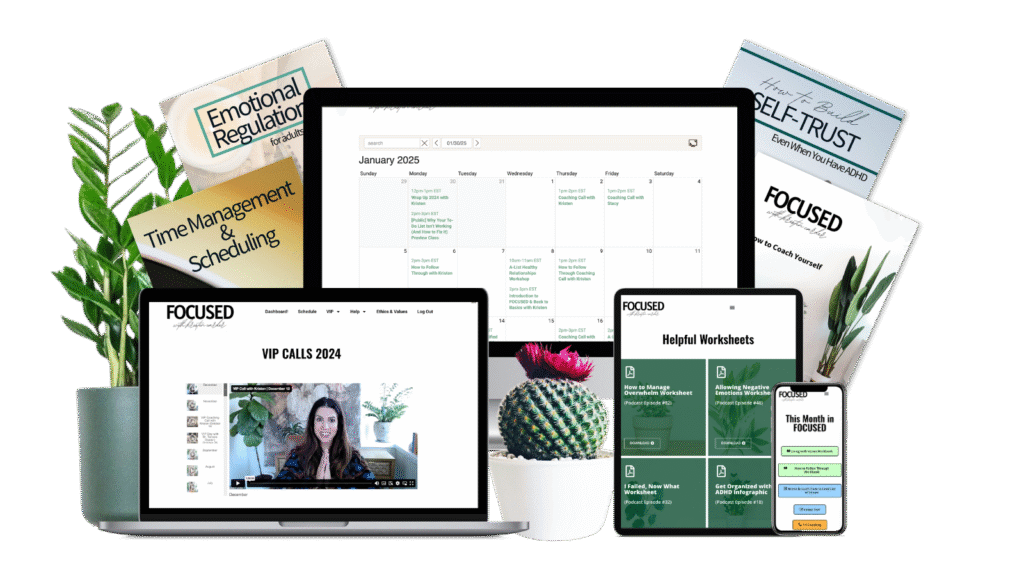
The book is called dyslexia, unlocked. Nailed it, nailed it. Everyone go by it. Natalie, thank you so much for being here. It’s such a pleasure to speak with you. Thank you. Bye. A few years ago, I went looking for help. I wanted to find someone to. Teach me how to feel better about myself and to help me improve my organization, productivity, time management, emotional regulation, you know, all the things that we adults with ADHD struggle with, I couldn’t find anything. So I researched and I studied and I hired coaches and I figured it out, and then I created focused for you. Focused is my monthly coaching membership where I teach educated professional adults how to accept their ADHD brain and hijack their ability to get stuff done. Hundreds of people from all over the world are already benefiting from this program, and I’m confident that you will too go to Ihaveadhd.com/focused for all details.


Get The Best of the podcast now with our Podcast Roadmap.

This is a clear and easy podcast roadmap so that you can know for SURE that you’re hearing the very best of the I Have ADHD podcast.

Related Episodes

Lindsay Gibson

Episode #414 Good Enough Parenting: What NOT to Do (with Dr. Lindsay Gibson)

Dr. Russell Ramsay

Episode #412: How ADHD Steals Your Self-Trust and How to Get It Back with Dr. Russell Ramsay

Kristen Carder

Episode #410: The Exhaustion, The Book, and The People Who Are Mad at Me

Stop Struggling Alone.
Start Thriving With FOCUSED.

A proven coaching program designed specifically for adults with ADHD who want to gain clarity, build confidence, and take control of their lives.

Join a community of hundreds of ADHDers

Learning About My Brain...

Changed Everything

Hi, I’m Kristen Carder—ADHD expert, podcast host, and certified coach who’s been exactly where you are. Diagnosed at 21, I spent years cycling through planners, courses, and systems that never quite worked. Everything changed when I discovered the power of understanding my ADHD brain and the transformative impact of community support.

Now, after 15+ years of research and experience, I’ve helped thousands of adults with ADHD thrive. I’m here to show you how understanding your brain can transform your life, just like it did for mine.

ADHD Tips That Actually Make Sense

Follow @i.have.adhd.podcast and join our Instagram community for daily strategies, relatable content, and real talk about ADHD