Kristen Carder 0:01
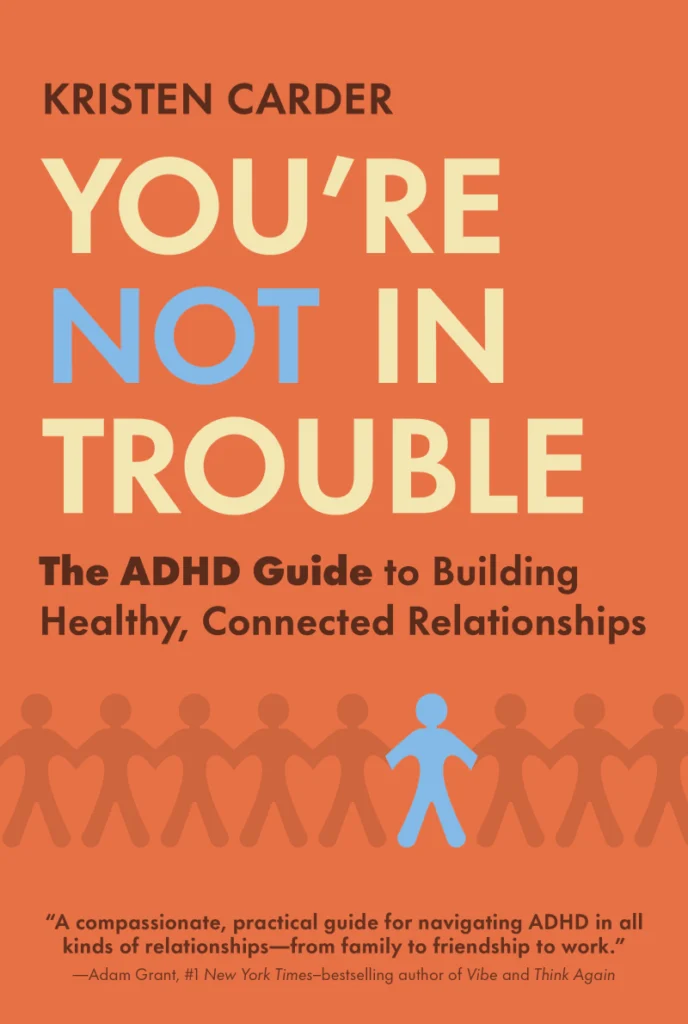
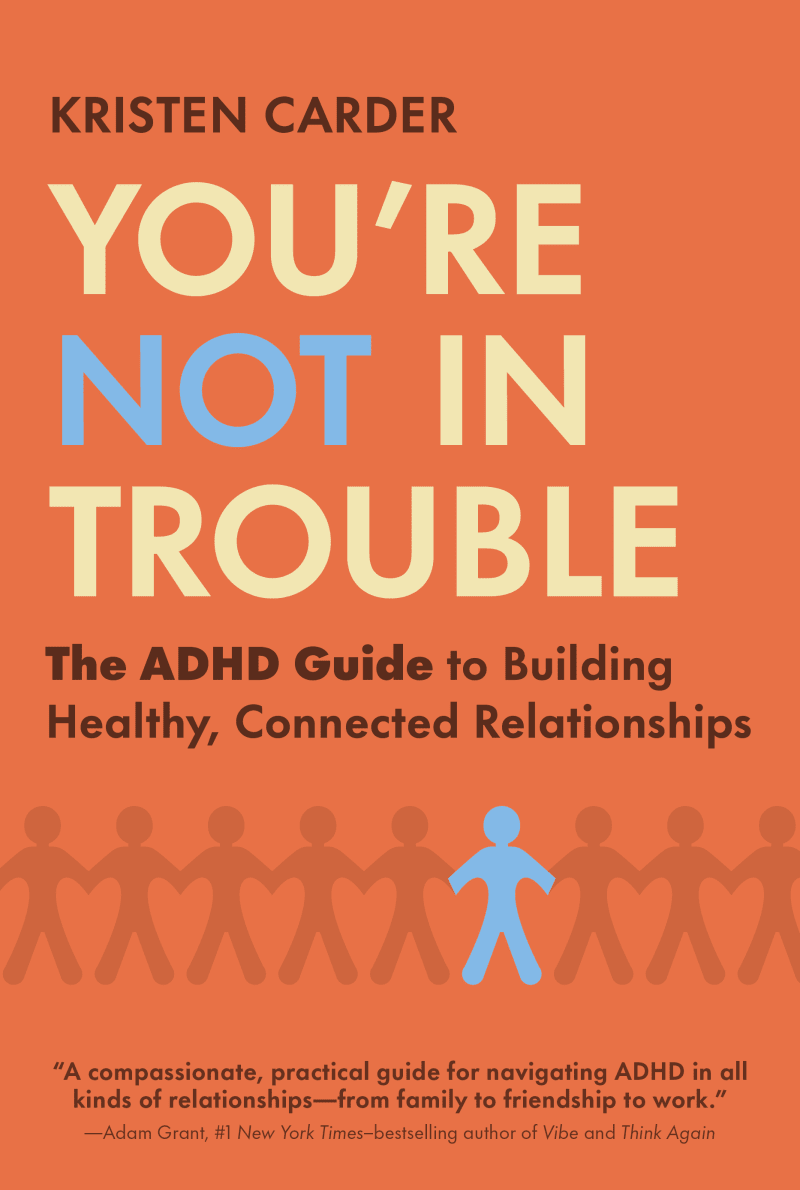
Hey, what’s up? This is Kristen Carter, and you’ve tuned into the I Have ADHD podcast. I am medicated, very heavily medicated today, caffeinated, regulated, and so ready to roll. Hello, it is so great to be with you today. How are you? I am so excited to talk to you today because we’re talking about shame, which is not a sexy topic at all. Not a sexy topic, but it is something that I am realizing I don’t talk about enough because so many of us ADHDers are riddled with shame. I taught a class yesterday in my coaching program, focused. If you’re not in focused, what are you doing? Come and join us. It is the best place on the face of the earth for adults with ADHD. But I taught a class yesterday on how to follow through, and what I realized is that what is stopping so many of us ADHDers from following through is shame, and then I went down a hyper focus spiral. Now I am completely hyper focused on the topic of shame, and that is exactly what we’re talking about today. What’s good, y’all? I can’t wait to talk to you about this. I know that shame is not a sexy topic. It’s not a fun topic. It’s not something that we really want to acknowledge in ourselves, or address, or touch. We don’t really want to touch shame, and yet, and yet, I think this might be the key for us. I think this might be a key to our productivity. So welcome in. Grab your snacks. Grab your water. Grab if you forgot to medicate today. Grab them meds. Gone. Gone and do it. Grab them meds. It has officially been one week since my debut book, “You’re Not in Trouble,” has been published in the U.S., and I have had such a roller coaster of a week. How many of you have read it? How many of you have listened to it on Audible? How many of you have it in your Amazon cart but haven’t clicked purchase quite yet. I see you. I get you. How many of you have bought it, but it’s now on top of the laundry pile, or it is, you know, like in your bag, and you’re kind of like carting it around, and you’re like, I’m gonna, I’m gonna get it. I swear, I’m, I’m gonna get to it, and you just haven’t opened it yet? How many of you are like actually resisting starting because you’re just like, I’m kind of scared. I don’t. I don’t really want. I don’t really want to. I’m not really sure what it’s gonna be like. Somebody just said, “I finished your book yesterday.” Oh my gosh! Thank you. What did you think? I binged finished last night. Says somebody else. It’s amazing. I’m saying somebody because reading your names feels a little hard. Reading usernames on YouTube. I’m just like, first of all, my eyes are 45 years old. I should probably be wearing readers at this point, but I’m not. I’m not because I have some self-respect. Oh gosh. Oh Heather. Okay. Hi Heather. Thanks for letting me know what your name is. The usernames are like you know Jim Bob 1427. So I don’t know. I can’t always be reading the usernames. But y’all, thank you for reading the book. I wanted to share with you just the most beautiful. Well, actually, we’ve gotten so many not so many, but we’ve gotten a couple really, really nice reviews so far. So, if you have read it, if you would review wherever you purchased it, maybe on Amazon or on Goodreads or on Audible, that would be so amazing. But this sweet, sweet person, I wanted to read their review for you. This is from Goodreads, an absolute must listen, not just for ADHD brains, but for all brains. I loved the concepts in this book, and having the author Kristen Carter narrate narrate herself made it feel like having a heart-to-heart conversation with a close friend who truly gets it. How kind is that? Although it’s specifically aimed for those with ADHD, the mental wellness and relationships concepts are universal. Carter breaks down the material in a way that is remarkably easy to follow, even in an audio book format. She explores how our brains navigate everything from friendships. Work relationships, blah blah blah.
Kristen Carder 5:02
The relatable stories make the principles stick, and the reflection pieces are invaluable. Plus, the fact that you can download a companion guide to actually apply these concepts takes it from an insightful listen to an actionable toolkit. Like, thank you so much for this. I appreciate you. And if you’re here and you’ve purchased and started the book, if you, I know it’s like I asked you to pre-order and then I asked you to order and now I’m being a real bitch and asking you to like do one more thing and that is rate it, review it, give it some feedback. But it means so much to me, and what it does is it tells people just kind of browsing that it’s actually worthwhile, and you know how it is. You always go to the Amazon reviews before you buy anything. I know you do. I know you do. And so, if you have the capacity, you don’t have to write something as eloquent as this user did, and I wish I actually had their name. Let me go find it because I want to give them credit. Crystal, it was from Crystal. Thank you, Crystal L, I love you. I appreciate you. I so so so appreciate you. And if you don’t have the capacity to write as much as Crystal did, that’s fine. You say like, I did not hate this book. This book does not suck. Like that is totally fine if that’s all that you have the capacity for. Heather says I’m buying it for Christmas gifts. Bitten Fox love it says I’m in the process of reading it and have already reviewed it on Amazon. Omg, thank you, it’s so good. I’m only a few chapters in, easily bingeable. I’m so glad. I really do think that it is a worthwhile. It is so worthwhile now, like a terrible salesperson, I’m going to be recommending three other books on this podcast today. And what I mean by terrible salesperson is like I should probably only focus on my own book and say like buy it, buy it, buy it, buy it. But like yeah, there’s a lot of other resources that actually informed the writing of this book, and I’m going to be recommending. I’m going to be recommending three additional books for you today. Jess says, “Is this something that I can read with my eight-year-old daughter?” Absolutely, absolutely. There are a couple f bombs, so you might want to steer clear of those. Your girl loves Jesus very much, but she also really appreciates a well placed F word. Okay, so just do know that, like, it is. I would say it’s a PG 13 book in that way. But yes, for your kids, for your teenagers, Absolutely, we can tell her that she can hear the words but not say the words exactly. Yes, the audiobook. What I love about Audible is it’s cheaper than hardcover. I love how there are three versions of the book: it’s audiobook, ebook, and hardcover. Obviously, the hardcover is the most expensive. I think it’s $30 US. Obviously, it’s more expensive because it’s a physical product. But the ebook I think is like 15, and Audible is around there too. So it’s really, really not a big deal. I love it. That’s your voice. That’s great. It’s so funny because every once in a while I get a podcast review that’s like this girl’s voice is so annoying, and I’m like, fair, uh, fair. I actually think that that feedback is fair because I kind of think my voice is annoying, but some of you like my voice, so that’s great too. So if the audio book is not for you, that’s totally fine. How do we get a signed copy? I plan to do a signed copy promo sometime soon, but I have not. We’re not doing that right now. It’s actually a lot of work to do a signed copy promo. And listen, can I tell you something? I’m tired. I am so tired. Can you see the wrinkles in my forehead? Unfortunately, what is this YouTube does not have the filter feature where it filters out all of your wrinkles because oh my goodness, I’m so tired. Okay, what we’re talking about today, though. Um. Oh, before I get there, I’m hosting a book club Tuesday, the 10th of November at 7pm.
Kristen Carder 9:51
and Tuesday, the 17th of November at 7pm. So, if you want to join the book club, come. It’s for everybody. Even if you haven’t even purchased the book, you can come hang out. I’m going to be at home in my sweatpants, hanging out, totally relaxed, totally easy vibe. It’s going to be the most ADHD book club ever. It is absolutely not like you have to read the book in advance. You do not have to. You don’t even have to have purchased the book in advance. Just come and hang out. So if you’re not on my email list, you need to get on the email list. So go to my website, sign up for some sort of freebie. There’s freebies everywhere on my website. So just sign up for a freebie. You’ll get on the website, and then you’ll get the link to the book club. Does a book club sound fun to you? I don’t even know. I’ve never led a book club before, but I think that’ll be fun. We’ll just hang out. You guys can ask questions. I’ll do some readings of certain chapters of the book, and we’ll talk about some of the concepts. You can ask me anything, etc., etc. It’s going to be great. It’s going to be super fun. Okay, so what we’re talking about today is shame. And again, if I haven’t lost you already from the intro, just saying what the topic is. I’m really glad you’re here to talk about this because it is actually so important. So, one of the most important things that we want to do as people with ADHD is learn to follow through. Yes or no? Like, does that resonate with you? Are you the kind of ADHD person that is like, dang, I really wish that I could do what I say I’m going to do? I’m putting on lipstick. I wish that I could just say I’m going to do something, put it on my list, and get it done. I want to learn to follow through. Yeah, yeah, yeah. I see this as something across the board for people with ADHD who just feel so defeated because you know you’re smart, you know that you have the talent and the the ability to do the thing, and yet for some reason, actually doing the thing is so complicated and hard, and you start but you can’t finish, or you don’t even know how to start, so you don’t start, or it just kind of like lives on your to-do list for a year or two or three or 10. How many of you have things that have lived on your to-do list for 10 years, where you’re just like, I really wish I could get myself to do that thing. Yeah, Kelly says I always have such great intentions. 100%. It would be so great if I could do this. It would be so, so great. This would be a really nice thing to get done. So yesterday, in focused in my coaching program, I was teaching a class on how to follow through, and it was a preview for a course in January. So in January, we’re going to be studying how to follow through for the whole month. What I learned through this class, because I just feel so lucky, grateful, privileged, honored. There were 60 people with ADHD on on this call yesterday, live in the room on the call. What that means is I get to hear feedback from the community. I get to hear feedback from y’all in real time. So I get to teach a concept, and then hear from you what the barriers are, what the issues are, what’s what’s going on, like what what’s holding you back, and what came up yesterday in class, over and over and over, was the concept of shame. So here’s where I want to start today. Here’s where I want to start today. Are there things that you want to follow through on? Yes or no. Do you have a running list of tasks that you’re just like, I want to get it done. I want to get it done. I want to get it done. And then next, what happens when you actually sit down with your list and you’re like, “Okay, I’m going to do something,” or you put a a task on your actual calendar.
Kristen Carder 14:34
You’re like, “I’m going to do the thing,” so I’m going to bring over my whiteboard, which is such a treat because we all know it’s going to be a very special day when the whiteboard is involved. In focused, we use a method, a coaching method called the steer map, and the S stands for situation. T stands for thought, E stands for emotion, A stands for action, R stands for result. So, what we the coaching method that we use constantly in my program is the steer map. So, it’s a nice way of kind of like organizing our thoughts. And if you want to like open your notes app, do this along with me, grab a piece of paper, maybe just the back of an envelope, and something to write with. I think it would be really interesting for you to think through if you put your task in in the situation line, my task, and then start to do a thought download about what do I think about this task? Now, what I’m curious to hear from you guys that are here with me in the room is what comes up for you. What are the thoughts that you have? So often, it’s “I’ll never get it done. I’m so far behind. This should have been done so long ago. I should already know how to do this. I don’t believe that I can actually do it. What other what other things come up for you? This is going to take me forever. I I am scared to fail. I’m just going to do it wrong. There’s no point in me actually doing it. I actually don’t deserve to accomplish it. Yeah, Crocker, that’s such a good one. Oh my goodness, Jess says I’ve had a few items on my to-do list for three to four Years, I feel like I com. I feel like a complete loser because this has been on my list for so long. Yep, yep, yep. It’s going to be so frustrating. Exactly. Okay, how many of you experience shame in relation to the tasks that you have to accomplish, so you you know you want to do the thing, you know you have the ability to do the thing, you know that like if you could just get yourself to do it, it would not be an issue. But all of a sudden, you start to feel like I am the worst human in the whole world. I can’t believe I haven’t done this yet. I can’t believe this is still on my list. I can’t believe that I’m so far behind. I can’t believe that everyone else has done it, but I can’t do it. Yes, lots of shame. Do you know what the emotion of shame leads us to do? Have you ever thought that through? So, from a coaching standpoint, it’s really interesting as a coach to know that thoughts create emotions, and emotions actually drive our actions. Did you know that? Did you know that emotion is the fuel that drives your action? Is that something you’d ever thought through? If you think about a car, and you think about the fuel in the gas tank, if you if you are the car, the emotion that you have in your body is the fuel in your gas tank. Here’s the problem. Are you ready for the problem? Shame fuels inaction. Shame will always inevitably lead you to hide, avoid, And procrastinate always. It’s so sad, but this knowledge is so powerful. So if you can just like sit with this for a second, my dear listener, and think through the task that you want to accomplish, the feeling of shame, and what that has always kind of ignited you to do or not do. So when I feel shame, I scroll on my phone. I don’t do the thing in front of me. I don’t accomplish the task. I don’t have the hard conversation. When I feel shame, I scroll on my phone, I eat junk food, and I get really, really, really tired and want to take a nap. That’s my personal response to shame. I’m curious if you can start to. Self-reflect and consider what is your personal response to shame. How do you react and act or don’t act when it comes to feeling shame? Yep, when I feel shame, I can’t get started no matter how hard I try, exactly.
Kristen Carder 20:23
I binge watch shows and I lay in bed. Exactly. Yeah, yeah, and that’s normal. That’s actually like a typical response to shame. I ruminate and spiral and avoid. Yep. Yep. Yep. Yep. So in our action line here, if we’re feeling shame, we’re going to avoid. We’re going to spiral. We’re going to scroll. We’re going to nap. We’re going to procrastinate. So, if you want to learn to follow through, if you want to learn to do the thing, if you want to get yourself to accomplish your task, it’s actually so important that we start to confront our shame, because shame is never going to fuel action that leads you to get the task done. Never, never, never in the history of humanity, never. The shame of, I’m a bad person. I’m a failure. I’m a fuck up. I’m so far behind. I can’t believe I haven’t done this. I should have already gotten it done. This has been on my to do list for 12 years, I’m never going to be able to do this. I should have already done it. The shoulds are really, really good shame indicators. Shoulds are really, really great shame indicators. So if you are shoulding on yourself, it is very highly, highly likely that you are dealing with shame, yeah, a lot of us maybe are not super aware of our shame because it actually is such a painful emotion that we have these like automatic protections. So Crocker is saying that I dive into helping others so that I don’t have to deal with my own shame. So all of the sudden, I realize that I’m doing things for other people, and not even recognizing that I’m trying to avoid shame by doing that. So I feel shame, and I have this automatic response of helping someone else. And what happens when we’re helping someone else? We’re not getting our task done. We’re doing something for someone else. We’re prioritizing getting someone else’s task done instead of our own. I’m curious if you can just take a second to self-reflect, and the reason why I want you to do this in real time as you’re listening to this podcast is because people with ADHD have great difficulty with self-reflection, and so if I just say, “Okay, go about your business and don’t forget to self-reflect,” you probably won’t be doing it in real time unless you are working with a coach or a therapist that is really encouraging you to do that, so I’m actually being your coach in this moment at this exact time for free, no charge, at all, and asking you, would you self reflect for just a second and try to connect just a little bit with your feeling of shame related to your to-do list. What does that feel like for you in your body? What is that experience like for you? Do you recognize your shame behavior, which would be avoid, procrastinate, delay doing other things like lower, like procrastivity tasks? Oh, I’ll I’ll do the dishes, I’ll do the laundry. Yep, I feel a lot of fear, scared. Yep, yep, yep. If you can kind of begin to recognize, oh, this is shame. Oh, I see that I am. I see that I am avoiding. I wonder if this is because of shame. I see that I’m procrastinating on this. I wonder. If this is because of shame, Lisa says it feels so heavy. Yeah, and listen, shame is not one of those emotions that we really want to spend a lot of time with. We’re going to talk today about what to do with the shame, because I want to give you some very research-based action items that will help you to kind of navigate and lessen shame in your life. Lessen L E S S E N. Lessen the shame that you’re carrying. It’s so interesting because what we do is we say I can’t get this done because I’m a bad person. I can’t get this done because I have ADHD. I can’t get this done because I just really suck at managing my time. I can’t follow through because I suck at prioritizing. I can’t follow through because you know I’m not. I’m just like not a good person, but like, what if you can’t follow through because you’re dealing with massive amounts of shame? What if that’s actually what’s holding you back?
Kristen Carder 26:16
Is the massive amounts of shame, and and just like that overwhelming. If you think of like Mount Everest, it’s like I don’t even know what to do with this, how to interact with it, how to move through it. It it would be like saying like, okay, go Summit Everest today. You’re just like I don’t know how to do that. I don’t have the tools for that. I don’t have the resources, the support for that. Yes, it became much clearer as I read the book. What book are you referring to, my friend? Yeah, yeah, yeah. Okay, so the first Thing the first thing that I think that we really need to talk about is is not very fun, and that is the more that I learn about people with ADHD, I conducted a survey on 2165 adults with ADHD regarding their relationships, their relational experiences, and their childhood experiences. The more that I am convinced that we have been raised by emotionally immature parents, and the first book that I’m going to recommend to everyone in this room, listening to the replay, listening to the podcast, all of you. The first book that I’m going to recommend is a book by Dr. Lindsay Gibson called “Adult Children of Emotionally Immature Parents.” Now, I just spent my podcast prep time actually thumbing through my own book and realizing that I had it all completely marked up. I probably read this five years ago. Like so many notes, so many citations, or like circles. So many. This is me. So many notes in this book. Here’s why this book matters. Again, this is Adult Children of Emotionally Immature Parents by Dr. Lindsay C. Gibson, who, by the way, wrote an endorsement for Kristen Carter’s book, and said that it was a masterpiece of practical relational wisdom. Can you even believe that? Can you believe that? Lindsay Gibson said that about my book. Anyway, anyway, her book, Adult Children of Emotionally Immature Parents, is an important read, and here’s why: if you have ADHD, it is very, very likely that one or both of your parents has ADHD. What do we know about people who have ADHD? They have struggles with executive dysfunction. They have struggles with self-reflection. They have struggles with emotional dysregulation. Now, many of our parents did not have the luxury of being diagnosed, of being treated. Many of our parents, grandparents, family members, extended family, are of a generation that was anti-therapy, was anti-psychology, was anti self reflection. I’m not saying all. I’m saying many. I wonder if that represents the family that you grew up in. So struggling with mental health, but untreated, undiagnosed, untreated. Struggling with emotional immaturity, but not getting the help that they need or want, not not feeling deserving of support, and because of that, raising us in a very emotionally immature way. I’m going to read from her introduction here. Emotionally immature parents fear genuine emotion and pull back from emotional closeness. They use coping mechanisms that resist reality rather than dealing with it. They don’t welcome self-reflection, so they rarely accept blame or apologize. Their immaturity makes them inconsistent and emotionally unreliable, and they’re blind to their children’s needs once their own agenda comes into play. Does anyone feel Seen. Does anyone feel seen by that quote? Because I sure do. The child of an emotionally immature parent. This is from page 11. Learns to put other people’s needs first as the price of admission to relationship. Instead of expecting others to provide support or show interest in them, they may take on the role of helping others, convincing everyone that they have very few emotional needs of their own. Yes, yes, yes, absolutely yes. Okay, here is the problem? Like we can just say, like, yep, that that sounds like me, or that sounds like my family. That sounds like that sounds like the family that I grew up in. If that’s you, I highly recommend this book. The problem with that leads me to my next book, which is healing the shame that binds you by John Bradshaw. I just want to make sure that I’m not doing this out of order. Hold on. No, I’m not. Okay. Look at all my notes here. If this is not like an ADHDers book, I don’t know what is so. This book, Healing the Shame That Binds You, really talks so much about shame.
Kristen Carder 32:27
And here’s the thing: when we are not seen, heard, valued, understood in our childhoods, we can often adopt an internalized Shame. Okay, so the feeling of shame has the same demonic potential to encompass our entire personality. This is from page 21 of Healing the Shame That Binds You. Instead of the momentary feeling of being limited, making a mistake, littleness, or being less attractive or talented than someone else, a person can come to believe that his whole self is fundamentally flawed and defective. Such a person does not have healthy guilt available to him. Healthy guilt would say, “I made a mistake or a blunder, and I can repair that blunder.” When a person’s guilt has been neurotic, it becomes an immortality shame. A person says, “I am a mistake. Everything I do is flawed and defective.” The demonic potential of shame can lead to the most destructive emotional sickness a person can have: internalized shame. It is destructive, and if unchecked, can ultimately kill us. Internalized toxic shame lethally disgraces us to the point where we have no limits or boundaries. We are no longer perfectly imperfect. We are totally imperfect. Okay, I just wonder when you’re thinking about following through, and you’re thinking about your to-do list, and you’re feeling immense amounts of shame. If you have this overarching sense of self that is fundamentally flawed. This this silence is intentional. This is the self reflection time. This is the time for you to think through: Do I feel like I’m just fundamentally flawed? And what if that is not because I’m actually fundamentally flawed. What if I’ve got some internalized shame that needs to be dealt with here? What if it is actually the fault? Of my internalized shame that I’m not able to follow through. What if actually that’s the issue? So what do we do? We collectively, I’m I’m in the same boat. What do we do when we are raised by emotionally immature parents, who then pass on their shame to us. What do we do? I’ll tell you what we do, and this is the third book recommendation. Complex PTSD from surviving to thriving. What we do is we come perfect. We become perfectionistic. Raise your hand in the air and wave it like you just don’t care. If you are perfectionistic AF, if you feel like if I can’t do it right, I’m just not going to do it at all. I can’t get started on this project because I know it’s not going to be perfect. I can’t even tackle my to-do list because I have dishes in the sink. I’m not worthy of like getting this done because I’m so flawed in so many other areas. There’s a lot of feedback on in the chat that this is that this is resonating. So this is from Pete Walker’s book, Complex PTSD: From Surviving to Thriving, page 177. Perfectionism seems to be an instinctual defense for emotionally abandoned children. Do you see how this is all connected? We’ve got all the books in front of us. Perfectionism seems to be an instinctual defense for emotionally abandoned children. The existential impossibility of perfection saves the child from giving up, unless or until lack of success forces her to retreat into a dissociative freeze response or an antisocial fight response, perfectionism also provides a sense of meaning and direction for the powerless and unsupported child. Striving to be perfect offers her a semblance of sense of control. Self-control is also safer to pursue because abandoning parents, abandoning parents, emotionally immature abandoning parents, typically reserve their severest punishment for children who are vocal about their own negligence. As the quest for perfection fails over and over, and as parental acceptance and nurturing remains elusive, imperfection becomes synonymous with shame and fear. It’s just like all an interweb, connected mess, and this is why we struggle to follow through. Perceived imperfection triggers fear of abandonment, which triggers self-hate for imperfection, which expands abandonment into self-abandonment. This, in turn, amps fear up even further, which in turn intensifies self-disgust. On and on it goes in a downward spiral of fear and shame-encrusted depression. It can go on for hours, days, weeks, and for those with severe CPTSD, it can become their standard mode of being. Anyone, Bueller, anyone at all? If you are curious about the books, they will be listed in the show notes. Just so you know.
Kristen Carder 38:56
Okay, if you’re resonating with this, I just want to give you the biggest hug and say I wish you didn’t. I’m so sorry. I’m so sorry. I’m so sorry. And this is why somebody said, like, oh, I was wondering why my therapist is always talking about my parents, and the truth is that in order to like disentangle from the shame that holds us back in so many areas, it is really important for us to recognize where did it come from in the first place. Why is it here? This is not about blame. It’s about understanding. This is not about shame. You know, like turning around and then shaming our parents. That’s not at all what it is. It’s about understanding where did this come from? Why am I the way that I am? Why why am I here? How did I get here? So understand. This is why I recommend adult children of emotionally immature parents so often. Is that if you can understand, oh, I get it, I get it. Maybe my parents were doing their best. Maybe they were using every resource that they had, and it just still wasn’t enough, and that’s okay. Some of y’all had parents that were not doing their best, and that is a thing too. Not every parent does their best, but no matter where you fall on that spectrum, it’s still important to recognize how did I get here? How did I get here? And why am I just like so mired in this shame, and then what can I actually do about it? Oh, the shame triggers perfectionism, and the perfectionism actually holds me back from making progress, taking steps, doing the thing that I need to do. You see how it’s it’s just like so connected. It’s like. oh my goodness! What it actually really helped me with is number one, yes, I have ADHD, but this is actually deeper than a neurodevelopmental disorder. My inability to follow through because I am mired in shame, is actually deeper and more complicated than like oh I just have ADHD and I just need to manage my time better. Because how many of you have just like tried to manage your time better? Like I’m treated for ADHD. I have the ability, the intelligence to do it, and yet I still just can’t get it done. Have you considered that shame is blocking you from making progress forward? Shame might be the wall that’s in front of you that’s preventing you from following through on the things that you actually know you are meant to do in the world, and that’s why we are here. That’s why you’re listening to this podcast, is because you have things that you know you are meant to do in this world, and you’re like, Kristen, help me get it done. How do I do it? I want to get it done, what if shame, dealing with your shame, is the pathway? What if embracing your humanity, having self-compassion? I have an entire chapter in my book on self-compassion. Why? Because we suck at it. Why? Because it was never offered to us. It was never taught. Why? Probably because we were raised by emotionally mature parents. If we’re being honest. Okay. I want to. What do we do with shame? Like, okay, I recognize that I have shame. Okay, great, thanks a lot. Appreciate you. Want to smack you too, Kristen, because this is annoying. What do we actually do? What do we actually do? This is John Bradshaw healing the shame that binds you, page 151. To heal our toxic shame, we must come out of hiding. And I just love that line so much. And and like you here listening to this pod, in my opinion, this is your version of coming out of hiding. To heal our toxic shame, we must come out of hiding. As long as our shame is hidden, there is nothing we can do about it. In order to change our toxic shame, we must embrace it. How many vomit emojis do you want to throw at me right now? I’m so sorry. In order to change our toxic shame, we must embrace it. There is an old therapeutic adage that states the only way out is through. Embracing our shame involves pain. Pain is what we try to avoid.
Kristen Carder 44:15
In fact, most of our neurotic behavior is due to the avoidance of legitimate pain. That was a good one. That was a good one, John. We try to find an easier way, such as helping other people, doing easier tasks, scrolling, taking a nap. We try to find an easier way. This is perfectly reasonable. In the case of shame, the more we avoid it, the worse it gets. We cannot change our internalized shame until we externalize it. Doing the shame reduction work is simple but difficult. It mainly involves. What I call methods of externalization. So I’m going to read a couple. He has a bunch of methods of externalization. He has 14, but I want to just read a couple to you that I think would be doable for you. Number one, coming out of hiding by social contact, and I feel that that’s what we’re doing here. Even if you’re listening to the podcast and you’re not necessarily engaging in community, you’re at least having some social contact and hearing kind words, hearing affirming words, hearing words that are going to change your life. We must come out of hiding by social contact, which means honestly sharing our feelings with significant others. I do wonder if you have significant others that you can honestly share your feelings with. Let’s take another self-reflective pause, and I’d love for you to answer that question, do you have significant others that you can honestly share your feelings with? If you don’t, you need to come and join Focused. You just do. You need to get your butt in a community of supportive and safe people who will honor your experience and validate you, and meet your needs in ways that the people in your real life are not capable of meeting. Number two, seeing ourselves mirrored and echoed in the eyes of at least one non-shaming person. Some of y’all are stuck in shame because the people in your life are committed to shaming you. This is why I wrote my book. I wrote the book “You’re Not in Trouble” as a permission slip to the ADHD community to say, leave toxic relationships behind, and be willing to find people who are kind, who are non-shaming, who welcome you with open arms, who are willing to validate you. I hope that that book is just one giant permission slip from Kristen Carter saying, “Leave, leave the toxicity behind. It is not healthy to try to convince people to love you who are incapable of loving you. It’s just not. Is it working? That’s another self-reflection question that you can just like sit with. Is it working? Is it am I am I convincing this person to love me? Am I convincing this person to treat me well? Am I? Are they? Is focused HSA eligible? Yes, it is. Each chapter in John Bradshaw’s book goes in deeper to each of these external externalization methods. Just so you know. So, like, he has an entire chapter on each of these things that I am reading. He suggests working a 12-step program, doing shame reduction work, externalizing our lost inner child. Blah blah blah blah blah. Okay, so he’s got all these methods. You can grab his book, Healing the shame that binds you. If you want to read, there’s like a bunch of chapters on each of these things. What I want to say is this, my friend. I’m going to give you one evidence-based way today that will help you to reduce shame, and that’s really, really going to be helpful. It is something called thought stopping. Have you ever tried to do this? Have you ever been trapped in a shame vortex, stuck in a thought spiral of you’re the worst, you’re never going to do this? Maybe you look at your task, and you’re like immediately mired in shame, and then you just like notice the vortex around you of just like you’re the worst. You’re never going to get it done. You should have done this already. And you’re just like, what? I’m never going to be able to follow through because every time that I go to do this task, I’m in a shame vortex, right? I’m just like trapped, and so my inability to follow through on the thing is not actually related to my ADHD. It’s related to my shame. I know this is the I have. ADHD podcast.
Kristen Carder 50:00
You’re like, well, if it’s not related to ADHD, then why are we here? Why we’re here is because I think we we incorrectly assign the blame to our ADHD. We’re incorrectly assigning the blame to our ADHD, and we’re just thinking like, oh, it’s my ADHD’s fault. Oh, I’m just so ADHD. Oh, I have a disability, which fair, like yes, but what if it’s not actually ADHD related? What if it’s shame related? What if? What if? Okay, so I know I’m bouncing back and forth. Like I said, all of these books are going to be in the show notes, including mine. But Pete Walker’s book *Complex PTSD: From Surviving to Thriving*, on page 178, he talks about using anger to thought stop. Thought stopping is the process of using willpower to disidentify from and interrupt toxic thoughts and visualizations. How many of you are like, “Yeah, I get stuck in toxic thoughts and visualizations.” Yes, when I experience shame, it’s just this rumination, this over and over toxic thoughts, visualizations, imagining myself just spiraling. Sometimes visualizing a stop sign at the same time can help strengthen thought stopping. Not all of you can visualize things in your mind’s eye. Some of us ADHDers have aphantasia, which means that we struggle to visualize. So you might want to actually print out a stop sign. You might actually want to put a stop sign as the home screen of your phone. You might actually want to use some sort of stop sign imagery for yourself, like externalize it. Since traumatizing parents cripple the instinctive fight response of their child. Recovering the anger of the fight response is essential. We need the aid of our fight response to empower the process of thought stopping the shame-based critic. I cannot over encourage you to use your anger to stop the critic in its tracks, we can re-hijak the anger of the critic attacks and forcefully redirect it at the critic instead of ourselves. We can then silently and internally, or I would I would suggest externally, because this is what I did for myself constantly when I was learning this. I would say it out loud. Whoa! No, we’re not doing this, Kristen. You are not shaming yourself right now. Stop it. I love you, but you are not allowed to talk to yourself like this.
Speaker 1 52:58
Okay.
Kristen Carder 53:00
Angrily saying no to the critic sets an internal boundary against unnatural anti-self shaming process. It is the it is the hammer of self-renovating carpentry. What beautiful words from Pete Walker. Let me read that again. Dang! As an author, I’m just like, oh, how do you do it? That’s just so beautiful. It is the hammer of self-renovating carpentry that rebuilds our instinct of self-protection. Furthermore, recovery is deepened by directing our anger at anyone who will help install the critic, aka the assholes in your life? That’s what he’s trying to say. Okay, that’s what he’s trying to say. Um, as well as at anyone who currently is contributing to keeping it alive. Yeah. So, what This is, yeah, Crocker. We don’t have mods. Maybe we need some. Do you want to be a mod? I don’t even know what it would do, but we’ve got some chatter in the chat that’s a little interesting. Okay, what what this thought-stopping process will do is interrupt a shame spiral. So, you want to be someone with ADHD who follows through. You set out to accomplish a task, or you even just look at your to-do list, and immediately you are mired in shame. Maybe there’s a million thoughts that go into this. I’m so far behind. I should have done this days ago. They’re gonna hate me. I’m I’m gonna get in trouble for this, etc. etc. etc. Okay, so then we’re in this shame vortex, and all of a sudden we’re sinking, sinking, sinking, and. Just overcome, and so of course, if we are not aware of what’s happening, if we’re not aware of what’s happening, we’re going to avoid spiral, scroll, nap, procrastinate, do whatever it takes to stop the pain of shame. Okay, we’re going to stop the pain of shame in in whatever way we can. But once we become aware of what’s happening, once we can correctly assign blame and say, “Wait a second, this is not my ADHD. This is actually this is actually an issue of shame, and what I’m feeling now is shame, and what I’m doing is being really, really, really mean to myself. Oh, okay, I see it. I see it. I see it. I see all. I see what’s happening. Then what we can do is say stop. And what I used to do, and I’m going to perform it for you here live on YouTube. I literally, and listener, I’m like jumping out of my chair when I recognize shame, and I have a memory of me doing this in my kitchen in my old house. We bought this house; it was like a tiny little house, 1,700 square feet. There were five of us living there, and we had an old 1970s kitchen with yellow Formica countertops and a yellow Formica backsplash, and and it was just like an old school house. And I loved it. I love that house. I actually really miss living in that neighborhood. Anyway, I have this memory of me being in my kitchen, being like, “Whoa, stop! No, Kristen, stop it. We are not going to talk to ourselves this way. This is not allowed. We’re not doing this anymore. Stop the shame now. We’re not doing this. So, do you see how it’s not like, oh, I need to sit with it and I need to really like embrace it? No, we’re not embracing shame. We’re thought stopping it. Cut it out! You are not doing this to yourself anymore. And then, what you’re going to do is you’re going to like do whatever it takes to get it out of your body. You’re going to put your hands in freezing cold water. You’re going to splash cold water on yourself. You’re going to jump around. You’re going to shake it out. This is like changing your state. This is changing your state. This is like I refuse to tolerate this state in my body. I have an internal boundary here. Shame is not welcome. Get out of here. Do you hear this, like firm mom voice that I have. Do you hear it? First of all, I’m very well practiced. I have an 18 year old, a 16 year old, and a 12, almost 13 year old. So, and they’re all boys. Guys, they’re all boys.
Kristen Carder 57:57
So I am very well practiced at using my mom’ voice, when you can use that voice on yourself, when you can use that voice on yourself, a gentle but firm no, we’re not doing this. No, whoa, stop! You are in a shame vortex. Get out of it. Hit the escape button. We’re not doing this. Then you can move through your shame and get your shit done. And if you want to stitch that on a pillow, you can move through your shame and get your shit done. If that’s not the title of the podcast, I don’t even know what it is. If that’s not going to be the title, then I don’t even know what to tell you, because that’s an excellent title. Move through your shame to get your shit done. What if your ability to follow through is not necessarily connected to your ADHD? What if? What if? What if your ability to follow through is much more connected to internalized shame, which leads you to avoid, hide, procrastinate, scroll, nap. What if? And what if touching that pain and figuring out a way to deal with it, maybe that’s therapy with a trauma-informed therapist. Maybe that’s joining focused and working with me and the community of ADHDers that are going to see you, validate you, nurture you. Maybe that is joining a support group in your local town. Maybe that is joining a 12-step program of some kind, maybe that is working with somebody in your friend group or your family group who is non-shaming and kind and validating and wonderful and saying, “Hey, I need some support because I get trapped in a shame vortex and it paralyzes me and I get stuck.”. Maybe it’s a DBT group. Great idea. Maybe it’s some sort of group therapy program that you can join. Because truly, having other people to hold space for you and say, “Hey, you’re good, man. You’re good. We see you. We believe in you. We know you can do this.” And your shame is not valid. What if shame is the only emotion that we experience that is actually not valid? Again, we’re just going to pause here. Internalize shame passed down through your family. Not valid. Not valid. We’re not going to. We’re. It has no place here. I feel like I could talk about this for hours, but we need to wrap it up. So here’s what we’re going to do. If you want the the books that I recommended, go to the show notes. They’re excellent. If you’re just like, don’t tell me to read another book, Kristen. Like I I can’t barely manage my life. The thought of reading a book is too overwhelming. Okay, what is your way that you’re going to manage this? Are you going to practice thought stopping. Keely said that she’s looking at stop sign stickers on Amazon. I love that. Are you going to practice thought stopping? Are you going to practice setting a self boundary when you feel that shame rising and saying, “Whoa, I see what this is. This is internalized shame. We’re not doing this. We are. We’re not going to embrace this. This is me shaking my hands. You might be like, why? I encourage you to shake your hands out like this and see how your trunk feels as you do it. I feel so much relief in my trunk when I can just shake the emotions out like this. Yes. Um. And then additionally, get support the support of a therapist, the support of a therapy group, the support of my coaching program focused. Whatever it is, it doesn’t have to be any of that, but something that works for you. Surround yourself with non-shaming people. If you realize the people in your life are shaming you. You got to find new people. All right, this has been really fun. Deal with your shame in order to get your stuff done. What if that is the pathway?
Kristen Carder 1:02:36
And what if that pathway unlocks everything for you? What if that pathway sets up your nervous system to be able to accomplish the things that you want to get done, to be able to follow through even with ADHD? What if? All right, we got, we got it, we got it, we got to end. Okay, the show notes. If you are here live, the show notes will be posted afterwards. Okay. All right. Talk soon. Bye. See you next week.