Kristen Carder 0:05
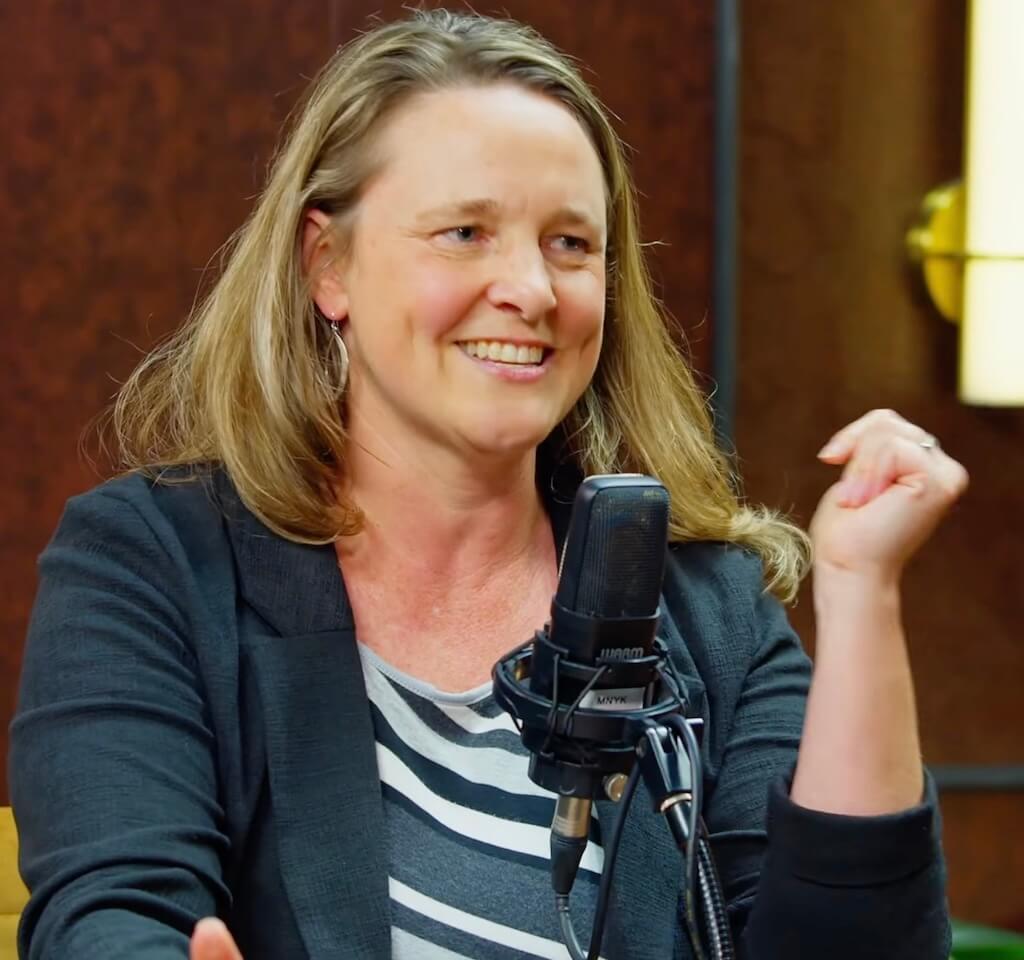
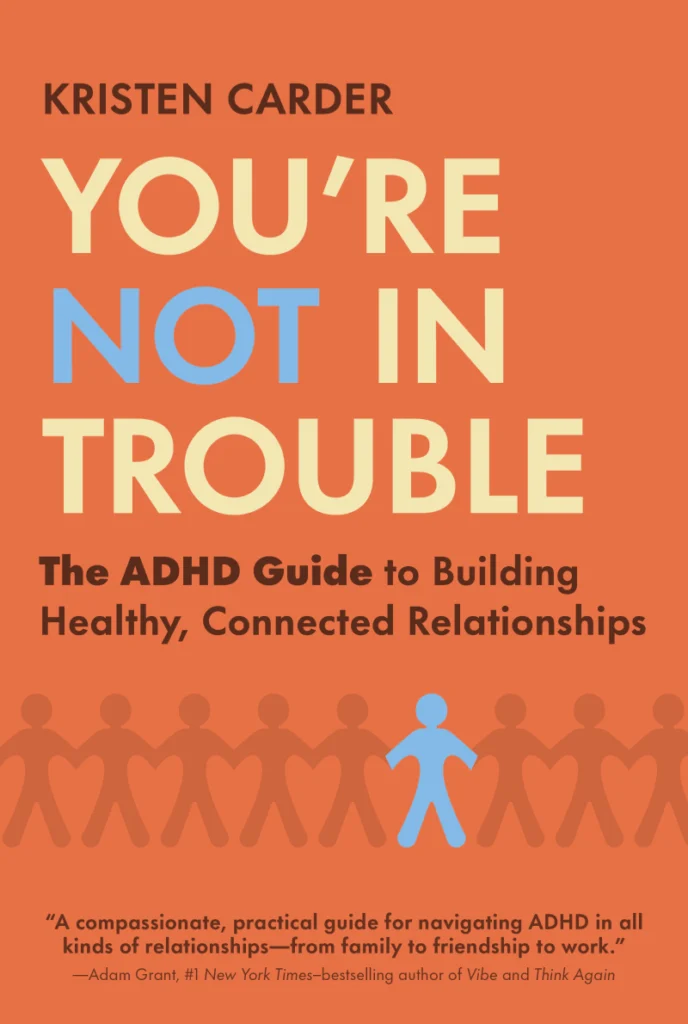
Welcome to the I Have ADHD podcast, where it’s all about education, encouragement, and coaching for adults with ADHD. I’m your host, Kristen Carter, and I Have ADHD. Let’s chat about the frustrations, humor, and challenges of adulting relationships, working, and achieving with this neurodevelopmental disorder. I’ll help you understand your unique brain, unlock your potential, and move from point A to point B. Hey, what’s up? This is Kristen Carter, and you’ve tuned into the I Have ADHD podcast. I am medicated, caffeinated, regulated, and ready to roll. Welcome on in. Welcome, welcome, welcome. Thanks for being here with me. Whatever it is that you are doing and multitasking during this podcast. Welcome. I am so glad to be your buddy while you are getting the stuff done. I have a dear, dear guest with me today, I cannot wait to introduce you to her. She is someone that I have known and loved for a couple years now, and she happens to be the research consultant for my brand new book. You are not in trouble. We’re going to talk all about that today, but before we do, I want to let you know that we are running some pre-order incentives because I know that you have ADHD, and I know that when I say, “Hey, you should pre-order my book, you say, “Excuse me, why? Why? What’s in it for me? I have ADHD. I need immediate gratification. So, Kristen, WTF is in it for me. So, I’ll tell you what is in it for you. I will sign a book plate with your name. I will say, dear Sylvia, thank you so much for ordering. I love you. You are the best person, or whatever your name is. I’m gonna write you a love note so that you can place it inside of your book. A book plate, if you don’t know, because I didn’t know. Now I’m an author, so now I know. A book plate is a sticker that an author signs that you then place inside of your book so that you have a signed copy, and I will personalize it. I will write you a love letter for your book. So go to ihaveadhd.com/slash not in trouble. You don’t need to worry about the your. Which your is it? It doesn’t matter. It’s not a. It’s not a part of the URL. Ihaveadhd.com/notintrouble to get a signed bookplate plus some super funky vibey stickers, branded not in trouble stickers, which are amazing. I I love them. I’m gonna put one on my Nalgene water bottle. You can decide what to do with yours. I’m gonna send you a couple. I think we have four or five to send to you. So go to ihavehd.com/notintroubel. When you pre-order your book, you can fill out a little thing with your your address and your name, and I will personalize it for you. And then my son, Charlie, and I are going to work on this together, like a mom and pop shop from the Carter living room, sending you all of these amazing pre-order gifts. You will get them in days. You will get them in days. You will have that immediate gratification that you crave. Oh my goodness! Okay, so shifting gears. Speaking of you’re not in trouble, the book that I just wrote, I could not, would not have done it without my guest today. Jacoba Lilius is here with me, and I cannot tell you how much she has influenced this book and how her expertise has allowed this book to go from something that was like a great book to something that is based in science and research. We have over 90. What are they called? Citations in the book. Lots and lots of research included in the book to back up all of the claims that I make. In addition to that, Jacoba helped me to create the survey that we did. That many of you filled out. We had over 2100 people fill out the research survey, and so we’re going to talk all about that today. What we learned, what was interesting to us, what was kind of shocking, based on your answers from the research survey. So we’re going to talk about all of that. But before we do, let me introduce you to Dr. Jacoba Lilius.
Kristen Carder 4:19
She is an associate professor at Queen’s University, where she researches employee well-being and the role of relationships, the role that relationships play at work. She also served as a research consultant for my upcoming book, “You’re Not in Trouble: The ADHD Guide to Building Healthy Connected Relationships. And although Jacoba built a successful academic career, behind the scenes, she struggled with chronic procrastination, time blindness, executive function challenges, etc. etc. Sound familiar? Sound familiar, my dear listener? In 2019, at the age of 42, and while raising two young children, she was diagnosed with ADHD, a diagnosis that helped make sense of years. Of working twice as hard just to keep up. Since then, her research has expanded to focus on ADHD in the workplace, including how organizations and managers can better support ADHD employees. She recently became a focused certified coach. I had the pleasure of training her. She’s an excellent coach, combining her academic expertise and lived experience to help working professionals and academics with ADHD thrive.
Dr. Jacoba Lilius 5:30
Jakoba, what a bio! Thanks and thank you for that lovely, kind intro. And so, so excited to be here and to have met you in person. This is the first time we’ve been in person together. I know after what I think we were trying to figure out five years or four a long time since
Kristen Carder 5:47
several years.
Dr. Jacoba Lilius 5:48
Yes,
Kristen Carder 5:49
several years. So you started out as a member in Focus, and then I had the privilege of training you as a coach. You were also in Focus at the time, and so we spent a lot of time together. And then because I had just learned so much about you, and you were constantly sending articles and research and just talking about the work that you were doing, when I was getting ready to write the book, I knew that I needed someone in academia to help me.
Dr. Jacoba Lilius 6:17
Yeah,
Kristen Carder 6:17
because I have strengths, but that is not one of them. I know, I know my limitations, and so I think it’s interesting. I’m gonna, I’m gonna share this. We, I did ask you, like, hey, would you consider being a research consultant for the book? But, but it came at a cost. Do you want to talk about that a little bit? Well,
Dr. Jacoba Lilius 6:38
I think initially, I remember, I think you’d reached out to see if if I you know I knew I think we’re even looking at like is there someone we could hire like at at U Penn or like a really you know a bright motivated person you know and and I got some academic connections there yeah and you know that was the first line and then I think I can’t remember if I said or you said I was like this maybe I was even thinking, you know, if there was ever a chance to partner on, you know, research or there’s that piece. So there’s just just kind of it was very organic. Yeah. And then you said, I have a thought, and you know, what if, you know, I hired you, but Kristen’s done a lot of, you know, a lot of really good work around around around relationships, and there was there was I’m not saying nuanced relationships, blurry relationships. Is it blurry? Dual, there it
Kristen Carder 7:28
is.
Dr. Jacoba Lilius 7:29
Yeah, and how important. So I was like, if this would be wonderful, I think you would be fantastic. I think we would have such a you know great time working on this together. But it has that means that I can’t be your coach, and I can’t. There, I’ve learned that there need dual relationships make things really hard. So take and you gave me lots of space to like take some time, think about it because focused had been such a lifeline, you know, and it was such an important part of you know my you know thinking about it as like ADHD, you know, recovery. I remember you had a guest that talked about ADHD recovery and to sort of learn about learn learn about my struggles and and so I had to think about it a little bit because yeah I mean it was it was partly thinking can I is there other ways that I can get this this support you know and during the time that we’re working on the book so that we had a really clear clear relationship you know, very clean, clean. Yeah, and it was. I I remember thinking, I hadn’t considered that aspect, and I was really, it was really, it was really helpful for me to think about how you know how you navigated that, and also just in such a clear, kind, like it does. If if if you if you if you can either draw of these is fine. Yes, you know, and me, but it’s in your hands to think about this, and just a really clear is kind. And you were very clear, and you gave me time to think about it. And I decided that it was, you know, it would be worth it. And then I sought and you know found other, you know, other support in the meantime, interim support. So yeah, it’s so
Kristen Carder 8:55
interesting because you know was writing or anticipating writing this book on relationships, and even having to apply my own work to just this initial relationship shift. That yeah, was like I can’t be your coach and work as equal colleagues at the same time. Like we have to make a shift here. That was kind of like the first. I don’t know. It just felt important, but also like, oh, I’m actually applying. I’m applying my own, you know, work in the book to this relationship that we’re setting up here.
Dr. Jacoba Lilius 9:34
Yep. No, and I think it was. Yeah, it was really eye opening. You think about how many, you know, in workplace relationships that happens when people are, you know someone is a peer, then they’re promoted, or you know there’s these so these kinds of you know relational dynamics are really how important it is to actually just have a conversation about you know yeah this is something that I’m a bit you know would be concerning or that we want to make sure we’re ahead of you know and it was really yeah it was really valuable to have that experience of and also for me to say oh you were clear and. Was like I was unoffended. I was not worried. So it’s it’s evidence of that those things can go
Kristen Carder 10:05
yeah can go well in a good way. Yeah. Yeah. Before we start talking about the book, I think that it would be really interesting for people to hear your experience in academia as someone who was undiagnosed ADHD.
Dr. Jacoba Lilius 10:18
Yeah.
Kristen Carder 10:19
So would you kind of tell us about your journey? So you like bachelor’s, master’s, PhD, all undiagnosed, yeah, ADHD. Yeah, what the heck? Like, how did you do that?
Dr. Jacoba Lilius 10:33
Yeah, well, and I think that’s what’s you know what’s been really interesting, and and and it’s a it’s a story I hear a lot now. Actually, this whole other side side partner will talk about that academia. I, my theory is that we’re, you know, that we’re I’m surrounded by people. So you think about this job as you know you’re you’re doing research. You’re really able to follow your interests. You know, interest based. You know, nervous systems that we have. You’re really able to you know deep dive into things that are of interest to you, and and there’s a lot of flexibility and autonomy. So you know, I you know, I I know that I I can very hard for me to think about working in in an environment where I had to be you know working at specific hours, and I do feel a little bit like I just not fell into it, but the path led me, you know, led me there. But I do. There’s a lot of people who are attracted to those aspects of academia and the creativity, you know, and that are like sort of you’re able to really self expression. I always joke about me search, you know, but I really like the things that I get really interested in, you know, that have roots, you know, in in things that are of of interest to me, or I’m trying to make sense of the world, and we don’t understand this thing. But yeah, so it has drawn a lot. My theory is there’s a lot more of us in the sense of a lot of people are undiagnosed. So that’s a sidebar. But I,
Kristen Carder 11:51
that’s fascinating.
Dr. Jacoba Lilius 11:51
Yeah, but I, yeah, I think I as a as a as a girl, you know, and I was I was born in 1977. So you know, I would definitely not have filled the mold. I was a good, good, good student, you know, like a good, you know, tried to really, you know, well behaved, well behaved, and teachers really liked me. And my older sister was smart, and I was smart, and my everyone was smart. And just you know, it’s like you kind of fall into that. And but I do remember having absolute meltdowns, like at home, like just really, just like being at school and holding it together and being that you know being that good, you know, was hard. And I don’t, we didn’t have you know, I don’t think we had the language for it at the time. But I remember being really getting really emotionally dysregulated, particularly after school. But it wasn’t you know was it was you know just pushed through you know, as as the work, you know, high school. There’s more, you know. You have to start. I remember thinking, like, why can’t I just choose an essay topic? Like, just choose, you know. How long it took me just to decide, you know, on the thing and and feeling that, but always never thinking that there’s some basis for this. It was just more like this is like, what is wrong with me? Why can’t I just get started? Beat up, you know. So, as we know, that’s not a very effective strategy. But I could always get the work done. It was like, but it was always, and we’ve learned this phrasing of “at what cost. And so that’s how I white knuckled my way through high school, but got great grades. You know, but it was always, you know, like I was up late or got up really early. I’m an early morning person, so it would be like if I wake up early, and I’d be like, when I’m thinking early, I’m talking three a.m. four a.m. Finish the you know essay, and then I’d get A’s, and it was like, okay, I guess this is just how I have to work, you know. So it’s this boom bust, kind of exhausted, but but I was good at it, so I get my good grades, and I go to university. And I took, you know, I took a course in my second year that was organizational psychology. So, you know, having a fabulous professor, Susan Pepper. Her name was Dr. Pepper, but she just made this really clear case for like work. People are at work. You know, at that time was before remote work, but we were, you know, spend so much time at work, how we’re treated, our relationships at work, like just that sort of you know that that aspect of work and how people sort of behave and why they do, and you know this sort of social dynamics of of work is really interesting. And if we can if we can understand and affect you know that that sort of context, you could make a really big difference for you know people’s well-being, and that was really compelling to me. And I just sort of so that was my you know so I just I started taking more courses in that area. I did a research project in my fourth year with a with a you know somebody who was there, and her name always shoutouts here, Natalie Allen, and she just you know she she was very encouraging. I had you know sort of a you know people around me saying you’re really good at this. You know, like you’ve got a good nose for research. You should think about applying to graduate school, and I did. And then I got into the program at University of Michigan. And again, it’s just this a lot of a lot of I don’t know serendipity, sort of a combination of you know. Where I landed is a fantastic school. I got you know sort of one of my big sisters you know at at Michigan brought me into a project working with people who are studying workplace compassion.
Dr. Jacoba Lilius 15:11
So again, this sort of she said this something you might be interested in, and and and you know met with you know the person who ultimately became my dissertation advisor, and all along the way, you know, this is the really I think the interesting part is, I just continued the same. It was the same pattern. Like every paper I wrote, every you know, every assignment I turned in, every everything I did on that research project, where I cared a lot about the topic. It wasn’t like I didn’t wasn’t interested. Like you know, cared about what the you know the person I was turning the work into. I cared so much about what they thought of me, and I wanted to be, and I wanted to do good work. And I just was like, I just couldn’t bring myself to like get started until I felt. I remember thinking about it. It’s like I, I still talk about a little bit. It’s like the buzz. Like there’s this buzz where it’s not the deadline’s not so close that I freak out and I can’t do anything, but it’s enough that it gets. So there’s just this perfect balance, and when I can hit it, and at that time, like I had no children, it’s just like me, me, and I would, and then I turn it in, and I’d get this feedback. This is you know great work, and and then I just like okay, I haven’t been bitten yet, so I just it’s like I just kept I kept getting reinforced. So this is what I need to do to get to to do the work and and I I did that all the way through, all the way through, and all the way to my to my PhD. And you know, many many years later, as I you know was diagnosed, and I still have a wonderful relationship with my advisor, Jane Jane Dutton. You know, we’ve had really good conversations about this because you know I’ve I’m I’m I’m very vocal. I’m very I want to. This is something I really want to raise awareness around, and and I’ve I’ve spoken with her about it, and she’s been really felt really badly. Like that, she said that I didn’t see this, and I’m like, but I didn’t ever let you see, and I always, I always got it done. I always did good work, and there was no reason for you, and I wasn’t, I couldn’t put words around, and I didn’t want to put words around because I didn’t want anyone to know how I was functioning or not functioning, you know. So, but it was it was exhausting and really really hard on my kind of self concept to sort of feel like I had this ability to do so much more than I was doing and and to not feel the way that I felt and just couldn’t pull it together, couldn’t get it together, so yeah. So it is. It’s it’s it’s it can be a detriment, I think, for people who do have sort of high high achievers. You know, on paper. For me, I have a friend who’s she’s a physician by training. She worked with students and she did a sort of specialization in in in ADHD. So she had this. She was very very knowledgeable and also had my trust, and had you know all of I knew that she had my best interest at heart. And a couple times where she just was like, as you’re you know screeching into another like we’re you know we’re meeting, you can clearly feel really badly about being late. Like it’s not like you’re uncaring. It’s not that, but this is happening over and over again. And I noticed this, and I also noticed that you’re you know six months ago, you were telling me about this project, and you were so jazzed. And I asked you about it, and you don’t even remember what I’m talking about. You know, and I was like, just I’m noticing these patterns, and these are the things. And have you considered that this might be connected to some sort of executive dysfunction and and like sort of in the ADHD?
Dr. Jacoba Lilius 18:18
And I just it was I had the exact response of like no like that’s not a hyperactive little boy because I had a real mental picture of what that looked like, but that that was life changing, you know, for someone because it was because she was credible because she was caring she was and she just and I remember her sending me you know one of the one of the maybe one of these texts just PDF of them to say, just look, and I started reading, and I started looking, and I started just going like, oh my goodness, this explains everything.
Kristen Carder 18:50
Yeah, and then what happened?
Dr. Jacoba Lilius 18:53
So that was 20. That was like probably 2018. I’m from Canada. I got. I think I understood that I needed to have a psychiatrist diagnose, so I got on a wait list for a psychiatrist. I think it was another six months, maybe before before I saw that person, and that was a pretty immediate. You know, they were like, you know, went through family history, they went through patterns, they went through, and they were really wonderful in the sense of helping to validate. You know, also the things that you know. I think about all of my like, I don’t know, my a lot of I think of it as deficiencies or things that okay, I’m you know jumping from task to task, and you know I’ll be doing this with the kids, and then I you know leave that behind. I’m jumping into something else, and she’s like, that’s also pretty wonderful, you know, for your kids to have somebody who is able to be kind of spontaneous and you know helping me to see that yes, like that that I’m bringing that that there is there are aspects of of my ADHD that bring you know that they’re really good for you know good for the people around me and good for me and it’s but but there’s also a lot of. A lot of a lot of stress and shame that comes or has been. So she she was in retrospect was before I came across your podcast. It was before I had really started to recognize this role of like shame and self talk. But she was she was actually really I think that was one of the first people that talked about that. A lot of you know you’re sort of causing yourself a lot of pain because of the way you see your, you know, your the way you’re functioning, all parts of it as as a as a problem, and a lot of this is not. But you do need support, and I think that medication, you know, would be really helpful to you. And you know, I remember just being very weepy, and and but again, didn’t provide a lot more than the prescription,
Speaker 1 20:42
yeah.
Dr. Jacoba Lilius 20:43
And I think that was when I was really starting to kind of look around, and I was, you know, I’d read the the PDF that my friend had sent, and I don’t, I don’t, I mean, I think at the time there were many, many fewer ADHD podcasts. There was
Kristen Carder 20:55
probably two or three.
Dr. Jacoba Lilius 20:56
So you were, you know, you came up quickly, and I started listening to probably listen to the first one, and then was like, I’m gonna go back to the beginning, you know, and just you know, I remember, I remember a really early one. I don’t feel remember this. Gosh,
Kristen Carder 21:08
she’s so embarrassing. My
Dr. Jacoba Lilius 21:09
whole family, my every one of my sisters, we leave cupboards open.
Kristen Carder 21:14
Oh yes.
Dr. Jacoba Lilius 21:14
Oh, the cupboards are always open, and my husband just walks around, and now my kids walk around and do that. I was like, that is an ADHD thing. Like my entire family has done that their entire lives. So just these small, but these small things where I started to feel seen, I started to feel understood, and I
Kristen Carder 21:28
think
Dr. Jacoba Lilius 21:29
I don’t remember how long it took me to. But I, you know, I think that when once I joined, focused and started to really, I think the part that was really really helpful, lots of parts, but the community aspect of it, and just being on these calls, and having, you know, listening to other people being coached, and listening to people like, you know, watching people commenting, you know, in the side, it just so many people are having this experience that I genuinely believed was a personal failing. Like I thought that for 40 plus years, and yeah, really, you know, I think that that that aspect of something I’m sort of thinking about the timing, but I think that what where where everything kind of fell apart or where the wheels really fell off was when when the kids were little, and I could no longer, I couldn’t just stay up for days, you know, I couldn’t I couldn’t predict, you know, if they were going to wake up, if I was going to be getting up at three in the morning, like what happens? You know, my daughter could wake up, and it just-it’s like all my systems that I had sort of created to to cope didn’t work anymore. So I think that’s you know, there’s these different points where people might start to you know start to really feel these symptoms in a different way, and I think parenthood is is one of those. So that timing was was there, but focused was yeah very very much a life changer for me. So
Kristen Carder 22:47
why did it feel important for you to work on this project? The to to help me with the book with
Dr. Jacoba Lilius 22:53
the book,
Kristen Carder 22:54
yeah,
Dr. Jacoba Lilius 22:55
yeah. Why did I why did I decide to like yeah? Well, I think I mean I think if I guess it felt, it felt like this felt really meaningful. I think that was a big piece of it. So I, you know, I have, I’m, I’m married. I have a wonderful husband who’s, you know, I think, but I can really see. I remember looking for and and really like searching for, you know, good books that or good resources that I could share, you know, with him to help him sort of understand, you know, understand me, you know, and it always been is very, you know, very wants to learn and is open to, and I really hadn’t found a lot, but I also because I think because I have this this background within sort of like the workplace and study workplace relationships, and thinking this is really interesting because we know, like, what what do we know about ADHD with respect to work is very much about personal productivity, and that’s kind of it. Like, it’s it’s not we we I still I can’t think of any research that’s been that’s really examined that you know that piece of things. So having this, this what I really, what I really loved about the idea of of sort of pulling back and looking at relationships more, you know, sort of more more broadly.
Speaker 1 24:13
Yeah.
Dr. Jacoba Lilius 24:14
And as a you know, again, as a person who’s parent, I am a parent with ADHD, parenting kids, you know, with ADHD, and that that felt like a real kind of a real a real gap as well. So just for the whole thought of having highlighting, like even again, just thinking about the experience that I’m I had when I’m trying to you know support my kiddos and their diagnoses, and was like all about productivity, all about medicating for school and medicating, and well, we can you know wait until school starts. It’s like no, it doesn’t end. It doesn’t end. This is very little to do. Actually, what I really care about the most is how I show up with my family, that I can focus in on what they’re saying, that I can stay present, that my mind isn’t spinning off in a million different directions. Like I’m going to be, I mean, I’m such such a better parent because of what I’ve learned, and because I treat my ADHD, I’m such a better friend. People I remember to like be in touch with people. Like it’s so important for relationships, and it was really not not that no one was talking about it, but it was really in a very limited, limited kind of way. And so, just the big picture here to say, ADHD, the effect of ADHD, untreated ADHD, on relationships is can be devastating, and I mean we will talk about the survey, but I think that really brought that that home and all across. So with our with our siblings, with our you know with our families, with our friends, with our you know coworkers, not just about productivity, not just about personal kind of efficacy, but relationally. And it was striking to me that there wasn’t work being done on this, and it just felt like something. I just wanted to be, I wanted to learn more about it too. So I mean, the the research because it’s cool. Like I was like I was like you know sort of hired to I said like hired to rabbit hole, you know. And so sometimes I also had to be kind of careful of that too. It’s like, okay, I want to make sure I’m I’m meeting, you know, sort of the, you know, in any of these topics, you could go so deep and spend so much time, and I had to sort of learn how to pull back. But to to put my expertise, like to me, I remember you saying, I just want it to be really, like, I want it to be really evidence based. I want to be scientifically sound. I want it to be more than you, sort of more than like a memoir. You sort of and and so much. Oftentimes, I’ll come back to you, and you know, I was doing a presentation a couple weeks ago about like rest and how to rest, which is hilarious because I’m not very good at it. But you know, you’ve got there’s all this stuff that I’ve learned about rest, like from you, and about rest being like you know sort of how you sort of feel like emotionally sort of neutral. You’re not activated. You’re like I can’t find this. Like where where where is this from? And Christine’s like I just that’s that’s how I think about it. That’s how I talk about it. And so there’s so much wisdom. Like
Kristen Carder 26:56
where’s the research on this? I was like, but it’s all
Dr. Jacoba Lilius 26:59
from my brain. Sorry, but it’s okay. It’s more. It’s more like probably I’m like I want to make sure I give credit, whether it’s to you or to so. But but I think I think what’s really what really been really neat about what’s been really what was really interesting. I think as I was going through the research, to and again whether it was to like to confirm the things that you know you were writing or to say this actually doesn’t line up, and that’s like you know, and that was so. There was a lot of learning, I think, in there. Yeah. But so much of what you into like intuitively understand, you know, from your you’ve done a lot of your own kind of reading, and but it lined up so so well with the kind of really like with academic literature, which was I also thought that was you know so all those times you’re like it’s just sort of from my brain, but your your your what you know and what you’ve taken in and your and your deep intuition actually is you know really bears out in in what the work out there suggests. That’s a
Kristen Carder 27:53
really good transition because when I started this process, I wanted to create a survey because for this very reason of me doing a lot of reading, a ton of reading, a ton of learning from experts, a lot of my own work in therapy and my own coaching and coaching 1000s of people through focused, but I was still wanting to back up my theories with more solid evidence, not just again, I didn’t want it to be a memoir that was like, here’s my experience and here’s and listen, books like that do exist. There are certain books out there. I have one in mind. I’m not gonna. I’m not gonna do it. I’m not gonna name it. But there are certain books out there where I’m like, you know what? This would have made a really great memoir.
Speaker 1 28:50
Yep.
Kristen Carder 28:51
But instead, it was poised as like a ADHD book, and it’s like, oh, I kind of wish this was marketed as a memoir because it it it is more about this one person’s lived experience, which
Dr. Jacoba Lilius 29:02
can be helpful, which can be so
Kristen Carder 29:03
helpful,
Dr. Jacoba Lilius 29:04
but it’s it’s.
Kristen Carder 29:05
But I wanted to make sure that you’re not in trouble was really based in more evidence, and so when we created that survey, which I think we should talk about, what I was wanting it to do was either confirm or deny, you know, either either really confirm my theories about our relational experiences and and how we grew up and what it felt like to grow up as a kid with ADHD and what it was like in relationship with our parents and or or for the survey to you know like 2000 people 22,165 I think, is where we stopped and like shut it off. For it to say, like, no, this was just a Kristen Carter thing, or this was just a Kristen Carter and the people that she’s coached, but not like a universal experience. But what I was pleasantly and also unpleasantly, yeah,
Dr. Jacoba Lilius 29:59
right, exactly.
Kristen Carder 30:00
Surprised to see that, like so many of us had similar experiences. Yeah, and so I’m curious, what was it like for you to receive the survey responses and kind of go through them and see your own theories confirmed as well?
Dr. Jacoba Lilius 30:18
Yeah, no, and I think I think when we were designing the survey, I remember having this conversation about, you know, do we want it to be, like, you know, kind of like numbers, or do we want to have, you know, sort of quantitative or qualitative? I remember sort of talking about that, or both, with a balance on, you know, knowing that not known for like focus for a long time. Like we want to keep it short, so we wanted to, but we wanted to touch on these sort of five different relationship areas, and and you know to have have a bit of a mix mix of those different types of questions, so we could have that you know certain percentage of people you know kind of pointed to this as part of their experience growing up, and then what we because we wanted to keep it short, what we did was we allowed for people to, if they wanted, like it was, you didn’t have to write anything. And but in in my experience, particularly, you know, with research in other you know other projects, it is such an important opportunity for people to share their share their experience and to sort of go a bit deeper to to have that voice. And so, I mean, honestly, like I wasn’t surprised, but I was heartened, I guess, to see how many people did write. You know, and when they wrote, sometimes they wrote a lot. Yeah, like it’s sort of you know the way it presents in sort of Excel sheet, and it just goes like these really long, long boxes. People were really vulnerable and shared a lot of, you know, what like that. There’s a lot of pain, you know, in the in in the stories, you know. And so, I remember also talking with you about how to how do we ask these questions that might bring up, or how do we, you know, sort of make sure that on each page we’re articulating that this could be really this might bring up asking to think about your your childhood and and you know how you felt at home and whether you could you know sort of felt felt like you could be yourself and when someone stops you and maybe that’s something you haven’t thought about or really wanted to think about in a long you know a very very long time, very that real
Kristen Carder 32:22
deep, deep down.
Dr. Jacoba Lilius 32:23
So you know, just to kind of just have that reminder to be, you know, that this could be to be gentle with yourself. Yeah, it could be to could be difficult to to write about. But I, I think that people wrote, you know, they they shared stories that as as a as a someone who had been really steeped in, you know, steeped in ADHD and understanding the things that I’ve been learning and focused. In some ways, I wasn’t surprised with what I was seeing. It was very confirming, you know, of of of what the kinds of things that you had shared in coaching calls or in the programs that you you know that you that you offer, particularly around childhood experiences and how they shape, you know, you’ve really gotten into and you know sort of that trauma informed lens is a big part of what you what you do now. But it’s it was like, man, there is so so much sadness, you know, here and and people feeling really both like really sad about their childhoods in many cases, but also really protective of their parents. There was a lot of that, so you know I know that this is something. This was a real, real, you know, kind of issue. This is something my mom and dad, but they really they tried their best, and I know that they likely had undiagnosed ADHD. So that’s another piece. Like generationally, the people answering these answering these surveys, the likelihood of them having parents with ADHD very high, but with diagnosed ADHD very low. And we did ask about that too. So that that combo of I suspect,
Kristen Carder 33:55
yeah,
Dr. Jacoba Lilius 33:56
or they suspect, or it’s very likely that yes, but are they diagnosed? Are they treating? Are they? It’s very, very low. So, just think about that: a generation of people who are raised by a generation of people, who are raised by a generation of people. You know, where ADHD shaped shaped how they showed up for their kids, and and the the pain of being the first generation to kind of understand, you know what each generation was was navigating, but also so trying to kind of it was a real like a line. I felt like people were really trying to trying to tow, you know, to sort of have that kind of forgiveness, you know, for their for their parents as well as
Kristen Carder 34:37
like understanding, yeah, grace,
Dr. Jacoba Lilius 34:39
yeah.
Kristen Carder 34:40
I try. I tried to do a good job. I hope I did a good job of writing not within the pages of the book, where it’s like we can name our experience and be honest about it.
Speaker 1 34:50
Yeah,
Kristen Carder 34:51
and we don’t need to assign blame or holds have like contempt for our parents. We can. We can, in one hand, say I didn’t get what I needed, yeah, and in the other hand say I think my parents did their best, and even not everyone thinks their parents did their best, right? So there’s room for that too, which I do name. But for those of us who feel like our parents did our best, being able to hold those two truths is difficult, but it’s possible. Yeah, I didn’t get what I needed, and also I can see how they were struggling too, and I can see how it makes sense that I didn’t get what I needed. I want to just share the responses here. So, let’s see. Of the 22,160 answered this question. Do your parents have ADHD? 6% said one or both of my parents are diagnosed. 6% only. Six, yeah. One or both of my parents are diagnosed. 70% said I suspect that one or both of my parents have ADHD, but are not formally diagnosed. Yeah,
Dr. Jacoba Lilius 36:04
yeah. So that’s I mean, and again, that that lines up if we think about the, you know, sort of that that generation, and and I know that you have some focus members who are quite, you know, who have who have come to this realization,
Kristen Carder 36:17
50s or 70s, yeah, yeah, yeah, or 50s, 50s, 60s, and 70s. I would say. Yeah,
Dr. Jacoba Lilius 36:21
yeah, and that might just be a little kind of you know plug for you know if this is if you’re listening to this and you’re you’re um you’re you sort of there’s resonance here um again going back to my my friend who gave the you know sort of gave me the nudge said one of the most you know rewarding conversations she ever had was with somebody who was in his 70s, and I don’t think in the end he maybe even didn’t medicate, but he just was just like knowing, like just weeping because it was like this is what this is and how it explains so much of, you know, if nothing else, it gives you that capacity to have that understanding of like there’s an there’s an explanation, you know, for
Kristen Carder 37:00
self compassion. Yes,
Dr. Jacoba Lilius 37:01
and if you if you don’t do anything else from there, yeah, medicate. You don’t make it change. You you’re just like I okay. I I can be just a little bit less hard on myself. You know, so
Kristen Carder 37:12
so good.
Dr. Jacoba Lilius 37:12
So as age, you know, there’s there’s still value. I think a lot of as people get older and start like, what is the point now? Still with the mindset of productivity, you know, it’s like it’s like there’s lots of right. I’m retired.
Kristen Carder 37:23
I don’t need to be productive. I don’t need to work on my time management. There’s so much more to it. Yeah, yeah. So much. And again,
Dr. Jacoba Lilius 37:30
back to this kind of you know relationships and just those you know making those those relationship with yourself, which I think is beautiful part of the book too, and the relationship you have with other people stronger.
Kristen Carder 37:40
Yeah. What were you surprised about? Did anything come up as a surprise from the survey? Was there anything that you were like, “Oh, this is not what I expected”
Speaker 1 37:52
I’m trying to remember. I mean, I think this is what’s really interesting: is like there the the responses were like, I want to say, not shocking isn’t the right word.
Dr. Jacoba Lilius 38:06
Just the like the poignancy of the the the the depth of the stories, the like vulnerability, what people were willing to share, and I don’t know if it would be so much of it like surprising, but it just it it kind of I remember thinking that it was. I mean, it was, it was remarkable. Like I, I, I don’t think that in a in a survey, like any sort of academic work that I’ve, I’ve been involved with, you know, even even around sort of, you know, topics that are you know kind of emotionally wrought or things like that. When we we’ve done surveys like this, like this, it was it was really kind of stunning, like how much people did share. So I don’t know. Again, this is these are focus members. These are people that feel no.
Kristen Carder 38:47
This is way outside of the focus membership because I mean, I wish we had 2000 yep 165 focus members, but we don’t, right? So it’s this is I would guess a lot of podcast listeners, podcast. I guess email,
Dr. Jacoba Lilius 39:04
yeah,
Kristen Carder 39:04
email subscribers,
Dr. Jacoba Lilius 39:06
people who feel because I think that when we when we put the call, you know, out to out for the survey, you know, that part I think part of the motivation to you know because there’s so many how many things do we you know think about doing? Yes, I could just take 15 minutes. I was really maybe that’s part of what I was. I was. I was very pleasantly surprised at how. Do you remember like how quickly we went to bed one night and it was like the next day. You are like, there is this. We’re texting each other. Oh my gosh, we are filling it up. I actually didn’t get a lot of work done for like many days because I just kept reading because it was just. But I was so gratifying, you know, to sort of see what you know what people were saying and it just starting to line up, you know, kind of with with what you were already. Because I think we at that point kind of you’d outlined you’d outlined chapters, you know, your intended content, you know. So just we sort of had ideas around what would go into to each one enough that we could design the survey because that was sort of the idea. It was like we want to have some, you know, particular. For areas, you know, if we had, you know, we have a, you know, a chapter on self-compassion. Like, there’s lots, you know, really good, you know, we know, like, we know, there’s lots of sort of research to back up or to sort of give that foundation. But there are other other areas, and particularly around the childhood experience of of ADHD and how that shapes, kind of, you know, shapes the current current state. You know, there was more, I think, opportunity to to inform or to sort of bring those. So we we started off, I think, initially thinking something for all the chapters, and then realizing that would get really unwieldy. So where where would it be most? Where would be the most traction or the most impact? And zeroing in on those on those chapters as well, but I think the the response rate is indicative also of the the commitment that people had again as whether as members or focus listeners, but knowing that this was going to also be like shape the book, inform the book, and to support the work that you were doing. So there was it was a unique, I guess, in the sense of as researchers, we’re we’re often not people don’t feel personally kind of invested, you know, in in answering even even if it’s only a 50 minute survey,
Kristen Carder 41:09
sure.
Dr. Jacoba Lilius 41:09
And so that people took the time, you know, initiated task initiation,
Kristen Carder 41:13
yeah, so true from this
Dr. Jacoba Lilius 41:14
group, and then follow through, you know, to finish it and to and to not just to not to sort of spend the time that it would have taken, and the emotional energy that it would have taken to share those stories. So it was that was really striking. You know, I think is the one one of the things that I really took away was this is yeah people were clearly wanting to
Kristen Carder 41:33
share share
Dr. Jacoba Lilius 41:34
you know and both to support the book, but also once they got into it was
Dr. Jacoba Lilius 41:39
likely very cathartic. You know,
Kristen Carder 41:42
yeah. It’s I think that we have so few opportunities to really share our own stories.
Dr. Jacoba Lilius 41:48
Yeah, yeah,
Kristen Carder 41:50
right. Yeah. I mean, how often are people asking you about your childhood and what did it feel like for you inside of your home and and really wanting to hear your personal Experience, yeah, and I I think that people with ADHD often feel so unseen and misunderstood, and so as an opportunity to be able to be heard and seen and understood, I think that people really
Speaker 1 42:16
yeah
Kristen Carder 42:17
took advantage of that in in a beautiful way, and I agree with you. The fact that so many people filled out to me is shocking. Yeah, shocking. Yeah, I do want to read some of the responses here that we got. So we have this whole section on your experience as a child, and again, I that was so important to me because I know what it felt like for me as a child, and I also know that when I coach people with ADHD, it seems like we have the exact same parents, the exact same upbringing. But my thought was, well, maybe I’m just attracting people like that. Like maybe it’s just I’m calling these people into my orbit, and we’re all very similar. But maybe we’re just like a blip. Like maybe this isn’t true, like a resonant experience, you know, across the board. But what the survey did for me was really confirm no, this is pretty universal experience for people with ADHD. I just want to highlight this one, which I I do often. Emotional regulation and how few of us got the luxury of being taught how to emotionally regulate. I mean, it’s just outstanding. The the The question on the survey, or it’s not really a question. What do we call it? Because it’s a it’s we didn’t we didn’t form it as a question.
Dr. Jacoba Lilius 43:49
Yeah, it was like a prompt for them. Yeah,
Speaker 1 43:51
yeah, yeah.
Kristen Carder 43:52
I can tell you do this for a living. The prompt was: as a child at home, my caregivers helped me to regulate my emotions. 57% said I never experienced this. Yeah, never experienced it. That is like it. It just blows my mind that we, so many of us, never, never, like literally never got the one of the main things that we need from our parents, another 30% said I experienced it rarely. Yeah, rarely. 9% said somewhat frequently, and 2.7% said, “Yeah, that that was a frequent occurrence in my home. Yeah. So I mean, even just that to be like, oh, like it’s not just because I have ADHD. There’s a there’s a nature aspect of it. Yes, like I have ADHD. My my emotions are heightened, and my brain doesn’t work as quickly. And it’s just like with that area, and I walk through all of that. In the chapter, which I was like, should I memorize that? Because like that’s all the heady stuff that I’m like, oh gosh, I have to memorize all that. But anyway, but it’s also nurture.
Speaker 1 45:09
Yeah,
Kristen Carder 45:09
it’s nature and nurture, and how few of us got that nurturing aspect of like a parent who would sit with us and help us to calm down and let us borrow their regulated nervous system. I mean, that’s just.
Dr. Jacoba Lilius 45:23
And again, going back to this, you know, what are the chances that one of those, you know, the the 70% of the people who you know whose parents it suspected would? Yeah. Why would you suspect your parent of having undiagnosed ADHD? Likely in the ways that they were dysregulated themselves, so this sort of combination of you know if if you are if you are a a person a kid with ADHD and you have a parent who themselves can regulate who doesn’t have ADHD and themselves can even if they didn’t teach you. So it’s like that’s the other piece too. It’s like were you taught, but also what was modeled?
Kristen Carder 45:58
Yes,
Dr. Jacoba Lilius 45:59
and what was modeled most likely was dysregulation, right? So that other layer, you know. So so it’s, you know, I think what’s interesting to think about, and I remember working on that that chapter, and we were looking at you know some of the developmental psychology and sort of what what is the literature? Literature points to that as one of the most foundational, important sort of role of a parent is to to help kids like learn how to kind of feel and work through and you know be able to sort of you know to to bring themselves sort of back to you know yeah yeah and and that’s you know foundationally missing for you know a lot of kids ADHD or not but if you have this combination of extra likely and also likely having a parent who has dysregulated themselves. It’s yeah, it’s a really it’s a really hard cycle to cycle to break, right? Yeah. Then here we are out here. I know, trying to break that cycle. But you, I also what I think what’s really cool. So again, I’m a mom of a almost 14 year old and a 12 year old, and I can clearly remember, you know, one of them bringing home an emotion wheel and having an emotion wheel in the fridge, and I’d never seen one before. Before, before I think, you know, it’s the first time I’d seen one, and you know, my daughter being able to identify, feeling discouraged, and I think she was eight or nine, but it was that again, that kind of so like emotional literacy, you know, we so as we’re learning about emotion regulation and you know what it actually means to regulate, like a part of it is just even knowing what you’re feeling, and so part of me, there’s this other side which is like you know the kids are going to be all right, like that’s you know schools and you know again that could have just been a one-off a teacher, but the curricular focus, you know, on on this kind of stuff is is is really promising. So if we get this, you know, so the more of us that can kind of more parents, you know, who can who can do their the work they need to do, you know, and then in combination with kids, because I think this is the thing. Like if if we could learn how to ADHD or not, again, if we could learn how to recognize when our nervous systems are out of whack, and and and what emotions are, and that they’re not, you know, all the things I’ve learned from you, like they’re not problems we
Kristen Carder 48:10
solved. Yeah,
Dr. Jacoba Lilius 48:11
yeah, it’s a thought. It’s it’s emotions are coming from your thoughts. So this really basic work that I, but honestly, all of it I was learning in my 40s because of the diagnosis and coming across the way that you know the work that you do, so I think it’s all you know. It’s all I know. It’s all you know in in the book and part of it, but foundational foundational skills for parents and for kids.
Kristen Carder 48:32
Yeah, and in any relationship, yeah. Like the, I think the title of that chapter is emotional regulation: the skill that transforms every relationship, and truly, like if you just learn one thing, let it be emotional regulation because it it truly will allow you to, first of all, tolerate difficult people,
Dr. Jacoba Lilius 48:54
yeah, yeah,
Kristen Carder 48:56
set boundaries without losing your mind, but also then like be calm enough to receive feedback.
Speaker 1 49:04
Yep.
Kristen Carder 49:05
Be open enough to hear when someone else is struggling with your behavior, or like, you know, squeezing the toothpaste in the wrong part of the toothpaste, whatever it is. You know, leaving all the cabinet doors open, or being regulated enough to receive feedback. Yeah, and then also teaching the next generation.
Speaker 1 49:23
Yeah,
Kristen Carder 49:24
like you’re allowed to have feelings. There’s space for this.
Dr. Jacoba Lilius 49:27
Yeah. Oh, and how much of your, you know, how much of any kind of emotional tension is could be coming from stories that you’re telling yourself about facts. So, so it is. I think that is the, you know, the the number one skill, and interestingly, the one sort of area of ADHD that is only now really being recognized as as as a central, you know, a central sort of manifestation of ADHD,
Kristen Carder 49:54
and still not in the DSM,
Dr. Jacoba Lilius 49:55
still not in the DSM, but in areas of the world that may be a little further. That’s true. I
Kristen Carder 50:00
think it’s maybe in the DSM in the UK now. Yeah,
Speaker 1 50:03
yeah,
Kristen Carder 50:03
exactly. I think that’s
Dr. Jacoba Lilius 50:04
right, and and with sort of key voices, you know, in the in the ADHD world, really advocating for this. But again, recent experience with my pediatrician did not reflect understanding of that at all. Yeah,
Kristen Carder 50:19
yeah, that’s not surprising. Yeah, I think I said at the beginning there are 94 citations. So this is very high. I don’t know if that’s a lot or a little. To me, it sounds like a lot. Yeah, yeah, sounds like a lot. That’s there’s a lot of research and evidence for the. I don’t know if I want to say claims or like the the The ideas that I bring in the book, and you are behind every single one of those citations. Thank you so much because that is not my ministry. Yep, I have a ministry, but it’s not it is not the research. And even some of the research where I was like, “Go find research for this, you were like, “No, not no, but like it doesn’t support what you’re trying to say, so you need to tweak what you’re saying. So I appreciated that so much because I really do feel that there’s so much science and behind everything. But I’m curious, as you were doing the research or me search, as we like to joke, what what was surprising to you, or what was like something interesting that came up in the in all of your rabbit, yeah, all you rubbed down, yeah. I mean,
Dr. Jacoba Lilius 51:26
thinking by sort of as I sort of think about the the chapters as you know, kind of in the in in order, you know, much of the front end, you know, you’re sort of starting off by really, I mean, just giving kind of like a very quick, but you know, yeah, like overview of sort of what it is she is and and how it manifests, and and so once we sort of got into the you know sort of the meat of the book, there was I remember there was you know one of the chapters that kind of took like a bit of a turn or a little just we sort of adapted I think we’re writing about like sort of self acceptance and that’s like a like a self acceptance is sort of what what we that’s something you talk a lot about and and focused and and I remember that was one where I sort of was like this is a just again an area that as a as a compassion researcher you know one one area that I’m like I think what you’re talking about here sounds a lot like this concept of self compassion and it’s and and it has a really really solid foundation. You know, really, there’s you know a number of researchers doing work in that area. But Kristin Neff, I remember, I remember learning about that concept and thinking, okay, this is actually really helpful. You know, that it’s not, it’s not about self esteem. It’s not about, but this actually is. Yeah, it’s like, but when I mess up, you know, when I do something like I’m like I said, out of being like, “What you’re so stupid! Like I can’t believe you’re doing this again. You know, just that. And I hadn’t connected the dots really to ADHD, but I did. You know, in my life, I’d really recognize that that like when I could just be a bit more neutral, a bit more like, “How would I talk to a friend? That’s always, and I’ve been saying that to my you know like daughter. You know, like how would you talk to a friend who’s having this experience, and so I just I remember that was one area. Like, let’s like, what if there be ways that we could kind of write this in? And in the end, I think like you’re like, I think this actually does this is is what we’re talking about.
Kristen Carder 53:13
I think I wanted the chapter to be self acceptance. Yeah, and you were like, I think we’re talking about self compassion,
Dr. Jacoba Lilius 53:18
or or do we want to like just write it in somewhere? But in the end, I think you sort of stepped back and went. I think this is actually the whole
Kristen Carder 53:25
thing,
Dr. Jacoba Lilius 53:26
and it it gave like a different level kind of of sort of nuance, and it really that was so. I think that was really cool too because I really what I really appreciated about the process was you know just that ability to like just for me to say this is what I’ve come across. Here’s a couple of key pieces, and then what do you think? And do you want to try to write it in? And you’re just like, I’m gonna do a major reframed.
Kristen Carder 53:47
Excuse me while I rewrite the whole chapter.
Dr. Jacoba Lilius 53:49
But it was so it was still like you know that like what you were like everything you were saying. It just gave this kind of framework. I think that, and again, that that really connected into some really you know excellent work that’s been done both organisationally and but also like sort of you know broadly and within psychology, that was one. I think that was really cool. Also to see the kind of the the the you know the back and forth a little bit, the
Kristen Carder 54:11
collaboration. Yeah,
Dr. Jacoba Lilius 54:13
yeah, yeah. Which was which was really gratifying. It gave
Kristen Carder 54:16
me so much confidence.
Dr. Jacoba Lilius 54:18
Yep.
Kristen Carder 54:19
To say, okay, this is not just Kristen Carter’s thoughts. Again, this is not just the memoir of Kristen Carter’s life experience, but like, there’s there’s research here to back this up. There’s a whole framework that’s already been created by Kristen Neff and others, and to be able to take that and then write a chapter, sharing a like unhinged story about losing my keys and literally losing my mind over it, and being able to know that like this is more than just my own take on
Dr. Jacoba Lilius 54:52
it. Yeah, I
Kristen Carder 54:52
think that’s the real big piece of the whole book that I just didn’t want it to be Kristen Carter’s take.
Dr. Jacoba Lilius 54:58
Yeah,
Kristen Carder 54:58
like sure, there is that part. But like, is there more depth to it
Dr. Jacoba Lilius 55:02
where we could connect those dots? And so maybe that was exactly it. It was like what you’re saying here. Every everything here makes so much sense. And you, you’re if if there’s but can we can we connect this to an existing kind of framework?
Kristen Carder 55:15
Framework, yeah.
Dr. Jacoba Lilius 55:16
As part of that. So so in some cases, it was just about you know, here’s a statistic that you know, and we want to just have that. We want to, but we want to show where that’s coming from. And in other cases, it was more like this. There’s this this phenomenon, this experience that I’ve had, and others have talked about in my coaching, and I’ve heard about this, and I’m writing around, you know, about this experience, and and so it was a more kind of a bit more of like a creative process to think, huh? Okay, like what do I? What do we know about this? And sort of my background is I’m a psychology, like it’s psychology, so I have this workplace focus, but also just you know as a work like organizational psychology really is there’s a lot of like sociology and and you know social psychology. Like it’s very you know it’s it’s sort of a field of fields, and so I have a really my training is really broad, and and so it it was like really fun to kind of be going okay like developmental psych what what do we know from this or what can we how can we pull on you know these different you know really really diverse I guess kind of like subfields you know to to to inform back up or to say this doesn’t actually line up and maybe yeah where where do we need to? That was annoying
Kristen Carder 56:22
when that happened. But it was also very something, something
Dr. Jacoba Lilius 56:27
that could back it up. But that’s the other piece too, which is like comes back to my, you know, sort of my, I guess, sort of expertise. But also, you know, when I’m teaching, I teach, you know, you know, a master’s program, and the course I teach is evidence-based management. I really want you know. This year, we you know did a project looking at remote work and and people you know sort of remote return to office mandates and you know like a lot of people a lot of lot of companies are are doing this, but what does the research tell us about that? You know, is it is it is it a good decision? Is it grounded in like what what do we know about how that plays out for a bunch of different outcomes and and teaching teaching my students how to like what resources to pay attention to you know using like using the tools that are available to us become very easy to find like sources are they good sources are these sources we should rely on so that like was really like right up my alley too to sort of you know because there you could find you could find something to support anything you were saying. So, so that was the big piece. Was like, but is this is does this claim represent?
Kristen Carder 57:30
Yes. You know, that’s true. Because I would be like, I googled and found this, and you would be like, that’s not exactly what it
Dr. Jacoba Lilius 57:38
does. Or you know, it did say that, but there’s also this, and so maybe we just want to say you know there is research that points to this instead of this is you know so if it was if there was like a really solid foundation we could be a bit more you know kind of firm or like you know so it’s just part of it is just about recognizing that nuance and that what you were saying was kind of accurately kind of representing what the research said and and again maybe it was just more about sort of tempering, or being, or articulating that there’s like there’s the jury still out on this, or this is what we’re learning, or you know. So it was really just about that piece, which is is just a passion of mine, and it’s only getting more important as again, you know, in the process of of you know as an instructor, or like just sort of like you know, hallucinated sources, like all of the things that you know really make it harder and harder to, or you need to be really vigilant, you know, about the about the about this the ferocity, you know, of the sources that are even if they’re real sources, you know, where is it where is it coming from? And we need to give greater weight to a you know meta you know meta analysis than we do a psychology today piece, even though they’re both giving us, you know, something. If we don’t know anything, psychology today is a great place to start. But if there’s a lot of research and we can, that’s the best available evidence. Let’s use that best available evidence. So that that was like, you know, kind of a passion project, taking everything that I’ve been sort of, you know, years of teaching and using this kind of framework, and then to be able to to do it in support of the book, also going back to the you know long ago question about you know why did it feel important? It was like this is also something I know I can do really well. Like I can I can contribute that, and the more sort of you know sound that part like the book is, you know that it’s gonna it’s gonna support you in in in in getting this to people and feeling really good about what you’re you know what you’re what you’re offering is going to help more people. So that was all.
Kristen Carder 59:32
Thank you so much. I just am so pleased to be partnered with you in this. I wouldn’t. I didn’t know what I didn’t know at the time, but looking back, I wouldn’t have wanted to do this with anybody else. It was
Dr. Jacoba Lilius 59:47
just meant to be Christian. I agree with you genuinely. I just I I think, and I remember talking to my husband and kind of going, “Do I have time to do this, or do I want? Like, is this? But it was also like, you know, 10 years from now, like, what am I going to be? Really glad, you know, that I did. And as the book started to take shape, and the more, you know, and just I know the responses you’ve got, you know, lots of endorsements from really people who know the, you know, know the field well. And it’s, it, it’s like, you know, it’s, it’s so. I’m so, I’m so proud to have played a part in it, you know, just to be, and it does feel like it was absolutely the, you know, a good, a good decision to, to, to, you know, invest you know and and and it’s been just you know a total total pleasure to to work to work with you and learn with you you know in all the ways all all the things that we’ve been doing along the way
Kristen Carder 1:00:33
yeah a beautiful collaboration truly thank you listener go get your copy of “You’re Not in Trouble. You’re not going to be disappointed. I’m looking right at the camera. You’re not going to be disappointed. I swear. And if you want some pre-order bonus incentives, go ahead and head to ihaveadhd.com/notintrouble to grab those. Jacoba, adore you. Yes, thank you. Thank you for being here.
Dr. Jacoba Lilius 1:01:04
Thank you for having me.
Kristen Carder 1:01:07
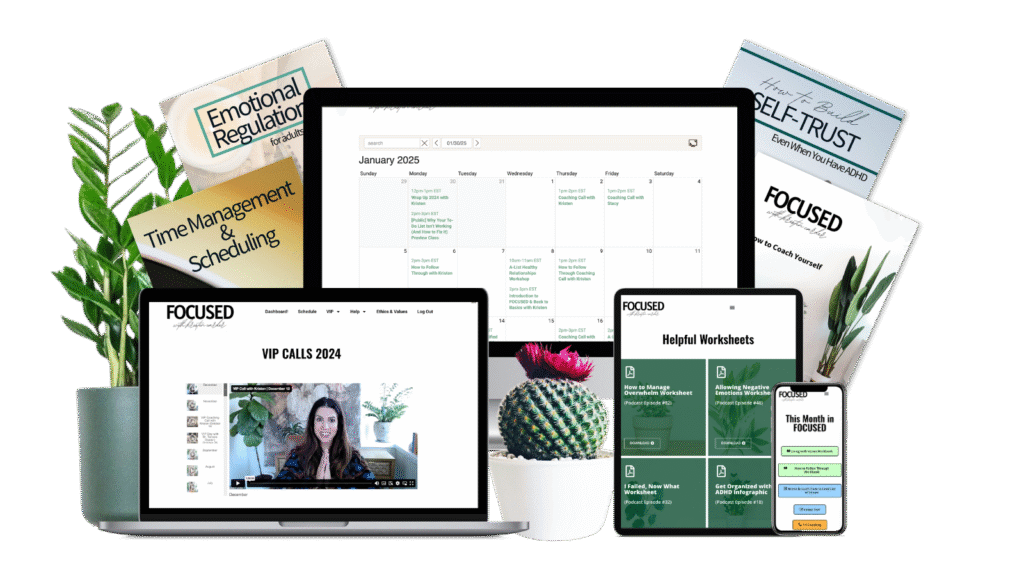
Appreciate you. A few years ago, I went looking for help. I wanted to find someone to teach me how to feel better about myself and to help me improve my organization, productivity, time management, emotional regulation. You know all the things that we adults with ADHD struggle with, I couldn’t find anything. So I researched and I studied and I hired coaches and I figured it out. Then I created Focused for You. Focused is my monthly coaching membership where I teach educated professional adults how to accept their ADHD brain and hijack their ability to get stuff done. Hundreds of people from all over the world are already benefiting from this program, and I’m confident that you will too. Go to ihavedhd.com/focused for all details.
Transcribed by https://otter.ai