



Kristen Carder 0:05
Welcome to the I Have ADHD podcast, where it’s all about education, encouragement, and coaching for adults with ADHD. I’m your host, Kristen Carter, and I Have ADHD. Let’s chat about the frustrations, humor, and challenges of adulting relationships, working, and achieving with this neurodevelopmental disorder. I’ll help you understand your unique brain, unlock your potential, and move from point A to point B. Hey, what’s up? This is Kristen Carter, and you’ve tuned into the I Have ADHD podcast. I am medicated, caffeinated, regulated, and ready to roll. What’s up, everybody? How are you? Get in here! It is a hot July summer day. O M G! Is it warm in Philadelphia? And I’m loving every second of it. It it can never get too hot for me. Bring it on! I am reptilian. I am solar powered. I am here for the heat. Anything is better than winter. Any thing is better than winter. So I am here for it. I hope you are well. Thank you so much for pressing play on this podcast. I know there are millions of options out there for you, and you first play on this one. Thank you. If you have time, effort, energy, capacity, all of the things, I would so appreciate you leaving me a little rating, review on Apple, Spotify, pressing the like and subscribe button on YouTube. All of those little things that you can do even now, just while you’re listening, multitasking really, really, really help the show move forward. Our I’ve got to say, our Apple reviews, our Apple ratings-they’ve kind of stagnated. I’m not really sure why they’re not like bad. They’re just not moving forward. So if you’re listening right now on Apple, like do your girl a solid and press that rating button. Give give your girl a five star rating. It’s like the the smallest, most free, simple, easy thing that you can do that actually really, really, really, really helps. We’ve been sitting at 2.9 1000 ratings, which still is the most highly rated ADHD podcast, but still, but still, I’d love to see that that needle move a little bit. So you don’t even have to take the time to write a review, although you can if you want to. You don’t even have to take the time to do that. Just click the little rating button. Like literally helps so much. I know I’m starting out by like asking you to do something right away, and that’s kind of annoying. I’m so sorry, but like truly, I haven’t asked you in a while. And if you haven’t rated the show, if you could do it, that would mean so much. That’s the only thing I’m going to ask from you. I’m going to give. I’m I’m a giver. I’m going to give so much during this episode. We’re going to talk about revenge, bedtime procrastination, and how I literally have cured myself from revenge bedtime procrastinating, and how you can too. So I think this is going to be a really meaningful episode. I realized a couple weeks ago, like, oh my gosh, this isn’t even something I struggle with anymore, and I am shocked by it because it used to rule my entire life. It used to rule my entire life, so I can’t wait to get into the meat of this episode and share that with you. Before I do, though, if you’re new to the ADHD world and you’re just kind of learning about ADHD, maybe you were recently diagnosed. Maybe you were diagnosed like as a kid, and you’re coming to terms with it now, and you’re just like, “What does it even mean to have ADHD? Nobody’s really told me about it or taught me about it. I do have a free resource for you. See, I’m a giver. I’m a giver. I have a free resource for you. It’s the 10 things I wish my doctor told me when I was diagnosed with ADHD. When I was diagnosed at 21, my doctor said, “Yeah, you have got the ADHD. Here’s a prescription for Concerta. Bye bye. And while Concerta absolutely did help me, I didn’t. I still didn’t know anything about ADHD. What it meant to have ADHD. How it would impact my life, my relationships, my work, my sleep, like all of that. And so, if you go to ihavedhd.com/10 things, I have a free resource for you there.
It’s pretty much like an ebook. It’s it’s not huge and like overwhelming, but there’s a lot of information there. It’s much more than just like a simple PDF, and it it is the 10 things that I wish. It’s like the 10 things that I think everybody should know, the manual that we should be handed. Just like, hey, you have ADHD, and like, yes, here’s a prescription, and that’s great. But pills don’t teach skills, so here’s everything you need to know when you’re diagnosed with ADHD. So again, you can find that at ihaveadhd.com/tenthings. I’m gonna take off my bracelet because I. Hear it clinking. I bought this at a just like the cutest little vintage store this weekend. It’s a wooden bracelet. I don’t know if you can see it, but it’s hand painted, and it was like $6 at this little sweet vintage store that I went to with a friend. But anyway, I’m gonna put it aside or play with it. How about I do that? I’ll just play with it the whole episode because we all need a fidget once in a while. Yes. Okay. So let’s talk about revenge bedtime procrastination. So this used to mark my entire life. My experience of the day used to be I would get through the day. Everyone would finally go to bed around tenish, or like I, I and I would feel free. I would feel free, and then I would stay up so late every night, and obviously be exhausted the next day, and be like, I really need to work on my bedtime skills. Like I really need to get to bed earlier, and so I tried all of these like tips and tricks to get me to bed earlier, and none of them really worked. And we’re going to talk about why they don’t work. But let’s start by defining revenge bedtime procrastination. So this describes delaying going to bed despite being tired, or it being late, or just knowing like I should go to bed, but it’s delaying going to bed because staying up feels like reclaiming time that wasn’t yours during the day, and maybe you don’t even recognize that that’s what it is. So let’s just sit with that for a second. If you notice that you stay up later than you want to, that you stay up later than you quote unquote should, that you’re staying up late into the wee hours of the morning, like the next morning, the wee hours of the night slash the next morning, and you just like are always feeling like, dang, why can’t I just get myself to bed? Why, why does everyone else go to bed and I’m still awake? I just want to say that it’s very possible that it’s not really about insomnia. It’s not really about not being able to sleep most of the time. It’s more about autonomy, I think, and at least that was the case for me. It’s more about autonomy. It was for me. I’ve been taking care of everyone else and everything else on my to-do list, right? I’ve been working my butt off all day long. I’ve been masking. I’ve been following the rules. I’ve been doing all of the obligations that everyone else needs, and this time is finally mine. And I remember thinking, and even saying out loud to my husband, “Why would I go to bed? I’m finally having time to myself. Like he would fall asleep on the couch, and I would be like, “I’m okay, not free of him, but I felt free. Like I get to do whatever I want. I get to be me, I get to have my own time, so it’s delaying going to bed, but not because you’re not tired necessarily, not because you have insomnia necessarily, and it’s not about laziness or lack of discipline, and this is the part that always got me because I would be like, I need to be more disciplined. I need to make myself go to bed at 10. But every time that like 1011, rolled around, I was like, No, I’m finally free. I can’t. This is the best time of day. This actually started when I was a kid, and I wonder if that’s true for you too. I would feel like a, and just like looking back, I wasn’t conscious of this at the time.
But looking back, it was like there were rules everywhere, right? When you’re a kid, there’s just so many rules. There’s so many people looking over your shoulder. There’s so many people telling you what to do. But when those people finally went to bed, then you’re free. Then you get to be you. I would rearrange my room. I would call my friends. I would like just do whatever I wanted because there was no one telling me what to do, and that evolved into my adulthood. Even though I was an adult and technically in charge of my own life, I didn’t actually feel autonomous until there was no one around. I felt like I could really be myself. I felt like I could fully unmask. I was finally not being perceived or watched by anyone, and my time was my own. And I was truly trying to reclaim my freedom after a day that didn’t feel like it belonged to me, and I wonder if you relate to that. I think for the ADHD brain, I don’t think I know autonomy is so deeply regulating, and when we don’t take ownership of our autonomy. Autonomy during the day, our bodies kind of force us to do it at night when no one else is around. Additionally, transitions can be really hard. So transitioning into I’m relaxing, I’m winding down. This is my bedtime. That’s really difficult, and we’re going to talk about how to do that. And sometimes the dopamine finally comes; the motivation for what we want to do finally arrives when all of the demands of the day disappear. So it’s like 10 p.m. Nobody needs me anymore. Nobody’s watching me. Nobody’s like micromanaging me, I get to do whatever I want to do. All of a sudden, there’s this rush of dopamine, and I am like elated, and I’m no longer tired. I get the like nighttime Zoomies because I’m like I’m free. I can do whatever I want. So, if you struggle to go to bed, maybe the question isn’t why can’t I just have like a typical bedtime. Maybe a better question is why do I need to stay awake to finally feel free? Why do I need everyone else to go to sleep before I can finally feel like I get to do what I want to do? So that’s what we’re going to be talking about during today’s episode, so I realized that I was saving my autonomy for after everyone else went to bed. I realized that I was waiting until nobody needed me, nobody could interrupt me, nobody had expectations of me, nobody was watching me, and that was the time that I felt like my life really belonged to me, and so if you are waiting until that time, so maybe for you, I’m just going to use 10 p.m. because like that was the time that like at home when I was little things would kind of settle down, and then even when I was like married and I had kids, everything would settle down, and that time was like the time when I felt like I’m free, I’m my own person, my life belongs to me. Why would I ever go to bed? And I remember telling a friend that she was like very regimented about her bedtime, and she took sleep very seriously, and it was all very adorable. And I would just be like, I can’t imagine going to bed at 9p.m at 10 p.m. when, when finally my world is my own, when finally my time is my own, when finally my thoughts are my own. Why would I waste that time sleeping? My, how things have changed for me. My how things have changed. So, what I tried to do when I was realizing, like, oh, I’m not getting enough sleep. Like, I really should start going to bed earlier. I tried to do things like, you know, set alarms to to you know turn my own screens off. I tried to just like do things. I would like do yoga. I would drink tea. I would try to take that hour from nine to 10 p.m. to relax and to wind down. And I really did try to do that, but it didn’t work.
I would try to go to bed, and inevitably I would get sucked into something that was really exciting, really fun, really felt like oh I I just I want to do this. There’s so much dopamine involved. Like I’m in it. I’m there’s no way I’m going to bed, even if it was like watching reruns of Friends or whatever the case may be. The way looking back, the way that I solved for this was I began to create boundaries during the day and reclaim my autonomy during the day, so that I did not have to wait until 10 p.m. to feel like I was finally a person who got to decide for herself? Okay, that is huge. So instead of waiting until the late hours of the evening to be like, okay, now I can be me. Now I’m fully free. Now I’m autonomous. Now I can make decisions for myself because nobody else is watching, nobody else is micromanaging, and nobody else needs me. I started to belong to myself all day long, and this is not simple. This is not a simple process. It it took years, but the boundary work that I did truly solved this revenge bedtime procrastination for me personally, I’m I can’t overstate this. So the first thing that I started doing was really making sure that I was protecting my time for work. Now, if you own a business, if you work from home, you’re going to understand what I mean by this. If if you work in corporate, I’m sure it’s so different because. You have set working hours. You go into the office, et cetera, et cetera. But for me, I’ve always owned my own business. I’ve always kind of determined my own work schedule, and a lot of times when that happens, we allow home life to bleed into work time. and And I imagine that even if you are like a corporate employee, but you work from home, that this is often an issue as well. So what was happening for me is I was saying yes to things during the day. Like a friend would be like, “Hey, do you want to go to lunch? And I’d be like, “Sure. Or like a family member would call and say, “Like, hey, can you do X, Y, Z for me? And I would say, “Sure, even though it was during my workday, because in my mind, “Hey, I work for myself. I can always get it done later. Well, what that was doing was really impacting my work time. Obviously, like obviously, think about it. If you have set working hours, which I do now, I have set working hours. So every day I have set working time during the week and I no longer say yes to lunch I no longer say yes to helping a family member out you know my sister will text me hey can you watch the kids and I will say no even though technically technically I work for myself I make my own schedule I can technically say yes. What I know is that if I say yes to helping out during work time, that means I have to make that time up later, and that is what was constantly happening. Is I would allow my work time to be interrupted. I would then have to make it up later. So I would get home, I would do kid stuff, and then I would have to work in the evening to make up for the time that I gave away during the day. And now, guess what happens? It’s a no. I I am constantly saying no. Why? Because I am I am committed to getting my work done during working hours and not working in the evening. I don’t work in the evening anymore. I used to do it all the time, all the time. I would be working in the evenings, and guess what that does? That delays my ability to rest and relax and have my own alone time. And then, of course, I’m revenge bedtime procrastinating. By the time that 10 p.m. comes, I’ve I’ve been working in the evening. Now I need downtime. Not now. I need autonomous time. So I’m protecting my work time during the day. Like I said, if you’re a teacher, if you work in corporate, that might not be an issue for you.
But for me, it was a huge issue because I had just the chilliest vibe around my own work hours. Technically, sure, I can help you out with that. Technically, sure, I can meet you for lunch. Technically, sure, I can do that thing with you during working hours because I make my own working hours, and now it’s a no. I work until 4p.m on weekdays, and so if you ask me to do something fun prior to 4p.m on a weekday, the answer is no. I got to work. The answer is no. I had a family member once say to me, “Yeah, but you you work for yourself. You make your own hours. Why can’t you do this? And like, fair enough. They were right. My answer to them-it felt really awkward. I was like, because it’s a real job. Yes, I work for myself, but I have a real job. I don’t want to have to make up this time later in the day, so I am constantly protecting my work time during the day, so that I’m not working again at night. Another thing that I started doing was allowing my husband to actually parent our kids, and here’s what I mean by that. I used to feel solely responsible for our children, and I don’t know why we could probably get into like some deep, dark, like childhood trauma stuff about that. But I felt like I need to be the one to be there. I need to be the one to like do X, Y, Z. I have to be the one to take them to all their doctor’s appointments and make sure their lunches are packed and da da da. And I just started really believing that my partner was a partner. I started believing that my co-parent was actually a co-parent, and that I wasn’t the only one in charge. I do wonder if some of us slip into over responsibility during the day. We’re taking on too much responsibility, and I wonder if we maybe need to to allow our partners to be true partners, even if it’s inconvenient for them. Because yeah, it is inconvenient to. It is inconvenient to have to interrupt your workday for a kid’s doctor’s appointment. It is inconvenient to have to alter your schedule for a sick kid. But I was taking all of that on. I was always saying, and and it’s not my husband’s fault. I was the one being like, no, no, I’ll do it. No, no, no, I’ll do it. I’ll do it. I’ll do it constantly. I’ll do it. I’ll do it. I’ll do it, and then I started backing off of that. So that kind of falls into the boundary stuff where I was like, “Yeah, I can rely on my partner and co-parent to do some of this as well. And then a big part of this is letting people have their own feelings. I have said it often. I wrote it in my book. I will say it until the day I die. I think one of the hardest things for us is allowing other people to be uncomfortable. One of the hardest things for adults with ADHD is to watch someone else be uncomfortable and not solve it for them. So when I would maybe let’s go back to the example of the family member who reached out and was like, “Hey, can you get coffee? and I was like, “No. And they were like, “Why? You work for yourself. You can make your own hours. Why can’t I just stop by and bring you a coffee and have a chat? No, that because I’m working, because I have a job, and letting that person feel uncomfortable and be uncomfy with that, and not solving it for them. Okay, yeah, sure. Okay, I’ll I’ll give you an hour during my day because I love you. I don’t want you to feel sad. I don’t want you to feel rejected. Sure, I’ll do that for. No, I’m not doing that anymore. Adults are allowed to have their own feelings, and I don’t have to solve it for them. So what I was doing during this time, and I don’t even think about it anymore. It’s just so natural for me. But it truly was a huge shift in the way I operated.
What I was doing was choosing autonomy, choosing myself in real time during the day, so that I didn’t have to save all of that for 10 p.m. when no one was watching, when no one was asking anything of me, when no one had any needs, when no one when no one was like knocking at the door to bring me a coffee and like, hey, can we get together? No, I was choosing myself during the day in real time. I can’t stress it enough. I wish I could say it even in a more compelling way because I truly believe that this right here is at the heart of procrastination at night is because we’re not choosing ourselves during the day. We’re not allowing ourselves to be autonomous during the day. We’re saving it for nighttime, and then of course we don’t want to go to bed because it’s the first time that we feel like a real person. So I stopped making bedtime the only appointment that I had with myself. Like I had appointments with myself all day. I was like focused on doing my work. I was focused on parenting my kids. I was focused on taking time to rest, and like I was having time and appointments with myself during the day, so that I didn’t have to wait for it at nighttime. When I really treated my work time like work time, and I really was like, “Okay, I’m not going to do fun things during work time, even though I technically can because I make my own schedule. I decided to stop working at night. Now I used to, you know, work during the day, feel like I didn’t get enough done, or give my time away to other people. You know, a friend would be like, “Hey, do you want to go for a walk? Do you want to do X, Y, Z? And I’d be like, “Sure, even though it was during my work day, and then I would inevitably end up working at night, and/or I just really enjoy my work, and so I would be totally into it and wanting to work at night. So the kids would get to bed, and then I would work, and then of course I would need decompression time. So now it’s like 11 o’clock. I finally finished up work, and now I’m like, okay, well I I I need to decompress because we do need to decompress. That’s valid, and then bedtime would be one a.m. two a.m. When I finally would drag myself to bed. Okay, but for me now, as I said earlier, work ends at four. It ends at four hours and hours and hours and hours before bedtime. Okay, and yes, I’m doing kid stuff, which I call second shift. If you’ve been listening to this podcast for any amount of time, you know that’s what I call it. So, first shift is like you know your actual job where you’re making money. Second shift, if you have kids, is you know you’re cooking dinner, you’re Ubering your kids around, you’re going to their sporting events, you’re doing homework with them, you’re doing all of the. Things and the demands that kids need. Then, like if they’re little, you’re doing bedtimes and and showers and baths and all of that stuff. That’s second shift. But second shift, even though it’s tiring, it’s not as cognitively demanding as like focusing on work. And so now, especially since my kids are older, which we are going to talk about because that does make a difference. Second shift is like fairly easy. Like my kids are old; they do their own thing. They are wiping their own bottoms. Thank God, right? So I’m not having to do that anymore, and so my brain really does get a long runway from end of work time to bedtime. And I just want you to stop here for a second. How long of a runway are you giving your brain between the time that you’re ending all of your thinking and doing and and like forcing yourself to work, whether that’s at home or whether that’s on like your actual job stuff? How long of a runway are you giving yourself to sleep? Because for me, I was I realize now looking back my runway was so short.
I would like work, work, work, work, work, work, work, work, work, work till nine or 10, and then I would have zero runway, and I would be like, “Oh, I guess I should go to bed. But I’m not going to bed because I’m finally get to do what I want to do, and so I would need like hours, and you need hours too. And that’s the thing: can you give yourself a longer runway from when you’re stopping your work to when bedtime is? Okay, because maybe you’re underestimating how much decompression time your brain needs. Do not underestimate how much decompression time your brain needs. I think it needs like three hours, honestly, because rest doesn’t begin the the the second that work ends. Like sleep, you can’t work up until sleep. I mean, I can’t. Maybe you can, but I I don’t meet many ADHDers that can. Usually, it’s like you’re working, and then you need a couple hours to like be a person, reset your nervous system, allow yourself to go into a more relaxed state. Okay, here’s the only way that we can do that, though. Here’s the only way that we can give ourselves a longer runway is if we don’t let our to-do list decide when the work ends, because I can hear you right now, and listen, I can hear you. I can hear what you’re thinking, which is, well, I have so much to get done. How do you just give yourself a longer runway when the list is so long. I have so much to do. There’s so much that needs my attention. How do I just give myself a longer runway? And I have the answer for you. I do. It’s the clock. The clock decides when you stop working, because here’s the truth: your to-do list will never end. That’s called being a grown-up. A grown-up’s to-do list never ever ends. It is ongoing, forever. Like there is always something to do. If you have an apartment or a house, if you have a pet or a child, if you have a partner or a family or you know a job, a yard, a garage, a base-like if you own stuff, your to-do list will never, ever, ever be done. And I’m sorry. Let me hold you while you sit with that horrible realization, the to-do list never ends. So why are we telling ourselves, “Well, I I can’t stop working because I still have stuff to do” Yeah, no shit. You’re always going to have stuff to do. That’s called being a grown-up. So instead of saying, “I can’t stop working because I have stuff to do, that that’s not how we’re going to live anymore. What what we have to decide is the clock tells me when I work, and the clock tells me when I rest. I I promise you this will solve so many issues, and I can hear all the pushback. I can hear all of your resistance because you’re like, well, I never get my work done on time, and I’m never, I’m never actually done. And there’s always something. Or I don’t. If you just decide, let’s say for a week, that the clock will tell me when I work, and the clock will tell me when I rest, your life will change. So for me, I have set working hours. I do kid stuff in the morning, kid and home stuff in the morning. I work from 10 to four. I know it’s a very luxurious schedule. I planned it that way. I decided it to be that way. I feel very, very, very lucky and grateful. It is the best work schedule ever, 10 to four. It’s amazing. The clock. When the clock hits 4p.m. I am done. I’m done. No matter what happened during my workday, no matter if I stared at the wall for three hours of my work time, which happens, that does happen. It doesn’t matter. I’m my list will always say keep going. There’s more to do. It’s not enough. You have to keep going. But when the clock says that I’m done, I’m done. Okay. I don’t borrow energy and time from that after 4p.m time frame, I don’t do it. I’m just I’m done. Today’s work belongs to today, and guess what? That comes with a lot of grief because I had to grieve my own humanity.
I actually don’t get as much done as I think I should. I’m actually not as productive most days as I think I should be, I’m surprised at how much I have to stare at the wall in order to reset my nervous system and get anything done. But as much as that sucks, it’s my reality. Because guess what? I have an ADHD brain. I’m not a robot. I don’t show up the same way every day. My energy ebbs and flows. Some days I am on, and I am so productive, and I get so much stuff done. And then other days, I am lucky to write three emails. I am, I’m just like, okay, well, that wasn’t great. That wasn’t great, but the day still ends when the clock strikes four, and part of that, I I think that what what I’ve heard from clients is like, well, I don’t I don’t have the luxury to do that. I just wonder if you have the luxury not to do it because how is it impacting you that you’re allowing your work to bleed into all other areas of your life? Because for me, when I didn’t have strict work boundaries, it was like, well, at least I have the evening. I can get it done this evening, and now it’s like I don’t have the evening. I have to get this done before I leave at four, there is much more urgency for me to get stuff done, and sometimes I do save it for the last hour. Sometimes I do. I’m just like you. I’m no different. Sometimes I save it for that last hour, and I’m like ah, and I just like I’m working so hard getting an entire day’s work done in the last hour because I no longer allow myself to dive into work after hours. Okay, I don’t ever steal tomorrow’s energy or this evening’s energy to finish today’s list. Okay, tomorrow deserves a fully charged version of me, and today I get done what I get done, and I grieve what I don’t get done, and I I deal with the consequences of that. But I don’t allow my workday to bleed past when the clock says stop. So I wonder for you what time is reasonable to tell yourself we’re done. There’s nothing more I’m going to get done here. There’s nothing more I’m going to do. That this is it. I’m done. the The clock strikes X time, and I decide I’m done. Part of the issue here goes into my next point, which is I decided that I don’t have to earn rest, and I wonder if you’re still hustling for your worthiness. If you’re still hustling for your privilege to rest, and I am telling you right now, you’re gonna be hustling forever because you’re never, ever, ever going to feel like you’ve done enough in order to earn rest. That is not a thing. That’s not a thing. We don’t have this like magical place, this magical time, this magical like list that we get to cross off, and all of the sudden we feel accomplished, worthy, done, finished. Oh, I I finished everything. Please sit with me here for a second. Tell me the last time that you truly felt like I got it all done. I got it done. Now I can rest. I finished everything on my list, and now I can rest. When was the last time that happened? I’ll wait. I know I’m being annoying, but seriously, I will wait because it’s not a thing. It’s not a thing. The list never ever ends. Remember, that’s just called being a grown up. So if your brain. Believes that rest is only allowed after you’ve completed everything. You’re literally never going to rest. You’re never going to feel secure in just shutting it down and saying, “I’m done. I’m resting. Part of this is because a lot of us were parented in ways that were like rest and play happen only after you get everything else done, right? And some of us were punished for resting, or shamed, or mocked, or like, what are you doing? You’re so unproductive. You’re just laying around. What like? Why are you just laying there? You’re just being a blob.
And so we have gotten into this like hyper vigilant, hyper productivity mindset, and what that does is it keeps us going and going and going and busy and busy and busy, and then finally everyone else rests, and we feel like okay, I can have some alone time, I can be a person. I can do the things that I want to do. I can finally have my own pocket or container of time that I get to decide what I want to do with. And I am telling you, if you are grown, you get to do that at any time. You get to do that at any time. So do your job, and when the clock says that your job is over, leave it. Do some home stuff. Like so, for me, of course, like we have a home, we have a yard, we have three kids, we’ve got responsibilities. I do all of that, but for me, my home stuff ends at seven, so I even have like a time at home where I’m just like I’m done. Now that doesn’t mean that I don’t go pick up a kid from practice or I don’t, you know, drop something off for my son, whatever. But you better believe I’m doing that in pajamas, pajamas, my glasses, no bra, hair like crazy on the top of my head, like because that’s my that’s my downtime. So like even for me, the home stuff, the running around, the the dishes, the laundry, the all of the things that ends for me at seven. So I still give myself a very long runway. You know what I’m doing at seven? I’m on the couch. I’m watering my plants. I’m reading a book. I’m scrolling my phone. I maybe I’ve got my headphones on. Like I’m just like this is this is time for me. And I wonder if the people in your family give you a hard time for that. And if they do, what do you want to do about it? Because you’re grown, you’re a grown up. You get to decide what you do with your time, and I am telling you, you need a longer runway to set yourself up. You need a longer runway of autonomy, of alone time, of me time, of your own time, if you give yourself that time before 12 a.m. you won’t feel like you need to take it after 12 a.m. Take this to the bank, like I’m telling you. Take it to the bank, test it. This is guaranteed or your money back. Truly, truly guaranteed, or your money back. Let the clock decide, and listen. Talk to your partner. Talk to your kids. Find something that’s reasonable for you. Find find a time frame that’s reasonable for you. So maybe for you, it’s like okay, you work until five, you don’t get home until six. You’re doing kids stuff from six to nine, fair, fair, no problem. But then at nine, are you really taking time for yourself? Are you truly saying, “I’m done, I’m out, like I don’t care what you do, I’m doing me, right? Like whatever time it is for you, do set reasonable boundaries so that you can reclaim your autonomy prior to everyone else going to bed. Okay. One thing I do want to acknowledge, and this is important, so I do I do have to say it. My kids are older. My kids are older. They they grew up. They’re 1816, and 12. They are so big and so old. I am the shortest person in my. Okay, Crosby is still shorter than me, but not for long. Not for long. I’m like everyone in my home is so much bigger and stronger and taller than me, and it’s it’s really humbling. It’s so humbling. My kids are grown, so that does matter. When you have little kids, they just take so much, and and it is your job to nurture them and keep them alive. And so, so much of your autonomy is, um, I would like to say free. Given to your kids, and so if you are parenting little ones right now, I am not going to judge you for the relief that you feel when their bedtime comes and you finally have a moment to yourself.
And if you stay up late after that, listen, like I get it, I’m not judging you, but name it for what it really is. Don’t judge yourself for having a late bedtime. Don’t judge yourself and shame yourself for staying up late. Just own it. Okay, this is the time that I get to myself. And yes, I’m tired. And yes, sleep would do me a lot of good. But do you know what else does me a lot of good? Having time to myself, having this autonomy, that relief that you feel is genuine. It’s real. It’s valid. So I’m not minimizing that at all. But if I could go back, I would create more autonomy for myself before bedtime. I’d ask for more help, as I mentioned before. I’d let my partner parent. I’d stop thinking that I had to do everything, that I had to be in charge of everything. I’d stop feeling guilty for like going out to dinner with friends, taking time away from the family, right? I I would stop believing that I had to carry the whole family. That wasn’t something that my husband put onto me. That was something that I came into my marriage believing that I was solely responsible for everyone’s experience in my life, and again, we can get into the trauma of that, but we really don’t need to. You’ve been here long enough. You know my story, but I I had this over responsibility, and so I’m wondering if you do too, and and not only that, but I did kind of want to micromanage the way that he did it, and that bit me in the butt quite a bit because if I’m micromanaging the way that he’s parenting or that he’s handling bedtime or that he’s handling meal time, I’m not truly stepping away and letting him just do it, I’m not truly getting a break because I’m coming in to micromanage, and that’s just that’s just not it. That’s just not it. I could have experienced more freedom before 910 p.m. but again, it was a boundary issue for me. I I felt like I had to be responsible. I felt like I had to micromanage. I didn’t, but that’s the way I I felt. So I wonder if you relate to that. I wonder if maybe you could let go of some of that. I wonder if you could trust your partner to handle more, even if you just don’t love the way they’re doing it. But you’re just like I can’t. I need to go take some time for me. I don’t love what’s happening here, but they’re just gonna like, hey, you do you. I trust you. You’re their parent too. That that’s something that actually Greg said to me at one point was like, listen, I’m their parent too. Let me do this, and I was like, oh, sorry, apologize for that. I apologize for that. So I thought that I needed late nights, and I wonder if you do too. And I thought at the same time, like I’m just really bad at going to bed. But what I really wanted, what I really needed was autonomy, and the only way to get that autonomy was to take more autonomy during the day. I was starving for freedom. I was addicted to the relief that came when no one needed me. What I didn’t realize what I was I could create that relief during the day by just being grown, by having boundaries, by stepping into my autonomy during the day. And once I started giving myself freedom during the day, not that I didn’t work, not that I didn’t parent, not that I didn’t participate in life. I do, I do, but I stopped needing to steal that autonomy at night because I was having it during the day. I was giving myself a long runway of rest. I was, I was committed to being done with work when the clock said I was done. I was committed to being done with my home stuff at night, even if there were laundry piles and dishes, it gets to a point where it’s just like, yeah, that that’s never going to stop. The dishes will always be there. The laundry will always be there. The clutter will always be there. But I deserve to rest. I deserve to rest.
So maybe I think about okay on Saturday during the day I will create some quote unquote working hours at home and I’ll get some of this done on the weekend. Like I don’t do laundry during the week ever, unless someone’s like ah my uniform it needs to be washed and I’m just like. Ah, okay, fine. Like I don’t. That’s just I don’t do it during the week. That’s that’s the job of the weekend because during the week I I’ve got to be done at seven, or else I’m up until two. And if I’m up until two, then I’m exhausted and hungover the next day. Then I’m not able to get my work done during working hours, and it’s just this perpetual cycle. Okay, so if your favorite part of the day is when everyone else is asleep, don’t just ask yourself how to go to bed earlier. Ask yourself why bedtime is the only time that your life feels like your own, and what changes can you make to take more ownership of your life during the day, and will it be uncomfortable? Yes. Do you maybe want to get some coaching or some therapy around, like living into your autonomy during the day, so that you don’t have to steal it at night? Maybe that might be a really useful resource for you, but the the easiest thing that I can say, the most straightforward thing I can say, is start building your life around the clock. Start building your life around the clock. When the end of the workday comes, you’re done. When the end of the home stuff comes for me at 7p.m. you’re done. Okay, and and. and sitting with the discomfort of it’s not all finished. I can I just really relieve you of that? It will never be finished. It’s never going to be done. There’s always going to be more to do. You may have to grieve that. Like truly, that is a loss. If you spend your life believing, oh, if I just find the right hack, if I just manage my time better, if I just have the right planner or the right productivity system, I will be able to get it all done. Then there is a big loss that comes with truly connecting to, yeah, I’m never going to get it all done, and as a pretty successful person, I am here to tell you: you’re never going to get it all done. You have to grieve your own humanity. Like there is no productivity hack that’s going to allow me to get everything done. It doesn’t exist. Okay, so if that’s the truth, when do I decide that I’m done, and how much runway do I want to give myself before my bedtime of autonomous alone time, where I’m just like putting a Lego set together, or doing a puzzle, or scrolling on my phone, or reading and like listening to an audio book while watering my plants, like whatever it is for you, what tinkering in the garage, like going out for a motorcycle ride, like what is it for you? You you need to give yourself that time during the day so that you are an autonomous person, so that you feel truly regulated, regulated by the time that you’re ready for sleep. Because let me tell you now, and this is I never would have predicted this about myself. I’m so excited to hop into my bed at 1010. p.m. is my bedtime. I hop into bed at 10, and then I lay in bed. I usually listen to a podcast and play Block Blast, and I’m obsessed. It is the coziest, most fun, like regulating, relaxing thing. But I’m not working until 10 p.m. and then hopping into into bed at 10. I’m relaxing. I’m doing autonomous things. I’m my own person. And by the time that 10 comes, like I’ve had enough. I’ve had enough alone time. I’ve had enough autonomous time. I’ve had enough time, and by the time that 10 p.m. comes, I’m done. I’m ready. And I just wonder what would help you to feel ready by whatever bedtime feels good to you. So for for me, in bed at 10, asleep by 11. That’s like my goal every night. In bed at 10, asleep by 11. Now, did I stay up later last night to watch the USA play in the World Cup?
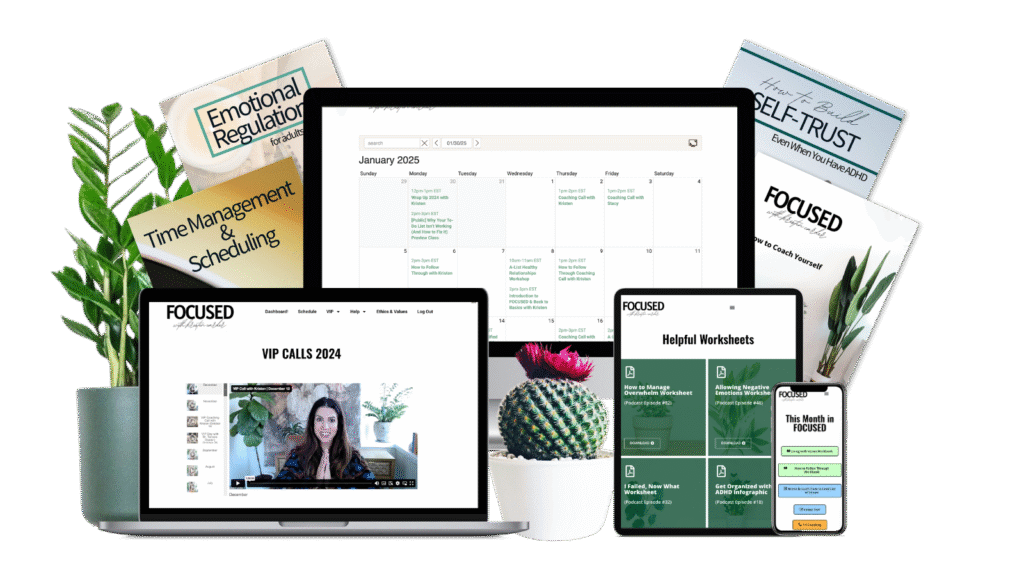
I did. Was it worth it? Absolutely, no problem. I was still asleep by 11, but I was in bed later than 10. No problem. It’s not like it’s not that deep. It’s not a big deal, but for me, it’s just like I know that if I can get into bed at 10 and asleep by 11, my life is better. I wonder what that time frame is for you, and I wonder how much runway you need of regulation and alone time prior to that, and I wonder what is it going to take to get that for you, I’m telling you, it will change your whole life. It literally cured my revenge bedtime procrastination. Now nobody laid out these steps for me. I wasn’t following these steps on purpose in order to cure my revenge bedtime procrastination. I was just in therapy and doing a lot of. Relational work and realizing how porous my boundaries were, and realizing how much of myself I was giving away, and making these slow changes over time. And it took me a while. It took me a while. It was probably like a four-year period of of making all of these changes because I wasn’t following a step by step process that I just laid out for you. I was just figuring it out for myself, but now you have a process, and I wonder. Like, let me know how it works. Let me know what giving yourself freedom and autonomy during the day does for your ability to go to bed at night. I can’t wait to hear you, and I can’t wait to see you again next week. I’ll see you then. Bye bye. A few years ago, I went looking for help. I wanted to find someone to teach me how to feel better about myself and to help me improve my organization, productivity, time management, emotional regulation-you know, all the things that we adults with ADHD struggle with. I couldn’t find anything, so I researched and I studied and I hired coaches and I figured it out. And then I created Focused for You. Focused is my monthly coaching membership where I teach educated professional adults how to accept their ADHD brain and hijack their ability to get stuff done. Hundreds of people from all over the world are already benefiting from this program, and I’m confident that you will too. Go to ihaveadhd.com/focused for all details.